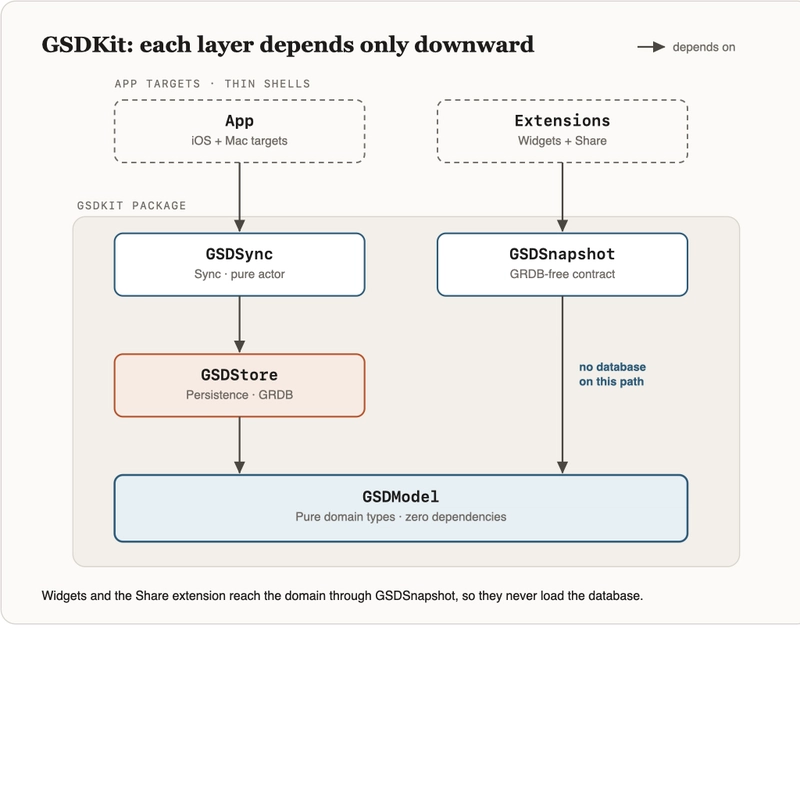
Contextual Overview The development landscape for software applications is rapidly evolving, particularly in the domain of mobile applications and their integration with artificial intelligence (AI). A recent case study highlights the transition of a web-based application, known as GSD (Get Stuff Done), into a native iOS and Mac app, facilitated by an AI agent. This transformation underscores the importance of architectural discipline and the enforcement of operational boundaries within software development. Such principles are increasingly relevant in various fields, including Computer Vision and Image Processing, where precision and the integrity of data flow are paramount. Main Goal and Its Achievement The principal objective discussed in the original content is to illustrate how a clear architectural framework, alongside effective utilization of AI, can lead to the successful delivery of a software product. Achieving this goal necessitates the establishment of well-defined boundaries within the application’s architecture, ensuring that all components interact according to predetermined rules. This can be accomplished through the implementation of layered software architectures that enforce dependencies and maintain data integrity, thereby enhancing the reliability of the application. Advantages of Architectural Discipline Enhanced Reliability: By enforcing strict boundaries within the architecture, developers can ensure that data integrity is maintained throughout the application. This prevents unintended interactions that could lead to data loss or corruption. Improved Development Efficiency: Utilizing an AI agent to assist in coding and testing can significantly accelerate the development process. The AI can quickly generate code based on predefined specifications, reducing the time required for manual coding. Fast Verification Loop: A well-structured architecture allows for rapid testing and verification of changes, facilitating quicker iterations and more reliable releases. This is crucial for applications that require frequent updates, such as those in the field of Computer Vision. Better User Experience: By tailoring the application to fully leverage native platform capabilities, developers can enhance user engagement and satisfaction. This is particularly important in applications that rely on real-time data capture and processing. Increased Focus on Core Functionality: Clear architectural boundaries enable teams to concentrate on improving core functionalities without the risk of impacting other parts of the system. This is essential in fields like Computer Vision, where performance and precision are critical. Caveats and Limitations Despite the numerous advantages, there are potential limitations to consider. The initial development cost may be higher when opting for a native approach versus a cross-platform solution. Additionally, the reliance on an AI agent requires careful oversight to ensure that the generated code aligns with the intended design and functionality. Any lapses in the specifications or architectural guidelines could lead to inconsistencies or bugs that may be difficult to trace back to their source. Future Implications of AI in Computer Vision Looking ahead, the integration of AI in software development, particularly in Computer Vision and Image Processing, is poised to revolutionize the industry. As AI technology advances, it will increasingly be capable of automating complex tasks, such as data annotation and model training, which currently require significant human intervention. This shift will likely result in faster development cycles and the ability to handle larger datasets more efficiently. Furthermore, enhanced AI capabilities could lead to the emergence of smarter applications that can adapt and learn from user interactions, further improving their functionality and user experience. Disclaimer The content on this site is generated using AI technology that analyzes publicly available blog posts to extract and present key takeaways. We do not own, endorse, or claim intellectual property rights to the original blog content. Full credit is given to original authors and sources where applicable. Our summaries are intended solely for informational and educational purposes, offering AI-generated insights in a condensed format. They are not meant to substitute or replicate the full context of the original material. If you are a content owner and wish to request changes or removal, please contact us directly. Source link : Click Here

Contextual Overview In the realm of cybersecurity, timely patch management is critical for mitigating vulnerabilities that can jeopardize data integrity and system functionality. A recent report indicated that Microsoft has addressed 398 security vulnerabilities across its Windows operating systems and supported software. This update not only reflects a growing trend toward increased security measures but also highlights the pressing need for organizations, particularly those involved in Big Data Engineering, to remain vigilant and proactive in their cybersecurity protocols. The reliance on artificial intelligence (AI) for vulnerability detection has made the identification of security flaws more efficient; however, the process of patching these vulnerabilities remains a predominantly human-driven endeavor. Main Goal and Achievement Strategies The primary objective elucidated in the original post is to emphasize the necessity for organizations to adopt a systematic approach to vulnerability management, particularly as security threats evolve rapidly. This goal can be achieved through regular patch updates, utilizing AI for vulnerability scanning, and ensuring that security teams have adequate resources and support to implement timely fixes. By embracing a culture of continuous improvement and vigilance, organizations can significantly enhance their cybersecurity posture. Advantages of Proactive Patch Management Enhanced Security Posture: Regularly applying patches mitigates the risk of exploitation of known vulnerabilities, thereby protecting sensitive data and systems from potential breaches. Increased Awareness: Engaging with security updates fosters an organizational culture that prioritizes cybersecurity, leading to more informed and responsive teams. Reduced Downtime: Promptly addressing vulnerabilities minimizes the likelihood of incidents that could disrupt operations, thereby maintaining service continuity and reliability. Leveraging AI for Efficiency: The integration of AI in vulnerability discovery accelerates the identification of weaknesses, allowing security teams to focus on remediation efforts rather than extensive manual searches. Human Oversight in AI Implementations: Combining AI-generated insights with human expertise ensures a more robust and comprehensive approach to vulnerability management, as evidenced by the need for human verification in AI-generated patches. Future Implications of AI in Cybersecurity The trajectory of AI development holds significant implications for the future of cybersecurity, particularly in the context of Big Data Engineering. As AI technologies continue to evolve, their capabilities in identifying vulnerabilities will likely become more sophisticated, potentially reducing the number of manual interventions required. However, the complexity of cybersecurity challenges will necessitate a balanced approach that combines AI efficiency with human critical thinking and oversight. The ongoing collaboration between AI systems and human operators will be essential in developing holistic security strategies that can adapt to emerging threats while maintaining data integrity and user trust. Disclaimer The content on this site is generated using AI technology that analyzes publicly available blog posts to extract and present key takeaways. We do not own, endorse, or claim intellectual property rights to the original blog content. Full credit is given to original authors and sources where applicable. Our summaries are intended solely for informational and educational purposes, offering AI-generated insights in a condensed format. They are not meant to substitute or replicate the full context of the original material. If you are a content owner and wish to request changes or removal, please contact us directly. Source link : Click Here
Introduction The advent of AI-generated content (AIGC) has revolutionized video production workflows, particularly in the realm of digital marketing. As the capabilities of artificial intelligence continue to evolve, the need for effective post-production tools becomes increasingly critical. The Aiarty Video Enhancer emerges as a pivotal solution, enabling creators to upscale AI-generated videos to high-definition (HD) and 4K resolutions while enhancing visual quality. This blog post will elucidate the main objectives of Aiarty Video Enhancer, its benefits for digital marketers, and the implications of AI advancements on video production. Main Goal of Aiarty Video Enhancer The primary goal of the Aiarty Video Enhancer is to streamline the post-production process for AI-generated videos, facilitating high-quality output without incurring excessive cloud-based operational costs. This is achieved through local processing, which allows creators to upscale their content efficiently while maintaining the original artistic integrity. By integrating this software into existing workflows, digital marketers can enhance video quality, reduce artifacts, and improve overall viewer experience without relying solely on high-resolution generation. Advantages of Aiarty Video Enhancer Cost Efficiency: By processing videos locally, Aiarty Video Enhancer minimizes the reliance on cloud computing resources, thereby reducing token consumption and operational costs. This is particularly beneficial for marketers who need to manage budgets effectively. Visual Quality Preservation: The software ensures that the unique aesthetic of the original AI-generated content remains intact. It offers upscaling capabilities that enhance details without over-processing, thus preserving the creator’s artistic intent. Artifact Reduction: Aiarty provides tools to diminish visual noise and compression artifacts, ensuring that the final video product is clearer and more professional. This is crucial for marketing efforts where visual quality is paramount. Smoother Motion through Frame Interpolation: The inclusion of AI frame interpolation technology addresses the common issue of choppy frame rates in AI-generated videos. This results in smoother transitions and more engaging content for viewers. Batch Processing Capability: The ability to upscale multiple video clips simultaneously enhances workflow efficiency, allowing digital marketers to process large volumes of content in less time. Caveats and Limitations While the Aiarty Video Enhancer offers numerous advantages, it is essential to acknowledge potential limitations. The effectiveness of the software heavily relies on the quality of the original AI-generated footage. If the initial content is of low quality or contains significant artifacts, the enhancement process may not yield optimal results. Additionally, users must possess adequate hardware to utilize the software effectively, as local processing demands computational resources. Future Implications The ongoing advancements in AI technology are poised to significantly influence video production and marketing strategies. As tools like Aiarty Video Enhancer become more sophisticated, digital marketers will likely experience enhanced capabilities in content creation, leading to more engaging and visually appealing campaigns. Furthermore, the integration of AI in video production will facilitate the creation of personalized content tailored to specific audience demographics, thus driving higher engagement rates. As the landscape continues to evolve, marketers must remain adaptable and embrace emerging technologies to maintain a competitive edge. Conclusion In conclusion, the Aiarty Video Enhancer provides a transformative solution for digital marketers seeking to optimize their AI-generated video content. By addressing critical challenges related to quality, cost, and workflow efficiency, this tool not only enhances the final product but also empowers marketers to leverage the full potential of AI technologies in their campaigns. As the industry continues to evolve, the strategic adoption of such innovations will be vital for success in an increasingly competitive digital marketplace. Disclaimer The content on this site is generated using AI technology that analyzes publicly available blog posts to extract and present key takeaways. We do not own, endorse, or claim intellectual property rights to the original blog content. Full credit is given to original authors and sources where applicable. Our summaries are intended solely for informational and educational purposes, offering AI-generated insights in a condensed format. They are not meant to substitute or replicate the full context of the original material. If you are a content owner and wish to request changes or removal, please contact us directly. Source link : Click Here

Contextual Overview of ARM Institute’s Project Call The Advanced Robotics for Manufacturing (ARM) Institute has initiated a critical project call aimed at addressing pressing technological needs within the U.S. defense manufacturing sector. This initiative, designated as Project Call 27-01, seeks innovative solutions in various domains including metalwork, unmanned aerial systems (UAS), munitions, and shipbuilding. The ARM Institute recognizes the intersection of robotics and national security, asserting that advancements in this field are vital for both economic competitiveness and geopolitical stability. This project call specifically invites proposals that demonstrate a significant potential impact on the U.S. Department of War (DoW). Importantly, submissions must also contain a validated transition plan to the DoW’s commercial and organic industrial bases, thereby ensuring that developed technologies can be effectively integrated into existing supply chains. A key emphasis is placed on dual-use technologies, which offer benefits not only to military applications but also to the broader manufacturing landscape. Main Objective and Achievability The primary objective of the ARM Institute’s call is to foster the development of innovative manufacturing technologies that enhance the efficiency and effectiveness of defense production. Achieving this goal requires collaboration between industry stakeholders, academic institutions, and government agencies to cultivate solutions that can transition seamlessly into operational settings. Proposals must adhere to specific criteria, including a focus on defense applications and alignment with Technology Readiness Levels (TRL) 4 to 7. This structured approach ensures that projects are not only theoretically sound but also practical and implementable within a defined timeline. The inclusion of stakeholders from the DoW or relevant government programs enhances the likelihood of successful commercialization and integration, thereby addressing cost and acquisition barriers. Advantages of Project Call 27-01 The ARM Institute’s initiative offers several key advantages that can significantly benefit the U.S. defense manufacturing ecosystem: 1. **Enhanced Technological Innovation**: By focusing on defense-related applications, the project call promotes the development of cutting-edge technologies that can improve production processes. 2. **Dual-Use Technology Development**: A preference for dual-use technologies allows for broader applications, ensuring that advancements benefit both military and civilian sectors, thus fostering a resilient manufacturing base. 3. **Streamlined Transition Plans**: The requirement for validated transition plans facilitates smoother integration of new technologies into the DoW’s supply chains, which can lead to reduced costs and shorter acquisition timelines. 4. **Support for Collaborative Efforts**: The initiative encourages partnerships among industry, academia, and government, enhancing knowledge sharing and resource allocation, which is critical for tackling complex challenges in defense manufacturing. 5. **Focus on High-Priority Needs**: By addressing specific defense application areas, such as high-mix, low-volume castings and uncrewed systems, the project call aligns technological efforts with the most pressing needs of the DoW, ensuring relevance and impact. While the advantages are significant, it is important to acknowledge potential limitations, such as the stringent requirements for TRL and the necessity for stakeholder involvement, which may restrict participation to established entities with prior experience in defense contracts. Future Implications and AI Integration Looking ahead, the integration of artificial intelligence (AI) technologies into defense manufacturing presents transformative potential. AI can enhance production efficiency by automating complex processes, optimizing supply chain logistics, and facilitating real-time data analysis for decision-making. As the ARM Institute and the DoW invest in innovative technologies, the role of AI is expected to expand, leading to more agile and responsive manufacturing systems. Moreover, AI’s capabilities in predictive maintenance and quality control will likely improve product reliability and reduce downtime, further strengthening the U.S. defense manufacturing sector’s resilience. As these advancements unfold, the collaboration fostered by initiatives like Project Call 27-01 will be vital in enabling industrial technologists to leverage AI effectively, ensuring that U.S. military capabilities remain robust and competitive in an increasingly complex global landscape. In conclusion, the ARM Institute’s project call represents a significant opportunity for the advancement of defense manufacturing technologies, with implications that extend beyond military applications. By fostering collaboration and innovation, this initiative not only aims to address immediate defense needs but also paves the way for a more sustainable and competitive U.S. manufacturing environment. Disclaimer The content on this site is generated using AI technology that analyzes publicly available blog posts to extract and present key takeaways. We do not own, endorse, or claim intellectual property rights to the original blog content. Full credit is given to original authors and sources where applicable. Our summaries are intended solely for informational and educational purposes, offering AI-generated insights in a condensed format. They are not meant to substitute or replicate the full context of the original material. If you are a content owner and wish to request changes or removal, please contact us directly. Source link : Click Here

Context and Importance of Interoperability in Pharmacy Systems In the rapidly evolving landscape of healthcare, the integration of pharmacy systems, health systems, payers, pharmacy benefit managers (PBMs), and health IT organizations is no longer a luxury but a necessity. The concept of interoperability has gained unprecedented significance as stakeholders strive to facilitate seamless communication and data exchange. Central to these efforts is the challenge posed by fragmented and inconsistently coded clinical data. When clinical information is formatted using proprietary terminologies rather than standardized systems such as RxNorm, SNOMED CT, and ICD-10, it disrupts automated workflows and complicates clinical decision support (CDS). This fragmentation not only hampers operational efficiency but also incurs significant costs related to manual interventions and integration delays. As pharmacy and health IT leaders confront these challenges, the strategic adoption of standardized clinical data emerges as a pivotal consideration for enhancing interoperability today and enabling advanced patient-specific decision-making in the future. Main Goal and Implementation Strategies The primary objective articulated in the original discussion is to advocate for a modular, standardized approach to clinical decision support interoperability. Achieving this goal necessitates a paradigm shift in how organizations manage their clinical data. By implementing standardized terminologies and data formats, organizations can mitigate the adverse effects of fragmented data. Practical strategies for achieving this include: 1. **Adopting Standardized Terminologies:** Transitioning to established standards like RxNorm and SNOMED CT can streamline data integration and enhance the reliability of clinical decision support systems. 2. **Developing Modular Solutions:** Embracing a modular architecture enables organizations to update or replace components of their systems without overhauling entire infrastructures, thus facilitating more agile responses to emerging technologies. 3. **Enhancing Data Exchange Protocols:** By strengthening the protocols for data exchange across various stakeholders—including pharmacies, providers, payers, and PBMs—organizations can minimize manual exceptions and improve overall workflow efficiency. Advantages of Standardized Clinical Data The implementation of a modular, standardized approach to clinical decision support interoperability offers numerous advantages, as outlined in the original content: – **Operational Efficiency:** A standardized data framework reduces the operational impact of fragmented data, leading to diminished manual efforts and integration times, thus optimizing workflows. – **Cost Reduction:** By minimizing the occurrences of manual exception queues and integration delays, organizations can significantly lower operational costs associated with inefficiencies in data handling. – **Enhanced Decision Support:** Standardized data facilitates more effective clinical decision support capabilities, allowing for timely and precise patient-specific safety checks, ultimately improving patient outcomes. – **Scalability for Future Innovations:** A foundational approach based on standards paves the way for the integration of advanced technologies, including AI and machine learning, ensuring that organizations remain agile in the face of technological advancements. Despite these advantages, it is essential to recognize potential caveats. The transition to standardized systems requires upfront investment in technology and training, and organizations may encounter resistance to change from staff accustomed to legacy systems. Future Implications: The Role of AI in Clinical Decision Support Looking ahead, the intersection of AI and clinical decision support presents exciting opportunities and challenges. As AI technologies continue to evolve, they will likely play a transformative role in enhancing clinical workflows. The integration of AI-driven analytics with standardized clinical data can lead to more sophisticated decision support systems that offer real-time, patient-specific recommendations. Moreover, as health data becomes increasingly interconnected, AI will be instrumental in identifying trends, predicting outcomes, and personalizing medication regimens. This evolution will necessitate ongoing collaboration among pharmacy leaders, health IT professionals, and policy-makers to ensure that the foundational elements of interoperability are robust and capable of supporting these advanced capabilities. In summary, the pursuit of interoperability through standardized clinical data represents not only a technical challenge but also an opportunity for health organizations to fundamentally enhance their operational efficiency and patient care capabilities. As the healthcare landscape continues to evolve, those organizations that proactively adopt these strategies will be best positioned to thrive in a data-driven future. Disclaimer The content on this site is generated using AI technology that analyzes publicly available blog posts to extract and present key takeaways. We do not own, endorse, or claim intellectual property rights to the original blog content. Full credit is given to original authors and sources where applicable. Our summaries are intended solely for informational and educational purposes, offering AI-generated insights in a condensed format. They are not meant to substitute or replicate the full context of the original material. If you are a content owner and wish to request changes or removal, please contact us directly. Source link : Click Here
Contextual Background on Video Game Preservation The gaming community has faced a significant challenge in recent years regarding the preservation of video games. Gamers frequently encounter scenarios where beloved titles become unplayable due to the shutdown of centralized online servers or find themselves unable to purchase and download critically acclaimed games that have been digitally delisted. This phenomenon raises pressing questions about the feasibility of video game preservation and accessibility amidst the evolving landscape of digital gaming. To address these concerns, a live discussion featuring Ross Scott, the founder of the Stop Killing Games campaign, has been organized. This event, part of the Ars Live series, aims to explore the implications of game preservation and the movement’s potential to influence legislative change. Scott’s initiative, catalyzed by Ubisoft’s decision to shut down servers for The Crew, has garnered substantial support, culminating in millions of signatures on petitions advocating for perpetual access to purchased games. Main Goal of the Stop Killing Games Movement The primary objective of the Stop Killing Games movement is to advocate for legislative measures that ensure gamers retain access to the titles they have purchased, irrespective of the fate of centralized servers. Achieving this goal involves lobbying for policies that mandate continued support for online servers or provide gamers the option to maintain their own servers. This approach seeks to counteract the current trend of digital obsolescence and the resultant loss of gaming heritage. Advantages of Video Game Preservation Initiatives Enhanced Accessibility: Ensuring that games remain playable fosters a broader access for players, allowing both current and future generations to experience gaming history. Legislative Progress: The movement has already instigated discussions within governmental bodies, leading to parliamentary debates and proposed legislation, such as initiatives in California aimed at safeguarding online games. Community Engagement: The campaign has united millions of gamers, highlighting a collective desire for preservation and recognition of gaming as a cultural artifact. Market Awareness: Increased attention on game preservation encourages developers and publishers to consider the long-term implications of their online infrastructures when planning future titles. Caveats and Limitations Despite the numerous advantages, several caveats must be acknowledged. Legislative action can be slow and fraught with bureaucratic challenges, potentially delaying necessary reforms. Additionally, the gaming industry is inherently driven by profit, and there may be resistance from companies unwilling to allocate resources towards maintaining older titles or infrastructure. Furthermore, the rapid evolution of technology could render some preservation efforts obsolete before they can be effectively implemented. Future Implications of AI Developments in Game Preservation As the gaming industry continues to evolve, advancements in artificial intelligence (AI) may play a pivotal role in shaping the future of game preservation. AI could enhance the ability to archive and emulate older games, providing automated solutions for maintaining server functionalities or even creating virtual environments for defunct titles. Moreover, AI-driven analytics could help identify which games to prioritize for preservation based on player engagement and historical significance, ensuring that the most valued titles remain accessible. In conclusion, the intersection of technology and legislation in the realm of video game preservation presents a complex yet critical challenge. As discussions surrounding the Stop Killing Games movement gain momentum, the potential for meaningful change in how we approach the preservation of digital content becomes increasingly tangible. The integration of AI technologies further augments this potential, heralding a future where gaming history can be effectively safeguarded for generations to come. Disclaimer The content on this site is generated using AI technology that analyzes publicly available blog posts to extract and present key takeaways. We do not own, endorse, or claim intellectual property rights to the original blog content. Full credit is given to original authors and sources where applicable. Our summaries are intended solely for informational and educational purposes, offering AI-generated insights in a condensed format. They are not meant to substitute or replicate the full context of the original material. If you are a content owner and wish to request changes or removal, please contact us directly. Source link : Click Here

Context and Industry Insights from the AgriBusiness Global Trade Summit On August 6, 2026, the vibrant city of Las Vegas served as the backdrop for the second day of the AgriBusiness Global™ Trade Summit, which brought together over 700 participants from various sectors of the agribusiness industry. This event provided a critical platform for networking, fostering industry connections, and discussing the latest trends that influence the AgriTech and Smart Farming sectors. The summit emphasized the importance of collaboration and knowledge exchange among stakeholders, which is essential in navigating the complexities of today’s agricultural landscape. Main Goal and Strategic Objectives The primary goal of the AgriBusiness Global Trade Summit is to enhance collaboration among industry players to drive innovation and address significant challenges within the agribusiness sector. This can be achieved by creating avenues for dialogue, such as roundtable discussions, expert interviews, and panels featuring leaders in the field. The focus is on developing effective procurement strategies, understanding evolving regulatory landscapes, and leveraging technological advancements to bolster productivity and sustainability. Advantages of Participation in Industry Summits Networking Opportunities: Attendees can connect with industry leaders, facilitating partnerships that enhance sourcing and distribution channels. Access to Expert Insights: Participants gain valuable knowledge from specialists regarding market trends, regulatory updates, and technological innovations, which can inform their business strategies. Collaboration for Problem-Solving: Engaging with peers allows stakeholders to share best practices and collaboratively address common challenges such as supply chain disruptions and changing trade dynamics. Strategic Adaptation: Insights gathered can guide companies in adapting to shifting market conditions, including fluctuations in commodity prices and evolving consumer demands. Limitations and Considerations While participation in industry events offers numerous benefits, there are limitations to consider. The effectiveness of networking can vary depending on individual engagement levels and the quality of connections made. Additionally, the insights shared may not always guarantee immediate applicability, as market conditions can change rapidly. Therefore, businesses must critically evaluate the information and tailor it to their unique contexts. Future Implications of AI Developments in AgriTech As the AgriTech sector continues to evolve, the integration of artificial intelligence (AI) is set to revolutionize agricultural practices. AI can enhance precision farming techniques, enabling farmers to optimize resource use and improve crop yields. This technology will provide real-time data analytics, allowing for better decision-making regarding pest management and crop health monitoring. Furthermore, AI-driven insights can assist in navigating complex regulatory environments, ensuring compliance while maximizing operational efficiency. In conclusion, the ongoing developments in AI and the collaborative efforts fostered by events like the AgriBusiness Global Trade Summit will significantly shape the future of AgriTech. By leveraging these advancements, agribusinesses can enhance their resilience, adapt to changing market landscapes, and ultimately contribute to a more sustainable agricultural future. Disclaimer The content on this site is generated using AI technology that analyzes publicly available blog posts to extract and present key takeaways. We do not own, endorse, or claim intellectual property rights to the original blog content. Full credit is given to original authors and sources where applicable. Our summaries are intended solely for informational and educational purposes, offering AI-generated insights in a condensed format. They are not meant to substitute or replicate the full context of the original material. If you are a content owner and wish to request changes or removal, please contact us directly. Source link : Click Here
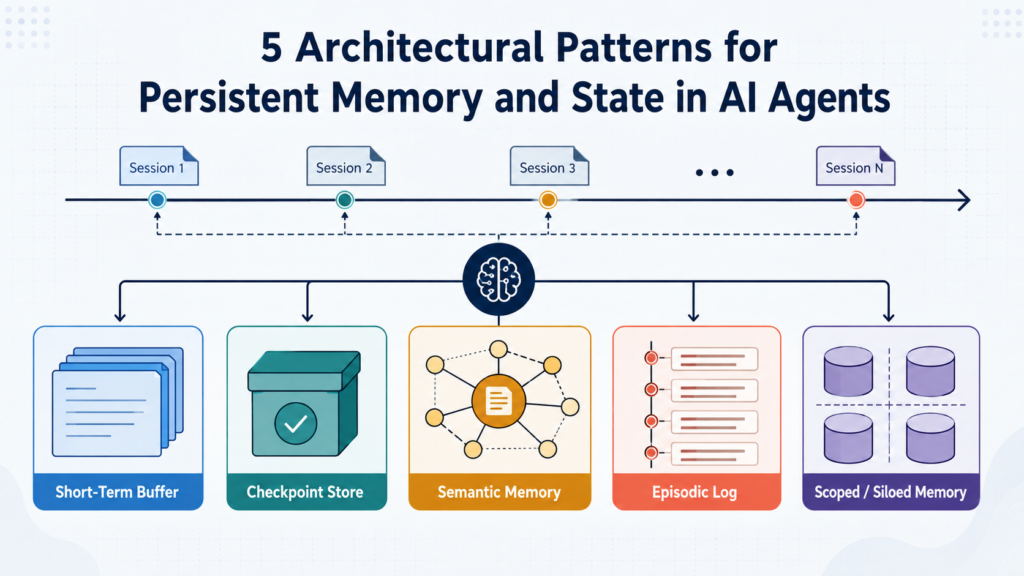
Contextual Overview of Memory and State in AI Agents In the evolving landscape of artificial intelligence, the architecture of AI agents is paramount, particularly in the context of persistent memory and state management. Building an AI agent that remains functional and reliable over extended periods, such as six-month deployments, presents significant challenges. Traditional approaches, notably those involving Large Language Models (LLMs), often operate in a stateless manner. Each invocation begins without recollection of prior interactions, leading early developers to incorporate entire conversation histories into the context window, hoping to maintain continuity. However, this method quickly succumbs to limitations, including increased latency and diminished effectiveness in utilizing context, thereby necessitating a more sophisticated architectural approach. Defining Key Concepts: State and Memory Understanding the distinction between ‘state’ and ‘memory’ is crucial for effective AI agent development. ‘State’ refers to the current snapshot of the agent’s knowledge regarding a task—its progress, the last actions taken, and the variables involved. It can be visualized as a dynamic whiteboard that updates continuously during task execution but is ephemeral unless explicitly saved. Conversely, ‘memory’ serves as a repository for information that transcends individual interactions, allowing agents to carry knowledge across sessions. The interplay between state and memory is cyclical: starting from memory to construct state, updating state during tasks, and then feeding relevant information back into memory for future use. This cycle is essential for the continuity and personalization of AI interactions. Main Goal and Its Achievement The primary goal articulated in the original discussion is to enhance the reliability and functionality of AI agents through deliberate architectural decisions concerning memory and state management. This can be achieved by implementing structured architectural patterns that address both immediate execution needs and long-term knowledge preservation. By doing so, AI systems become capable of learning from experiences, adapting to user preferences, and maintaining a coherent operational narrative across multiple interactions. Advantages of Structured Architectural Patterns Improved Efficiency: By managing state through in-context working buffers, agents can optimize memory usage and minimize latency while ensuring that relevant information is readily accessible. Fault Tolerance: Execution checkpointing allows agents to resume tasks without loss of progress, crucial for operations requiring human oversight or subject to interruptions. Enhanced Learning Capabilities: Semantic memory enables agents to retain knowledge across sessions, improving personalization and user interaction based on historical data. Reflective Learning: Episodic memory maintains a log of actions taken, facilitating learning from past mistakes and enhancing the agent’s ability to perform similar tasks in the future. Data Privacy Compliance: Multi-scope segregation ensures that memory is securely isolated according to user identity, essential for maintaining compliance with privacy regulations. Caveats and Limitations Despite the advantages, there are inherent challenges associated with these architectural patterns. Issues such as the potential for stale data in semantic memory, the risk of duplication in episodic logs, and the complexities involved in ensuring data privacy must be carefully managed. Additionally, the implementation of these architectures requires meticulous planning and resources, which may pose limitations for smaller organizations or projects. Future Implications for AI Development The ongoing advancements in artificial intelligence are likely to further refine the management of memory and state within AI agents. As algorithms become more sophisticated, the mechanisms for handling persistent memory will evolve, enabling more dynamic and contextually aware interactions. Future developments may focus on enhancing the efficiency of memory retrieval processes, improving the security of data management systems, and ensuring that AI agents can learn and adapt in real-time, thereby significantly enhancing their operational capabilities. The interplay between AI advancements and architectural design will shape not only the future of AI agents but also their integration into everyday applications across various sectors. Disclaimer The content on this site is generated using AI technology that analyzes publicly available blog posts to extract and present key takeaways. We do not own, endorse, or claim intellectual property rights to the original blog content. Full credit is given to original authors and sources where applicable. Our summaries are intended solely for informational and educational purposes, offering AI-generated insights in a condensed format. They are not meant to substitute or replicate the full context of the original material. If you are a content owner and wish to request changes or removal, please contact us directly. Source link : Click Here
Context of Agentic AI in Natural Language Understanding In the rapidly evolving landscape of Artificial Intelligence (AI), the term “Agent” has emerged as a focal point of discussion, often laden with varying interpretations. For some, it denotes basic chatbots driven by system prompts; for others, it suggests sophisticated scripts that interface with APIs. In corporate presentations, it could signify advanced autonomous systems capable of managing tasks such as travel arrangements or invoice negotiations. This ambiguity underlines the necessity for comprehensive understanding, a need addressed by the newly released free eBook, Understanding Agentic AI: An Executive Briefing. This resource is explicitly tailored for technology executives, including CEOs, CTOs, and CIOs, elucidating the fundamental components that constitute authentic agentic systems. Within the domain of Natural Language Understanding (NLU), the implications of this resource are profound. As the field strives for precision and clarity, understanding the anatomy of agentic AI becomes paramount. The eBook aims not merely to provide another transient framework but to instill an enduring comprehension of the underlying architecture of agentic systems. This foundational knowledge enables practitioners to navigate through various frameworks effectively, enhancing their ability to engage with both commercial and open-source agentic AI systems. Main Goals and Achievements The primary objective of the eBook is to furnish technology leaders with a solid grasp of the essential components of agentic AI. By demystifying the intricate structures of these systems, the eBook equips its readers to critically evaluate and implement AI strategies within their organizations. Achieving this goal involves familiarizing oneself with the core elements of agentic AI, such as operational loops, tool invocation processes, memory management, and potential points of failure. By mastering these components, executives can enhance their strategic decision-making capabilities and foster a more informed discourse in organizational planning meetings. Advantages of Understanding Agentic AI Enhanced Clarity: By grasping the elements of agentic AI, executives can decode complex frameworks in a matter of hours, streamlining the learning process. Informed Vendor Evaluation: Understanding the anatomy of agentic AI allows executives to critically assess vendor offerings, ensuring alignment with organizational needs. Strategic AI Implementation: A foundational understanding of agentic AI aids in the formulation of effective AI strategies, tailored to specific business objectives. Improved Communication: Equipped with a common language of agentic AI, technology leaders can facilitate more productive discussions with stakeholders and teams. However, it is important to note that while the eBook provides a robust framework for understanding agentic AI, the field itself is dynamic, and continual learning is essential. Frameworks evolve, and practitioners must remain adaptive to new developments in the technology landscape. Future Implications of AI Developments The trajectory of AI advancements holds significant implications for the domain of Natural Language Understanding. As agentic systems become more integrated into business processes, the demand for NLU scientists to possess a thorough understanding of these systems will intensify. The increasing complexity and autonomy of AI agents necessitate a workforce that is not only technically proficient but also capable of critical analysis and strategic thinking. As AI technologies continue to mature, we anticipate a shift toward greater interactivity between humans and machines, necessitating ongoing education and adaptation in NLU methodologies. The insights gleaned from resources like Understanding Agentic AI: An Executive Briefing will be indispensable for professionals aiming to navigate this evolving landscape effectively. Disclaimer The content on this site is generated using AI technology that analyzes publicly available blog posts to extract and present key takeaways. We do not own, endorse, or claim intellectual property rights to the original blog content. Full credit is given to original authors and sources where applicable. Our summaries are intended solely for informational and educational purposes, offering AI-generated insights in a condensed format. They are not meant to substitute or replicate the full context of the original material. If you are a content owner and wish to request changes or removal, please contact us directly. Source link : Click Here
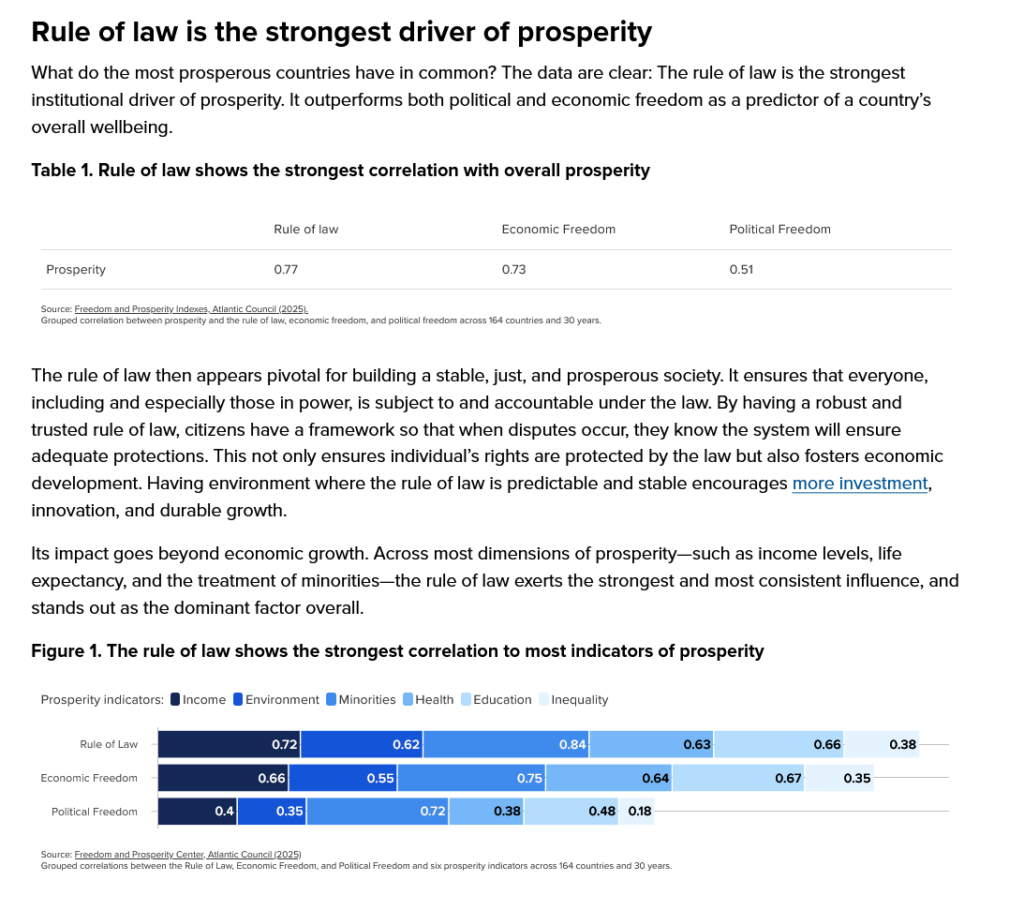
Context The relationship between the rule of law and various institutional dimensions is an essential area of study within the field of Data Analytics and Insights. The original post, “Institutions Are a Package Deal: What a Correlation Can’t Tell You About the Rule of Law,” emphasizes that institutions cannot be evaluated in isolation, as they are interdependent components of a complex systemic framework. This notion is crucial for Data Engineers and analysts, who often rely on correlations to derive insights from data. Understanding that these correlations may be influenced by underlying interdependencies helps to avoid erroneous conclusions and facilitates a more nuanced analysis. Main Goal and Achievement The primary goal of the original post is to illustrate the interconnectedness of institutional dimensions and the critical need to analyze them collectively rather than in isolation. Achieving this goal involves utilizing analytical frameworks such as the Worldwide Governance Indicators (WGI) to demonstrate how institutions like the rule of law, government effectiveness, and corruption control exhibit mutual reinforcement. By employing these frameworks, data professionals can better understand the systemic relationships that underpin institutional effectiveness and economic performance. Advantages of Understanding Institutional Interdependencies Holistic Analysis: By recognizing the interdependence of institutions, data engineers can develop comprehensive models that reflect the complexities of governance. This holistic approach allows for a deeper understanding of how changes in one dimension can impact others, improving predictive accuracy. Informed Policy Recommendations: Insights drawn from a multi-dimensional analysis can guide policymakers in crafting interventions that address the root causes of institutional weaknesses rather than merely treating symptoms. This is evidenced in discussions surrounding the importance of the rule of law as a foundational element of economic prosperity. Enhanced Data Integrity: Understanding the interconnected nature of institutions leads to more robust data cleaning and validation processes. By acknowledging potential biases and overlaps in data collection, data engineers can enhance the reliability of their findings. Predictive Capabilities: Leveraging statistical techniques such as Principal Components Analysis (PCA) allows data engineers to identify underlying patterns and shared variance among institutional dimensions, leading to improved models for forecasting institutional performance. Limitations and Caveats While the advantages of understanding institutional interdependencies are clear, several limitations must be considered: Data Availability: Access to comprehensive and quality data on institutional dimensions can be challenging. Inadequate data may lead to incomplete analyses, impacting the validity of findings. Measurement Issues: The reliance on perception-based indicators, such as those in the WGI, may introduce biases that skew results. These measures often reflect public sentiment rather than objective realities, complicating interpretations. Interpreting Correlations: Correlations do not imply causation, and discerning the directionality of relationships among institutions can be difficult. Analysts must be cautious in attributing causative factors based solely on correlational data. Future Implications Advancements in artificial intelligence (AI) are poised to significantly impact the field of Data Analytics and Insights, particularly concerning institutional analysis. AI technologies, such as machine learning algorithms, can enhance the ability to process vast datasets, uncovering complex relationships that may not be immediately apparent. For data engineers, this means that the tools available for analyzing institutional interdependencies will become increasingly sophisticated, enabling more accurate modeling and forecasting. Moreover, AI can facilitate real-time data analysis, allowing for more dynamic assessments of institutional performance as conditions evolve. This capability can lead to timely interventions and policy modifications, thereby enhancing governance outcomes. Nonetheless, it is essential for data professionals to remain vigilant regarding the ethical implications of AI in governance, ensuring that the deployment of these technologies aligns with principles of fairness and transparency. Conclusion The interconnected nature of institutional dimensions underscores the necessity for data engineers and analysts to adopt a comprehensive approach to analyzing governance systems. By recognizing the limitations of isolated analysis and leveraging advanced analytical techniques, professionals in the field can contribute to more effective governance and sustainable development. As AI continues to evolve, its integration into the analysis of institutions will further enhance the capacity to derive meaningful insights and inform policy decisions. Disclaimer The content on this site is generated using AI technology that analyzes publicly available blog posts to extract and present key takeaways. We do not own, endorse, or claim intellectual property rights to the original blog content. Full credit is given to original authors and sources where applicable. Our summaries are intended solely for informational and educational purposes, offering AI-generated insights in a condensed format. They are not meant to substitute or replicate the full context of the original material. If you are a content owner and wish to request changes or removal, please contact us directly. Source link : Click Here


