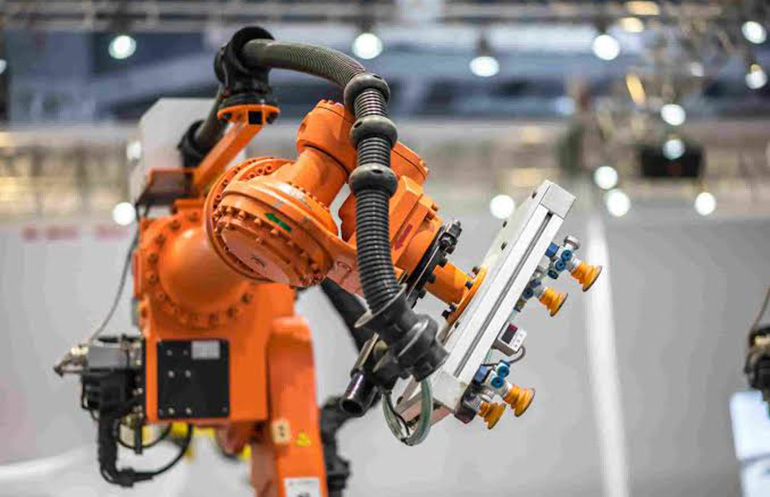
The Advanced Robotics for Manufacturing (ARM) Institute has initiated a critical project call aimed at addressing pressing technological needs within the U.S. defense manufacturing sector. This initiative, designated as Project Call 27-01, seeks innovative solutions in various domains including metalwork, unmanned aerial systems (UAS), munitions, and shipbuilding. The ARM Institute recognizes the intersection of robotics and national security, asserting that advancements in this field are vital for both economic competitiveness and geopolitical stability.
This project call specifically invites proposals that demonstrate a significant potential impact on the U.S. Department of War (DoW). Importantly, submissions must also contain a validated transition plan to the DoW’s commercial and organic industrial bases, thereby ensuring that developed technologies can be effectively integrated into existing supply chains. A key emphasis is placed on dual-use technologies, which offer benefits not only to military applications but also to the broader manufacturing landscape.
The primary objective of the ARM Institute’s call is to foster the development of innovative manufacturing technologies that enhance the efficiency and effectiveness of defense production. Achieving this goal requires collaboration between industry stakeholders, academic institutions, and government agencies to cultivate solutions that can transition seamlessly into operational settings.
Proposals must adhere to specific criteria, including a focus on defense applications and alignment with Technology Readiness Levels (TRL) 4 to 7. This structured approach ensures that projects are not only theoretically sound but also practical and implementable within a defined timeline. The inclusion of stakeholders from the DoW or relevant government programs enhances the likelihood of successful commercialization and integration, thereby addressing cost and acquisition barriers.
The ARM Institute’s initiative offers several key advantages that can significantly benefit the U.S. defense manufacturing ecosystem:
1. **Enhanced Technological Innovation**: By focusing on defense-related applications, the project call promotes the development of cutting-edge technologies that can improve production processes.
2. **Dual-Use Technology Development**: A preference for dual-use technologies allows for broader applications, ensuring that advancements benefit both military and civilian sectors, thus fostering a resilient manufacturing base.
3. **Streamlined Transition Plans**: The requirement for validated transition plans facilitates smoother integration of new technologies into the DoW’s supply chains, which can lead to reduced costs and shorter acquisition timelines.
4. **Support for Collaborative Efforts**: The initiative encourages partnerships among industry, academia, and government, enhancing knowledge sharing and resource allocation, which is critical for tackling complex challenges in defense manufacturing.
5. **Focus on High-Priority Needs**: By addressing specific defense application areas, such as high-mix, low-volume castings and uncrewed systems, the project call aligns technological efforts with the most pressing needs of the DoW, ensuring relevance and impact.
While the advantages are significant, it is important to acknowledge potential limitations, such as the stringent requirements for TRL and the necessity for stakeholder involvement, which may restrict participation to established entities with prior experience in defense contracts.
Looking ahead, the integration of artificial intelligence (AI) technologies into defense manufacturing presents transformative potential. AI can enhance production efficiency by automating complex processes, optimizing supply chain logistics, and facilitating real-time data analysis for decision-making. As the ARM Institute and the DoW invest in innovative technologies, the role of AI is expected to expand, leading to more agile and responsive manufacturing systems.
Moreover, AI’s capabilities in predictive maintenance and quality control will likely improve product reliability and reduce downtime, further strengthening the U.S. defense manufacturing sector’s resilience. As these advancements unfold, the collaboration fostered by initiatives like Project Call 27-01 will be vital in enabling industrial technologists to leverage AI effectively, ensuring that U.S. military capabilities remain robust and competitive in an increasingly complex global landscape.
In conclusion, the ARM Institute’s project call represents a significant opportunity for the advancement of defense manufacturing technologies, with implications that extend beyond military applications. By fostering collaboration and innovation, this initiative not only aims to address immediate defense needs but also paves the way for a more sustainable and competitive U.S. manufacturing environment.
Disclaimer
The content on this site is generated using AI technology that analyzes publicly available blog posts to extract and present key takeaways. We do not own, endorse, or claim intellectual property rights to the original blog content. Full credit is given to original authors and sources where applicable. Our summaries are intended solely for informational and educational purposes, offering AI-generated insights in a condensed format. They are not meant to substitute or replicate the full context of the original material. If you are a content owner and wish to request changes or removal, please contact us directly.
Source link :