
Contextual Overview The inclusion of Reddit in the S&P 500 index signifies a pivotal moment for both the company and the broader financial landscape. Following the announcement, Reddit’s shares experienced an 11% increase during extended trading, highlighting the immediate market reaction to this significant milestone. Scheduled to officially join the S&P 500 on August 18, Reddit replaces AvalonBay Communities, a shift that underscores the dynamic nature of index composition and the investment opportunities it presents. The S&P 500 serves as a benchmark for fund managers, necessitating the purchase of shares of newly included companies, thereby enhancing their market value. As only the second pureplay social media company in this index, alongside Meta, Reddit’s ascent reflects a growing recognition of its value within the financial markets. Main Goals and Achievements The primary goal of Reddit’s inclusion in the S&P 500 is to leverage increased visibility and investment liquidity, thereby enhancing shareholder value. This can be accomplished through strategic measures that attract institutional investors and expand the company’s market capitalization. By joining this prestigious index, Reddit not only gains recognition as a key player in the social media sector but also positions itself for sustained growth. Financial professionals must recognize the implications of such index changes, as they directly influence stock performance and investment strategies. Advantages of Reddit’s Inclusion in the S&P 500 Increased Visibility: Being part of the S&P 500 elevates Reddit’s profile among institutional investors and fund managers, driving demand for its shares. Enhanced Liquidity: The necessity for funds to acquire shares of newly included companies ensures that Reddit’s stock liquidity will improve, making it easier for investors to buy and sell. Market Validation: Inclusion in a leading index signals investor confidence in Reddit’s business model and growth potential, which can attract additional investment. Potential for Growth: Historical data suggests that companies added to major indexes often experience a surge in stock price, providing Reddit with an opportunity for capital appreciation. Strategic Positioning: As the second pureplay social media entity in the S&P 500, Reddit’s unique market position may offer competitive advantages in attracting users and advertisers. Caveats and Limitations Despite the potential benefits, it is essential to consider certain caveats. Reddit’s stock performance is subject to market volatility and external economic factors. Furthermore, previous earnings reports indicated challenges, such as declining search referrals and dependence on Google for traffic, which could impact future growth. Financial professionals must remain vigilant in analyzing these factors to make informed investment decisions. Future Implications of AI in Finance and FinTech The integration of artificial intelligence (AI) within the finance and FinTech sectors is expected to profoundly influence market dynamics. As AI technologies evolve, they will enhance data analysis capabilities, enabling financial professionals to derive insights from vast amounts of data more efficiently. This advancement will facilitate more informed trading strategies, risk management, and customer engagement approaches. Additionally, AI’s role in optimizing search algorithms and user acquisition strategies may provide companies like Reddit with tools to mitigate reliance on traditional search engines. The ongoing development of AI will likely reshape investment landscapes, making it imperative for financial professionals to adapt to these changes proactively. Disclaimer The content on this site is generated using AI technology that analyzes publicly available blog posts to extract and present key takeaways. We do not own, endorse, or claim intellectual property rights to the original blog content. Full credit is given to original authors and sources where applicable. Our summaries are intended solely for informational and educational purposes, offering AI-generated insights in a condensed format. They are not meant to substitute or replicate the full context of the original material. If you are a content owner and wish to request changes or removal, please contact us directly. Source link : Click Here

Contextual Background In an engaging display of creativity and sportsmanship, Philadelphia Phillies superstar Bryce Harper showcased corn-themed gear during the Field of Dreams game held on August 13, 2026, in Dyersville, Iowa. This event, held in a venue surrounded by expansive cornfields, highlighted Harper’s unique approach to blending personal branding with the thematic essence of the occasion. His attire included a right-arm sleeve adorned with corn imagery and the catchy phrase “It Has The Juice!”, a reference to a viral video featuring a child named Tariq, which resonated with fans. Harper’s corn-themed gear extended to custom-designed yellow cleats and a uniquely crafted bat, further emphasizing his commitment to the theme. Main Goal and Achievement The primary aim demonstrated through Harper’s participation in the Field of Dreams game was to enhance fan engagement through thematic representation. By donning gear that encapsulated the event’s spirit, Harper not only entertained fans but also strengthened his personal brand within the sport. This goal can be achieved through strategic collaboration between athletes and event organizers, fostering a sense of community and shared experience among spectators. Engaging with the audience on multiple levels—through humor, creativity, and authenticity—can drive deeper connections between players and fans. Advantages of Thematic Representation in Sports Enhanced Fan Engagement: The use of thematic attire allows players to connect with fans on a personal level, fostering a sense of belonging and community. Brand Building: Athletes can leverage such unique events to bolster their personal brands, creating memorable associations that resonate with audiences. Increased Media Coverage: Unique thematic elements attract media attention, resulting in wider coverage and promotional opportunities for both players and the event. Memorable Experiences: Thematic representation contributes to creating unforgettable experiences for fans, enhancing their overall enjoyment and loyalty to the sport. However, it is essential to recognize that while thematic representation can yield significant advantages, it may not appeal to all segments of the fanbase. Some fans may prefer traditional representations of the sport over thematic variations. Future Implications of AI Developments in Sports Analytics The integration of artificial intelligence (AI) in sports analytics is poised to revolutionize how athletes and teams approach engagement strategies. AI can analyze fan preferences and behaviors, providing insights that enable tailored experiences. As machine learning algorithms evolve, they will enhance the ability to predict which themes resonate most with audiences, optimizing promotional efforts and event planning. Furthermore, AI can facilitate the development of personalized merchandise and marketing campaigns, allowing athletes to connect with fans in ways that were previously unattainable. The future landscape of sports engagement will likely see an increased reliance on data-driven decisions, enabling teams and players to create more targeted and effective engagement strategies. Conclusion In summary, Bryce Harper’s corn-themed attire during the Field of Dreams game exemplifies the potential of thematic representation to foster deeper connections with fans, enhance personal branding, and create memorable experiences. As the sports industry continues to evolve, the integration of AI in sports analytics will further empower athletes and teams to engage audiences in innovative and meaningful ways. Disclaimer The content on this site is generated using AI technology that analyzes publicly available blog posts to extract and present key takeaways. We do not own, endorse, or claim intellectual property rights to the original blog content. Full credit is given to original authors and sources where applicable. Our summaries are intended solely for informational and educational purposes, offering AI-generated insights in a condensed format. They are not meant to substitute or replicate the full context of the original material. If you are a content owner and wish to request changes or removal, please contact us directly. Source link : Click Here
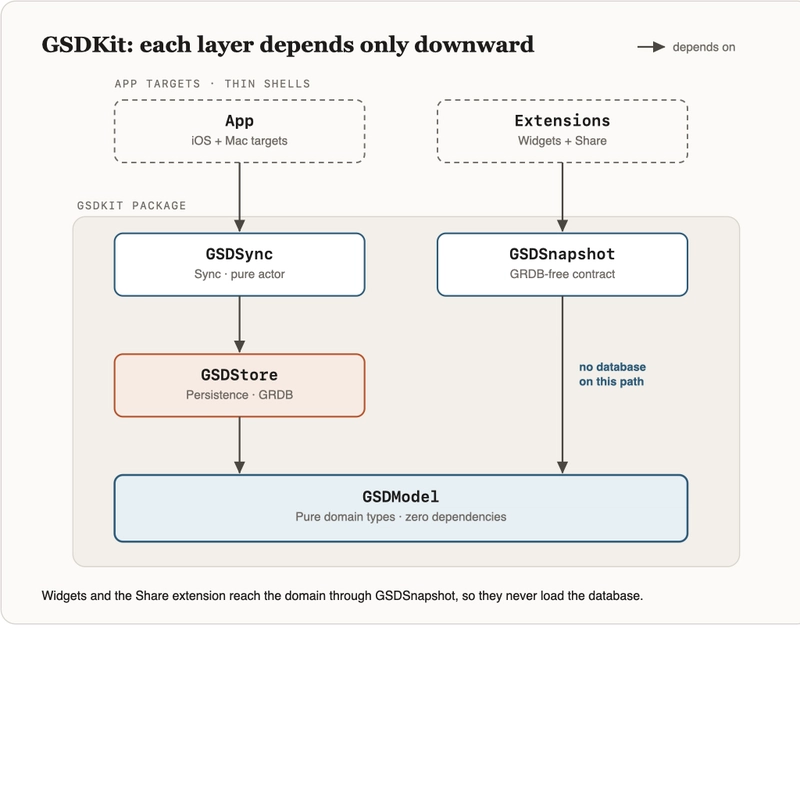
Contextual Overview The development landscape for software applications is rapidly evolving, particularly in the domain of mobile applications and their integration with artificial intelligence (AI). A recent case study highlights the transition of a web-based application, known as GSD (Get Stuff Done), into a native iOS and Mac app, facilitated by an AI agent. This transformation underscores the importance of architectural discipline and the enforcement of operational boundaries within software development. Such principles are increasingly relevant in various fields, including Computer Vision and Image Processing, where precision and the integrity of data flow are paramount. Main Goal and Its Achievement The principal objective discussed in the original content is to illustrate how a clear architectural framework, alongside effective utilization of AI, can lead to the successful delivery of a software product. Achieving this goal necessitates the establishment of well-defined boundaries within the application’s architecture, ensuring that all components interact according to predetermined rules. This can be accomplished through the implementation of layered software architectures that enforce dependencies and maintain data integrity, thereby enhancing the reliability of the application. Advantages of Architectural Discipline Enhanced Reliability: By enforcing strict boundaries within the architecture, developers can ensure that data integrity is maintained throughout the application. This prevents unintended interactions that could lead to data loss or corruption. Improved Development Efficiency: Utilizing an AI agent to assist in coding and testing can significantly accelerate the development process. The AI can quickly generate code based on predefined specifications, reducing the time required for manual coding. Fast Verification Loop: A well-structured architecture allows for rapid testing and verification of changes, facilitating quicker iterations and more reliable releases. This is crucial for applications that require frequent updates, such as those in the field of Computer Vision. Better User Experience: By tailoring the application to fully leverage native platform capabilities, developers can enhance user engagement and satisfaction. This is particularly important in applications that rely on real-time data capture and processing. Increased Focus on Core Functionality: Clear architectural boundaries enable teams to concentrate on improving core functionalities without the risk of impacting other parts of the system. This is essential in fields like Computer Vision, where performance and precision are critical. Caveats and Limitations Despite the numerous advantages, there are potential limitations to consider. The initial development cost may be higher when opting for a native approach versus a cross-platform solution. Additionally, the reliance on an AI agent requires careful oversight to ensure that the generated code aligns with the intended design and functionality. Any lapses in the specifications or architectural guidelines could lead to inconsistencies or bugs that may be difficult to trace back to their source. Future Implications of AI in Computer Vision Looking ahead, the integration of AI in software development, particularly in Computer Vision and Image Processing, is poised to revolutionize the industry. As AI technology advances, it will increasingly be capable of automating complex tasks, such as data annotation and model training, which currently require significant human intervention. This shift will likely result in faster development cycles and the ability to handle larger datasets more efficiently. Furthermore, enhanced AI capabilities could lead to the emergence of smarter applications that can adapt and learn from user interactions, further improving their functionality and user experience. Disclaimer The content on this site is generated using AI technology that analyzes publicly available blog posts to extract and present key takeaways. We do not own, endorse, or claim intellectual property rights to the original blog content. Full credit is given to original authors and sources where applicable. Our summaries are intended solely for informational and educational purposes, offering AI-generated insights in a condensed format. They are not meant to substitute or replicate the full context of the original material. If you are a content owner and wish to request changes or removal, please contact us directly. Source link : Click Here

Contextual Overview In the realm of cybersecurity, timely patch management is critical for mitigating vulnerabilities that can jeopardize data integrity and system functionality. A recent report indicated that Microsoft has addressed 398 security vulnerabilities across its Windows operating systems and supported software. This update not only reflects a growing trend toward increased security measures but also highlights the pressing need for organizations, particularly those involved in Big Data Engineering, to remain vigilant and proactive in their cybersecurity protocols. The reliance on artificial intelligence (AI) for vulnerability detection has made the identification of security flaws more efficient; however, the process of patching these vulnerabilities remains a predominantly human-driven endeavor. Main Goal and Achievement Strategies The primary objective elucidated in the original post is to emphasize the necessity for organizations to adopt a systematic approach to vulnerability management, particularly as security threats evolve rapidly. This goal can be achieved through regular patch updates, utilizing AI for vulnerability scanning, and ensuring that security teams have adequate resources and support to implement timely fixes. By embracing a culture of continuous improvement and vigilance, organizations can significantly enhance their cybersecurity posture. Advantages of Proactive Patch Management Enhanced Security Posture: Regularly applying patches mitigates the risk of exploitation of known vulnerabilities, thereby protecting sensitive data and systems from potential breaches. Increased Awareness: Engaging with security updates fosters an organizational culture that prioritizes cybersecurity, leading to more informed and responsive teams. Reduced Downtime: Promptly addressing vulnerabilities minimizes the likelihood of incidents that could disrupt operations, thereby maintaining service continuity and reliability. Leveraging AI for Efficiency: The integration of AI in vulnerability discovery accelerates the identification of weaknesses, allowing security teams to focus on remediation efforts rather than extensive manual searches. Human Oversight in AI Implementations: Combining AI-generated insights with human expertise ensures a more robust and comprehensive approach to vulnerability management, as evidenced by the need for human verification in AI-generated patches. Future Implications of AI in Cybersecurity The trajectory of AI development holds significant implications for the future of cybersecurity, particularly in the context of Big Data Engineering. As AI technologies continue to evolve, their capabilities in identifying vulnerabilities will likely become more sophisticated, potentially reducing the number of manual interventions required. However, the complexity of cybersecurity challenges will necessitate a balanced approach that combines AI efficiency with human critical thinking and oversight. The ongoing collaboration between AI systems and human operators will be essential in developing holistic security strategies that can adapt to emerging threats while maintaining data integrity and user trust. Disclaimer The content on this site is generated using AI technology that analyzes publicly available blog posts to extract and present key takeaways. We do not own, endorse, or claim intellectual property rights to the original blog content. Full credit is given to original authors and sources where applicable. Our summaries are intended solely for informational and educational purposes, offering AI-generated insights in a condensed format. They are not meant to substitute or replicate the full context of the original material. If you are a content owner and wish to request changes or removal, please contact us directly. Source link : Click Here
Introduction The advent of AI-generated content (AIGC) has revolutionized video production workflows, particularly in the realm of digital marketing. As the capabilities of artificial intelligence continue to evolve, the need for effective post-production tools becomes increasingly critical. The Aiarty Video Enhancer emerges as a pivotal solution, enabling creators to upscale AI-generated videos to high-definition (HD) and 4K resolutions while enhancing visual quality. This blog post will elucidate the main objectives of Aiarty Video Enhancer, its benefits for digital marketers, and the implications of AI advancements on video production. Main Goal of Aiarty Video Enhancer The primary goal of the Aiarty Video Enhancer is to streamline the post-production process for AI-generated videos, facilitating high-quality output without incurring excessive cloud-based operational costs. This is achieved through local processing, which allows creators to upscale their content efficiently while maintaining the original artistic integrity. By integrating this software into existing workflows, digital marketers can enhance video quality, reduce artifacts, and improve overall viewer experience without relying solely on high-resolution generation. Advantages of Aiarty Video Enhancer Cost Efficiency: By processing videos locally, Aiarty Video Enhancer minimizes the reliance on cloud computing resources, thereby reducing token consumption and operational costs. This is particularly beneficial for marketers who need to manage budgets effectively. Visual Quality Preservation: The software ensures that the unique aesthetic of the original AI-generated content remains intact. It offers upscaling capabilities that enhance details without over-processing, thus preserving the creator’s artistic intent. Artifact Reduction: Aiarty provides tools to diminish visual noise and compression artifacts, ensuring that the final video product is clearer and more professional. This is crucial for marketing efforts where visual quality is paramount. Smoother Motion through Frame Interpolation: The inclusion of AI frame interpolation technology addresses the common issue of choppy frame rates in AI-generated videos. This results in smoother transitions and more engaging content for viewers. Batch Processing Capability: The ability to upscale multiple video clips simultaneously enhances workflow efficiency, allowing digital marketers to process large volumes of content in less time. Caveats and Limitations While the Aiarty Video Enhancer offers numerous advantages, it is essential to acknowledge potential limitations. The effectiveness of the software heavily relies on the quality of the original AI-generated footage. If the initial content is of low quality or contains significant artifacts, the enhancement process may not yield optimal results. Additionally, users must possess adequate hardware to utilize the software effectively, as local processing demands computational resources. Future Implications The ongoing advancements in AI technology are poised to significantly influence video production and marketing strategies. As tools like Aiarty Video Enhancer become more sophisticated, digital marketers will likely experience enhanced capabilities in content creation, leading to more engaging and visually appealing campaigns. Furthermore, the integration of AI in video production will facilitate the creation of personalized content tailored to specific audience demographics, thus driving higher engagement rates. As the landscape continues to evolve, marketers must remain adaptable and embrace emerging technologies to maintain a competitive edge. Conclusion In conclusion, the Aiarty Video Enhancer provides a transformative solution for digital marketers seeking to optimize their AI-generated video content. By addressing critical challenges related to quality, cost, and workflow efficiency, this tool not only enhances the final product but also empowers marketers to leverage the full potential of AI technologies in their campaigns. As the industry continues to evolve, the strategic adoption of such innovations will be vital for success in an increasingly competitive digital marketplace. Disclaimer The content on this site is generated using AI technology that analyzes publicly available blog posts to extract and present key takeaways. We do not own, endorse, or claim intellectual property rights to the original blog content. Full credit is given to original authors and sources where applicable. Our summaries are intended solely for informational and educational purposes, offering AI-generated insights in a condensed format. They are not meant to substitute or replicate the full context of the original material. If you are a content owner and wish to request changes or removal, please contact us directly. Source link : Click Here

Contextual Overview of ARM Institute’s Project Call The Advanced Robotics for Manufacturing (ARM) Institute has initiated a critical project call aimed at addressing pressing technological needs within the U.S. defense manufacturing sector. This initiative, designated as Project Call 27-01, seeks innovative solutions in various domains including metalwork, unmanned aerial systems (UAS), munitions, and shipbuilding. The ARM Institute recognizes the intersection of robotics and national security, asserting that advancements in this field are vital for both economic competitiveness and geopolitical stability. This project call specifically invites proposals that demonstrate a significant potential impact on the U.S. Department of War (DoW). Importantly, submissions must also contain a validated transition plan to the DoW’s commercial and organic industrial bases, thereby ensuring that developed technologies can be effectively integrated into existing supply chains. A key emphasis is placed on dual-use technologies, which offer benefits not only to military applications but also to the broader manufacturing landscape. Main Objective and Achievability The primary objective of the ARM Institute’s call is to foster the development of innovative manufacturing technologies that enhance the efficiency and effectiveness of defense production. Achieving this goal requires collaboration between industry stakeholders, academic institutions, and government agencies to cultivate solutions that can transition seamlessly into operational settings. Proposals must adhere to specific criteria, including a focus on defense applications and alignment with Technology Readiness Levels (TRL) 4 to 7. This structured approach ensures that projects are not only theoretically sound but also practical and implementable within a defined timeline. The inclusion of stakeholders from the DoW or relevant government programs enhances the likelihood of successful commercialization and integration, thereby addressing cost and acquisition barriers. Advantages of Project Call 27-01 The ARM Institute’s initiative offers several key advantages that can significantly benefit the U.S. defense manufacturing ecosystem: 1. **Enhanced Technological Innovation**: By focusing on defense-related applications, the project call promotes the development of cutting-edge technologies that can improve production processes. 2. **Dual-Use Technology Development**: A preference for dual-use technologies allows for broader applications, ensuring that advancements benefit both military and civilian sectors, thus fostering a resilient manufacturing base. 3. **Streamlined Transition Plans**: The requirement for validated transition plans facilitates smoother integration of new technologies into the DoW’s supply chains, which can lead to reduced costs and shorter acquisition timelines. 4. **Support for Collaborative Efforts**: The initiative encourages partnerships among industry, academia, and government, enhancing knowledge sharing and resource allocation, which is critical for tackling complex challenges in defense manufacturing. 5. **Focus on High-Priority Needs**: By addressing specific defense application areas, such as high-mix, low-volume castings and uncrewed systems, the project call aligns technological efforts with the most pressing needs of the DoW, ensuring relevance and impact. While the advantages are significant, it is important to acknowledge potential limitations, such as the stringent requirements for TRL and the necessity for stakeholder involvement, which may restrict participation to established entities with prior experience in defense contracts. Future Implications and AI Integration Looking ahead, the integration of artificial intelligence (AI) technologies into defense manufacturing presents transformative potential. AI can enhance production efficiency by automating complex processes, optimizing supply chain logistics, and facilitating real-time data analysis for decision-making. As the ARM Institute and the DoW invest in innovative technologies, the role of AI is expected to expand, leading to more agile and responsive manufacturing systems. Moreover, AI’s capabilities in predictive maintenance and quality control will likely improve product reliability and reduce downtime, further strengthening the U.S. defense manufacturing sector’s resilience. As these advancements unfold, the collaboration fostered by initiatives like Project Call 27-01 will be vital in enabling industrial technologists to leverage AI effectively, ensuring that U.S. military capabilities remain robust and competitive in an increasingly complex global landscape. In conclusion, the ARM Institute’s project call represents a significant opportunity for the advancement of defense manufacturing technologies, with implications that extend beyond military applications. By fostering collaboration and innovation, this initiative not only aims to address immediate defense needs but also paves the way for a more sustainable and competitive U.S. manufacturing environment. Disclaimer The content on this site is generated using AI technology that analyzes publicly available blog posts to extract and present key takeaways. We do not own, endorse, or claim intellectual property rights to the original blog content. Full credit is given to original authors and sources where applicable. Our summaries are intended solely for informational and educational purposes, offering AI-generated insights in a condensed format. They are not meant to substitute or replicate the full context of the original material. If you are a content owner and wish to request changes or removal, please contact us directly. Source link : Click Here
Context and Importance of Interoperability in Pharmacy Systems In the rapidly evolving landscape of healthcare, the integration of pharmacy systems, health systems, payers, pharmacy benefit managers (PBMs), and health IT organizations is no longer a luxury but a necessity. The concept of interoperability has gained unprecedented significance as stakeholders strive to facilitate seamless communication and data exchange. Central to these efforts is the challenge posed by fragmented and inconsistently coded clinical data. When clinical information is formatted using proprietary terminologies rather than standardized systems such as RxNorm, SNOMED CT, and ICD-10, it disrupts automated workflows and complicates clinical decision support (CDS). This fragmentation not only hampers operational efficiency but also incurs significant costs related to manual interventions and integration delays. As pharmacy and health IT leaders confront these challenges, the strategic adoption of standardized clinical data emerges as a pivotal consideration for enhancing interoperability today and enabling advanced patient-specific decision-making in the future. Main Goal and Implementation Strategies The primary objective articulated in the original discussion is to advocate for a modular, standardized approach to clinical decision support interoperability. Achieving this goal necessitates a paradigm shift in how organizations manage their clinical data. By implementing standardized terminologies and data formats, organizations can mitigate the adverse effects of fragmented data. Practical strategies for achieving this include: 1. **Adopting Standardized Terminologies:** Transitioning to established standards like RxNorm and SNOMED CT can streamline data integration and enhance the reliability of clinical decision support systems. 2. **Developing Modular Solutions:** Embracing a modular architecture enables organizations to update or replace components of their systems without overhauling entire infrastructures, thus facilitating more agile responses to emerging technologies. 3. **Enhancing Data Exchange Protocols:** By strengthening the protocols for data exchange across various stakeholders—including pharmacies, providers, payers, and PBMs—organizations can minimize manual exceptions and improve overall workflow efficiency. Advantages of Standardized Clinical Data The implementation of a modular, standardized approach to clinical decision support interoperability offers numerous advantages, as outlined in the original content: – **Operational Efficiency:** A standardized data framework reduces the operational impact of fragmented data, leading to diminished manual efforts and integration times, thus optimizing workflows. – **Cost Reduction:** By minimizing the occurrences of manual exception queues and integration delays, organizations can significantly lower operational costs associated with inefficiencies in data handling. – **Enhanced Decision Support:** Standardized data facilitates more effective clinical decision support capabilities, allowing for timely and precise patient-specific safety checks, ultimately improving patient outcomes. – **Scalability for Future Innovations:** A foundational approach based on standards paves the way for the integration of advanced technologies, including AI and machine learning, ensuring that organizations remain agile in the face of technological advancements. Despite these advantages, it is essential to recognize potential caveats. The transition to standardized systems requires upfront investment in technology and training, and organizations may encounter resistance to change from staff accustomed to legacy systems. Future Implications: The Role of AI in Clinical Decision Support Looking ahead, the intersection of AI and clinical decision support presents exciting opportunities and challenges. As AI technologies continue to evolve, they will likely play a transformative role in enhancing clinical workflows. The integration of AI-driven analytics with standardized clinical data can lead to more sophisticated decision support systems that offer real-time, patient-specific recommendations. Moreover, as health data becomes increasingly interconnected, AI will be instrumental in identifying trends, predicting outcomes, and personalizing medication regimens. This evolution will necessitate ongoing collaboration among pharmacy leaders, health IT professionals, and policy-makers to ensure that the foundational elements of interoperability are robust and capable of supporting these advanced capabilities. In summary, the pursuit of interoperability through standardized clinical data represents not only a technical challenge but also an opportunity for health organizations to fundamentally enhance their operational efficiency and patient care capabilities. As the healthcare landscape continues to evolve, those organizations that proactively adopt these strategies will be best positioned to thrive in a data-driven future. Disclaimer The content on this site is generated using AI technology that analyzes publicly available blog posts to extract and present key takeaways. We do not own, endorse, or claim intellectual property rights to the original blog content. Full credit is given to original authors and sources where applicable. Our summaries are intended solely for informational and educational purposes, offering AI-generated insights in a condensed format. They are not meant to substitute or replicate the full context of the original material. If you are a content owner and wish to request changes or removal, please contact us directly. Source link : Click Here


