
Context In the realm of data storage, the increasing capacity of flash drives, alongside the diminishing sales of smaller variants, reflects a significant shift in consumer expectations and technological advancements. This evolution can be primarily attributed to advancements in NAND flash memory technology, which has allowed manufacturers to produce higher-capacity drives at reduced costs. As a result, the once-popular 1GB flash drive has become obsolete, with most products now starting at capacities of 64GB or higher. Main Goal The primary goal of this observation is to elucidate the reasons behind the drastic increase in flash drive capacities while simultaneously explaining why lower-capacity drives are no longer commercially viable. This can be achieved by highlighting the technological innovations in NAND memory, the economic implications of manufacturing low-capacity drives, and the evolving consumer demands that prioritize larger storage solutions. Advantages of Increased Flash Drive Capacity Cost Efficiency: The price of flash storage has significantly decreased, plummeting from over $8,000 per gigabyte in the early 2000s to approximately 94 cents per gigabyte by 2013. This dramatic decline has made larger capacities more accessible to consumers. Technological Advancements: Innovations such as 3D NAND technology have enabled manufacturers to pack more data into smaller physical spaces. This has resulted in flash drives that can hold significantly larger amounts of data without increasing in size. Consumer Demand: As digital content continues to grow in size and complexity, users increasingly require higher storage capacities to accommodate their needs. Operating systems and software applications now typically require flash drives with a minimum of 8GB to function effectively, making smaller drives less relevant. Streamlined Production: As manufacturers focus on producing higher-capacity drives, the complexities and costs associated with producing low-capacity drives—such as assembly, shipping, and marketing—are reduced, leading to more efficient operations. Limitations Despite the many advantages, there are challenges associated with the shift away from smaller flash drives. For instance, while larger drives are more cost-effective in terms of storage, the production of smaller drives has not entirely ceased. They still find niche applications in industrial or embedded systems where specific requirements for compatibility and endurance are paramount. Future Implications Looking ahead, the integration of artificial intelligence (AI) and machine learning into storage solutions could further revolutionize the data storage landscape. AI can optimize NAND manufacturing processes, enhance data management strategies, and improve reliability and performance. As these technologies evolve, the capabilities of flash drives will likely expand, allowing for even greater storage densities and efficiencies. Furthermore, as the demand for data storage continues to rise globally, the implications of these advancements will significantly affect software engineers and developers who rely on efficient storage solutions in their applications. Disclaimer The content on this site is generated using AI technology that analyzes publicly available blog posts to extract and present key takeaways. We do not own, endorse, or claim intellectual property rights to the original blog content. Full credit is given to original authors and sources where applicable. Our summaries are intended solely for informational and educational purposes, offering AI-generated insights in a condensed format. They are not meant to substitute or replicate the full context of the original material. If you are a content owner and wish to request changes or removal, please contact us directly. Source link : Click Here

Contextual Overview The landscape of meat alternatives is undergoing significant transformation, as evidenced by the recent performance of Quorn Foods, a prominent player in this sector. The company, which operates under the umbrella of Monde Nissin, has reported a modest recovery in sales during the second quarter of 2026, following a challenging period marked by a downturn in the foodservice segment. Specifically, Quorn’s protein segment, which includes both Quorn and Cauldron brands, generated revenues amounting to ₱7.38 billion ($120 million), reflecting a 2.2% growth on a constant-currency basis compared to the first half of 2025. Notably, the company’s core net income shifted from a loss of ₱215 million ($3.5 million) in H1 2025 to a profit of ₱106 million ($1.7 million) in the same period for 2026. Main Objective and Strategic Pathways The primary goal articulated by Quorn Foods is to strengthen its presence in the UK retail market while addressing the persistent challenges within the foodservice sector. To achieve this, Quorn is implementing strategic restructuring measures aimed at enhancing operational efficiency and gross margins. The focus on new product launches, such as Protein Bites, which aim to capture the protein snacking trend, illustrates a proactive response to evolving consumer preferences. This product diversification not only seeks to expand market reach but also aims to improve profitability by appealing to a broader audience beyond traditional meat-free consumers. Advantages of Robust Retail Performance Increased Revenue Streams: The resurgence in UK retail sales is indicative of a recovering consumer base, which can lead to increased revenue and market share for Quorn. This trend is supported by the 0.7% growth in Quorn branded retail sales during a time when the overall meat alternatives market contracted by 2.3%. Improved Profit Margins: The introduction of high-margin products like Protein Bites allows Quorn to command premium pricing, enhancing gross margins. As noted by Monde Nissin’s CEO, the scalability of these products aligns with broader consumer trends favoring convenience and health. Diversification Opportunities: Expanding into the foodservice sector with innovative offerings, such as hybrid products combining meat and mycoprotein, positions Quorn to tap into emerging markets and consumer preferences, potentially unlocking new revenue sources. Operational Restructuring Benefits: The ongoing organizational right-sizing process is expected to streamline operations, reduce costs, and enhance overall business agility, thereby supporting sustained growth. Caveats and Limitations Despite the positive outlook, challenges remain, particularly within the foodservice sector, which saw a 5% decline in sales during Q2. This necessitates a cautious approach, as short-term setbacks may hinder overall growth. Moreover, external factors such as rising input costs linked to geopolitical events, notably the Iran war, could exert pressure on profit margins in the upcoming quarters. Management has indicated that while supply-chain efficiencies may mitigate some of these challenges, the trajectory of recovery is unlikely to be linear. Future Implications and the Role of AI Looking ahead, the intersection of AgriTech and artificial intelligence is poised to redefine the landscape of food production and distribution. As AI technologies advance, they will facilitate more efficient supply-chain management, predictive analytics for consumer behavior, and enhanced product development processes. For AgriTech innovators, this presents a significant opportunity to leverage AI-driven insights to optimize operations and meet the evolving demands of health-conscious consumers. The anticipated integration of AI into AgriTech will likely lead to increased efficiencies, reduced costs, and improved sustainability across the food production spectrum. Disclaimer The content on this site is generated using AI technology that analyzes publicly available blog posts to extract and present key takeaways. We do not own, endorse, or claim intellectual property rights to the original blog content. Full credit is given to original authors and sources where applicable. Our summaries are intended solely for informational and educational purposes, offering AI-generated insights in a condensed format. They are not meant to substitute or replicate the full context of the original material. If you are a content owner and wish to request changes or removal, please contact us directly. Source link : Click Here
Context The evolution of web agents presents a critical juncture in the field of Applied Machine Learning (ML), particularly concerning the automation of tasks traditionally executed through human interaction with web interfaces. The recent advancements, as exemplified by frameworks such as Webwright, signal a transformative approach—transitioning from mere click-based interactions to code generation. This paradigm shift addresses the inherent inefficiencies of existing agents, which often falter when faced with dynamic web environments. Main Goal and Achievement The primary aim of the discussed framework, Webwright, is to enhance the reliability and reusability of web data extraction processes by transitioning from action-based commands to code-writing capabilities. This goal can be realized by allowing agents to generate executable scripts that automate interactions with web pages, thereby overcoming the limitations of traditional click-based methodologies. By enabling agents to write and execute code, Webwright facilitates the creation of reusable tools that can adapt to various web structures, ultimately yielding greater efficiency in data extraction tasks. Advantages of Code-Writing Frameworks Enhanced Reliability: Code-writing frameworks like Webwright utilize robust selection mechanisms to interact with web elements, significantly reducing the fragility associated with pixel-based or element ID-based interactions. This is evidenced by the ability of Webwright to maintain performance even amidst layout changes or dynamic content loading. Reusable Output: Unlike traditional agents that execute one-off sequences, Webwright generates scripts that can be saved and reused in future tasks. This capability not only saves time but also streamlines the process of data extraction across multiple sessions. Improved Efficiency: The ability to utilize loops and functions within the code allows for more complex tasks to be executed succinctly, minimizing the number of individual actions required. This efficiency is highlighted by the reduction in the number of steps needed to complete tasks, as noted in comparative analyses of Webwright against other agent frameworks. Transparent Process: The generated scripts provide a clear audit trail of actions taken, making it easier to debug and verify the accuracy of the data extracted. This transparency enhances trust in automated processes, especially in critical applications where data integrity is paramount. Caveats and Limitations Despite its advantages, the implementation of code-writing agents is not without challenges. The initial setup can be more complex than traditional scraping methods, requiring a browser installation and technical knowledge to manage and understand the generated code. Additionally, while the framework significantly improves reliability, the operational costs associated with running complex models and generating code can be higher compared to simpler scraping methods. Future Implications The trajectory of AI developments in web automation signifies a broader trend towards integrating machine learning capabilities with real-world applications. As frameworks like Webwright continue to evolve, we may witness a proliferation of intelligent agents capable of automating increasingly complex tasks with greater accuracy. This evolution will not only enhance the efficiency of data collection processes but also expand the scope of automation across various industries, ultimately leading to more sophisticated interactions between machines and the web. Conclusion In summary, the shift from click-based web agents to code-writing frameworks like Webwright represents a significant advancement in the field of Applied Machine Learning. By prioritizing the generation of reusable code and enhancing the reliability of web scraping tasks, such innovations are set to redefine how automated agents operate, paving the way for a future where intelligent automation is seamlessly integrated into our digital interactions. Disclaimer The content on this site is generated using AI technology that analyzes publicly available blog posts to extract and present key takeaways. We do not own, endorse, or claim intellectual property rights to the original blog content. Full credit is given to original authors and sources where applicable. Our summaries are intended solely for informational and educational purposes, offering AI-generated insights in a condensed format. They are not meant to substitute or replicate the full context of the original material. If you are a content owner and wish to request changes or removal, please contact us directly. Source link : Click Here

Contextualizing the Utility of Small Language Models Small Language Models (SLMs) have become increasingly relevant in the era of artificial intelligence and natural language processing. Despite common misconceptions regarding their limitations, particularly the notion that they lack sufficient knowledge, SLMs possess unique capabilities that can be harnessed effectively in various scenarios. The primary contention against SLMs is their perceived inability to match the performance of larger language models; however, this perspective often overlooks the specific contexts where SLMs can excel. In this discourse, we will explore the practical applications of SLMs, highlighting their roles in environments where data privacy, cost efficiency, and latency are crucial considerations. Main Goal and Its Achievement The primary objective of employing SLMs is to leverage their operational capabilities in situations where larger models are either impractical or unavailable. This can be achieved by focusing on tasks that do not require extensive reasoning, recall of intricate details, or managing complex contextual inputs. By understanding the limitations of SLMs and structuring tasks accordingly, users can effectively deploy these models to achieve meaningful outcomes in their applications. Advantages of Small Language Models Data Privacy: SLMs are particularly advantageous in situations where sensitive data cannot be transmitted to external servers. This is crucial for industries such as healthcare and finance, where regulatory compliance mandates strict data handling protocols. Cost Efficiency: Utilizing SLMs can significantly reduce operational costs associated with processing large volumes of data. For example, when dealing with bulk labeling tasks, SLMs can handle the majority of straightforward cases, allowing more complex queries to be escalated to larger models or human operators. Latency Management: SLMs can deliver responses in real-time, making them ideal for applications requiring immediate feedback. This immediacy is particularly beneficial in customer service scenarios, where quick responses can enhance user experience. Task Structuring: SLMs excel in tasks where the complexity is managed externally. By using schema-constrained inputs, organizations can guide the model’s output, ensuring that results are structured and relevant to the query at hand. Caveats and Limitations Despite their advantages, SLMs are not without limitations. They struggle with tasks requiring extended reasoning or deep contextual understanding, such as solving complex mathematical problems or generating intricate code. Their recall capabilities are also restricted, as the knowledge embedded within these models is fixed at the time of training and cannot be updated dynamically. Consequently, SLMs may produce unreliable outputs when faced with niche topics or information that has changed since their last training cycle. Furthermore, the effective context window of SLMs is often less than advertised, leading to potential inaccuracies in longer inputs. Future Implications of AI Developments The evolution of artificial intelligence, particularly in natural language processing, will undoubtedly influence the capabilities of SLMs. As advancements continue, we may witness improvements in the efficiency and effectiveness of SLMs, making them more versatile tools in various domains. Furthermore, the integration of hybrid approaches, where SLMs work in conjunction with larger models, could optimize performance while addressing cost and latency concerns. In summary, the future landscape of language modeling will likely involve a nuanced interplay between model size, task complexity, and operational requirements, paving the way for innovative applications in the realm of artificial intelligence. Conclusion In summary, while Small Language Models may not possess the extensive knowledge or reasoning capabilities of their larger counterparts, they serve crucial roles in specific contexts. Their strengths in data privacy, cost efficiency, and real-time processing make them indispensable tools for Natural Language Understanding scientists and various industries. By acknowledging their limitations and strategically employing SLMs, organizations can harness their potential to drive innovation and efficiency in natural language applications. Disclaimer The content on this site is generated using AI technology that analyzes publicly available blog posts to extract and present key takeaways. We do not own, endorse, or claim intellectual property rights to the original blog content. Full credit is given to original authors and sources where applicable. Our summaries are intended solely for informational and educational purposes, offering AI-generated insights in a condensed format. They are not meant to substitute or replicate the full context of the original material. If you are a content owner and wish to request changes or removal, please contact us directly. Source link : Click Here
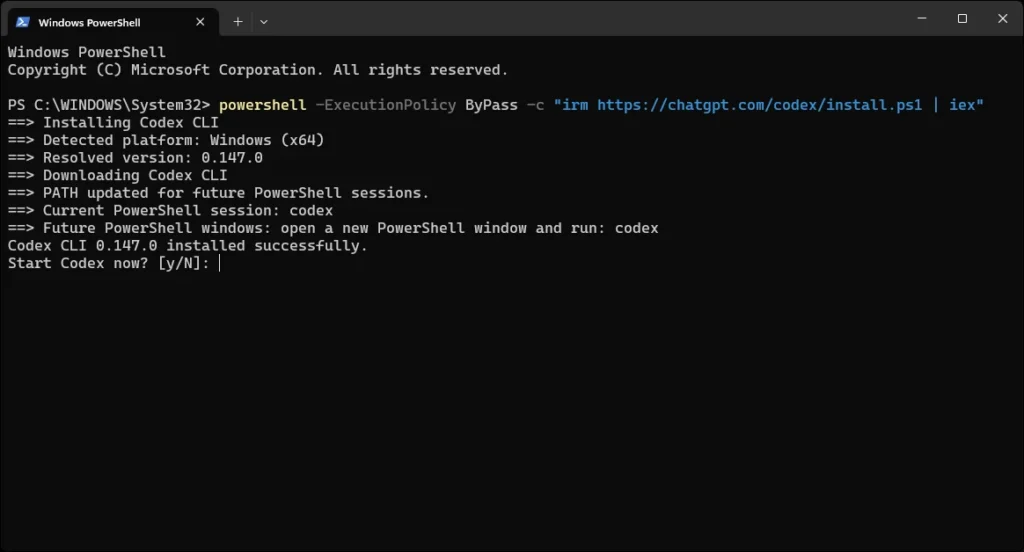
Context The Codex CLI is a powerful tool that integrates AI assistance directly into local development environments, enhancing productivity and streamlining workflows for data engineers and developers alike. By utilizing Codex, users can leverage AI capabilities within their repositories, shell environments, and testing frameworks, ultimately leading to more efficient coding practices. The installation process is straightforward, requiring only a single command. However, users must navigate several setup choices to ensure a clean and effective implementation. This guide will provide a comprehensive overview of installing the Codex CLI on various operating systems, including Windows, macOS, and Linux, while also emphasizing best practices for a successful setup. Before You Install Prior to installation, it is crucial to determine the most suitable method based on your existing environment and tooling preferences. Users who do not manage developer tools through package managers such as Homebrew or npm should opt for the standalone installer. The prerequisites for installation vary slightly across operating systems: Windows: Utilize PowerShell on a supported Windows system; Windows Subsystem for Linux (WSL2) is optional. macOS or Linux: Access to a terminal with curl is necessary. Account: Users must have either a ChatGPT account or an OpenAI Platform API key. Workspace: Ensure that you have a project folder that you can trust and manage. Main Goal and Achievement The primary objective of the original post is to guide users through the installation and initial setup of Codex CLI effectively. Achieving this goal involves following a structured sequence of steps that include running the installer, configuring the environment, and ensuring proper authentication. These steps collectively enable users to harness the full potential of Codex in their development workflow. Advantages of Using Codex CLI Streamlined Integration: Codex CLI integrates seamlessly with local development environments, allowing for smoother coding experiences. Enhanced Productivity: By utilizing AI assistance, developers can reduce the time spent on repetitive tasks and focus on more complex problems. Flexible Authentication Options: Users can choose from multiple sign-in methods, accommodating various workflows and security preferences. Customization and Control: Codex provides commands to manage permissions and configurations, enabling users to tailor the tool to their specific needs. Robust Documentation: The availability of extensive documentation and community support helps users troubleshoot issues and optimize usage. Limitations and Considerations While Codex CLI offers numerous advantages, users should also consider potential limitations. For instance, the reliance on accurate directory trust settings is critical; incorrect configurations may lead to unauthorized access or functionality issues. Additionally, users must be aware of the billing structure associated with API-key usage, as it may differ from standard ChatGPT usage plans. Future Implications The ongoing advancements in artificial intelligence are poised to significantly influence the landscape of data analytics and engineering. As tools like Codex evolve, they are expected to become more intelligent and capable of performing increasingly complex tasks. This evolution will likely lead to enhanced automation within development environments, freeing data engineers from mundane tasks and allowing them to focus on high-level strategy and innovation. Furthermore, as AI technology becomes integrated into more development tools, the demand for skilled professionals who can navigate and leverage these advancements will continue to rise. Conclusion In summary, the installation and setup of Codex CLI represent a pivotal step for data engineers seeking to enhance their productivity through AI integration. By following the outlined steps and understanding the advantages and limitations of the tool, users can successfully implement Codex into their workflows. With the trajectory of AI technology pointing towards greater automation and intelligence, embracing tools like Codex will be essential for staying competitive in the evolving field of data analytics. Disclaimer The content on this site is generated using AI technology that analyzes publicly available blog posts to extract and present key takeaways. We do not own, endorse, or claim intellectual property rights to the original blog content. Full credit is given to original authors and sources where applicable. Our summaries are intended solely for informational and educational purposes, offering AI-generated insights in a condensed format. They are not meant to substitute or replicate the full context of the original material. If you are a content owner and wish to request changes or removal, please contact us directly. Source link : Click Here
Context In the complex landscape of modern governance, technology companies have transcended their traditional roles as mere service providers to become integral components of public governance. This shift, as discussed by Hannah Bloch-Wehba, a law professor at Texas A&M University, reveals a dependency that dates back to the 1930s. Her insights, shared in the podcast The Geek in Review, highlight how the intertwining of governmental authority and private tech infrastructure has fostered a hybrid system of governance. This model raises significant concerns regarding accountability and regulatory oversight, particularly in the realms of artificial intelligence (AI) and police surveillance. Main Goals and Achievements The primary goal articulated in the original post revolves around enhancing public accountability in the face of increasing technological influence over governmental functions. Achieving this goal necessitates a comprehensive understanding of the legal frameworks that govern the relationship between tech companies and governmental entities. By critically examining the historical context and modern implications of this relationship, stakeholders can identify pathways to reestablish accountability and transparency in technology governance. Advantages of Understanding Tech-Government Interactions Informed Decision-Making: Legal professionals equipped with knowledge about the historical and current roles of tech in government can better advocate for policies that prioritize public accountability. Enhanced Regulatory Frameworks: Recognizing the complexities of tech governance allows for the development of more nuanced regulations that can adapt to technological advancements. Improved Due Process in Law Enforcement: Insights into the implications of trade secret claims in criminal cases can help legal professionals challenge unjust practices and advocate for defendants’ rights. Awareness of Corporate Influence: Understanding how corporate policies affect governmental operations enables legal professionals to push back against potential abuses of power by tech companies. Caveats and Limitations Despite these advantages, several caveats must be considered. The evolving nature of technology presents ongoing challenges for legal frameworks, which may struggle to keep pace with rapid advancements. Additionally, the inherent complexity of the hybrid governance model complicates the application of traditional legal principles. As highlighted in the original content, the lack of transparency in tech governance and the significant influence of corporate interests pose persistent barriers to achieving accountability. Future Implications The trajectory of AI advancements and their integration into government functions suggests profound implications for the future of legal governance. As AI technologies become increasingly embedded in decision-making processes, the need for robust oversight and accountability mechanisms will intensify. Legal professionals must prepare for a landscape that continuously evolves, requiring them to stay informed about technological developments and their regulatory implications. The interplay between AI, public governance, and corporate power will likely shape the legal profession’s future, demanding adaptability and foresight from all stakeholders involved. Disclaimer The content on this site is generated using AI technology that analyzes publicly available blog posts to extract and present key takeaways. We do not own, endorse, or claim intellectual property rights to the original blog content. Full credit is given to original authors and sources where applicable. Our summaries are intended solely for informational and educational purposes, offering AI-generated insights in a condensed format. They are not meant to substitute or replicate the full context of the original material. If you are a content owner and wish to request changes or removal, please contact us directly. Source link : Click Here

Introduction Artificial Intelligence (AI) has emerged as a transformative force across various sectors, shaping the way individuals interact with technology and information. The perspectives of the younger generation, particularly children and teenagers, provide critical insights into the potential and pitfalls of AI. This analysis aims to explore the sentiments of youth regarding AI, emphasizing the importance of accessibility to information, the ethical implications of AI usage, and the role of AI in enhancing democratic participation. Understanding Youth Perspectives on AI The youth’s perception of AI is nuanced, recognizing that the technology itself is not inherently beneficial or harmful; rather, its impact is largely determined by the intentions and actions of its users. This perspective is particularly relevant in educational contexts, where AI can facilitate personalized learning experiences and improve access to healthcare through enhanced diagnostic tools. By engaging with AI thoughtfully, young innovators are motivated to harness its capabilities for societal benefit, such as through projects like Next Voters, which aims to democratize access to civic information. Main Goal and Achievement Strategies The primary goal articulated by youth regarding AI is to enhance democratic participation by reducing barriers to information access. This can be achieved by developing AI systems that distill complex data into comprehensible formats, enabling users to engage critically with the information. The Next Voters project exemplifies this approach by transforming extensive governmental documents into accessible summaries and ensuring users can easily explore original sources. Such initiatives empower individuals to become informed citizens, thereby fostering greater engagement in democratic processes. Advantages of Youth Engagement with AI The engagement of youth with AI presents several advantages: 1. **Enhanced Information Accessibility**: AI can convert dense, technical documents into simplified, actionable insights, making critical information available to a broader audience. For instance, transforming lengthy policy papers into brief summaries allows individuals from diverse backgrounds to stay informed. 2. **Encouragement of Critical Thinking**: By providing users with the tools to access and process information efficiently, AI promotes critical analysis and informed decision-making. This is particularly vital in an era where misinformation proliferates on social media platforms. 3. **Increased Democratic Participation**: AI-driven systems designed to deliver relevant information directly to users can help bridge the engagement gap observed among younger populations. By ensuring that everyone has access to the same information, AI can cultivate a more participatory civic culture. 4. **Mitigation of Information Overload**: As the volume of information increases, AI can streamline the data retrieval process, reducing cognitive overload and aiding users in focusing on what is essential. However, it is crucial to acknowledge potential limitations, including the risk of algorithmic bias and the need for transparency in AI systems. Ensuring that AI tools are designed with ethical considerations in mind is paramount to their successful implementation. Future Implications of AI Developments As AI technology continues to evolve, its implications for future generations will be profound. Enhanced AI capabilities could lead to more sophisticated tools for information dissemination, fostering an even greater emphasis on informed civic engagement. Moreover, advancements in AI might facilitate the development of adaptive learning environments, further personalizing education and catering to the diverse needs of learners. The importance of ethical considerations in AI development cannot be overstated. As youth become more engaged with technology, their perspectives will shape the future trajectory of AI. This necessitates a collaborative effort among educators, technologists, and policymakers to ensure that the tools developed are equitable, accessible, and conducive to fostering a more informed and participatory society. Conclusion The insights shared by the younger generation regarding AI underscore the critical role of technology in shaping civic engagement and access to information. By prioritizing accessibility and ethical considerations in AI development, stakeholders can harness its potential to empower future citizens. The ongoing dialogue surrounding AI’s impact on society will be essential in addressing the challenges and opportunities that lie ahead. Disclaimer The content on this site is generated using AI technology that analyzes publicly available blog posts to extract and present key takeaways. We do not own, endorse, or claim intellectual property rights to the original blog content. Full credit is given to original authors and sources where applicable. Our summaries are intended solely for informational and educational purposes, offering AI-generated insights in a condensed format. They are not meant to substitute or replicate the full context of the original material. If you are a content owner and wish to request changes or removal, please contact us directly. Source link : Click Here
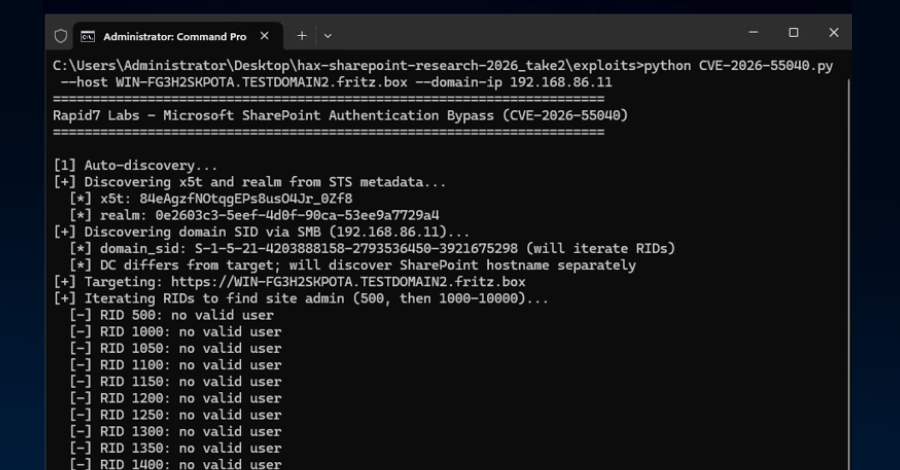
Context and Overview Recent developments in cybersecurity have highlighted the vulnerabilities inherent in widely-used platforms such as Microsoft SharePoint. Following the public release of a proof-of-concept (PoC) exploit, threat actors have begun to actively exploit a critical vulnerability identified as CVE-2026-55040. This vulnerability, which has a CVSS score of 9.1, represents a significant security feature bypass that originates from weak authentication mechanisms within SharePoint. The urgency surrounding this issue is underscored by Microsoft’s patch released as part of the July 2026 Patch Tuesday updates, aimed at mitigating the risks associated with this flaw. Main Goal and Implementation The primary goal highlighted in the original post is to raise awareness about the exploitation of CVE-2026-55040 and to emphasize the necessity for organizations to promptly implement security patches. Successful mitigation of this vulnerability can be achieved through a robust update management policy that ensures all systems remain current with the latest security patches. Organizations are encouraged to frequently monitor their systems and apply updates as soon as they are available to prevent unauthorized access and potential data breaches. Advantages of Proactive Cybersecurity Measures Enhanced Security Posture: By implementing the latest security patches, organizations can substantially reduce their risk exposure to known vulnerabilities. Data Integrity Protection: Addressing identified flaws minimizes the chances of unauthorized data access or modification, thereby safeguarding sensitive information. Reduction in Exploitation Risks: The rapid abuse of vulnerabilities following public disclosures demonstrates the need for immediate action. Organizations that prioritize timely updates can deter potential attacks. Improved Compliance: Regular patching aligns with various regulatory requirements, ensuring organizations maintain compliance with industry standards and legal frameworks. Long-term Cost Savings: Investing in proactive cybersecurity measures can prevent the financial and reputational costs associated with data breaches, which can be exceedingly high. Future Implications of AI in Cybersecurity The integration of artificial intelligence (AI) in cybersecurity presents both opportunities and challenges in addressing vulnerabilities such as CVE-2026-55040. AI technologies can enhance threat detection capabilities, enabling organizations to identify and respond to exploitation attempts in real-time. Furthermore, AI can facilitate the automation of security patch management, allowing for quicker adaptation to emerging threats. However, the same AI advancements can be leveraged by threat actors to develop more sophisticated attacks. As AI technologies continue to evolve, cybersecurity experts will need to remain vigilant and adapt their strategies to counteract the capabilities of malicious actors. The ongoing development of AI tools for threat simulation and vulnerability assessment will be crucial in shaping the future landscape of cybersecurity. Disclaimer The content on this site is generated using AI technology that analyzes publicly available blog posts to extract and present key takeaways. We do not own, endorse, or claim intellectual property rights to the original blog content. Full credit is given to original authors and sources where applicable. Our summaries are intended solely for informational and educational purposes, offering AI-generated insights in a condensed format. They are not meant to substitute or replicate the full context of the original material. If you are a content owner and wish to request changes or removal, please contact us directly. Source link : Click Here

Contextual Overview The inclusion of Reddit in the S&P 500 index signifies a pivotal moment for both the company and the broader financial landscape. Following the announcement, Reddit’s shares experienced an 11% increase during extended trading, highlighting the immediate market reaction to this significant milestone. Scheduled to officially join the S&P 500 on August 18, Reddit replaces AvalonBay Communities, a shift that underscores the dynamic nature of index composition and the investment opportunities it presents. The S&P 500 serves as a benchmark for fund managers, necessitating the purchase of shares of newly included companies, thereby enhancing their market value. As only the second pureplay social media company in this index, alongside Meta, Reddit’s ascent reflects a growing recognition of its value within the financial markets. Main Goals and Achievements The primary goal of Reddit’s inclusion in the S&P 500 is to leverage increased visibility and investment liquidity, thereby enhancing shareholder value. This can be accomplished through strategic measures that attract institutional investors and expand the company’s market capitalization. By joining this prestigious index, Reddit not only gains recognition as a key player in the social media sector but also positions itself for sustained growth. Financial professionals must recognize the implications of such index changes, as they directly influence stock performance and investment strategies. Advantages of Reddit’s Inclusion in the S&P 500 Increased Visibility: Being part of the S&P 500 elevates Reddit’s profile among institutional investors and fund managers, driving demand for its shares. Enhanced Liquidity: The necessity for funds to acquire shares of newly included companies ensures that Reddit’s stock liquidity will improve, making it easier for investors to buy and sell. Market Validation: Inclusion in a leading index signals investor confidence in Reddit’s business model and growth potential, which can attract additional investment. Potential for Growth: Historical data suggests that companies added to major indexes often experience a surge in stock price, providing Reddit with an opportunity for capital appreciation. Strategic Positioning: As the second pureplay social media entity in the S&P 500, Reddit’s unique market position may offer competitive advantages in attracting users and advertisers. Caveats and Limitations Despite the potential benefits, it is essential to consider certain caveats. Reddit’s stock performance is subject to market volatility and external economic factors. Furthermore, previous earnings reports indicated challenges, such as declining search referrals and dependence on Google for traffic, which could impact future growth. Financial professionals must remain vigilant in analyzing these factors to make informed investment decisions. Future Implications of AI in Finance and FinTech The integration of artificial intelligence (AI) within the finance and FinTech sectors is expected to profoundly influence market dynamics. As AI technologies evolve, they will enhance data analysis capabilities, enabling financial professionals to derive insights from vast amounts of data more efficiently. This advancement will facilitate more informed trading strategies, risk management, and customer engagement approaches. Additionally, AI’s role in optimizing search algorithms and user acquisition strategies may provide companies like Reddit with tools to mitigate reliance on traditional search engines. The ongoing development of AI will likely reshape investment landscapes, making it imperative for financial professionals to adapt to these changes proactively. Disclaimer The content on this site is generated using AI technology that analyzes publicly available blog posts to extract and present key takeaways. We do not own, endorse, or claim intellectual property rights to the original blog content. Full credit is given to original authors and sources where applicable. Our summaries are intended solely for informational and educational purposes, offering AI-generated insights in a condensed format. They are not meant to substitute or replicate the full context of the original material. If you are a content owner and wish to request changes or removal, please contact us directly. Source link : Click Here

Contextual Background In an engaging display of creativity and sportsmanship, Philadelphia Phillies superstar Bryce Harper showcased corn-themed gear during the Field of Dreams game held on August 13, 2026, in Dyersville, Iowa. This event, held in a venue surrounded by expansive cornfields, highlighted Harper’s unique approach to blending personal branding with the thematic essence of the occasion. His attire included a right-arm sleeve adorned with corn imagery and the catchy phrase “It Has The Juice!”, a reference to a viral video featuring a child named Tariq, which resonated with fans. Harper’s corn-themed gear extended to custom-designed yellow cleats and a uniquely crafted bat, further emphasizing his commitment to the theme. Main Goal and Achievement The primary aim demonstrated through Harper’s participation in the Field of Dreams game was to enhance fan engagement through thematic representation. By donning gear that encapsulated the event’s spirit, Harper not only entertained fans but also strengthened his personal brand within the sport. This goal can be achieved through strategic collaboration between athletes and event organizers, fostering a sense of community and shared experience among spectators. Engaging with the audience on multiple levels—through humor, creativity, and authenticity—can drive deeper connections between players and fans. Advantages of Thematic Representation in Sports Enhanced Fan Engagement: The use of thematic attire allows players to connect with fans on a personal level, fostering a sense of belonging and community. Brand Building: Athletes can leverage such unique events to bolster their personal brands, creating memorable associations that resonate with audiences. Increased Media Coverage: Unique thematic elements attract media attention, resulting in wider coverage and promotional opportunities for both players and the event. Memorable Experiences: Thematic representation contributes to creating unforgettable experiences for fans, enhancing their overall enjoyment and loyalty to the sport. However, it is essential to recognize that while thematic representation can yield significant advantages, it may not appeal to all segments of the fanbase. Some fans may prefer traditional representations of the sport over thematic variations. Future Implications of AI Developments in Sports Analytics The integration of artificial intelligence (AI) in sports analytics is poised to revolutionize how athletes and teams approach engagement strategies. AI can analyze fan preferences and behaviors, providing insights that enable tailored experiences. As machine learning algorithms evolve, they will enhance the ability to predict which themes resonate most with audiences, optimizing promotional efforts and event planning. Furthermore, AI can facilitate the development of personalized merchandise and marketing campaigns, allowing athletes to connect with fans in ways that were previously unattainable. The future landscape of sports engagement will likely see an increased reliance on data-driven decisions, enabling teams and players to create more targeted and effective engagement strategies. Conclusion In summary, Bryce Harper’s corn-themed attire during the Field of Dreams game exemplifies the potential of thematic representation to foster deeper connections with fans, enhance personal branding, and create memorable experiences. As the sports industry continues to evolve, the integration of AI in sports analytics will further empower athletes and teams to engage audiences in innovative and meaningful ways. Disclaimer The content on this site is generated using AI technology that analyzes publicly available blog posts to extract and present key takeaways. We do not own, endorse, or claim intellectual property rights to the original blog content. Full credit is given to original authors and sources where applicable. Our summaries are intended solely for informational and educational purposes, offering AI-generated insights in a condensed format. They are not meant to substitute or replicate the full context of the original material. If you are a content owner and wish to request changes or removal, please contact us directly. Source link : Click Here


