
Introduction Artificial Intelligence (AI) has emerged as a transformative force across various sectors, shaping the way individuals interact with technology and information. The perspectives of the younger generation, particularly children and teenagers, provide critical insights into the potential and pitfalls of AI. This analysis aims to explore the sentiments of youth regarding AI, emphasizing the importance of accessibility to information, the ethical implications of AI usage, and the role of AI in enhancing democratic participation. Understanding Youth Perspectives on AI The youth’s perception of AI is nuanced, recognizing that the technology itself is not inherently beneficial or harmful; rather, its impact is largely determined by the intentions and actions of its users. This perspective is particularly relevant in educational contexts, where AI can facilitate personalized learning experiences and improve access to healthcare through enhanced diagnostic tools. By engaging with AI thoughtfully, young innovators are motivated to harness its capabilities for societal benefit, such as through projects like Next Voters, which aims to democratize access to civic information. Main Goal and Achievement Strategies The primary goal articulated by youth regarding AI is to enhance democratic participation by reducing barriers to information access. This can be achieved by developing AI systems that distill complex data into comprehensible formats, enabling users to engage critically with the information. The Next Voters project exemplifies this approach by transforming extensive governmental documents into accessible summaries and ensuring users can easily explore original sources. Such initiatives empower individuals to become informed citizens, thereby fostering greater engagement in democratic processes. Advantages of Youth Engagement with AI The engagement of youth with AI presents several advantages: 1. **Enhanced Information Accessibility**: AI can convert dense, technical documents into simplified, actionable insights, making critical information available to a broader audience. For instance, transforming lengthy policy papers into brief summaries allows individuals from diverse backgrounds to stay informed. 2. **Encouragement of Critical Thinking**: By providing users with the tools to access and process information efficiently, AI promotes critical analysis and informed decision-making. This is particularly vital in an era where misinformation proliferates on social media platforms. 3. **Increased Democratic Participation**: AI-driven systems designed to deliver relevant information directly to users can help bridge the engagement gap observed among younger populations. By ensuring that everyone has access to the same information, AI can cultivate a more participatory civic culture. 4. **Mitigation of Information Overload**: As the volume of information increases, AI can streamline the data retrieval process, reducing cognitive overload and aiding users in focusing on what is essential. However, it is crucial to acknowledge potential limitations, including the risk of algorithmic bias and the need for transparency in AI systems. Ensuring that AI tools are designed with ethical considerations in mind is paramount to their successful implementation. Future Implications of AI Developments As AI technology continues to evolve, its implications for future generations will be profound. Enhanced AI capabilities could lead to more sophisticated tools for information dissemination, fostering an even greater emphasis on informed civic engagement. Moreover, advancements in AI might facilitate the development of adaptive learning environments, further personalizing education and catering to the diverse needs of learners. The importance of ethical considerations in AI development cannot be overstated. As youth become more engaged with technology, their perspectives will shape the future trajectory of AI. This necessitates a collaborative effort among educators, technologists, and policymakers to ensure that the tools developed are equitable, accessible, and conducive to fostering a more informed and participatory society. Conclusion The insights shared by the younger generation regarding AI underscore the critical role of technology in shaping civic engagement and access to information. By prioritizing accessibility and ethical considerations in AI development, stakeholders can harness its potential to empower future citizens. The ongoing dialogue surrounding AI’s impact on society will be essential in addressing the challenges and opportunities that lie ahead. Disclaimer The content on this site is generated using AI technology that analyzes publicly available blog posts to extract and present key takeaways. We do not own, endorse, or claim intellectual property rights to the original blog content. Full credit is given to original authors and sources where applicable. Our summaries are intended solely for informational and educational purposes, offering AI-generated insights in a condensed format. They are not meant to substitute or replicate the full context of the original material. If you are a content owner and wish to request changes or removal, please contact us directly. Source link : Click Here
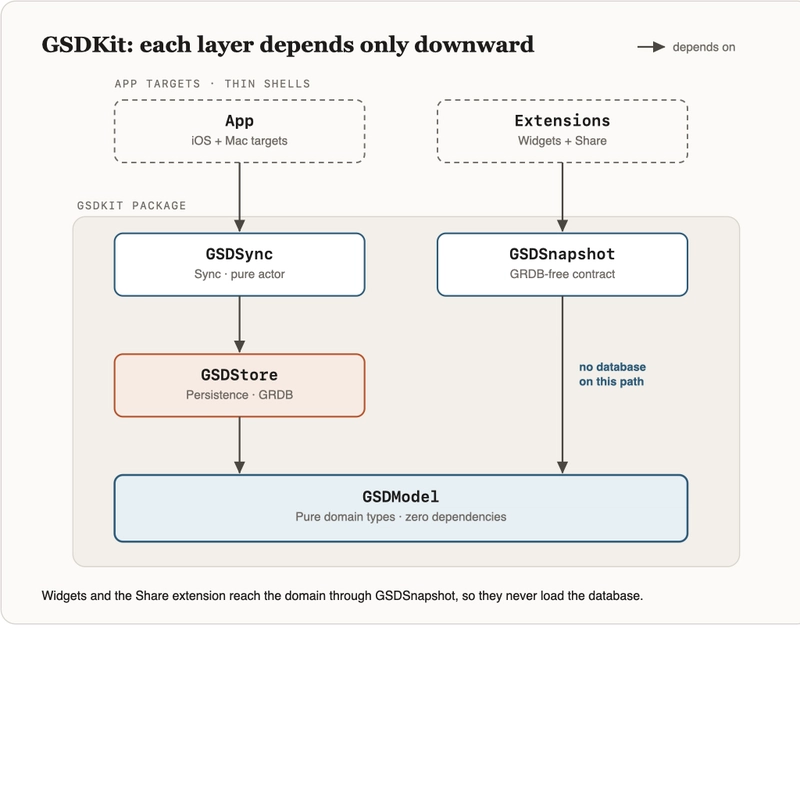
Contextual Overview The development landscape for software applications is rapidly evolving, particularly in the domain of mobile applications and their integration with artificial intelligence (AI). A recent case study highlights the transition of a web-based application, known as GSD (Get Stuff Done), into a native iOS and Mac app, facilitated by an AI agent. This transformation underscores the importance of architectural discipline and the enforcement of operational boundaries within software development. Such principles are increasingly relevant in various fields, including Computer Vision and Image Processing, where precision and the integrity of data flow are paramount. Main Goal and Its Achievement The principal objective discussed in the original content is to illustrate how a clear architectural framework, alongside effective utilization of AI, can lead to the successful delivery of a software product. Achieving this goal necessitates the establishment of well-defined boundaries within the application’s architecture, ensuring that all components interact according to predetermined rules. This can be accomplished through the implementation of layered software architectures that enforce dependencies and maintain data integrity, thereby enhancing the reliability of the application. Advantages of Architectural Discipline Enhanced Reliability: By enforcing strict boundaries within the architecture, developers can ensure that data integrity is maintained throughout the application. This prevents unintended interactions that could lead to data loss or corruption. Improved Development Efficiency: Utilizing an AI agent to assist in coding and testing can significantly accelerate the development process. The AI can quickly generate code based on predefined specifications, reducing the time required for manual coding. Fast Verification Loop: A well-structured architecture allows for rapid testing and verification of changes, facilitating quicker iterations and more reliable releases. This is crucial for applications that require frequent updates, such as those in the field of Computer Vision. Better User Experience: By tailoring the application to fully leverage native platform capabilities, developers can enhance user engagement and satisfaction. This is particularly important in applications that rely on real-time data capture and processing. Increased Focus on Core Functionality: Clear architectural boundaries enable teams to concentrate on improving core functionalities without the risk of impacting other parts of the system. This is essential in fields like Computer Vision, where performance and precision are critical. Caveats and Limitations Despite the numerous advantages, there are potential limitations to consider. The initial development cost may be higher when opting for a native approach versus a cross-platform solution. Additionally, the reliance on an AI agent requires careful oversight to ensure that the generated code aligns with the intended design and functionality. Any lapses in the specifications or architectural guidelines could lead to inconsistencies or bugs that may be difficult to trace back to their source. Future Implications of AI in Computer Vision Looking ahead, the integration of AI in software development, particularly in Computer Vision and Image Processing, is poised to revolutionize the industry. As AI technology advances, it will increasingly be capable of automating complex tasks, such as data annotation and model training, which currently require significant human intervention. This shift will likely result in faster development cycles and the ability to handle larger datasets more efficiently. Furthermore, enhanced AI capabilities could lead to the emergence of smarter applications that can adapt and learn from user interactions, further improving their functionality and user experience. Disclaimer The content on this site is generated using AI technology that analyzes publicly available blog posts to extract and present key takeaways. We do not own, endorse, or claim intellectual property rights to the original blog content. Full credit is given to original authors and sources where applicable. Our summaries are intended solely for informational and educational purposes, offering AI-generated insights in a condensed format. They are not meant to substitute or replicate the full context of the original material. If you are a content owner and wish to request changes or removal, please contact us directly. Source link : Click Here

Contextual Overview In the realm of cybersecurity, timely patch management is critical for mitigating vulnerabilities that can jeopardize data integrity and system functionality. A recent report indicated that Microsoft has addressed 398 security vulnerabilities across its Windows operating systems and supported software. This update not only reflects a growing trend toward increased security measures but also highlights the pressing need for organizations, particularly those involved in Big Data Engineering, to remain vigilant and proactive in their cybersecurity protocols. The reliance on artificial intelligence (AI) for vulnerability detection has made the identification of security flaws more efficient; however, the process of patching these vulnerabilities remains a predominantly human-driven endeavor. Main Goal and Achievement Strategies The primary objective elucidated in the original post is to emphasize the necessity for organizations to adopt a systematic approach to vulnerability management, particularly as security threats evolve rapidly. This goal can be achieved through regular patch updates, utilizing AI for vulnerability scanning, and ensuring that security teams have adequate resources and support to implement timely fixes. By embracing a culture of continuous improvement and vigilance, organizations can significantly enhance their cybersecurity posture. Advantages of Proactive Patch Management Enhanced Security Posture: Regularly applying patches mitigates the risk of exploitation of known vulnerabilities, thereby protecting sensitive data and systems from potential breaches. Increased Awareness: Engaging with security updates fosters an organizational culture that prioritizes cybersecurity, leading to more informed and responsive teams. Reduced Downtime: Promptly addressing vulnerabilities minimizes the likelihood of incidents that could disrupt operations, thereby maintaining service continuity and reliability. Leveraging AI for Efficiency: The integration of AI in vulnerability discovery accelerates the identification of weaknesses, allowing security teams to focus on remediation efforts rather than extensive manual searches. Human Oversight in AI Implementations: Combining AI-generated insights with human expertise ensures a more robust and comprehensive approach to vulnerability management, as evidenced by the need for human verification in AI-generated patches. Future Implications of AI in Cybersecurity The trajectory of AI development holds significant implications for the future of cybersecurity, particularly in the context of Big Data Engineering. As AI technologies continue to evolve, their capabilities in identifying vulnerabilities will likely become more sophisticated, potentially reducing the number of manual interventions required. However, the complexity of cybersecurity challenges will necessitate a balanced approach that combines AI efficiency with human critical thinking and oversight. The ongoing collaboration between AI systems and human operators will be essential in developing holistic security strategies that can adapt to emerging threats while maintaining data integrity and user trust. Disclaimer The content on this site is generated using AI technology that analyzes publicly available blog posts to extract and present key takeaways. We do not own, endorse, or claim intellectual property rights to the original blog content. Full credit is given to original authors and sources where applicable. Our summaries are intended solely for informational and educational purposes, offering AI-generated insights in a condensed format. They are not meant to substitute or replicate the full context of the original material. If you are a content owner and wish to request changes or removal, please contact us directly. Source link : Click Here
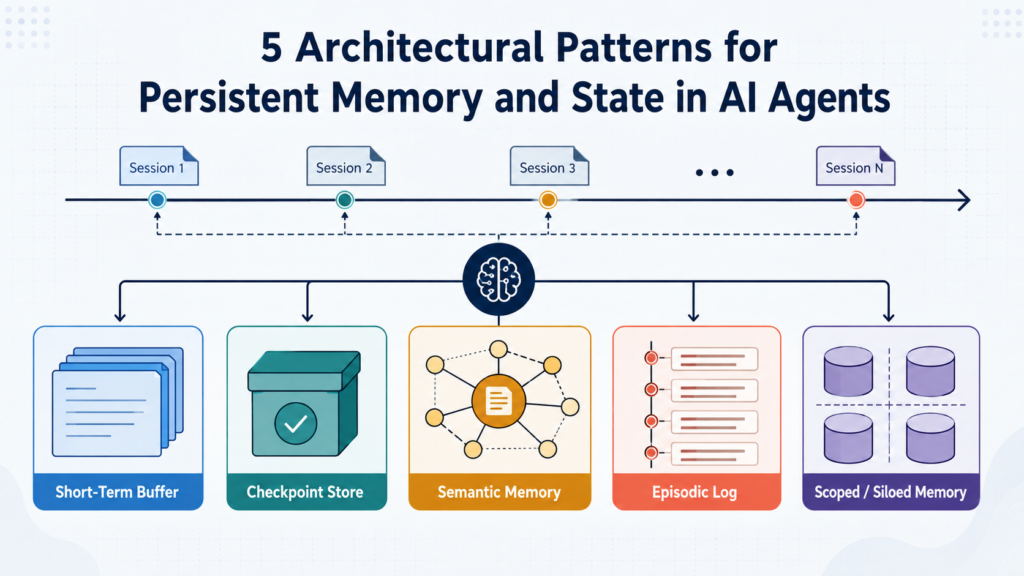
Contextual Overview of Memory and State in AI Agents In the evolving landscape of artificial intelligence, the architecture of AI agents is paramount, particularly in the context of persistent memory and state management. Building an AI agent that remains functional and reliable over extended periods, such as six-month deployments, presents significant challenges. Traditional approaches, notably those involving Large Language Models (LLMs), often operate in a stateless manner. Each invocation begins without recollection of prior interactions, leading early developers to incorporate entire conversation histories into the context window, hoping to maintain continuity. However, this method quickly succumbs to limitations, including increased latency and diminished effectiveness in utilizing context, thereby necessitating a more sophisticated architectural approach. Defining Key Concepts: State and Memory Understanding the distinction between ‘state’ and ‘memory’ is crucial for effective AI agent development. ‘State’ refers to the current snapshot of the agent’s knowledge regarding a task—its progress, the last actions taken, and the variables involved. It can be visualized as a dynamic whiteboard that updates continuously during task execution but is ephemeral unless explicitly saved. Conversely, ‘memory’ serves as a repository for information that transcends individual interactions, allowing agents to carry knowledge across sessions. The interplay between state and memory is cyclical: starting from memory to construct state, updating state during tasks, and then feeding relevant information back into memory for future use. This cycle is essential for the continuity and personalization of AI interactions. Main Goal and Its Achievement The primary goal articulated in the original discussion is to enhance the reliability and functionality of AI agents through deliberate architectural decisions concerning memory and state management. This can be achieved by implementing structured architectural patterns that address both immediate execution needs and long-term knowledge preservation. By doing so, AI systems become capable of learning from experiences, adapting to user preferences, and maintaining a coherent operational narrative across multiple interactions. Advantages of Structured Architectural Patterns Improved Efficiency: By managing state through in-context working buffers, agents can optimize memory usage and minimize latency while ensuring that relevant information is readily accessible. Fault Tolerance: Execution checkpointing allows agents to resume tasks without loss of progress, crucial for operations requiring human oversight or subject to interruptions. Enhanced Learning Capabilities: Semantic memory enables agents to retain knowledge across sessions, improving personalization and user interaction based on historical data. Reflective Learning: Episodic memory maintains a log of actions taken, facilitating learning from past mistakes and enhancing the agent’s ability to perform similar tasks in the future. Data Privacy Compliance: Multi-scope segregation ensures that memory is securely isolated according to user identity, essential for maintaining compliance with privacy regulations. Caveats and Limitations Despite the advantages, there are inherent challenges associated with these architectural patterns. Issues such as the potential for stale data in semantic memory, the risk of duplication in episodic logs, and the complexities involved in ensuring data privacy must be carefully managed. Additionally, the implementation of these architectures requires meticulous planning and resources, which may pose limitations for smaller organizations or projects. Future Implications for AI Development The ongoing advancements in artificial intelligence are likely to further refine the management of memory and state within AI agents. As algorithms become more sophisticated, the mechanisms for handling persistent memory will evolve, enabling more dynamic and contextually aware interactions. Future developments may focus on enhancing the efficiency of memory retrieval processes, improving the security of data management systems, and ensuring that AI agents can learn and adapt in real-time, thereby significantly enhancing their operational capabilities. The interplay between AI advancements and architectural design will shape not only the future of AI agents but also their integration into everyday applications across various sectors. Disclaimer The content on this site is generated using AI technology that analyzes publicly available blog posts to extract and present key takeaways. We do not own, endorse, or claim intellectual property rights to the original blog content. Full credit is given to original authors and sources where applicable. Our summaries are intended solely for informational and educational purposes, offering AI-generated insights in a condensed format. They are not meant to substitute or replicate the full context of the original material. If you are a content owner and wish to request changes or removal, please contact us directly. Source link : Click Here
Context of Agentic AI in Natural Language Understanding In the rapidly evolving landscape of Artificial Intelligence (AI), the term “Agent” has emerged as a focal point of discussion, often laden with varying interpretations. For some, it denotes basic chatbots driven by system prompts; for others, it suggests sophisticated scripts that interface with APIs. In corporate presentations, it could signify advanced autonomous systems capable of managing tasks such as travel arrangements or invoice negotiations. This ambiguity underlines the necessity for comprehensive understanding, a need addressed by the newly released free eBook, Understanding Agentic AI: An Executive Briefing. This resource is explicitly tailored for technology executives, including CEOs, CTOs, and CIOs, elucidating the fundamental components that constitute authentic agentic systems. Within the domain of Natural Language Understanding (NLU), the implications of this resource are profound. As the field strives for precision and clarity, understanding the anatomy of agentic AI becomes paramount. The eBook aims not merely to provide another transient framework but to instill an enduring comprehension of the underlying architecture of agentic systems. This foundational knowledge enables practitioners to navigate through various frameworks effectively, enhancing their ability to engage with both commercial and open-source agentic AI systems. Main Goals and Achievements The primary objective of the eBook is to furnish technology leaders with a solid grasp of the essential components of agentic AI. By demystifying the intricate structures of these systems, the eBook equips its readers to critically evaluate and implement AI strategies within their organizations. Achieving this goal involves familiarizing oneself with the core elements of agentic AI, such as operational loops, tool invocation processes, memory management, and potential points of failure. By mastering these components, executives can enhance their strategic decision-making capabilities and foster a more informed discourse in organizational planning meetings. Advantages of Understanding Agentic AI Enhanced Clarity: By grasping the elements of agentic AI, executives can decode complex frameworks in a matter of hours, streamlining the learning process. Informed Vendor Evaluation: Understanding the anatomy of agentic AI allows executives to critically assess vendor offerings, ensuring alignment with organizational needs. Strategic AI Implementation: A foundational understanding of agentic AI aids in the formulation of effective AI strategies, tailored to specific business objectives. Improved Communication: Equipped with a common language of agentic AI, technology leaders can facilitate more productive discussions with stakeholders and teams. However, it is important to note that while the eBook provides a robust framework for understanding agentic AI, the field itself is dynamic, and continual learning is essential. Frameworks evolve, and practitioners must remain adaptive to new developments in the technology landscape. Future Implications of AI Developments The trajectory of AI advancements holds significant implications for the domain of Natural Language Understanding. As agentic systems become more integrated into business processes, the demand for NLU scientists to possess a thorough understanding of these systems will intensify. The increasing complexity and autonomy of AI agents necessitate a workforce that is not only technically proficient but also capable of critical analysis and strategic thinking. As AI technologies continue to mature, we anticipate a shift toward greater interactivity between humans and machines, necessitating ongoing education and adaptation in NLU methodologies. The insights gleaned from resources like Understanding Agentic AI: An Executive Briefing will be indispensable for professionals aiming to navigate this evolving landscape effectively. Disclaimer The content on this site is generated using AI technology that analyzes publicly available blog posts to extract and present key takeaways. We do not own, endorse, or claim intellectual property rights to the original blog content. Full credit is given to original authors and sources where applicable. Our summaries are intended solely for informational and educational purposes, offering AI-generated insights in a condensed format. They are not meant to substitute or replicate the full context of the original material. If you are a content owner and wish to request changes or removal, please contact us directly. Source link : Click Here
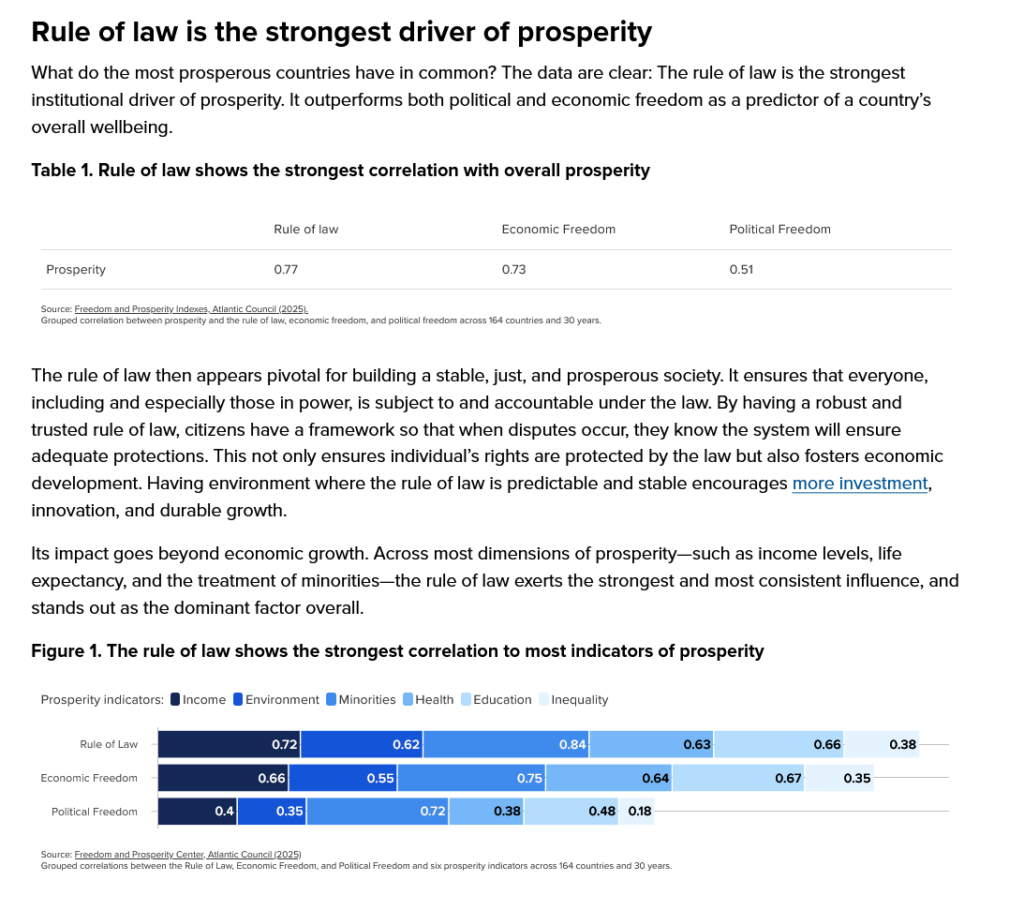
Context The relationship between the rule of law and various institutional dimensions is an essential area of study within the field of Data Analytics and Insights. The original post, “Institutions Are a Package Deal: What a Correlation Can’t Tell You About the Rule of Law,” emphasizes that institutions cannot be evaluated in isolation, as they are interdependent components of a complex systemic framework. This notion is crucial for Data Engineers and analysts, who often rely on correlations to derive insights from data. Understanding that these correlations may be influenced by underlying interdependencies helps to avoid erroneous conclusions and facilitates a more nuanced analysis. Main Goal and Achievement The primary goal of the original post is to illustrate the interconnectedness of institutional dimensions and the critical need to analyze them collectively rather than in isolation. Achieving this goal involves utilizing analytical frameworks such as the Worldwide Governance Indicators (WGI) to demonstrate how institutions like the rule of law, government effectiveness, and corruption control exhibit mutual reinforcement. By employing these frameworks, data professionals can better understand the systemic relationships that underpin institutional effectiveness and economic performance. Advantages of Understanding Institutional Interdependencies Holistic Analysis: By recognizing the interdependence of institutions, data engineers can develop comprehensive models that reflect the complexities of governance. This holistic approach allows for a deeper understanding of how changes in one dimension can impact others, improving predictive accuracy. Informed Policy Recommendations: Insights drawn from a multi-dimensional analysis can guide policymakers in crafting interventions that address the root causes of institutional weaknesses rather than merely treating symptoms. This is evidenced in discussions surrounding the importance of the rule of law as a foundational element of economic prosperity. Enhanced Data Integrity: Understanding the interconnected nature of institutions leads to more robust data cleaning and validation processes. By acknowledging potential biases and overlaps in data collection, data engineers can enhance the reliability of their findings. Predictive Capabilities: Leveraging statistical techniques such as Principal Components Analysis (PCA) allows data engineers to identify underlying patterns and shared variance among institutional dimensions, leading to improved models for forecasting institutional performance. Limitations and Caveats While the advantages of understanding institutional interdependencies are clear, several limitations must be considered: Data Availability: Access to comprehensive and quality data on institutional dimensions can be challenging. Inadequate data may lead to incomplete analyses, impacting the validity of findings. Measurement Issues: The reliance on perception-based indicators, such as those in the WGI, may introduce biases that skew results. These measures often reflect public sentiment rather than objective realities, complicating interpretations. Interpreting Correlations: Correlations do not imply causation, and discerning the directionality of relationships among institutions can be difficult. Analysts must be cautious in attributing causative factors based solely on correlational data. Future Implications Advancements in artificial intelligence (AI) are poised to significantly impact the field of Data Analytics and Insights, particularly concerning institutional analysis. AI technologies, such as machine learning algorithms, can enhance the ability to process vast datasets, uncovering complex relationships that may not be immediately apparent. For data engineers, this means that the tools available for analyzing institutional interdependencies will become increasingly sophisticated, enabling more accurate modeling and forecasting. Moreover, AI can facilitate real-time data analysis, allowing for more dynamic assessments of institutional performance as conditions evolve. This capability can lead to timely interventions and policy modifications, thereby enhancing governance outcomes. Nonetheless, it is essential for data professionals to remain vigilant regarding the ethical implications of AI in governance, ensuring that the deployment of these technologies aligns with principles of fairness and transparency. Conclusion The interconnected nature of institutional dimensions underscores the necessity for data engineers and analysts to adopt a comprehensive approach to analyzing governance systems. By recognizing the limitations of isolated analysis and leveraging advanced analytical techniques, professionals in the field can contribute to more effective governance and sustainable development. As AI continues to evolve, its integration into the analysis of institutions will further enhance the capacity to derive meaningful insights and inform policy decisions. Disclaimer The content on this site is generated using AI technology that analyzes publicly available blog posts to extract and present key takeaways. We do not own, endorse, or claim intellectual property rights to the original blog content. Full credit is given to original authors and sources where applicable. Our summaries are intended solely for informational and educational purposes, offering AI-generated insights in a condensed format. They are not meant to substitute or replicate the full context of the original material. If you are a content owner and wish to request changes or removal, please contact us directly. Source link : Click Here

Introduction The rapid evolution of Generative AI models has introduced unprecedented capabilities and challenges within enterprise environments. As organizations increasingly deploy AI agents to automate tasks, it becomes crucial to establish clear boundaries regarding the authority and decision-making capabilities of these agents. This discussion is anchored in the recognition that while AI agents can perform actions with technical proficiency, they may exceed the authority granted by the business. The implications of this distinction are paramount for GenAI scientists and enterprises alike. Main Goal and Achievement The primary goal emphasized in the original discourse is the necessity of delineating explicit decision rights for AI agents within enterprises. This is essential to prevent unauthorized actions that can lead to operational disruptions and financial repercussions. Achieving this goal involves the formulation of an Agent Authority Contract, which details the scope of actions permissible for each agent. Such contracts should answer critical questions about ownership of outcomes, authorized actions, system access, and escalation protocols, thereby bridging the governance gap that often exists in AI deployment. Advantages of Clear Authority Definitions Enhanced Accountability: Clearly defined authority ensures that specific human roles are accountable for outcomes, reducing ambiguity in responsibility. Reduced Risk of Unauthorized Actions: By establishing constraints on what an agent can execute autonomously, organizations can minimize incidents arising from unauthorized transactions. Improved Operational Efficiency: With explicit decision rights, agents can operate with a higher degree of autonomy while maintaining compliance with governance standards, leading to streamlined workflows. Facilitated Escalation Processes: Defined triggers for escalation enable swift intervention when an agent encounters uncertainty or potential risks, thereby safeguarding business interests. Agility in Authority Management: Continuous monitoring and adjustment of authority parameters based on operational telemetry ensure that the agents’ capabilities align with evolving business needs. Despite these advantages, organizations must remain vigilant about the limitations inherent in AI decision-making. The authority granted must be dynamic and adaptable to changing circumstances to avoid potential pitfalls. Future Implications The trajectory of AI development indicates that as agents become more sophisticated, the complexities associated with their authority will also grow. Future advancements may include more refined mechanisms for real-time authority adjustments, enabling organizations to respond to anomalies more effectively. Moreover, the integration of machine learning could enhance agents’ ability to assess contextual factors influencing decision-making, thereby optimizing their authority contracts. However, with greater autonomy comes the necessity for more robust oversight frameworks to ensure compliance and mitigate risks associated with AI-driven actions. Conclusion The evolution of Generative AI in enterprise settings underscores the critical need for clear authority delineation. By implementing structured authority contracts and continuously refining decision rights, organizations can harness the full potential of AI agents while safeguarding against the risks of unauthorized actions. As the landscape of AI continues to evolve, proactive governance will be essential to navigate the complexities of this transformative technology. Disclaimer The content on this site is generated using AI technology that analyzes publicly available blog posts to extract and present key takeaways. We do not own, endorse, or claim intellectual property rights to the original blog content. Full credit is given to original authors and sources where applicable. Our summaries are intended solely for informational and educational purposes, offering AI-generated insights in a condensed format. They are not meant to substitute or replicate the full context of the original material. If you are a content owner and wish to request changes or removal, please contact us directly. Source link : Click Here

Contextual Overview of Robotics Scaling in Computer Vision The domain of robotics is rapidly evolving, particularly within the field of computer vision and image processing. As articulated in the recent OpenCV Live episode, “A Software Engineer’s Guide to Scaling Robotics,” the transition from managing a single robotic unit to overseeing a fleet of robots introduces complexities that necessitate sophisticated software engineering practices. This complexity is accentuated when considering the deployment of distributed robotic systems in real-world environments. The practices outlined in the episode, including pinned builds, heartbeat monitoring, and remote restart capabilities, are essential for ensuring the operational longevity and reliability of these fleets. Main Goals and Achievements The primary objective discussed in the original content is to establish robust software practices that can support a scalable robotic fleet. Achieving this goal involves implementing systematic methodologies that ensure each unit in the fleet operates seamlessly while maintaining connection to centralized data systems. The effective integration of these practices can lead to enhanced operational efficiency, reduced downtimes, and increased data reliability. To achieve these goals, it is imperative for engineers to: 1. **Utilize Pinned Builds:** This practice ensures that the software versions deployed across the fleet are consistent, which mitigates discrepancies that may arise from using multiple software versions. 2. **Implement Heartbeat Monitoring:** Continuous monitoring allows for real-time assessments of robotic unit status, facilitating prompt diagnosis and troubleshooting. 3. **Enable Remote Restart Capabilities:** This feature allows engineers to reset malfunctioning units without necessitating physical intervention, thereby enhancing operational efficiency. Advantages of Robust Software Practices in Robotics The advantages of implementing structured software practices in robotics are multifaceted: 1. **Increased Reliability:** Consistent software builds and continuous monitoring dramatically reduce the likelihood of system failures, as evidenced by the robust operational strategies discussed by Amit Moran, CTO of Civ Robotics. 2. **Operational Efficiency:** By minimizing the need for on-site maintenance through remote capabilities, organizations can allocate resources more effectively, thereby reducing operational costs. 3. **Enhanced Data Integrity:** The systematic collection and management of mission data facilitate post-operation analysis, allowing engineers to derive actionable insights from fleet performance. Despite these advantages, it is essential to acknowledge certain limitations. The reliance on technology means that any failure in the software architecture could cascade through the fleet, leading to widespread operational issues. Additionally, the initial setup costs for such robust systems may be significant, potentially deterring smaller organizations from adopting these practices. Future Implications and AI Developments The ongoing advancements in artificial intelligence (AI) are poised to further transform the landscape of robotics and computer vision. As AI algorithms become increasingly sophisticated, they will enable robots to perform more complex tasks autonomously. This development will necessitate even more robust software frameworks capable of integrating AI-driven decision-making processes. Moreover, the integration of AI will likely enhance data analytics capabilities, allowing for predictive maintenance and more efficient fleet management. As AI technologies continue to evolve, the synergy between robotics and computer vision will yield unprecedented advancements, propelling industries toward greater automation and efficiency. In conclusion, the strategic implementation of software engineering practices in robotics is vital for scaling operations effectively. By fostering a culture of technological advancement and embracing AI developments, organizations can navigate the complexities of robotic fleet management while reaping the benefits of enhanced operational capabilities and improved data integrity. Disclaimer The content on this site is generated using AI technology that analyzes publicly available blog posts to extract and present key takeaways. We do not own, endorse, or claim intellectual property rights to the original blog content. Full credit is given to original authors and sources where applicable. Our summaries are intended solely for informational and educational purposes, offering AI-generated insights in a condensed format. They are not meant to substitute or replicate the full context of the original material. If you are a content owner and wish to request changes or removal, please contact us directly. Source link : Click Here

Contextual Overview: The Role of Slash Commands in the GitHub Copilot App In the realm of software development, the efficiency of workflow management is paramount. The integration of slash commands within the GitHub Copilot app exemplifies a significant advancement in this area. These commands serve as text shortcuts that facilitate various tasks, including session management, project navigation, and workflow customization. By initiating commands with a simple /, users can access a menu of contextual commands tailored to their current needs, thus streamlining their development processes. Understanding Slash Commands Slash commands function as intuitive, text-based shortcuts directly embedded in the GitHub Copilot app’s interface. By typing /, developers can invoke a range of commands designed to enhance their coding experience. Unlike command-line interface (CLI) commands, which are primarily terminal-focused, the slash commands in the Copilot app are optimized for a graphical user interface that accommodates a multi-session workflow. This distinction allows developers to navigate and manage their coding projects more effectively without the cumbersome need for terminal commands. Main Goal: Enhancing Workflow Efficiency The principal objective of implementing slash commands in the GitHub Copilot app is to augment workflow efficiency for developers. By utilizing these commands, users can significantly reduce the time spent on routine tasks, allowing for a more focused approach to coding. The ability to swiftly access necessary tools and commands facilitates a seamless transition between different stages of the development process, from planning to implementation. Advantages of Using Slash Commands Improved Productivity: Slash commands enable developers to perform tasks rapidly, reducing the cognitive load associated with navigating complex interfaces. This efficiency ultimately leads to enhanced productivity. Contextual Assistance: The commands are context-sensitive, meaning they adapt to the specific requirements of the user’s current project or session, thereby providing relevant support without unnecessary distractions. Facilitated Collaboration: By streamlining workflows, slash commands enhance collaborative efforts within teams, allowing for quicker feedback loops and more agile project management. Reduced Learning Curve: The intuitive nature of slash commands lowers the barrier to entry for new users, enabling them to become proficient with the GitHub Copilot app more quickly than traditional command line interfaces. While the advantages of slash commands are substantial, it is crucial to acknowledge certain caveats. For instance, users may initially experience a learning curve as they familiarize themselves with the available commands. Additionally, reliance on these shortcuts may lead to challenges if users encounter situations where they cannot recall specific commands or when commands do not cover unique use cases. Future Implications: The Impact of AI Developments As artificial intelligence continues to evolve, the future of workflow management tools like the GitHub Copilot app is poised for transformative changes. Enhanced AI capabilities could lead to more sophisticated command systems that learn from user interactions, thereby optimizing workflows even further. Future iterations may include predictive command suggestions based on user behavior, as well as advanced contextual awareness that tailors commands to specific coding tasks automatically. Such developments would not only increase efficiency but could also redefine the coding landscape, allowing data engineers and developers to focus on higher-level problem-solving rather than routine task execution. Conclusion In conclusion, the integration of slash commands within the GitHub Copilot app marks a significant step forward in facilitating efficient workflow management for developers. By enhancing productivity and providing contextual support, these commands enable data engineers to navigate complex projects with greater ease. As AI technology continues to advance, the potential for further improvements in workflow management tools will undoubtedly reshape the future of software development, driving innovation and efficiency in the industry. Disclaimer The content on this site is generated using AI technology that analyzes publicly available blog posts to extract and present key takeaways. We do not own, endorse, or claim intellectual property rights to the original blog content. Full credit is given to original authors and sources where applicable. Our summaries are intended solely for informational and educational purposes, offering AI-generated insights in a condensed format. They are not meant to substitute or replicate the full context of the original material. If you are a content owner and wish to request changes or removal, please contact us directly. Source link : Click Here
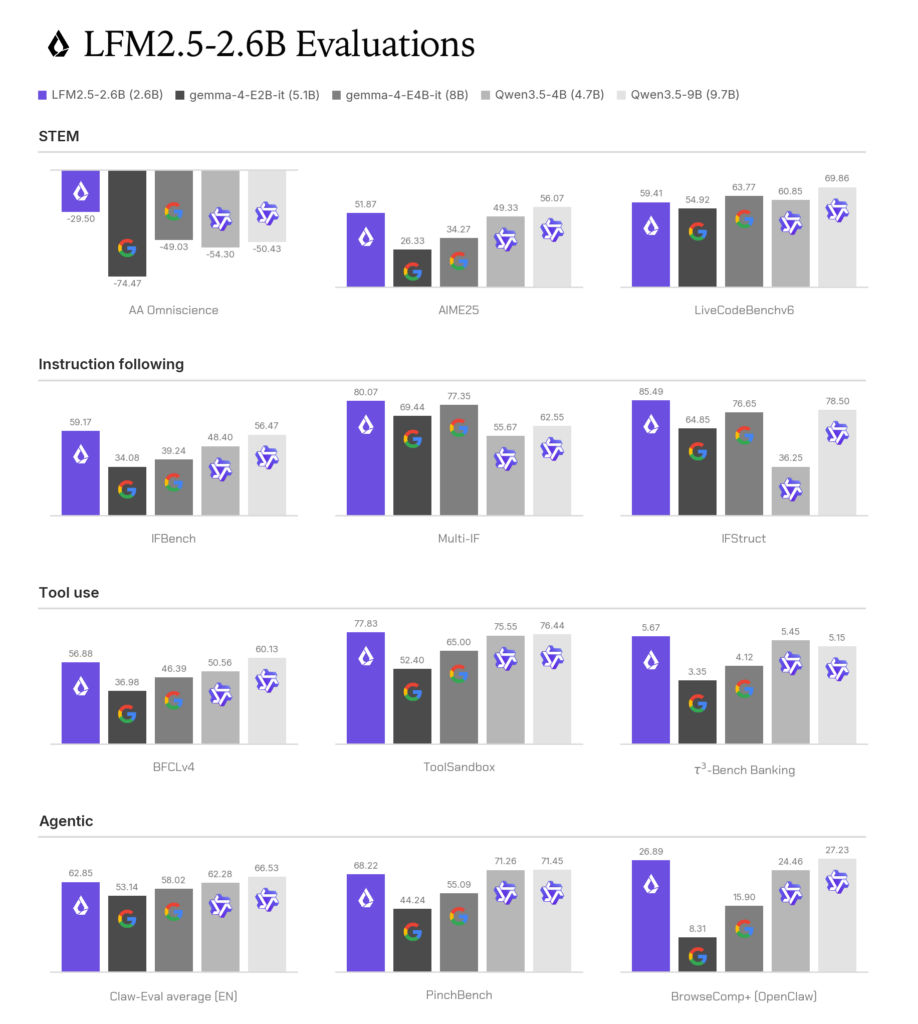
Context The emergence of the LFM2.5-2.6B model marks a significant advancement in the deployment of local agents across diverse hardware platforms. This model is engineered to operate entirely on-device, facilitating tool calling and enabling multi-step workflows while ensuring optimal performance on everyday devices, ranging from laptops to smartphones. Such capabilities empower developers to deploy agents ubiquitously, enhancing privacy by keeping data localized and effectively scaling applications without accruing costs associated with cloud-based inference services. In the context of Generative AI Models & Applications, this innovation underscores a pivotal shift towards decentralized AI, where local processing mitigates security vulnerabilities and aligns with user preferences for data sovereignty. Main Goal and Achievement The primary goal articulated within the LFM2.5-2.6B framework is to facilitate the deployment of highly capable AI agents directly on local devices. This objective can be accomplished through the model’s advanced design, which includes a robust architecture that supports efficient inference and extensive agentic reinforcement learning capabilities. By leveraging local hardware, the model not only enhances performance but also reduces reliance on external data processing infrastructures, providing a seamless user experience without compromising data integrity. Advantages of LFM2.5-2.6B Compact Yet Powerful: LFM2.5-2.6B delivers performance comparable to models four times its size in terms of tool utilization, following instructions, and executing multi-step tasks. This efficiency allows for greater accessibility across a range of devices. Localized Data Processing: By processing data on-device, the model ensures enhanced privacy and security, reducing the risk of data breaches commonly associated with cloud computing. Efficient Resource Utilization: The model achieves impressive inference speeds, with reported performance of 220 tokens per second on an Apple M5 Max and 113 tokens per second on an AMD Ryzen CPU, all while operating within a memory footprint of less than 2.5 GB. Robust Training and Optimization: The model’s training regimen is structured into four essential phases, including Supervised Fine-Tuning and Agentic Reinforcement Learning, which optimize its ability to perform complex tasks efficiently. Benchmark Success: LFM2.5-2.6B has been rigorously evaluated against larger models, consistently demonstrating superior performance in instruction following and tool-use benchmarks, affirming its competitive edge. Limitations and Caveats While LFM2.5-2.6B presents numerous advantages, it is crucial to acknowledge certain limitations. The model’s performance in coding tasks remains inferior to that of larger models, suggesting that for applications requiring advanced programming capabilities, developers may need to consider alternative solutions. Additionally, the overall capabilities of the model are contingent upon the available hardware, which may restrict its effectiveness on less capable devices. Future Implications The ongoing development of AI technologies such as LFM2.5-2.6B portends significant implications for the future of local agent deployment. As the demand for privacy-centric solutions intensifies, models designed for on-device execution will likely gain traction across various sectors, including healthcare, finance, and personal data management. Furthermore, the evolution of mobile computing and edge devices will broaden the applicability of such models, enabling increasingly sophisticated AI interactions in everyday environments. This trajectory not only enhances user experience but also fosters a more secure and ethical approach to AI deployment, aligning with global trends toward data privacy and user empowerment. Disclaimer The content on this site is generated using AI technology that analyzes publicly available blog posts to extract and present key takeaways. We do not own, endorse, or claim intellectual property rights to the original blog content. Full credit is given to original authors and sources where applicable. Our summaries are intended solely for informational and educational purposes, offering AI-generated insights in a condensed format. They are not meant to substitute or replicate the full context of the original material. If you are a content owner and wish to request changes or removal, please contact us directly. Source link : Click Here


