In recent years, the exponential growth of the electric vehicle (EV) market has necessitated the development of innovative recycling techniques to manage the growing volume of used batteries. A significant breakthrough has emerged from Japan, where researchers have devised a new methodology to recover as much as 90% of lithium from discarded EV batteries. This advancement not only addresses the pressing issue of battery waste but also aligns with global sustainability efforts, particularly on significant occasions such as Earth Day. By implementing this recovery technique at scale, we could witness transformative changes in how EV batteries are manufactured and reused.
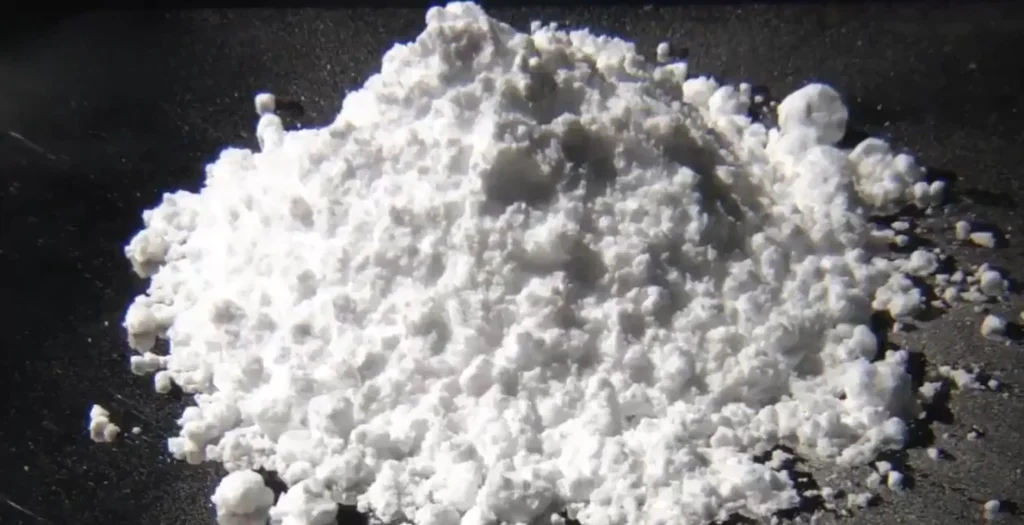
The pioneering method developed by Japanese scientists utilizes a unique chemical process that enhances lithium recovery rates substantially compared to traditional recycling techniques, which typically yield less than 50% of the lithium. Central to this innovative approach is the substitution of standard sodium hydroxide with lithium hydroxide, a critical adjustment that facilitates the conversion of battery waste—commonly referred to as ‘black mass’—into high-purity lithium suitable for reuse in new battery production. This process exemplifies a significant technological leap, underscoring the potential for improved resource management within the burgeoning EV industry.
The primary objective of this development is to create a sustainable and efficient framework for lithium recovery that not only meets the rising demand for EV batteries but also minimizes environmental impact. Achieving this goal requires the widespread adoption of the new recycling methodology, coupled with enhancements in collection infrastructure to ensure that a greater proportion of used lithium-ion batteries enter official recycling systems. Currently, only approximately 14% of such batteries are recycled in Japan, highlighting the need for significant improvements in collection and processing mechanisms.
The advantages of this new lithium recovery method are multifaceted:
1. **High Recovery Rates**: The ability to recover up to 90% of lithium substantially exceeds traditional methods, which often achieve less than 50% recovery.
2. **Environmental Benefits**: The process is projected to reduce carbon emissions by approximately 40% compared to conventional recycling techniques, thereby contributing to global sustainability efforts.
3. **Economic Security**: By reducing reliance on imported lithium and increasing domestic recovery capabilities, Japan can stabilize its supply chains and enhance economic resilience in the face of fluctuating global mineral markets.
4. **Resource Efficiency**: The conversion of black mass into high-purity lithium not only minimizes waste but also maximizes resource utilization, supporting a circular economy in the battery sector.
5. **Scalability Potential**: With planned expansions in production capabilities by 2027, this innovative process has the potential to extract tens of thousands of tons of lithium annually by 2035, creating a significant impact on both local and global scales.
While these advantages are promising, the implementation of such a system is not without challenges. The current low recycling rate indicates that substantial investments in collection infrastructure and public awareness campaigns are essential to facilitate the transition.
Looking ahead, the integration of artificial intelligence (AI) technologies in the lithium recovery process presents exciting possibilities. AI can enhance operational efficiencies by optimizing the sorting and processing of used batteries, predicting maintenance needs, and improving the overall management of recycling facilities. Furthermore, data analytics can provide insights into consumer behavior and battery usage patterns, informing strategies to increase battery collection rates. As AI continues to evolve, its applications in lithium recovery could further streamline the recycling process, reduce costs, and enhance the sustainability of the EV battery lifecycle.
Disclaimer
The content on this site is generated using AI technology that analyzes publicly available blog posts to extract and present key takeaways. We do not own, endorse, or claim intellectual property rights to the original blog content. Full credit is given to original authors and sources where applicable. Our summaries are intended solely for informational and educational purposes, offering AI-generated insights in a condensed format. They are not meant to substitute or replicate the full context of the original material. If you are a content owner and wish to request changes or removal, please contact us directly.
Source link :