In the realm of Natural Language Processing (NLP), the ability to generate structured outputs from Large Language Models (LLMs) has been a significant challenge. Traditionally, obtaining precise formats, such as JSON objects, required a combination of well-crafted prompts and an element of chance. The recent emergence of an innovative open-source library, known as Outlines, promises to transform this landscape. This library is engineered to mitigate common pitfalls associated with LLM outputs—including the infamous phenomenon of hallucinations—by introducing deterministic certainty into the generation process. This article delves into the capabilities of Outlines, with a focus on practical applications using Python.
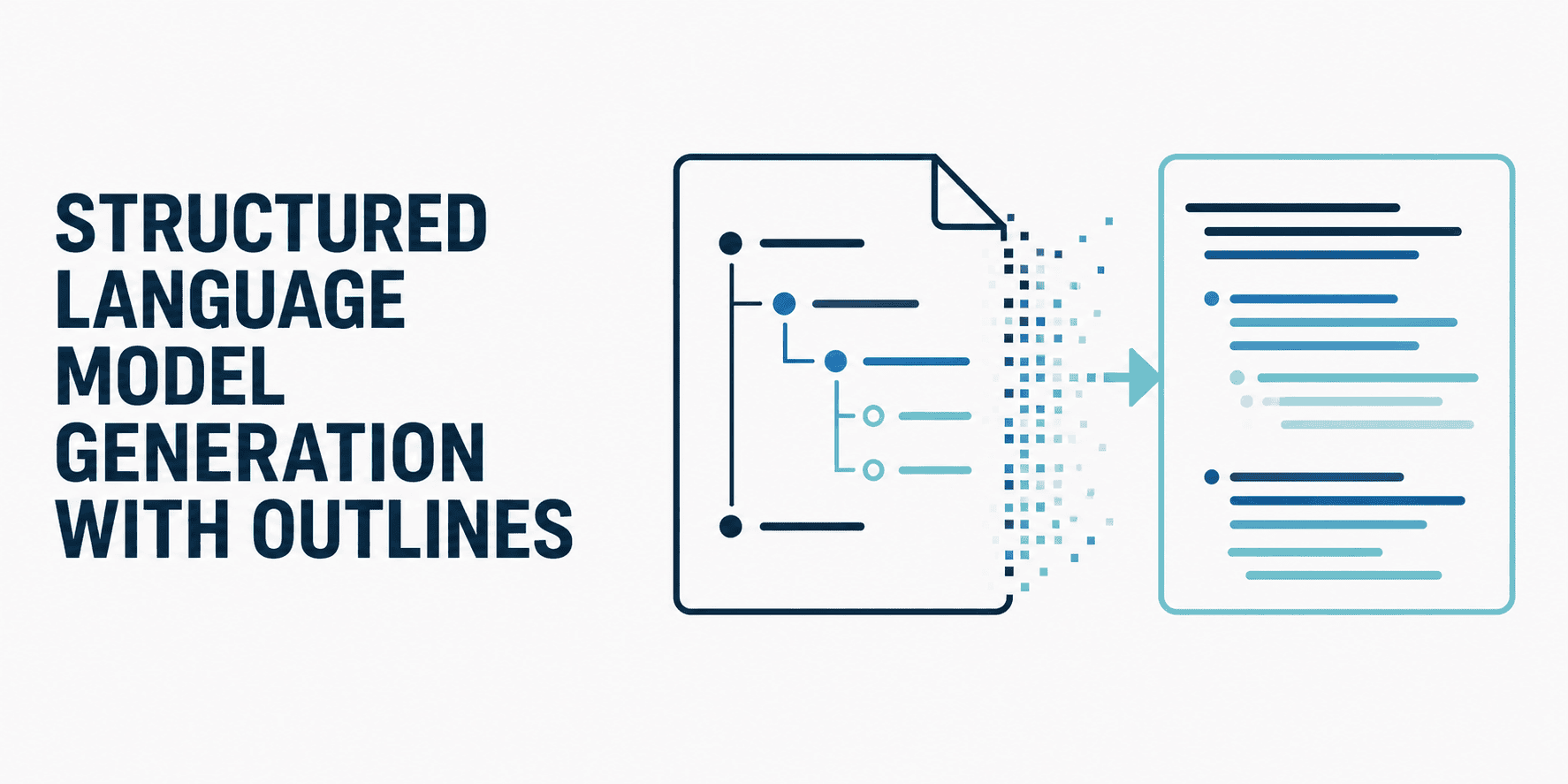
The primary goal of the Outlines library is to enable the generation of structured outputs with a high degree of reliability. At the inference level, Outlines functions by masking syntactically invalid tokens during the output generation phase, rather than attempting to rectify erroneous text post-generation. This mechanism effectively enforces compliance with the desired output format, thus ensuring that the generated content adheres to predefined structures.
The overarching objective of utilizing Outlines is to achieve consistent and structured outputs from LLMs. This is accomplished through the introduction of constraints at the inference stage, compelling the model to generate outputs that strictly follow established formats. By leveraging features such as the generate.choice() function, users can ensure that only valid options are selected from an approved list, thus enhancing the accuracy of generated responses.
Caveats: While Outlines presents numerous advantages, it is essential to acknowledge certain limitations. The library’s effectiveness hinges on the design of the underlying model; poorly trained models may still produce suboptimal results despite the constraints imposed by Outlines. Moreover, the requirement for pre-defined output formats may limit flexibility in more dynamic applications.
The advancements in structured language model generation herald a transformative era for Natural Language Understanding (NLU) and Language Understanding (LU). As AI technologies evolve, we anticipate increasingly sophisticated models capable of generating contextually relevant and structured outputs with minimal supervision. The integration of deterministic output generation will likely lead to enhanced user experiences across various applications, from customer support automation to dynamic content generation. Additionally, as the demand for reliable AI-driven solutions continues to grow, the role of tools like Outlines will be pivotal in bridging the gap between human language and machine understanding.
The advent of the Outlines library represents a significant milestone in the quest for reliable structured outputs from LLMs. By addressing fundamental challenges associated with output generation, Outlines empowers Natural Language Understanding scientists and developers alike to harness the full potential of AI technologies. As we move forward, the implications of these developments will undoubtedly reshape the landscape of NLU, fostering innovations that enhance the interplay between humans and machines.
Disclaimer
The content on this site is generated using AI technology that analyzes publicly available blog posts to extract and present key takeaways. We do not own, endorse, or claim intellectual property rights to the original blog content. Full credit is given to original authors and sources where applicable. Our summaries are intended solely for informational and educational purposes, offering AI-generated insights in a condensed format. They are not meant to substitute or replicate the full context of the original material. If you are a content owner and wish to request changes or removal, please contact us directly.
Source link :