
Optimizing Language Model Output through Structured Outlining Techniques
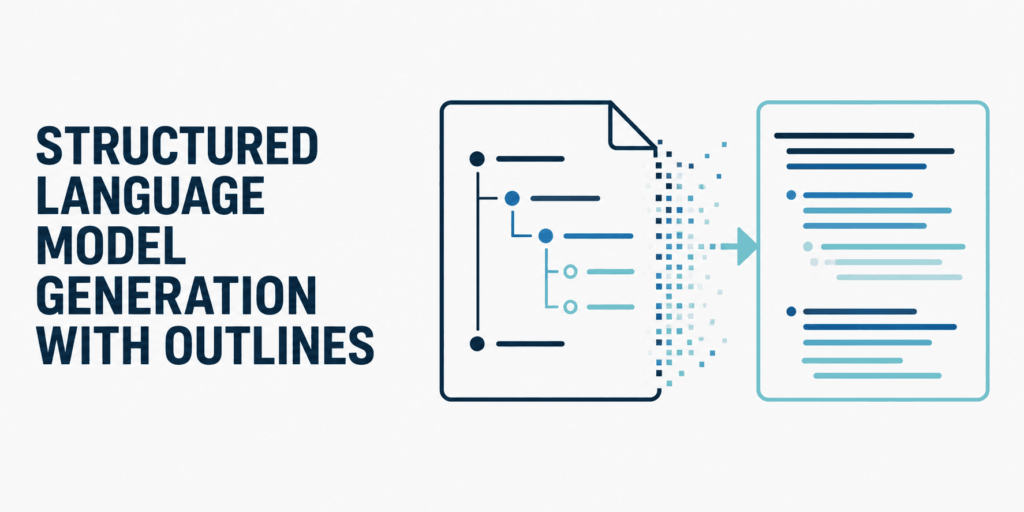
Introduction In the realm of Natural Language Processing (NLP), the ability to generate structured outputs from Large Language Models (LLMs) has been a significant challenge. Traditionally, obtaining precise formats, such as JSON objects, required a combination of well-crafted prompts and an element of chance. The recent emergence of an innovative open-source library, known as Outlines, promises to transform this landscape. This library is engineered to mitigate common pitfalls associated with LLM outputs—including the infamous phenomenon of hallucinations—by introducing deterministic certainty into the generation process. This article delves into the capabilities of Outlines, with a focus on practical applications using Python. Understanding Outlines: Ensuring Structured Outputs The primary goal of the Outlines library is to enable the generation of structured outputs with a high degree of reliability. At the inference level, Outlines functions by masking syntactically invalid tokens during the output generation phase, rather than attempting to rectify erroneous text post-generation. This mechanism effectively enforces compliance with the desired output format, thus ensuring that the generated content adheres to predefined structures. Main Goal and Achievements The overarching objective of utilizing Outlines is to achieve consistent and structured outputs from LLMs. This is accomplished through the introduction of constraints at the inference stage, compelling the model to generate outputs that strictly follow established formats. By leveraging features such as the generate.choice() function, users can ensure that only valid options are selected from an approved list, thus enhancing the accuracy of generated responses. Advantages of Using Outlines Enhanced Output Reliability: By enforcing strict adherence to output formats, Outlines significantly reduces the likelihood of generating incorrect or malformed outputs, thus enhancing the reliability of data-driven applications. Structured Data Generation: The ability to generate structured outputs such as JSON objects simplifies data integration processes for applications like API development, making it easier for developers to work with LLM-generated data. Reduction of Hallucinations: Outlines mitigates the risks associated with hallucinations—erroneous information generated by LLMs—by introducing deterministic generation methods, fostering trust in AI outputs. Ease of Implementation: The library is designed for seamless integration with popular machine learning frameworks, enhancing accessibility for developers and researchers in the NLP field. Caveats: While Outlines presents numerous advantages, it is essential to acknowledge certain limitations. The library’s effectiveness hinges on the design of the underlying model; poorly trained models may still produce suboptimal results despite the constraints imposed by Outlines. Moreover, the requirement for pre-defined output formats may limit flexibility in more dynamic applications. Future Implications of AI Developments The advancements in structured language model generation herald a transformative era for Natural Language Understanding (NLU) and Language Understanding (LU). As AI technologies evolve, we anticipate increasingly sophisticated models capable of generating contextually relevant and structured outputs with minimal supervision. The integration of deterministic output generation will likely lead to enhanced user experiences across various applications, from customer support automation to dynamic content generation. Additionally, as the demand for reliable AI-driven solutions continues to grow, the role of tools like Outlines will be pivotal in bridging the gap between human language and machine understanding. Conclusion The advent of the Outlines library represents a significant milestone in the quest for reliable structured outputs from LLMs. By addressing fundamental challenges associated with output generation, Outlines empowers Natural Language Understanding scientists and developers alike to harness the full potential of AI technologies. As we move forward, the implications of these developments will undoubtedly reshape the landscape of NLU, fostering innovations that enhance the interplay between humans and machines. Disclaimer The content on this site is generated using AI technology that analyzes publicly available blog posts to extract and present key takeaways. We do not own, endorse, or claim intellectual property rights to the original blog content. Full credit is given to original authors and sources where applicable. Our summaries are intended solely for informational and educational purposes, offering AI-generated insights in a condensed format. They are not meant to substitute or replicate the full context of the original material. If you are a content owner and wish to request changes or removal, please contact us directly. Source link : Click Here


Innovative Technique Enables Recovery of Up to 90% Lithium from Decommissioned Electric Vehicle Batteries

Context of Lithium Recovery in Electric Vehicle Batteries In recent years, the exponential growth of the electric vehicle (EV) market has necessitated the development of innovative recycling techniques to manage the growing volume of used batteries. A significant breakthrough has emerged from Japan, where researchers have devised a new methodology to recover as much as 90% of lithium from discarded EV batteries. This advancement not only addresses the pressing issue of battery waste but also aligns with global sustainability efforts, particularly on significant occasions such as Earth Day. By implementing this recovery technique at scale, we could witness transformative changes in how EV batteries are manufactured and reused. A Novel Approach to Lithium Extraction The pioneering method developed by Japanese scientists utilizes a unique chemical process that enhances lithium recovery rates substantially compared to traditional recycling techniques, which typically yield less than 50% of the lithium. Central to this innovative approach is the substitution of standard sodium hydroxide with lithium hydroxide, a critical adjustment that facilitates the conversion of battery waste—commonly referred to as ‘black mass’—into high-purity lithium suitable for reuse in new battery production. This process exemplifies a significant technological leap, underscoring the potential for improved resource management within the burgeoning EV industry. Main Goal and Achievability The primary objective of this development is to create a sustainable and efficient framework for lithium recovery that not only meets the rising demand for EV batteries but also minimizes environmental impact. Achieving this goal requires the widespread adoption of the new recycling methodology, coupled with enhancements in collection infrastructure to ensure that a greater proportion of used lithium-ion batteries enter official recycling systems. Currently, only approximately 14% of such batteries are recycled in Japan, highlighting the need for significant improvements in collection and processing mechanisms. Advantages of Enhanced Lithium Recovery Techniques The advantages of this new lithium recovery method are multifaceted: 1. **High Recovery Rates**: The ability to recover up to 90% of lithium substantially exceeds traditional methods, which often achieve less than 50% recovery. 2. **Environmental Benefits**: The process is projected to reduce carbon emissions by approximately 40% compared to conventional recycling techniques, thereby contributing to global sustainability efforts. 3. **Economic Security**: By reducing reliance on imported lithium and increasing domestic recovery capabilities, Japan can stabilize its supply chains and enhance economic resilience in the face of fluctuating global mineral markets. 4. **Resource Efficiency**: The conversion of black mass into high-purity lithium not only minimizes waste but also maximizes resource utilization, supporting a circular economy in the battery sector. 5. **Scalability Potential**: With planned expansions in production capabilities by 2027, this innovative process has the potential to extract tens of thousands of tons of lithium annually by 2035, creating a significant impact on both local and global scales. While these advantages are promising, the implementation of such a system is not without challenges. The current low recycling rate indicates that substantial investments in collection infrastructure and public awareness campaigns are essential to facilitate the transition. Future Implications: The Role of AI in Lithium Recovery Looking ahead, the integration of artificial intelligence (AI) technologies in the lithium recovery process presents exciting possibilities. AI can enhance operational efficiencies by optimizing the sorting and processing of used batteries, predicting maintenance needs, and improving the overall management of recycling facilities. Furthermore, data analytics can provide insights into consumer behavior and battery usage patterns, informing strategies to increase battery collection rates. As AI continues to evolve, its applications in lithium recovery could further streamline the recycling process, reduce costs, and enhance the sustainability of the EV battery lifecycle. Disclaimer The content on this site is generated using AI technology that analyzes publicly available blog posts to extract and present key takeaways. We do not own, endorse, or claim intellectual property rights to the original blog content. Full credit is given to original authors and sources where applicable. Our summaries are intended solely for informational and educational purposes, offering AI-generated insights in a condensed format. They are not meant to substitute or replicate the full context of the original material. If you are a content owner and wish to request changes or removal, please contact us directly. Source link : Click Here

We'd Love To Hear From You

Transform your business with our AI.

Get In Touch