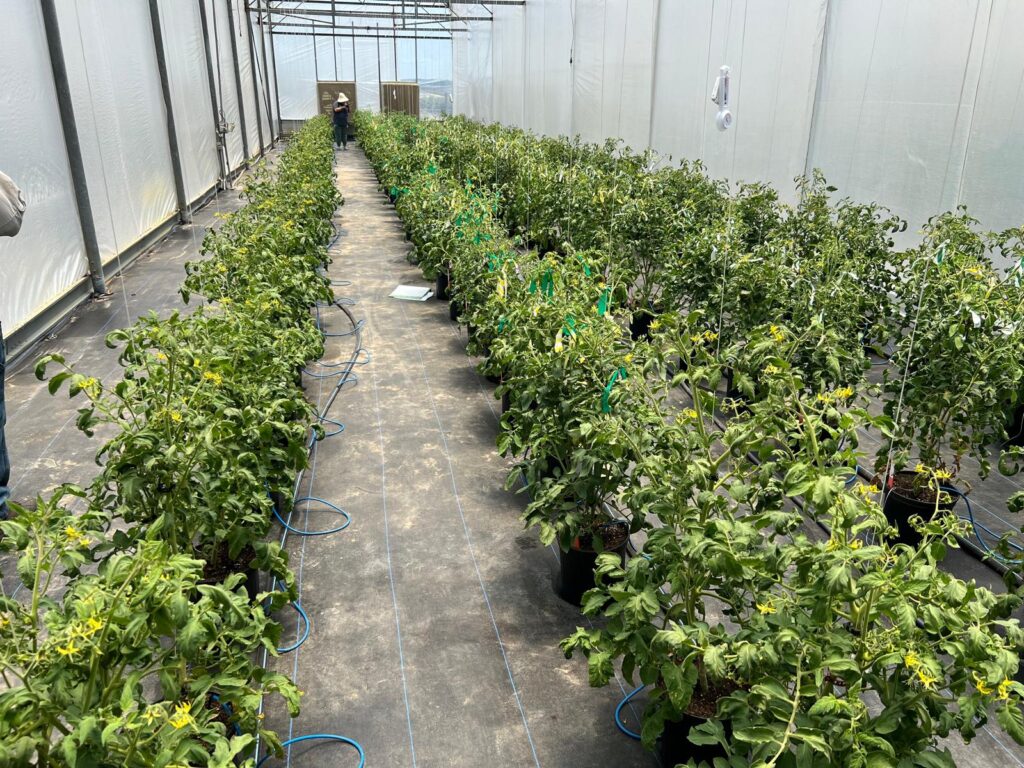
Contextual Overview The partnership between Plantik Biosciences and Hudson River Biotechnology signifies a pivotal advancement in agricultural biotechnology, particularly in the realm of heat tolerance for crops. This collaboration aims to develop a heat-tolerance trait that can be licensed by strawberry breeders, addressing an urgent need in agriculture due to the increasing frequency of extreme heat events globally. With strawberries being particularly vulnerable to high temperatures, which adversely affect flowering and fruit quality, this initiative promises significant improvements in crop resilience. Main Goal and Achievement Pathway The primary objective of this partnership is to create validated heat tolerance traits in crops, specifically strawberries, that can be easily adopted by breeders. This goal is set to be achieved by leveraging Plantik’s advanced genome editing capabilities, which focus on the regulatory elements of DNA that control gene expression, in conjunction with Hudson River’s innovative genome editing methodologies. By utilizing these technologies, the companies aim to expedite the development process, transforming trait discoveries into enhanced crop varieties within a remarkably short timeframe. Structured Advantages Rapid Development: Plantik’s ATLANTIS platform enables swift identification and editing of heat tolerance traits, allowing the development of new crop varieties in approximately 12 months, as opposed to the traditional breeding timeline of five to eight years. Increased Crop Resilience: By focusing on heat tolerance, the initiative directly addresses the threats posed by climate change, ensuring that crops such as strawberries can maintain yield and quality under adverse conditions. Cost-Effective Solutions: The BioMaas platform from Hudson River provides breeders with access to advanced genome editing without the need for extensive in-house R&D, significantly lowering the financial barriers typically associated with trait development. Collaboration and Knowledge Sharing: The partnership fosters a collaborative environment where trait developers like Plantik can share insights and innovations with Hudson River’s network of breeders, enhancing the overall effectiveness of the breeding process. De-risking the Breeding Process: By offering a technological solution that reduces the failure rate of trait development from 90% to 10%, the partnership empowers smaller breeders with the tools necessary to compete against larger seed companies. Future Implications of AI Developments The integration of artificial intelligence (AI) in agricultural biotechnology is poised to revolutionize crop breeding and trait development. As AI technologies advance, they will enhance the capabilities of platforms like Plantik’s ATLANTIS, enabling more precise editing of genomes and the identification of beneficial traits. Furthermore, AI-driven data analytics could streamline the validation process of crop traits, accelerating the time from research to market. This evolution in technology will not only bolster the efficiency of trait development but also democratize access to advanced breeding techniques, allowing a broader range of innovators within the AgriTech sector to contribute to sustainable agricultural practices. Disclaimer The content on this site is generated using AI technology that analyzes publicly available blog posts to extract and present key takeaways. We do not own, endorse, or claim intellectual property rights to the original blog content. Full credit is given to original authors and sources where applicable. Our summaries are intended solely for informational and educational purposes, offering AI-generated insights in a condensed format. They are not meant to substitute or replicate the full context of the original material. If you are a content owner and wish to request changes or removal, please contact us directly. Source link : Click Here

Introduction The agricultural sector is undergoing a transformative shift, characterized by the integration of technology and innovation. The Women in Agricultural Innovation Award (WiAI), initiated by FIRA USA, exemplifies this transformation by recognizing women who are leading advancements across various facets of AgTech. Originally launched as the Women in AgRobotics of the Year Award in 2025, the award has evolved to encompass a broader range of contributions within the agricultural innovation landscape. This expansion signifies a commitment to celebrating female trailblazers who are not only advancing technology but also inspiring future generations within the AgTech ecosystem. Main Goal of the Award The primary objective of the Women in Agricultural Innovation Award is to acknowledge and celebrate the achievements of women who play pivotal roles in shaping the future of agriculture through innovative technologies. By broadening the award’s scope beyond robotics to include various domains such as precision agriculture, biotechnology, and software development, the initiative aims to highlight the diverse contributions of women in the agricultural sector. Achieving this goal requires a concerted effort from the community to nominate deserving candidates, thereby amplifying their visibility and influence in a traditionally male-dominated field. Advantages of the Award The WiAI offers several significant advantages that can positively impact AgTech innovators: 1. **Visibility and Recognition**: By spotlighting women’s contributions, the award enhances the visibility of female leaders in AgTech, encouraging greater participation and engagement within the sector. 2. **Networking Opportunities**: Winners gain access to a network of industry professionals, facilitating collaboration and mentorship that can drive further innovation. 3. **Inspiration for Future Generations**: Celebrating role models in AgTech serves as an inspiration for young women, motivating them to pursue careers in science, technology, engineering, and mathematics (STEM) related to agriculture. 4. **Community Engagement**: The award fosters a sense of community among women in AgTech, creating a supportive environment where ideas can be shared and developed collaboratively. While these advantages are compelling, it is important to acknowledge potential limitations, such as the need for increased awareness and outreach to ensure that deserving candidates from diverse backgrounds are recognized. Future Implications of AI in AgTech The advancements in artificial intelligence (AI) are poised to further revolutionize the agricultural sector. As AI technologies become increasingly integrated into farming practices, they will enhance decision-making processes, improve resource management, and enable precision agriculture techniques. The continued recognition of women innovating in this space will be crucial, as they bring diverse perspectives that can lead to more effective and inclusive solutions. Moreover, the evolution of AI will likely create new roles and opportunities within AgTech, necessitating a workforce that is not only skilled in technology but also adaptable to the changing landscape of agriculture. The WiAI serves as a catalyst for this transformation, encouraging women to take on leadership positions and drive the future of agricultural innovation. Conclusion The Women in Agricultural Innovation Award represents a significant step forward in acknowledging the contributions of women in the AgTech sector. By fostering visibility, recognition, and community engagement, the award plays a crucial role in shaping a more inclusive and innovative agricultural landscape. As we look to the future, the integration of AI and related technologies will undoubtedly enhance the impact of these initiatives, paving the way for a new generation of leaders in agriculture. Disclaimer The content on this site is generated using AI technology that analyzes publicly available blog posts to extract and present key takeaways. We do not own, endorse, or claim intellectual property rights to the original blog content. Full credit is given to original authors and sources where applicable. Our summaries are intended solely for informational and educational purposes, offering AI-generated insights in a condensed format. They are not meant to substitute or replicate the full context of the original material. If you are a content owner and wish to request changes or removal, please contact us directly. Source link : Click Here

Context of AI in Agriculture Artificial intelligence (AI) is rapidly transforming the agricultural landscape, becoming an integral component of the global crop input value chain. While discussions in the public sphere often center on the potential threats posed by AI, industry leaders are increasingly preoccupied with a more pragmatic inquiry: how can the agricultural sector harness the advantages of AI while effectively mitigating associated risks? This nuanced dialogue is crucial for the advancement of AgriTech and Smart Farming, where the integration of AI technologies promises to enhance operational capabilities across multiple dimensions including forecasting, logistics optimization, and data analysis. Main Goal and Its Achievement The primary objective in integrating AI within agriculture is to capture its benefits while responsibly managing the inherent risks. Achieving this goal entails a multifaceted approach: first, organizations must invest in robust AI systems that are not only capable of processing vast quantities of data but are also equipped with mechanisms to understand the complexities of local agricultural conditions. Second, enhancing data quality is vital; organizations must ensure that the data fed into AI systems is accurate, complete, and unbiased. This dual focus on advanced technology and stringent data governance can help agribusinesses make informed decisions that minimize risks. Advantages of AI in Agriculture Enhanced Forecasting: AI technologies can analyze historical data and current trends, significantly improving demand forecasting accuracy. This enables agribusinesses to align their production and inventory levels more closely with market needs. Operational Efficiency: AI systems streamline logistics and supply chain management, helping to identify bottlenecks and optimize transportation routes. This operational enhancement can lead to substantial cost savings, especially in an industry where margins are often tight. Data-Driven Insights: AI empowers agribusinesses to analyze agronomic data at unprecedented speeds, allowing for quicker decision-making and more precise recommendations regarding crop nutrition and protection. Improved Customer Support: AI can enhance customer interactions through personalized recommendations and timely support, fostering stronger relationships between agribusinesses and their clients. Risk Management: By providing insights derived from comprehensive data analysis, AI can help mitigate risks associated with financial, environmental, and regulatory decisions in agriculture. However, it is important to acknowledge limitations. AI systems can generate confident recommendations even when lacking a complete understanding of local market dynamics or operational realities. Additionally, reliance on subpar data can lead to suboptimal outcomes, emphasizing the need for rigorous data governance and human oversight. Future Implications of AI in Agriculture As AI technologies continue to evolve, their impact on agriculture is poised to grow significantly. Future developments may lead to even more sophisticated AI systems capable of integrating real-time data from diverse sources, including weather patterns and soil conditions, thereby enhancing precision agriculture practices. Furthermore, as agriculture increasingly adopts digital solutions, issues surrounding cybersecurity and data governance will become even more critical. Stakeholders must ensure that sensitive agricultural data is adequately protected while being used to drive informed decision-making. Ultimately, the organizations that will thrive in this rapidly changing landscape will be those that adeptly balance the innovative capabilities of AI with the necessary risk management strategies. The future of AgriTech and Smart Farming hinges on this delicate equilibrium, enabling stakeholders to leverage AI’s potential while safeguarding against its risks. Disclaimer The content on this site is generated using AI technology that analyzes publicly available blog posts to extract and present key takeaways. We do not own, endorse, or claim intellectual property rights to the original blog content. Full credit is given to original authors and sources where applicable. Our summaries are intended solely for informational and educational purposes, offering AI-generated insights in a condensed format. They are not meant to substitute or replicate the full context of the original material. If you are a content owner and wish to request changes or removal, please contact us directly. Source link : Click Here

Introduction The agricultural lending landscape presents unique challenges, characterized by diverse data requirements to assess a farm’s bankability. Agricultural lenders are often hindered by outdated traditional processes that fail to adapt to the complexities of modern farming operations. This blog post aims to explore the transformative potential of technology, specifically artificial intelligence (AI), in modernizing the agricultural lending process, as exemplified by SweetAg, an agrifintech company dedicated to addressing these issues. Contextualizing the Agricultural Lending Challenge Agriculture is distinctively complex, necessitating comprehensive information about various aspects such as land parcels, livestock health, equipment, crop pricing, and production history. Traditional agricultural lending processes are often cumbersome, leaving lenders ill-equipped to efficiently gather and analyze this multifaceted data. As stated by Luke Johnson, CEO of SweetAg, the current technological landscape has not sufficiently evolved to determine the specific data requirements necessary for evaluating a loan application from farmers. Main Goal: Streamlining Agricultural Lending The primary goal of modernizing agricultural lending is to enhance efficiency and transparency in the loan approval process. This can be accomplished through the implementation of targeted technology solutions that facilitate easier access to necessary data for both lenders and borrowers. By creating a streamlined process, farmers will have clear guidance on the documentation and actions required to secure a loan, thereby reducing the friction traditionally associated with agricultural lending. Advantages of Technological Integration in Agricultural Lending Enhanced Data Collection: AI and tech platforms can systematically gather and analyze the vast array of information required for a thorough evaluation of farm operations. This fosters a more accurate understanding of a farmer’s financial health. Improved Efficiency: Automation can significantly reduce the time spent on documentation and compliance, allowing lenders to process applications faster and more accurately. Customized Solutions: Unlike rigid legacy systems, modern technology can be tailored to meet the specific needs of agricultural lenders, accommodating the unique categories and data structures that define farm banking. Increased Accessibility: With the rise of online platforms, farmers can engage with lenders from remote locations, thereby overcoming geographical barriers that previously impeded access to capital. Security Enhancements: Transitioning from paper-based processes to secure digital platforms can mitigate risks associated with data privacy and compliance, providing a safer environment for sensitive information. Considerations and Limitations While the benefits of technological integration are substantial, it is important to acknowledge potential caveats. The transition from traditional methods to technology-driven solutions may require a cultural shift among both lenders and farmers. Additionally, concerns surrounding data privacy and the potential misuse of AI must be addressed to foster trust in these new systems. Future Implications of AI in Agricultural Lending The ongoing development of AI technology promises to revolutionize the agricultural lending sector. As AI tools become more sophisticated, they will enhance data accuracy and facilitate real-time analysis, enabling lenders to make informed decisions more swiftly. Furthermore, AI’s ability to adapt to the evolving needs of the agricultural sector will likely lead to the emergence of innovative lending models that better serve farmers. By embracing these advancements, agricultural lenders can build stronger relationships with their clients while enhancing the overall efficiency and transparency of the lending process. Conclusion The modernization of agricultural lending, as exemplified by SweetAg, underscores the critical role of technology in addressing the unique challenges faced by the agriculture sector. By leveraging AI and other technological innovations, the industry can enhance efficiency, security, and accessibility in the lending process. As agricultural practices continue to evolve, it is imperative for lenders to adapt accordingly, ensuring that farmers have the necessary support to thrive in a competitive marketplace. Disclaimer The content on this site is generated using AI technology that analyzes publicly available blog posts to extract and present key takeaways. We do not own, endorse, or claim intellectual property rights to the original blog content. Full credit is given to original authors and sources where applicable. Our summaries are intended solely for informational and educational purposes, offering AI-generated insights in a condensed format. They are not meant to substitute or replicate the full context of the original material. If you are a content owner and wish to request changes or removal, please contact us directly. Source link : Click Here
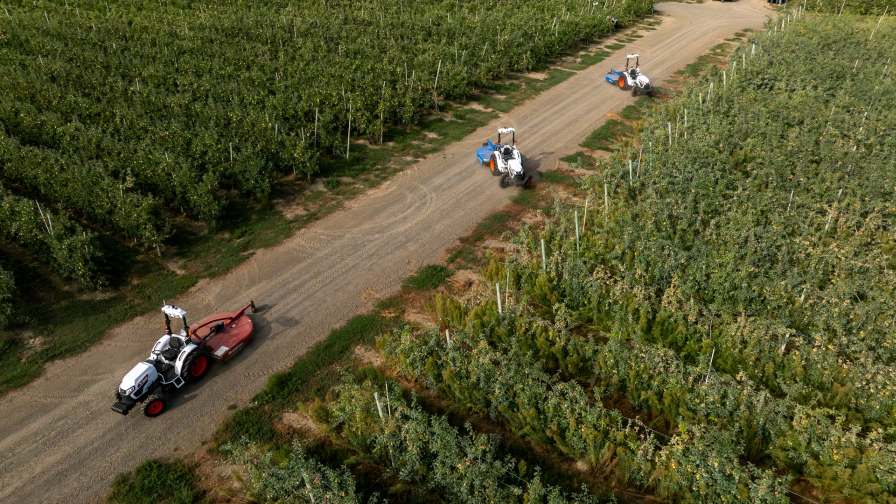
Contextual Overview In the rapidly evolving field of AgriTech and Smart Farming, the integration of advanced data capabilities and autonomous maneuvers is crucial for enhancing operational efficiency. Agtonomy, a leader in physical AI technology, is at the forefront of this transformation by enhancing its autonomy stack and introducing innovative functionalities such as autonomous multi-point turning. This technological advancement allows Agtonomy-enabled units to execute complex maneuvers with high precision, thereby expanding the operational capabilities of agricultural equipment in challenging environments. Main Goal and Achievement Strategies The primary objective of Agtonomy’s advancements is to facilitate the seamless integration of automation in off-road equipment to improve agricultural productivity. This goal can be achieved through the continuous collection and analysis of operational data, which informs iterative improvements in system performance. By leveraging over 2 terabytes of data generated per hour from each vehicle, Agtonomy can refine its algorithms and enhance the autonomy of its equipment, ensuring that growers have access to reliable and efficient solutions in real-time. Advantages of Enhanced Data Capabilities Improved Operational Efficiency: The use of anonymized data aids in optimizing fleet management and operational analytics, as evidenced by the significant reduction in manual data collection efforts, as highlighted by Joel Carter, Orchard Operations Manager at Okanagan Specialty Fruits. Greater Maneuverability: The introduction of autonomous multi-point turning enhances the ability of equipment to navigate tight spaces, enabling operations in previously inaccessible areas, which can considerably increase task completion rates on varied terrain. Scalable Data Collection: With passive data collection capabilities, Agtonomy enables continuous gathering of field intelligence, which builds a robust foundation for future technological applications and partnerships. Versatile Implement Support: The Agtonomy Implement Library™ allows for standardized integration of over 500 implements, catering to diverse agricultural tasks and enhancing the adaptability of the platform to different operational needs. Caveats and Limitations While the advancements presented by Agtonomy indicate significant strides in AgriTech, it is essential to acknowledge potential limitations. The reliance on large datasets necessitates robust data security measures to safeguard sensitive operational information. Additionally, the effectiveness of autonomous systems can be influenced by varying environmental conditions, which may require continual adjustments and updates to the AI algorithms. Future Implications of AI Developments The ongoing advancements in AI technologies are poised to redefine the landscape of AgriTech. As machine learning algorithms become increasingly sophisticated, the potential for predictive analytics in agriculture will expand, providing growers with invaluable insights into crop management and yield optimization. Furthermore, the integration of AI-driven solutions will likely lead to more sustainable farming practices by enabling precise resource allocation and minimizing waste. The future of AgriTech lies in the embrace of these intelligent systems, which will empower growers to make data-driven decisions that enhance productivity and sustainability in the agricultural sector. Disclaimer The content on this site is generated using AI technology that analyzes publicly available blog posts to extract and present key takeaways. We do not own, endorse, or claim intellectual property rights to the original blog content. Full credit is given to original authors and sources where applicable. Our summaries are intended solely for informational and educational purposes, offering AI-generated insights in a condensed format. They are not meant to substitute or replicate the full context of the original material. If you are a content owner and wish to request changes or removal, please contact us directly. Source link : Click Here
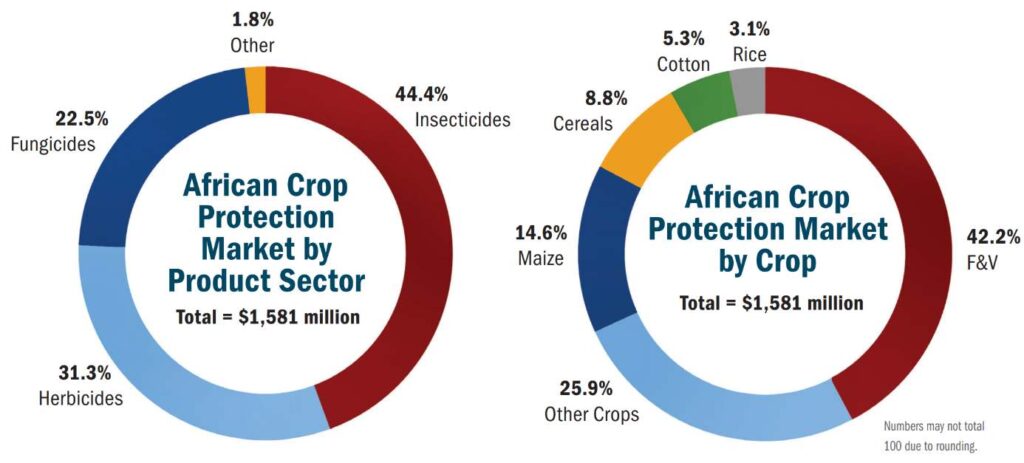
Context African agriculture has emerged as a focal point for international agribusinesses, marked by both significant growth potential and considerable uncertainty. The continent’s agricultural landscape is characterized by lower crop yields and productivity compared to established markets like Europe and North America. This disparity can be attributed to a confluence of factors, including inadequate infrastructure, variable climatic conditions, limited access to financing, and inconsistent adoption of modern agricultural technologies. However, this landscape is ripe for transformation, as the ongoing evolution within the food production value chain presents opportunities for increased efficiency and productivity. Main Goal The primary objective of optimizing Africa’s crop protection market lies in enhancing agricultural efficiency and sustainability. To achieve this goal, stakeholders must focus on several key strategies, including the introduction of innovative agricultural technologies, improved infrastructure development, and the establishment of effective financial support systems for farmers. By leveraging these strategies, the agricultural sector can enhance its productivity, thereby addressing the critical challenge of feeding a rapidly growing population. Advantages of Optimizing the Crop Protection Market Increased Productivity: The African crop protection market has witnessed growth across all sectors, particularly in herbicides and fungicides. This growth indicates a rising trend towards more effective agricultural practices, which can enhance overall productivity. Market Accessibility: Improved access to crop protection products can lead to better crop yields. As major markets like South Africa, Nigeria, and Egypt represent a significant portion of GDP and employment, enhancing access to these products is likely to benefit overall economic stability. Technological Advancements: The ongoing integration of modern agricultural technologies, such as precision farming and data analytics, can significantly improve crop management practices. This integration not only boosts yield but also promotes sustainable farming methods. Strategic Collaborations: Partnerships between local and international agribusinesses, as exemplified by recent collaborations in crop protection, can lead to shared resources and knowledge, further enhancing efficiency in the agricultural sector. Caveats and Limitations While the prospects for the African crop protection market are encouraging, several caveats must be considered. The reliance on imported fertilizers, which constitutes over 90% of Africa’s needs, exposes the region to global market fluctuations. Recent geopolitical tensions, such as conflicts affecting supply chains, can drastically impact fertilizer prices and, consequently, crop production costs. Additionally, infrastructure deficiencies and uneven distribution of water resources remain significant barriers to achieving optimal agricultural efficiency. Future Implications: The Role of AI in AgriTech The integration of artificial intelligence (AI) in agriculture is poised to revolutionize the sector in Africa. AI technologies can enhance decision-making processes related to crop management, pest control, and resource allocation, thereby optimizing yield and reducing waste. For instance, AI-driven predictive analytics can help farmers anticipate crop diseases and pest infestations, allowing for timely interventions. Furthermore, advancements in AI can facilitate precision agriculture, where inputs such as water and fertilizers are applied based on real-time data, leading to more efficient resource use. As AI technologies continue to evolve, their implementation in the African agricultural landscape can potentially address many of the challenges identified in the crop protection market. By enhancing data-driven decision-making and fostering innovative farming practices, AI can play a crucial role in transforming Africa’s agricultural sector into a more productive and sustainable entity. Disclaimer The content on this site is generated using AI technology that analyzes publicly available blog posts to extract and present key takeaways. We do not own, endorse, or claim intellectual property rights to the original blog content. Full credit is given to original authors and sources where applicable. Our summaries are intended solely for informational and educational purposes, offering AI-generated insights in a condensed format. They are not meant to substitute or replicate the full context of the original material. If you are a content owner and wish to request changes or removal, please contact us directly. Source link : Click Here
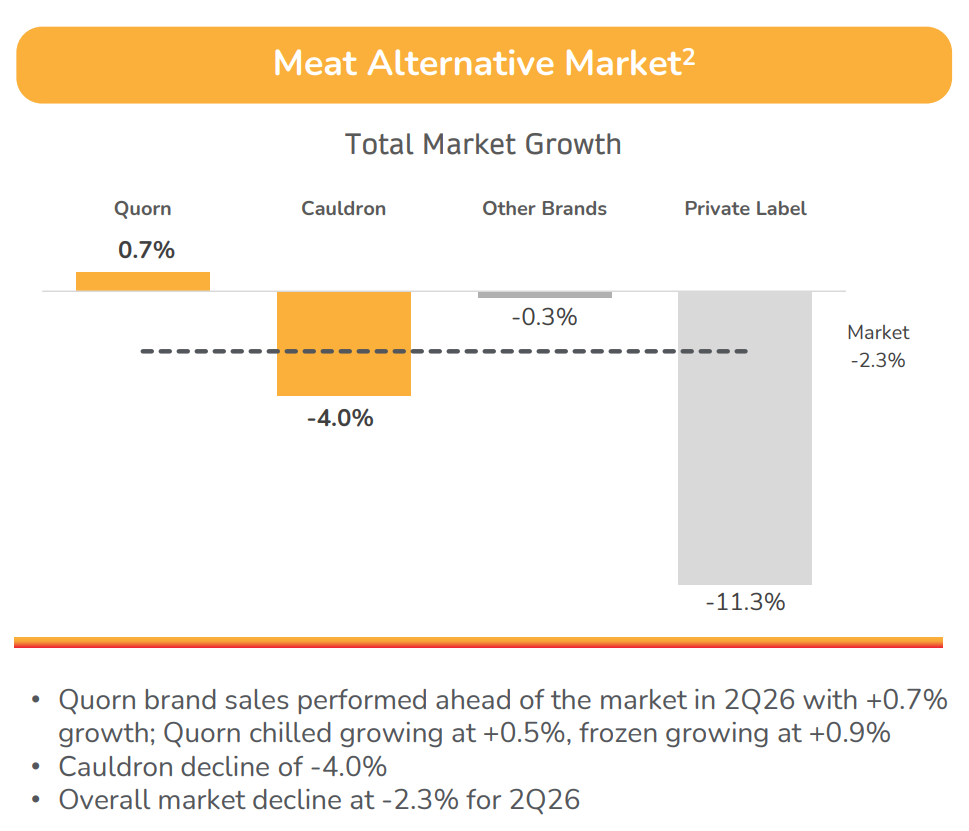
Contextual Overview The landscape of meat alternatives is undergoing significant transformation, as evidenced by the recent performance of Quorn Foods, a prominent player in this sector. The company, which operates under the umbrella of Monde Nissin, has reported a modest recovery in sales during the second quarter of 2026, following a challenging period marked by a downturn in the foodservice segment. Specifically, Quorn’s protein segment, which includes both Quorn and Cauldron brands, generated revenues amounting to ₱7.38 billion ($120 million), reflecting a 2.2% growth on a constant-currency basis compared to the first half of 2025. Notably, the company’s core net income shifted from a loss of ₱215 million ($3.5 million) in H1 2025 to a profit of ₱106 million ($1.7 million) in the same period for 2026. Main Objective and Strategic Pathways The primary goal articulated by Quorn Foods is to strengthen its presence in the UK retail market while addressing the persistent challenges within the foodservice sector. To achieve this, Quorn is implementing strategic restructuring measures aimed at enhancing operational efficiency and gross margins. The focus on new product launches, such as Protein Bites, which aim to capture the protein snacking trend, illustrates a proactive response to evolving consumer preferences. This product diversification not only seeks to expand market reach but also aims to improve profitability by appealing to a broader audience beyond traditional meat-free consumers. Advantages of Robust Retail Performance Increased Revenue Streams: The resurgence in UK retail sales is indicative of a recovering consumer base, which can lead to increased revenue and market share for Quorn. This trend is supported by the 0.7% growth in Quorn branded retail sales during a time when the overall meat alternatives market contracted by 2.3%. Improved Profit Margins: The introduction of high-margin products like Protein Bites allows Quorn to command premium pricing, enhancing gross margins. As noted by Monde Nissin’s CEO, the scalability of these products aligns with broader consumer trends favoring convenience and health. Diversification Opportunities: Expanding into the foodservice sector with innovative offerings, such as hybrid products combining meat and mycoprotein, positions Quorn to tap into emerging markets and consumer preferences, potentially unlocking new revenue sources. Operational Restructuring Benefits: The ongoing organizational right-sizing process is expected to streamline operations, reduce costs, and enhance overall business agility, thereby supporting sustained growth. Caveats and Limitations Despite the positive outlook, challenges remain, particularly within the foodservice sector, which saw a 5% decline in sales during Q2. This necessitates a cautious approach, as short-term setbacks may hinder overall growth. Moreover, external factors such as rising input costs linked to geopolitical events, notably the Iran war, could exert pressure on profit margins in the upcoming quarters. Management has indicated that while supply-chain efficiencies may mitigate some of these challenges, the trajectory of recovery is unlikely to be linear. Future Implications and the Role of AI Looking ahead, the intersection of AgriTech and artificial intelligence is poised to redefine the landscape of food production and distribution. As AI technologies advance, they will facilitate more efficient supply-chain management, predictive analytics for consumer behavior, and enhanced product development processes. For AgriTech innovators, this presents a significant opportunity to leverage AI-driven insights to optimize operations and meet the evolving demands of health-conscious consumers. The anticipated integration of AI into AgriTech will likely lead to increased efficiencies, reduced costs, and improved sustainability across the food production spectrum. Disclaimer The content on this site is generated using AI technology that analyzes publicly available blog posts to extract and present key takeaways. We do not own, endorse, or claim intellectual property rights to the original blog content. Full credit is given to original authors and sources where applicable. Our summaries are intended solely for informational and educational purposes, offering AI-generated insights in a condensed format. They are not meant to substitute or replicate the full context of the original material. If you are a content owner and wish to request changes or removal, please contact us directly. Source link : Click Here
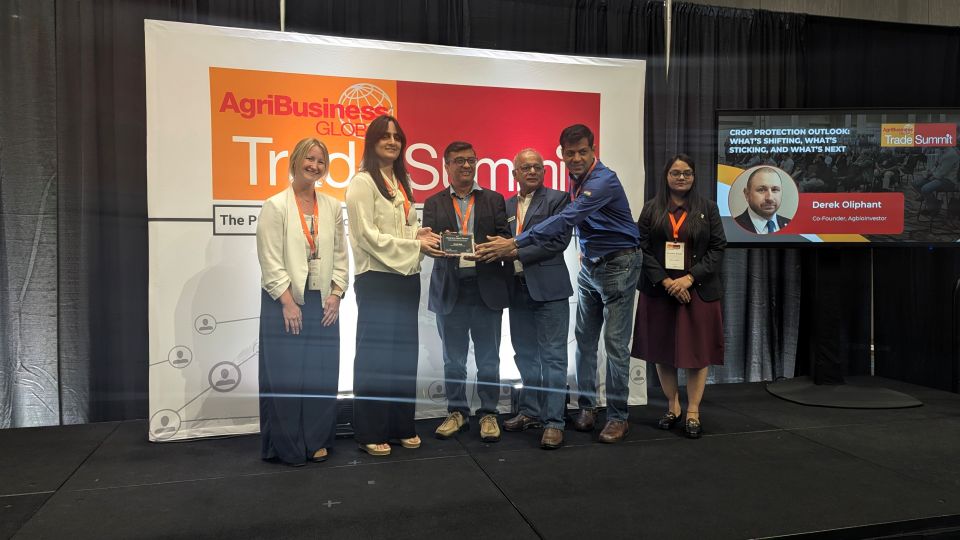
Context and Industry Insights from the AgriBusiness Global Trade Summit On August 6, 2026, the vibrant city of Las Vegas served as the backdrop for the second day of the AgriBusiness Global™ Trade Summit, which brought together over 700 participants from various sectors of the agribusiness industry. This event provided a critical platform for networking, fostering industry connections, and discussing the latest trends that influence the AgriTech and Smart Farming sectors. The summit emphasized the importance of collaboration and knowledge exchange among stakeholders, which is essential in navigating the complexities of today’s agricultural landscape. Main Goal and Strategic Objectives The primary goal of the AgriBusiness Global Trade Summit is to enhance collaboration among industry players to drive innovation and address significant challenges within the agribusiness sector. This can be achieved by creating avenues for dialogue, such as roundtable discussions, expert interviews, and panels featuring leaders in the field. The focus is on developing effective procurement strategies, understanding evolving regulatory landscapes, and leveraging technological advancements to bolster productivity and sustainability. Advantages of Participation in Industry Summits Networking Opportunities: Attendees can connect with industry leaders, facilitating partnerships that enhance sourcing and distribution channels. Access to Expert Insights: Participants gain valuable knowledge from specialists regarding market trends, regulatory updates, and technological innovations, which can inform their business strategies. Collaboration for Problem-Solving: Engaging with peers allows stakeholders to share best practices and collaboratively address common challenges such as supply chain disruptions and changing trade dynamics. Strategic Adaptation: Insights gathered can guide companies in adapting to shifting market conditions, including fluctuations in commodity prices and evolving consumer demands. Limitations and Considerations While participation in industry events offers numerous benefits, there are limitations to consider. The effectiveness of networking can vary depending on individual engagement levels and the quality of connections made. Additionally, the insights shared may not always guarantee immediate applicability, as market conditions can change rapidly. Therefore, businesses must critically evaluate the information and tailor it to their unique contexts. Future Implications of AI Developments in AgriTech As the AgriTech sector continues to evolve, the integration of artificial intelligence (AI) is set to revolutionize agricultural practices. AI can enhance precision farming techniques, enabling farmers to optimize resource use and improve crop yields. This technology will provide real-time data analytics, allowing for better decision-making regarding pest management and crop health monitoring. Furthermore, AI-driven insights can assist in navigating complex regulatory environments, ensuring compliance while maximizing operational efficiency. In conclusion, the ongoing developments in AI and the collaborative efforts fostered by events like the AgriBusiness Global Trade Summit will significantly shape the future of AgriTech. By leveraging these advancements, agribusinesses can enhance their resilience, adapt to changing market landscapes, and ultimately contribute to a more sustainable agricultural future. Disclaimer The content on this site is generated using AI technology that analyzes publicly available blog posts to extract and present key takeaways. We do not own, endorse, or claim intellectual property rights to the original blog content. Full credit is given to original authors and sources where applicable. Our summaries are intended solely for informational and educational purposes, offering AI-generated insights in a condensed format. They are not meant to substitute or replicate the full context of the original material. If you are a content owner and wish to request changes or removal, please contact us directly. Source link : Click Here

Contextual Overview of Recent Developments in AgriTech The AgriTech sector is experiencing a transformative phase, characterized by significant fundings, mergers, acquisitions, and innovations in food technology. Recent activities such as Wild Bio’s acquisition of F1 Seed exemplify this trend, as companies increasingly invest in precision breeding and sustainable agricultural practices. Such strategic moves not only enhance operational capabilities but also foster collaboration within the industry, thereby contributing to the broader goal of sustainable food production. Main Goal: Establishing a Leader in Precision Breeding Wild Bio’s acquisition of F1 Seed aims to create Britain’s first independent precision-breeding wheat business. This venture seeks to leverage advanced genetic technologies to enhance crop yield and resilience against environmental stresses. Achieving this goal necessitates a robust integration of innovative breeding techniques, regulatory compliance, and market-oriented strategies. By aligning these elements, Wild Bio positions itself as a frontrunner in the agricultural biotechnology landscape. Advantages of Strategic Mergers and Acquisitions Enhanced R&D Capabilities: Mergers like that of Wild Bio and F1 Seed enable the combined entity to pool resources for research and development, driving forward innovations in crop science. Access to New Markets: Acquisitions facilitate entry into new geographical markets, as evidenced by Sid’s Farm’s expansion efforts, which garnered $8.4 million in funding to explore new market opportunities. Increased Financial Backing: Strategic partnerships and mergers often attract significant investments, such as the $22 million allocated to French fermentation projects, which can accelerate growth and product development. Collaborative Innovation: Collaborations foster knowledge sharing and innovation, as seen in initiatives like Quercus Biosolutions, which targets resistant weeds through designer proteins, thus addressing critical agricultural challenges. Sustainability Focus: The industry is increasingly prioritizing sustainability, as illustrated by the funding for SCO2’s development of high-value products from food waste, reflecting a shift towards resource-efficient practices. Caveats and Limitations While the advantages of mergers and acquisitions are substantial, certain limitations must be acknowledged. Regulatory hurdles can impede swift integration, while cultural differences between merging entities may hinder collaborative efforts. Moreover, the success of such ventures heavily relies on the ability to navigate complex market dynamics and consumer preferences. Future Implications and AI Developments As the AgriTech sector evolves, the integration of artificial intelligence (AI) is poised to significantly impact agricultural practices. AI technologies are expected to streamline operations through predictive analytics, optimizing resource allocation and enhancing crop management systems. For instance, AI applications can improve precision breeding by analyzing genetic data to identify favorable traits, thereby accelerating the development of resilient crop varieties. Additionally, AI can facilitate real-time decision-making, enabling farmers to respond swiftly to environmental changes and pest threats. As these technologies advance, they will likely redefine productivity benchmarks and sustainability metrics within the agricultural sector, necessitating continuous adaptation by AgriTech innovators. Disclaimer The content on this site is generated using AI technology that analyzes publicly available blog posts to extract and present key takeaways. We do not own, endorse, or claim intellectual property rights to the original blog content. Full credit is given to original authors and sources where applicable. Our summaries are intended solely for informational and educational purposes, offering AI-generated insights in a condensed format. They are not meant to substitute or replicate the full context of the original material. If you are a content owner and wish to request changes or removal, please contact us directly. Source link : Click Here

Context and Overview of AgTech Investments In the second quarter of 2026, the AgTech landscape witnessed significant activity, with 158 startups collectively securing $2 billion in venture capital funding. This signifies a 6% increase in investment compared to the previous quarter, albeit with a slight decline in deal volume by 3%. Notably, a single deal involving ICEYE, a Finnish operator of a radar-satellite constellation, accounted for over 25% of the total capital raised. This phenomenon highlights a trend of stability in the AgTech investment sector, where funding has consistently averaged around $1.5 billion across 182 deals per quarter over the past 14 quarters. Such consistency marks a departure from the volatility experienced during the investment cycles of 2021–2022, suggesting a maturation of the market. AgTech in the Broader Venture Capital Landscape To contextualize the AgTech investment figures within the broader venture capital environment, CB Insights reported that $212.9 billion was deployed globally in Q2 2026 across approximately 7,086 deals. The first half of 2026 has set an unprecedented record for global venture investments, surpassing the previous high of $375 billion set during the peak of the last bull market in 2021 by over $135 billion. However, it is noteworthy that approximately 81% of this capital was channeled into mega-rounds—deals exceeding $100 million—leaving early-stage startups facing a challenging fundraising climate characterized by longer cycles and reduced capital availability. Main Goal and Achievements The primary goal of this continued investment activity in AgTech is to foster innovation and scalability within the agricultural technology sector. Achieving this objective necessitates a focus on attracting more diversified investments across various AgTech domains rather than relying heavily on few high-value deals. As the sector stabilizes, it can create a more conducive environment for early-stage ventures, encouraging the development of pioneering solutions that address pressing agricultural challenges. Advantages of Recent Investment Trends Increased Funding Stability: The steady average of $1.5 billion in funding per quarter over 14 quarters indicates a robust investment climate that can help AgTech startups maintain operational continuity. Diverse Sector Growth: The breakdown of investments across various sectors, such as climate monitoring and digital agronomy, points to a comprehensive approach to agricultural innovation. Encouragement of M&A Activity: The 15 AgTech exits recorded last quarter, all through mergers and acquisitions (M&A), emphasize healthy market dynamics that can lead to further investment and consolidation in the sector. Long-term Growth Potential: The historical performance of the AgTech sector, which had its highest exit rates in the last decade, suggests a trajectory for sustained growth and profitability for investors and startups alike. Limitations and Caveats Despite the positive trends, there are limitations to consider. The reliance on mega-rounds for a substantial portion of capital deployment may create disparities, leaving early-stage startups at a disadvantage. Furthermore, the declining deal volume could indicate potential market saturation or investor fatigue in certain segments of AgTech. Future Implications and the Role of AI As we look to the future, the integration of artificial intelligence (AI) in AgTech is poised to revolutionize the sector. AI technologies can enhance precision agriculture, improving crop yield and resource efficiency by analyzing vast datasets for actionable insights. Innovations in AI-driven analytics and machine learning could lead to the development of smarter farming techniques, optimizing supply chains, and enabling predictive modeling for better decision-making. This evolution will not only streamline operations but also address critical global challenges such as food security and sustainability, further attracting investment and fostering growth in the AgTech ecosystem. Disclaimer The content on this site is generated using AI technology that analyzes publicly available blog posts to extract and present key takeaways. We do not own, endorse, or claim intellectual property rights to the original blog content. Full credit is given to original authors and sources where applicable. Our summaries are intended solely for informational and educational purposes, offering AI-generated insights in a condensed format. They are not meant to substitute or replicate the full context of the original material. If you are a content owner and wish to request changes or removal, please contact us directly. Source link : Click Here


