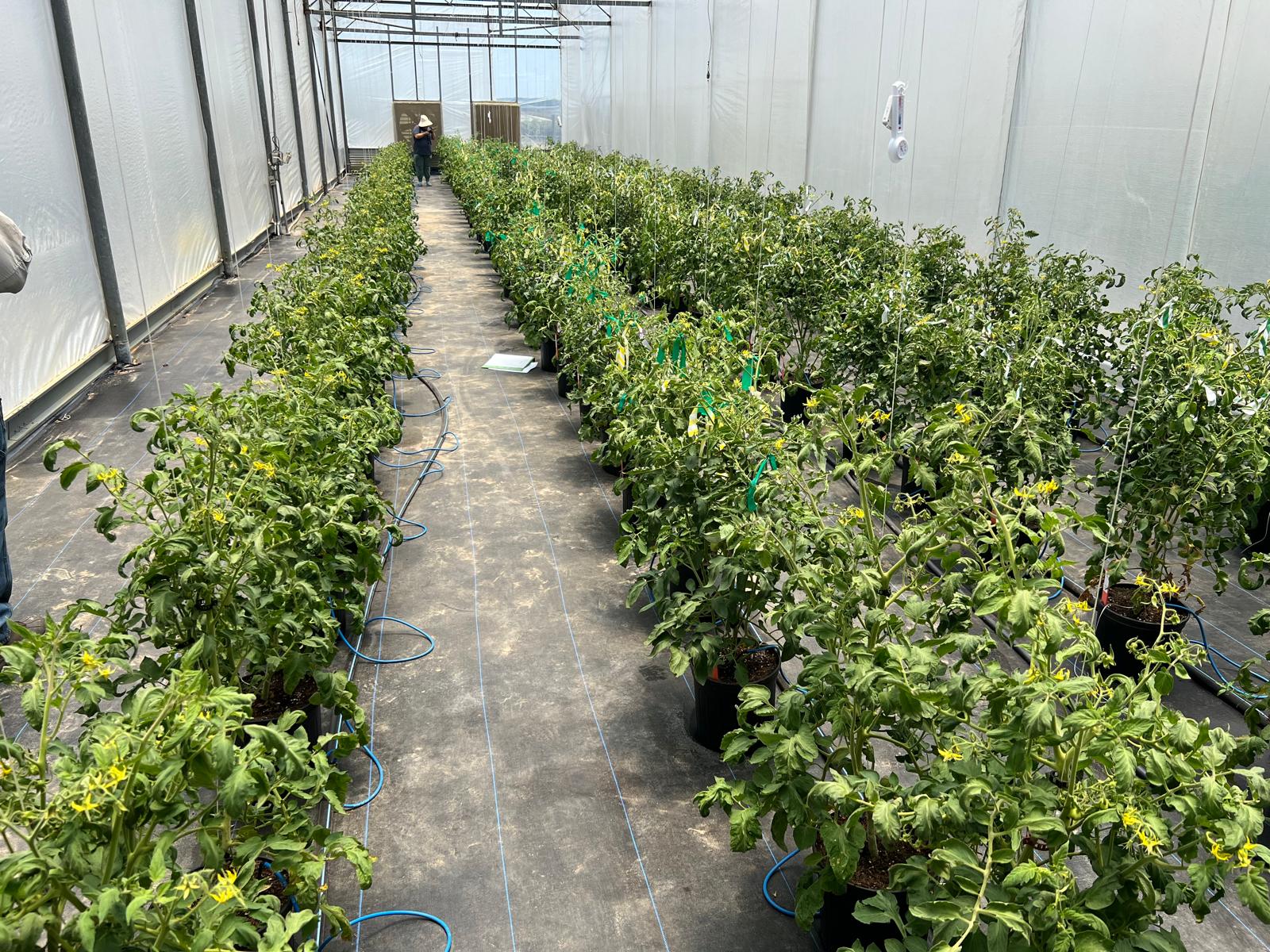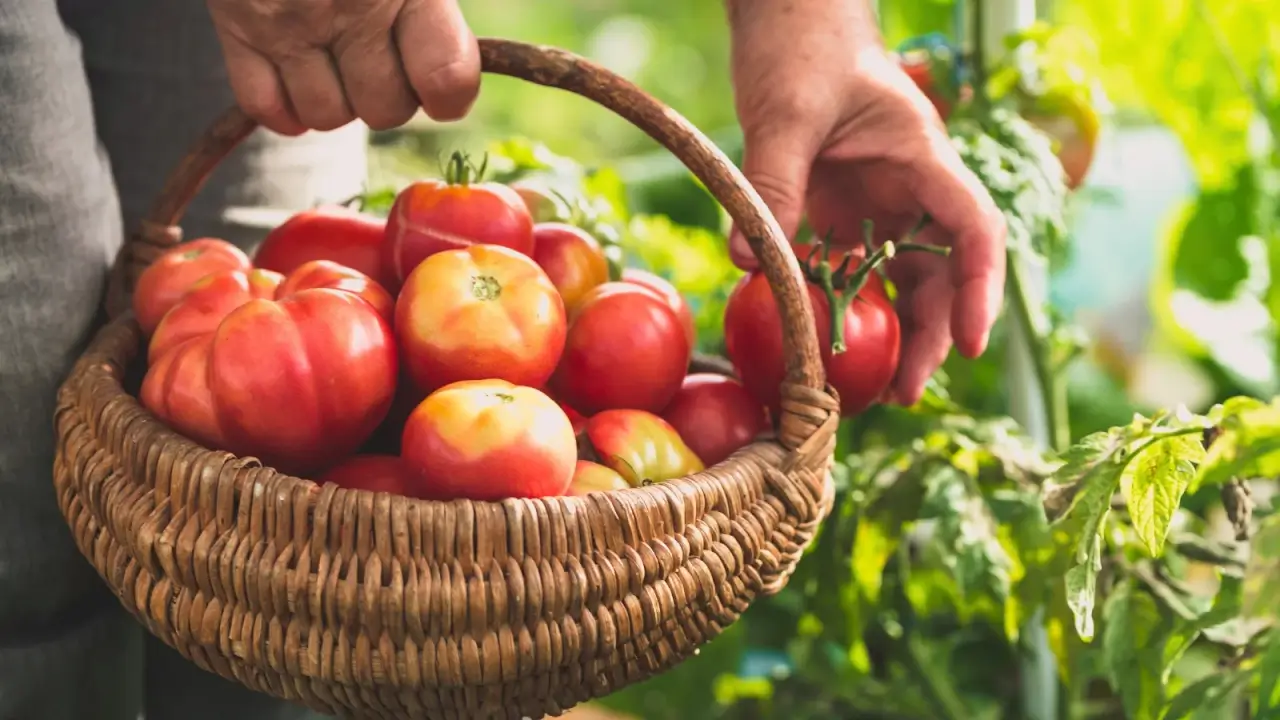
The cultivation of heirloom tomatoes presents unique opportunities for farmers seeking to enhance their crop diversity and market appeal. Heirloom tomatoes, characterized by their open-pollinated nature and historical significance, offer a plethora of varieties ranging from slicers and beefsteaks to cherries. These varieties are not only cherished for their taste but also for their potential to adapt to different agricultural practices and climates. For AgriTech innovators, understanding the nuances of these heirloom varieties can lead to better breeding and cultivation practices, ultimately supporting sustainable agricultural methods.
The primary goal of growing heirloom tomatoes is to preserve their genetic diversity while maximizing their yield and flavor potential. Achieving this involves selecting varieties that are well-suited to local climates and growing conditions. Farmers are encouraged to leverage their knowledge of seasonal lengths and climate tendencies to determine which varieties will thrive in their specific environments. This approach not only increases the likelihood of successful harvests but also enables breeders to develop unique varieties that meet market demands.
While the benefits of heirloom tomato cultivation are substantial, there are limitations to consider. Heirloom varieties often have lower yields compared to hybrid counterparts, which can pose challenges for large-scale commercial farming. Additionally, these tomatoes may require specific growing conditions and increased management practices to thrive, necessitating a more hands-on approach from farmers.
As AgriTech continues to evolve, the integration of artificial intelligence (AI) into the agricultural sector promises to revolutionize heirloom tomato cultivation. AI technologies can enhance data collection regarding growth patterns, soil health, and climate impacts, allowing for more precise cultivation strategies. Predictive analytics can assist farmers in making informed decisions about which heirloom varieties to plant based on real-time environmental data. Furthermore, AI-driven genetic analysis could facilitate more effective breeding programs, leading to the development of heirloom varieties that are better adapted to changing climate conditions.
The cultivation of heirloom tomatoes stands as a testament to the intersection of tradition and innovation within agriculture. By understanding the advantages and limitations of these varieties, AgriTech innovators can play a pivotal role in preserving genetic diversity while enhancing crop resilience and market appeal. The future of heirloom tomato cultivation looks promising, especially with the anticipated advancements in AI, which will further refine cultivation practices and contribute to sustainable agricultural development.
Disclaimer
The content on this site is generated using AI technology that analyzes publicly available blog posts to extract and present key takeaways. We do not own, endorse, or claim intellectual property rights to the original blog content. Full credit is given to original authors and sources where applicable. Our summaries are intended solely for informational and educational purposes, offering AI-generated insights in a condensed format. They are not meant to substitute or replicate the full context of the original material. If you are a content owner and wish to request changes or removal, please contact us directly.
Source link :