Context of Cover Crop Termination in AgriTech
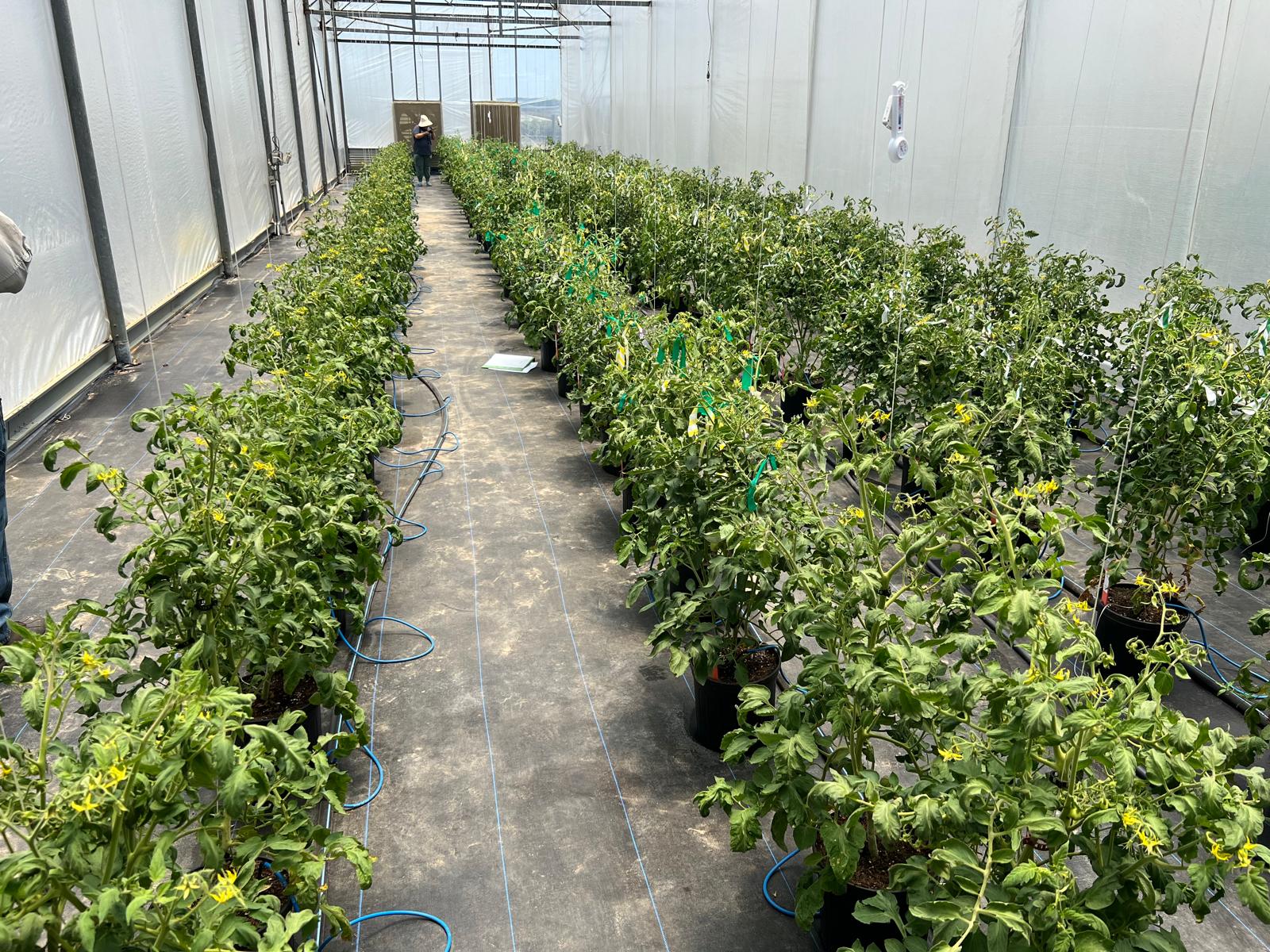
In the realm of modern agriculture, cover crops serve as a critical component for enhancing soil health and optimizing crop yields. The successful termination of these crops is pivotal, as it ensures that soil gains are preserved while enabling the effective transition to subsequent plantings. Various methods for terminating cover crops exist, each tailored to the specific crop type and local climatic conditions. Farmers must navigate the intricacies of timing and methodology to maximize soil biomass, a crucial factor in maintaining soil health and fertility.
Understanding the agricultural goals is essential when planning the termination of cover crops. Factors such as the choice of subsequent crops, available tools, and the overarching farming system must be considered to achieve optimal results. This process often begins at the initial planting stage, dictating the approach to cover crop management. For instance, a dry soil environment may necessitate termination several weeks prior to planting the next crop to prevent moisture depletion, while pest considerations may require an earlier termination strategy.
Main Goal of Termination Methods
The primary objective of terminating cover crops is to maximize soil biomass retention. This can be achieved through various methods, each with unique benefits and considerations. Farmers should aim to terminate cover crops before they reach the seed formation stage to mitigate the risk of unwanted regrowth and ensure easier management post-termination.
Advantages of Effective Cover Crop Termination
- Soil Health Preservation: Successful termination methods help maintain soil structure and fertility by ensuring that roots remain intact, which contributes to soil biomass.
- Enhanced Nutrient Cycling: Techniques such as mowing or roller crimping allow for a gradual release of nutrients, fostering a more balanced soil ecosystem.
- Pest and Weed Management: Timely termination can disrupt pest life cycles and prevent weed establishment, reducing the need for chemical interventions.
- Increased Crop Yields: By creating a favorable environment for subsequent crops, effective termination can lead to improved yields and better resource utilization.
- Environmental Benefits: Practices that focus on soil health contribute to broader ecological outcomes, including carbon sequestration and reduced erosion.
However, certain limitations exist. For example, methods like tilling may lead to soil structure degradation and biomass loss, necessitating immediate crop amendments. Moreover, not all termination methods are suitable for every crop type or climatic condition, which underscores the importance of tailored approaches.
Future Implications and AI Developments
The future of cover crop management and termination in agriculture is poised for transformative changes, particularly with the advent of artificial intelligence (AI) technologies. AI can facilitate more precise monitoring of soil health and biomass levels, allowing farmers to make data-driven decisions regarding the optimal timing and methods for cover crop termination. Predictive analytics can enable the forecasting of pest pressures and environmental conditions, thereby enhancing the efficacy of termination strategies.
Moreover, AI-driven automation could streamline the application of various termination methods, making it easier for farmers to implement best practices without intensive labor requirements. As AgriTech continues to evolve, integrating AI into cover crop management may not only enhance operational efficiency but also contribute to sustainable agricultural practices that prioritize soil health and crop productivity.
Disclaimer
The content on this site is generated using AI technology that analyzes publicly available blog posts to extract and present key takeaways. We do not own, endorse, or claim intellectual property rights to the original blog content. Full credit is given to original authors and sources where applicable. Our summaries are intended solely for informational and educational purposes, offering AI-generated insights in a condensed format. They are not meant to substitute or replicate the full context of the original material. If you are a content owner and wish to request changes or removal, please contact us directly.
Source link :
Click Here