
Contextualizing Integrated Pest Management in Africa In the realm of agricultural innovation, Integrated Pest Management (IPM) stands as a pivotal strategy for enhancing crop protection in Africa. As global demand for agricultural products intensifies, particularly from the European Union (EU), African growers face mounting pressure to comply with stricter regulatory frameworks and market demands. This shift necessitates that crop protection companies reassess their strategies to effectively support these growers. The evolution towards IPM is not merely a trend; it is an essential adaptation to ensure sustainability and competitiveness in both local and international markets. Main Goal and Achieving Compliance The primary objective of the original discussion on IPM strategies is to facilitate the transition of African growers towards sustainable pest management practices that adhere to evolving regulatory standards. To achieve this, crop protection companies must develop and offer products that align with the EU’s stringent Maximum Residue Levels (MRLs) and actively support growers in implementing comprehensive IPM programs. This involves a strategic shift away from reliance on synthetic chemicals towards a more integrated approach that combines biological solutions with traditional methods, thereby ensuring compliance and enhancing market access. Advantages of Integrated Pest Management Strategies Enhanced Market Access: By adopting IPM practices that comply with EU regulations, African growers can secure access to premium markets that demand quality and safety, particularly for high-value crops like citrus and grapes. Reduction of Chemical Dependency: The integration of biological products, such as biopesticides and biostimulants, helps in reducing the reliance on synthetic chemicals, thereby mitigating potential environmental impacts and improving soil health. Improved Crop Yields: Utilizing a combination of traditional and biological pest management strategies can enhance crop resilience and yield stability, particularly under stress conditions such as drought or heat. Compliance and Sustainability: A well-structured IPM program not only meets regulatory requirements but also promotes sustainable agricultural practices, aligning with global trends towards environmental stewardship. Operational Flexibility: The ability to pivot towards biological solutions allows growers to adapt to changing regulatory landscapes and consumer preferences more swiftly. Limitations and Caveats Despite the numerous advantages, several limitations must be acknowledged. The transition to IPM can be complex, requiring significant investment in education and training for growers. Moreover, the performance of biological products can vary, and there may be initial resistance from growers accustomed to conventional practices. Additionally, regulatory frameworks across different African nations are often fragmented and can impede the swift adoption of new products and practices. Future Implications and the Role of AI Looking ahead, the integration of Artificial Intelligence (AI) into pest management strategies is poised to revolutionize the agricultural landscape in Africa. AI technologies can enhance the precision of pest monitoring and management, allowing for real-time data analysis and improved decision-making. This could lead to more efficient resource allocation and targeted interventions, ultimately increasing productivity while minimizing environmental impact. As AI continues to evolve, it is expected to provide innovative solutions that further enhance the efficacy of IPM programs, supporting African growers in navigating the complexities of modern agricultural challenges. Disclaimer The content on this site is generated using AI technology that analyzes publicly available blog posts to extract and present key takeaways. We do not own, endorse, or claim intellectual property rights to the original blog content. Full credit is given to original authors and sources where applicable. Our summaries are intended solely for informational and educational purposes, offering AI-generated insights in a condensed format. They are not meant to substitute or replicate the full context of the original material. If you are a content owner and wish to request changes or removal, please contact us directly. Source link : Click Here

Introduction As the agricultural season transitions from winter to spring in March, farmers and AgriTech innovators alike are presented with a unique opportunity to enhance soil health through various amendments. Understanding the significance of soil amendments not only promotes better crop yields but also contributes to sustainable farming practices. This blog post explores the critical amendments that can be applied during this pivotal month, focusing on their benefits and implications for the AgriTech and Smart Farming industry. Understanding the Goals of Soil Amendments The primary goal of adding amendments to the soil in March is to improve soil fertility and structure, facilitating optimal growing conditions for crops. This can be achieved by incorporating organic materials that enhance the soil microbiome and provide essential nutrients for plant growth. By evaluating soil temperature and moisture levels, farmers can determine the appropriate time to apply these amendments, ensuring that the ground is amenable to such interventions. Advantages of Soil Amendments Enhanced Nutrient Availability: Amendments such as compost and worm castings enrich the soil with nutrients that are readily accessible to plants, promoting healthy growth. Improved Soil Structure: Organic materials help in maintaining soil porosity and aeration, which are vital for root development and water retention. Increased Microbial Activity: The introduction of organic matter stimulates beneficial microbial populations, leading to a more balanced and vibrant soil ecosystem. Weed Suppression: The application of mulch not only conserves moisture but also inhibits weed growth, reducing competition for nutrients and resources. Erosion Control: Organic amendments, such as leaf mold, play a critical role in minimizing soil erosion by improving aggregate stability and moisture retention. Caveats and Limitations While the benefits of soil amendments are substantial, certain caveats must be considered. For instance, the application of compost can lead to a decrease in soil pH if the existing soil is already acidic. Additionally, over-reliance on synthetic fertilizers without proper soil testing may result in nutrient imbalances, adversely affecting crop health and soil quality. Future Implications and AI Integration The integration of artificial intelligence (AI) in the agricultural sector is poised to revolutionize soil management practices. Advanced AI algorithms can analyze soil data in real-time to provide tailored recommendations for soil amendments based on specific crop requirements and local conditions. Furthermore, AI-driven technologies can assist in monitoring soil health and predicting nutrient needs, optimizing the timing and quantity of amendment applications. As AgriTech continues to evolve, the synergy between AI and sustainable farming practices will enhance productivity while ensuring environmental sustainability. Conclusion In conclusion, March serves as a critical period for implementing soil amendments that significantly enhance soil health and agricultural productivity. By understanding the advantages of various amendments and the potential limitations associated with their use, farmers and AgriTech innovators can make informed decisions that will lead to sustainable farming practices. Moreover, the future of soil management looks promising with the advent of AI technologies, which will enable more precise and efficient agricultural practices. Disclaimer The content on this site is generated using AI technology that analyzes publicly available blog posts to extract and present key takeaways. We do not own, endorse, or claim intellectual property rights to the original blog content. Full credit is given to original authors and sources where applicable. Our summaries are intended solely for informational and educational purposes, offering AI-generated insights in a condensed format. They are not meant to substitute or replicate the full context of the original material. If you are a content owner and wish to request changes or removal, please contact us directly. Source link : Click Here

Introduction Africa’s agricultural landscape is rich with potential, offering a unique opportunity for the development of self-reliant food systems. The continent’s agribusiness sector is pivotal not only for local economies but also for global food security. Building robust domestic value chains and enhancing food security through local processing and manufacturing are essential strategies for achieving sustainability in Africa’s agricultural systems. This blog post will explore the main goals of establishing self-reliant food systems in Africa and discuss how these objectives can be realized within the AgriTech and Smart Farming sectors. Understanding the Main Goal The primary goal of establishing self-reliant food systems across Africa is to reduce import dependency while enhancing food security. This can be achieved through several key strategies: strengthening domestic agricultural production, improving local processing capabilities, and increasing market access for local farmers. By fostering these initiatives, Africa can not only decrease its reliance on food imports—which currently costs the continent between $50 billion to $70 billion annually—but also promote sustainable agricultural practices and improve the livelihoods of millions of farmers. Advantages of Building Self-Reliant Food Systems 1. **Increased Production Capacity**: By investing in local agricultural production and processing infrastructure, African nations can enhance their food production capabilities. Olam Agri’s investments in facilities, such as pasta manufacturing in Ghana and soybean processing in Nigeria, exemplify how local production can be strengthened. 2. **Market Access**: Facilitating connections between over 300,000 growers and domestic and global markets helps alleviate one of the major challenges facing African farmers: the lack of market access. This connection not only stabilizes supply but also improves food availability. 3. **Job Creation**: Strengthening local value chains creates employment opportunities within communities. The establishment of processing facilities and local manufacturing units fosters job growth, supporting livelihoods and contributing to economic development. 4. **Sustainable Practices**: The emphasis on climate-smart and regenerative agricultural practices—such as the development of drought-resistant seed varieties—ensures that agriculture can adapt to changing environmental conditions. This approach not only safeguards food production but also enhances resilience against climate change. 5. **Partnerships and Collaboration**: Achieving food security necessitates collaborative efforts among governments, farmers, agribusinesses, and development partners. Such partnerships can mobilize resources and expertise, driving the transformation of food systems towards competitiveness and sustainability. 6. **Technological Integration**: The deployment of technology in agriculture enhances efficiency, traceability, and decision-making processes. Digital tools improve operational efficiency and can lead to better market outcomes for farmers. Future Implications: The Role of AI in Agriculture The future of self-reliant food systems in Africa is likely to be significantly influenced by developments in artificial intelligence (AI). As AgriTech continues to evolve, AI technologies will facilitate precision farming, enabling farmers to optimize resource use, enhance crop management, and predict market trends more accurately. For instance, AI can analyze vast datasets to provide insights into soil health, weather patterns, and crop yields, thereby supporting informed decision-making. Moreover, AI-driven platforms can enhance supply chain management by improving logistics and distribution processes, thereby reducing waste and ensuring that food reaches consumers efficiently. As a result, the integration of AI in agriculture is expected to amplify the benefits of self-reliant food systems, making them more resilient and adaptable to both market fluctuations and climatic challenges. Conclusion Building self-reliant food systems across Africa is a multifaceted endeavor that requires a concerted effort from various stakeholders within the agricultural ecosystem. By focusing on local production, enhancing market access, and investing in sustainable practices, Africa can pave the way for a more secure and resilient food future. The integration of technology, particularly AI, will further bolster these efforts, enabling AgriTech innovators to create impactful solutions that address the continent’s pressing agricultural challenges. Ultimately, a collaborative approach that leverages local knowledge and global expertise will be essential for transforming Africa’s agricultural landscape into a self-sufficient powerhouse. Disclaimer The content on this site is generated using AI technology that analyzes publicly available blog posts to extract and present key takeaways. We do not own, endorse, or claim intellectual property rights to the original blog content. Full credit is given to original authors and sources where applicable. Our summaries are intended solely for informational and educational purposes, offering AI-generated insights in a condensed format. They are not meant to substitute or replicate the full context of the original material. If you are a content owner and wish to request changes or removal, please contact us directly. Source link : Click Here

Contextualizing the Investment in Irrigation Intelligence In an era where global agriculture is under increasing pressure to enhance productivity, adapt to climate variability, and manage dwindling water resources, the role of irrigation has become critically important yet remains inadequately addressed. Despite advancements in agricultural technology that optimize factors such as genetics, fertilizers, and crop protection, irrigation decisions are often still based on anecdotal evidence and subjective assessments. This raises significant questions about efficiency and sustainability in agricultural practices. Komet Irrigation, a leading player in precision irrigation solutions, has recognized this gap and made a substantial investment to transform irrigation practices. The establishment of the Application Engineering & Digital Systems division, along with the Komet Experience Hub, marks a pivotal step towards integrating data-driven methodologies into the irrigation sector. This initiative aims to generate meaningful insights and metrics that will enhance irrigation performance across global agricultural landscapes. Main Goal and Its Achievement The primary objective of Komet Irrigation’s latest investment is to enhance the understanding of pivot irrigation systems and their performance metrics. By transitioning from traditional observational methods to a framework grounded in scientific measurement, Komet aspires to empower growers and agricultural professionals with reliable data that can inform better irrigation practices. This aim can be achieved through systematic research, rigorous testing, and the development of innovative methodologies within the Komet Experience Hub. Advantages of the Komet Initiative 1. **Enhanced Decision-Making**: The integration of data and metrics will enable growers to make informed decisions, shifting the reliance from subjective experience to evidence-based practices. This transition could significantly improve irrigation efficiency and crop yields. 2. **Global Knowledge Sharing**: The insights gained at the Komet Experience Hub will not only be applicable in Brazil but will be disseminated across Komet’s global network, benefiting farmers and partners worldwide. This fosters a collaborative approach to advancing agricultural practices. 3. **Development of New Methodologies**: The facility aims to create innovative diagnostic tools and performance metrics that address long-standing questions in irrigation, such as the impact of environmental conditions on water delivery and the optimal timing for component replacement. 4. **Strategic Resource Management**: As water becomes an increasingly scarce resource, understanding and optimizing its use in agriculture will be crucial for sustainability. This initiative aligns with global efforts to manage agricultural resources more intelligently and effectively. 5. **Attraction of Industry Interest**: The Experience Hub has already garnered attention from various stakeholders within the irrigation sector, indicating a strong interest in its capabilities and potential contributions to the industry. While these advantages are substantial, it is important to consider that the effectiveness of this initiative will depend on continuous engagement with agricultural practitioners and adaptation to varying regional contexts. Future Implications and the Role of AI The implications of Komet’s investment extend far beyond immediate advancements in irrigation practices. As the agricultural landscape continues to evolve, the integration of artificial intelligence (AI) will play a pivotal role in shaping future developments. AI technologies can enhance data analysis, enabling the identification of patterns and trends that may not be immediately apparent through traditional methods. This could lead to the development of predictive models that optimize irrigation schedules, reduce water waste, and ultimately contribute to sustainable agricultural practices. Moreover, as data collection technologies become more sophisticated, the ability to harness real-time data for decision-making will revolutionize how irrigation systems are managed. The potential for AI to facilitate automated irrigation adjustments based on environmental conditions could further enhance efficiency and crop resilience. In conclusion, Komet Irrigation’s strategic investment in irrigation intelligence represents a significant advancement in the AgriTech sector. By bridging the data gap within irrigation practices, the initiative not only seeks to improve agricultural productivity but also lays the groundwork for future innovations driven by artificial intelligence. Disclaimer The content on this site is generated using AI technology that analyzes publicly available blog posts to extract and present key takeaways. We do not own, endorse, or claim intellectual property rights to the original blog content. Full credit is given to original authors and sources where applicable. Our summaries are intended solely for informational and educational purposes, offering AI-generated insights in a condensed format. They are not meant to substitute or replicate the full context of the original material. If you are a content owner and wish to request changes or removal, please contact us directly. Source link : Click Here

Contextual Overview of Annam.AI and Its Impact on Indian Agriculture India’s agricultural sector is characterized by its extensive scale and diversity in agro-climatic zones, enabling the country to emerge as a leading producer of crops such as rice and wheat. Despite these advantages, a multitude of challenges persist, including erratic weather patterns, pest infestations, and a high dependency on smallholder farmers—over 80% of whom cultivate less than two hectares of land. This demographic faces significant barriers to adopting advanced agricultural technologies, which can exacerbate the divide between large commercial farming operations and the majority of farmers. In response to these challenges, the Annam.AI initiative has been established with the objective of providing farmers across India with real-time, personalized agricultural intelligence. By leveraging open data, Annam.AI aims to facilitate precision agriculture and enhance climate resilience, ultimately transforming the agricultural landscape in the country. Main Goals of Annam.AI and Their Achievement The primary goal of Annam.AI is to create a comprehensive agricultural intelligence network that integrates real-time microclimate data, crop intelligence, and multilingual advisory tools. This initiative seeks to empower farmers by providing them with actionable insights tailored to their specific local conditions. Achieving this goal necessitates collaboration among various stakeholders, including government bodies, academic institutions, and private sector entities. The recent partnership between Syngenta and Annam.AI exemplifies this collaborative approach, as Syngenta will contribute its research and development capabilities to develop precise models for crop health and pest management. Advantages of the Annam.AI Initiative 1. **Real-Time Data Access**: Farmers will gain access to timely and localized information that can significantly influence decision-making processes, leading to improved crop yields and reduced losses. 2. **Enhanced Agricultural Resilience**: By providing insights into climate variability and pest threats, Annam.AI can help farmers adopt more resilient farming practices, thereby mitigating the adverse effects of changing weather patterns. 3. **Support for Smallholder Farmers**: The initiative’s focus on smallholder farmers will help bridge the technological gap, ensuring these individuals are not left behind in the agricultural modernization process. 4. **Increased Collaboration**: The program fosters collaboration among various stakeholders, including government, academia, and private enterprises, which can catalyze innovation and resource sharing. 5. **Sustainability Goals**: By promoting precision agriculture, Annam.AI aligns with global sustainability objectives, contributing to food security while minimizing environmental impact. While these advantages are promising, it is crucial to recognize potential limitations such as the need for robust infrastructure to disseminate data effectively and the challenge of ensuring that all farmers possess the digital literacy required to utilize these tools. Future Implications of AI in Agriculture As artificial intelligence continues to evolve, its integration into agricultural practices will likely deepen. The capabilities of AI to analyze vast amounts of data and provide actionable insights will enhance precision farming techniques, optimizing resource use while maximizing output. Furthermore, advancements in machine learning algorithms could lead to more sophisticated predictive models that anticipate climate-related challenges, enabling preemptive actions. In summary, the Annam.AI initiative represents a significant step towards transforming Indian agriculture through open-data collaboration and AI-driven insights. By focusing on inclusivity and sustainability, this program not only addresses the immediate challenges faced by farmers but also sets the foundation for a more resilient agricultural future. Disclaimer The content on this site is generated using AI technology that analyzes publicly available blog posts to extract and present key takeaways. We do not own, endorse, or claim intellectual property rights to the original blog content. Full credit is given to original authors and sources where applicable. Our summaries are intended solely for informational and educational purposes, offering AI-generated insights in a condensed format. They are not meant to substitute or replicate the full context of the original material. If you are a content owner and wish to request changes or removal, please contact us directly. Source link : Click Here

Contextual Overview Tomatoes represent a vital aspect of agricultural markets during late spring and early summer, captivating both consumers and producers with their diverse heirloom varieties. For many regions in North America, particularly those with prolonged winters, the cultivation of tomato seeds necessitates an indoor start, typically four to six weeks prior to the last frost. This indoor sowing approach is crucial for maximizing the yield potential of tomato crops in areas where direct sowing is impractical due to climatic constraints. This discussion aims to elucidate the critical strategies for successful tomato seed propagation, providing actionable insights for farmers and AgriTech innovators alike. Main Goal of Successful Tomato Seed Propagation The primary objective of the original post is to equip growers with practical strategies for initiating tomato seeds effectively, thereby enhancing their overall agricultural productivity. Successful propagation can be achieved through a series of methodical practices that include selecting appropriate varieties, optimizing indoor seed-starting setups, ensuring adequate warmth and moisture, and implementing timely transplanting techniques. Advantages of Effective Tomato Seed Propagation Varietal Selection: Choosing the right tomato variety—indeterminate or determinate—can significantly influence yield outcomes. Determinate varieties are advantageous in regions with shorter growing seasons as they produce a concentrated harvest, while indeterminate varieties offer extended production over the growing season. Optimized Seed-Starting Environment: Employing seed cells with proper drainage and utilizing grow lights can enhance germination rates and seedling health. These methods foster robust root systems and vigorous foliage, essential for healthy plant development. Controlled Temperature: Utilizing heat mats to maintain optimal soil temperatures (65 to 85°F) can drastically improve germination rates. This method mirrors the natural warm climates of tomato origins, thus promoting more reliable seedling emergence. Moisture Management: Maintaining consistent soil moisture, without over-saturation, supports rapid growth and development of tomato plants. Incorporating moisture-retentive materials such as peat or coco coir can enhance water retention, crucial for seedlings in arid conditions. Timely Up-Potting: Transplanting seedlings into larger containers once they develop true leaves can prevent root crowding and promote healthy growth. This technique is essential for maximizing the potential yield of each plant. Future Implications of AI in Tomato Cultivation As the AgriTech sector continues to evolve, the integration of artificial intelligence (AI) technologies presents significant opportunities for enhancing tomato cultivation. Future developments may include AI-driven systems for monitoring environmental conditions, automating irrigation, and predicting optimal planting times based on climate data. Such innovations can lead to more efficient resource utilization, thus improving overall crop yields and sustainability. Additionally, AI can facilitate precision agriculture practices, allowing for tailored interventions that meet the specific needs of tomato plants throughout their growth cycle. Disclaimer The content on this site is generated using AI technology that analyzes publicly available blog posts to extract and present key takeaways. We do not own, endorse, or claim intellectual property rights to the original blog content. Full credit is given to original authors and sources where applicable. Our summaries are intended solely for informational and educational purposes, offering AI-generated insights in a condensed format. They are not meant to substitute or replicate the full context of the original material. If you are a content owner and wish to request changes or removal, please contact us directly. Source link : Click Here
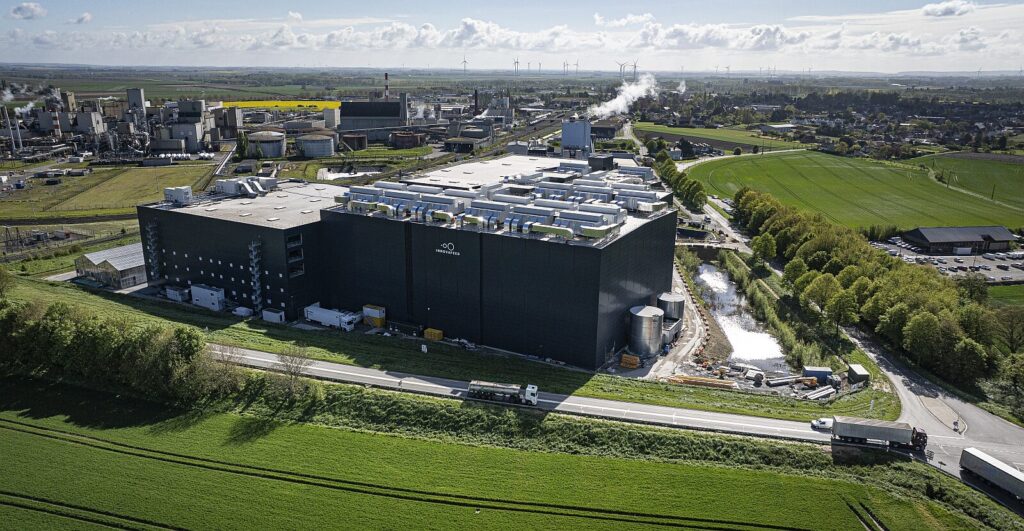
Contextual Background on Innovafeed’s Strategic Movements Innovafeed, a prominent player in the French insect agriculture sector, has recently secured €51 million (approximately $59 million) in funding. This financial boost aims to enhance its operations at its commercial-scale black soldier fly larvae production facility located in Nesle, France. As part of a strategic reorganization, Innovafeed plans to streamline its operations, which includes a workforce reduction of 60 employees from its research and development (R&D) site in Gouzeaucourt. This restructuring is anticipated to pave the way for increased efficiency and profitability by 2027, as the firm continues to innovate within the sustainable aquaculture space. Main Goal of Innovafeed’s Initiative The primary objective articulated by Innovafeed is to achieve profitability while enhancing production capabilities. This goal is grounded in the understanding that the demand for sustainable protein sources in aquaculture is on the rise. By consolidating its R&D efforts and operationalizing its facility in Nesle, Innovafeed aims to leverage technological advancements that will allow for optimized production processes, thus meeting the evolving market needs for sustainable aquaculture solutions. Advantages of Innovafeed’s Strategic Direction Increased Production Efficiency: Innovafeed has reported a tenfold increase in production volumes at its Nesle facility, indicating significant progress in operational efficiency. Cost Reduction: The company claims to have reduced production costs by a factor of seven, underscoring enhanced economic viability. This cost reduction is critical for maintaining competitiveness in the insect protein market. Market Demand Alignment: The partnerships established with clients in aquaculture and pet food sectors have demonstrated a willingness to pay a premium for high-quality, sustainable ingredients, ensuring a favorable market position. Innovative Technological Integration: The consolidation of R&D activities into the Nesle facility allows for a more integrated approach to innovation, facilitating the development of advanced production techniques and product optimization. Scalability Potential: The operational maturity attained at Nesle, characterized by stable production parameters, positions Innovafeed as a leader in the insect agriculture sector, particularly in terms of scale. Caveats and Limitations Despite these advantages, several challenges persist. The insect agriculture industry has witnessed numerous failures, prompting caution among investors and stakeholders. The closure of the Gouzeaucourt site indicates potential risks in transitioning from R&D to full-scale production, which could affect future operational continuity. Additionally, the firm’s capacity for scaling operations sustainably will be tested as it navigates the complexities of regulatory frameworks and market dynamics. Future Implications and the Role of AI As the sector evolves, the integration of artificial intelligence (AI) is poised to play a transformative role in the insect agriculture domain. AI technologies can enhance operational efficiencies by optimizing production parameters and improving supply chain management. Predictive analytics may assist in forecasting demand trends, enabling firms like Innovafeed to align production with market needs dynamically. Furthermore, AI-driven innovations can facilitate enhanced monitoring of environmental impacts, ensuring compliance with sustainability standards. Overall, the future of insect agriculture will likely be characterized by advanced technological integrations that promote efficiency, sustainability, and profitability. Disclaimer The content on this site is generated using AI technology that analyzes publicly available blog posts to extract and present key takeaways. We do not own, endorse, or claim intellectual property rights to the original blog content. Full credit is given to original authors and sources where applicable. Our summaries are intended solely for informational and educational purposes, offering AI-generated insights in a condensed format. They are not meant to substitute or replicate the full context of the original material. If you are a content owner and wish to request changes or removal, please contact us directly. Source link : Click Here

Context The recent advancements in agricultural technology have prompted a growing emphasis on the integration of artificial intelligence (AI) and robotics into farming practices. The FARMAR project, with Forth UK as a key industry partner, exemplifies this trend by aiming to merge traditional agricultural knowledge with state-of-the-art robotic systems. This initiative’s primary focus is to enhance agricultural resilience, sustainability, and efficiency, thereby addressing pressing challenges faced by the AgriTech sector. Main Goal of FARMAR The overarching objective of the FARMAR project is to develop intelligent robotic systems that can assist in modern farming while preserving the local heritage of agricultural practices. This goal is to be achieved through a collaborative approach that brings together experts in various fields, including technology, agriculture, economics, and social sciences. By employing AI and robotics, the project aspires to support farmers in adapting to contemporary challenges such as labor shortages, climate variations, and increasing operational costs. Advantages of the FARMAR Initiative Enhanced Efficiency: The incorporation of smart ground and aerial robots, which learn from real farming practices, promises to streamline farming operations, thereby increasing productivity. Sustainability: By focusing on sustainable practices, FARMAR aims to improve the ecological footprint of agricultural activities, aligning with global sustainability goals. Local Heritage Preservation: The project emphasizes the importance of integrating local farming knowledge into automated systems, thereby maintaining cultural connections to agricultural practices. Collaboration Across Disciplines: The involvement of experts from various fields ensures that the solutions developed will be comprehensive and consider the multifaceted nature of agricultural challenges. Real-Time Problem Solving: The deployment of robots equipped with on-site computers facilitates immediate responses to farming issues, which can significantly enhance farm management. Limitations While the FARMAR project holds significant promise, it is essential to acknowledge potential limitations. The reliance on technology may introduce challenges related to data privacy, legal regulations, and the cultural adaptation of automated systems in diverse agricultural settings. Moreover, the successful implementation of robotic solutions requires continuous training and oversight by farmers to ensure optimal performance. Future Implications of AI in Agriculture As AI technology continues to evolve, its implications for the agricultural sector are profound. Future developments may lead to even more sophisticated robotic systems capable of performing complex tasks autonomously. This could significantly alleviate the labor burden on farmers, allowing them to focus on strategic decision-making rather than routine tasks. Additionally, advancements in AI could facilitate predictive analytics, enabling farmers to anticipate challenges such as pest outbreaks or crop diseases before they escalate. Ultimately, the integration of AI into agriculture has the potential to revolutionize farming practices, making them more efficient, resilient, and sustainable. Disclaimer The content on this site is generated using AI technology that analyzes publicly available blog posts to extract and present key takeaways. We do not own, endorse, or claim intellectual property rights to the original blog content. Full credit is given to original authors and sources where applicable. Our summaries are intended solely for informational and educational purposes, offering AI-generated insights in a condensed format. They are not meant to substitute or replicate the full context of the original material. If you are a content owner and wish to request changes or removal, please contact us directly. Source link : Click Here
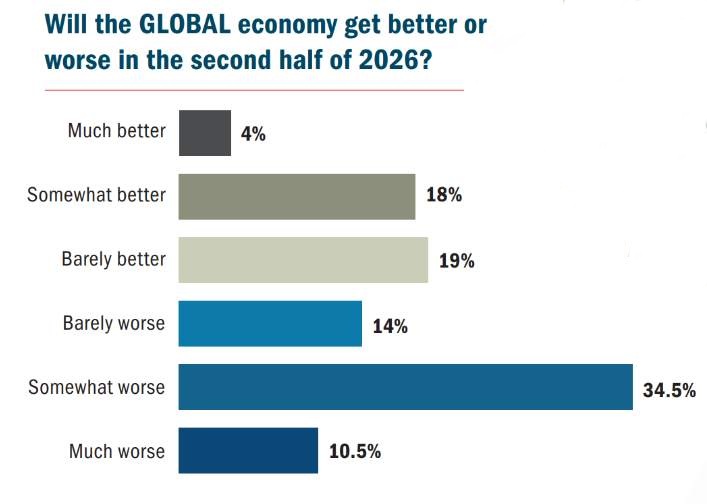
Contextual Overview of the AgriBusiness Global Mid-Year Survey The 2026 AgriBusiness Global Mid-Year Survey provides an insightful snapshot of the agribusiness sector’s resilience amidst global economic challenges. Despite the prevailing market pressures, a significant proportion of respondents expressed optimism regarding their companies’ profitability and growth trajectories relative to the previous year. This sentiment is particularly notable in the context of ongoing fluctuations in global trade policies, supply chain disruptions, and environmental factors that have historically impacted the agricultural sector. Main Goals and Strategies for Achieving Growth The primary goal highlighted in the survey is the continuous pursuit of profitability and market expansion within the agribusiness sector. This objective can be achieved through strategic initiatives such as diversifying product lines, exploring new geographical markets, and enhancing operational efficiencies. Companies are encouraged to adopt innovative practices that leverage technology and data analytics to optimize resources and respond dynamically to market demands. Advantages of Resilience in Agribusiness Increased Profitability: The survey indicates that a majority of companies anticipate revenue growth in 2026 compared to 2025, underscoring a collective confidence in the sector’s recovery and profitability. Innovation in Product Development: A significant number of respondents indicated plans to develop new product lines, which can enhance competitiveness and meet the evolving needs of consumers. Market Expansion Opportunities: The intention to launch products in new countries reflects a proactive approach to capturing emerging markets and diversifying revenue streams. Adaptation to Economic Changes: The survey results suggest that companies are increasingly aware of economic factors affecting their operations, such as U.S. tariffs. This awareness enables businesses to formulate strategic responses to mitigate potential adverse effects. However, it is essential to recognize the caveat that while optimism prevails, external factors such as geopolitical tensions and climate change remain potential disruptors that could impact these growth plans. Future Implications and the Role of AI in Agribusiness Looking ahead, advancements in artificial intelligence (AI) are poised to significantly transform the agribusiness landscape. AI-driven technologies can enhance predictive analytics, enabling companies to make data-informed decisions regarding crop management, supply chain optimization, and consumer engagement. Moreover, AI can facilitate the development of precision agriculture techniques, improving resource efficiency and sustainability practices. As the industry embraces these technologies, the potential for enhanced productivity and resilience in the face of ongoing market pressures will undoubtedly increase. Disclaimer The content on this site is generated using AI technology that analyzes publicly available blog posts to extract and present key takeaways. We do not own, endorse, or claim intellectual property rights to the original blog content. Full credit is given to original authors and sources where applicable. Our summaries are intended solely for informational and educational purposes, offering AI-generated insights in a condensed format. They are not meant to substitute or replicate the full context of the original material. If you are a content owner and wish to request changes or removal, please contact us directly. Source link : Click Here

Contextual Background The cultivation of heirloom tomatoes presents unique opportunities for farmers seeking to enhance their crop diversity and market appeal. Heirloom tomatoes, characterized by their open-pollinated nature and historical significance, offer a plethora of varieties ranging from slicers and beefsteaks to cherries. These varieties are not only cherished for their taste but also for their potential to adapt to different agricultural practices and climates. For AgriTech innovators, understanding the nuances of these heirloom varieties can lead to better breeding and cultivation practices, ultimately supporting sustainable agricultural methods. Main Goals of Heirloom Tomato Cultivation The primary goal of growing heirloom tomatoes is to preserve their genetic diversity while maximizing their yield and flavor potential. Achieving this involves selecting varieties that are well-suited to local climates and growing conditions. Farmers are encouraged to leverage their knowledge of seasonal lengths and climate tendencies to determine which varieties will thrive in their specific environments. This approach not only increases the likelihood of successful harvests but also enables breeders to develop unique varieties that meet market demands. Advantages of Heirloom Tomato Cultivation Diverse Flavor Profiles: Heirloom tomatoes are renowned for their rich flavors and unique textures, which can significantly enhance culinary applications. Varieties such as the Cherokee Purple and San Marzano are sought after for their exceptional taste, attracting customers who seek quality produce. Genetic Diversity: The open-pollinated nature of heirloom tomatoes facilitates genetic diversity, which is essential for resilience against pests and diseases. This genetic variability allows growers to cultivate varieties that can withstand local environmental challenges. Market Differentiation: Growing heirloom tomatoes can provide a competitive edge in the marketplace. Unique varieties can attract niche markets, thereby enhancing profitability and customer loyalty. Breeding Opportunities: The adaptability of heirloom varieties offers breeding potential for farmers interested in developing new cultivars tailored to specific needs or preferences. This can lead to increased sustainability within farming practices. Caveats and Limitations While the benefits of heirloom tomato cultivation are substantial, there are limitations to consider. Heirloom varieties often have lower yields compared to hybrid counterparts, which can pose challenges for large-scale commercial farming. Additionally, these tomatoes may require specific growing conditions and increased management practices to thrive, necessitating a more hands-on approach from farmers. Future Implications of AI in Heirloom Tomato Cultivation As AgriTech continues to evolve, the integration of artificial intelligence (AI) into the agricultural sector promises to revolutionize heirloom tomato cultivation. AI technologies can enhance data collection regarding growth patterns, soil health, and climate impacts, allowing for more precise cultivation strategies. Predictive analytics can assist farmers in making informed decisions about which heirloom varieties to plant based on real-time environmental data. Furthermore, AI-driven genetic analysis could facilitate more effective breeding programs, leading to the development of heirloom varieties that are better adapted to changing climate conditions. Conclusion The cultivation of heirloom tomatoes stands as a testament to the intersection of tradition and innovation within agriculture. By understanding the advantages and limitations of these varieties, AgriTech innovators can play a pivotal role in preserving genetic diversity while enhancing crop resilience and market appeal. The future of heirloom tomato cultivation looks promising, especially with the anticipated advancements in AI, which will further refine cultivation practices and contribute to sustainable agricultural development. Disclaimer The content on this site is generated using AI technology that analyzes publicly available blog posts to extract and present key takeaways. We do not own, endorse, or claim intellectual property rights to the original blog content. Full credit is given to original authors and sources where applicable. Our summaries are intended solely for informational and educational purposes, offering AI-generated insights in a condensed format. They are not meant to substitute or replicate the full context of the original material. If you are a content owner and wish to request changes or removal, please contact us directly. Source link : Click Here


