Context and Overview
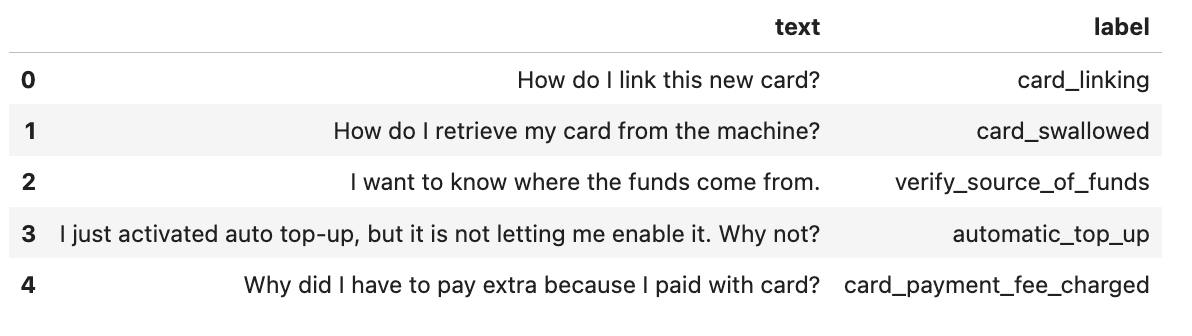
The advent of advanced artificial intelligence models has significantly transformed the landscape of decision-making in varied applications. Recently, TypeSafe.AI introduced a novel model named Jev, which they assert is a pioneering example of a System One model, distinctly divergent from the conventional large language models (LLMs) that have dominated discussions in the AI community for several years. This new model is particularly adept at handling everyday tasks, such as classification and evaluative roles, leading to a deeper exploration of its capabilities in practical scenarios.
Main Goals and Achievements
The primary objective of introducing the System One model is to enhance decision-making processes by leveraging a structured approach to output generation. Unlike traditional LLMs that predict subsequent tokens and produce expansive text, System One models like Jev are engineered to evaluate specific states and deliver precise, structured answers. This goal can be realized through the utilization of Reinforcement Learning for Calibrated Decisions (RLCD), which educates the model to yield both decisions and confidence probabilities, thus improving the reliability of its outputs.
Advantages of System One Models
- Structured Responses: System One models generate structured outputs rather than free-form text, enhancing the clarity and utility of responses in applications such as customer support and intent classification.
- Confidence Scores: A critical feature of Jev is its ability to provide confidence probabilities for its decisions. This allows practitioners to gauge the model’s certainty and make informed decisions about when to rely on automated responses versus human intervention.
- Enhanced Efficiency: TypeSafe claims that Jev operates at a remarkable speed, being 193.6 times faster than conventional models. This efficiency is crucial for applications that require quick decision-making, such as customer service systems.
- Cost-Effectiveness: With claims of being 444.6 times cheaper, Jev presents a financially viable option for businesses looking to integrate AI without incurring exorbitant operational costs.
However, it is essential to note that while these advantages are compelling, there are limitations. For instance, Jev’s accuracy in comparison to established models like OpenAI’s Terra and Luna was found to be lower, indicating that more extensive testing and validation may be necessary before widespread adoption.
Future Implications
The continuous evolution of AI and machine learning technologies signals a promising trajectory for the development of advanced decision-making models. As practitioners increasingly embrace System One models, we can anticipate a paradigm shift in how AI is utilized across industries. The ability to integrate confidence levels into decision-making processes may lead to more sophisticated workflows, where automated systems handle straightforward queries while more complex issues are escalated to human operators. This division of labor could optimize resource allocation and improve overall operational efficiency.
Looking ahead, as the technology matures, we may witness further enhancements in the precision and reliability of these models. The integration of feedback mechanisms and user data could refine the learning processes, resulting in systems that not only make decisions but also adapt and improve over time.
Disclaimer
The content on this site is generated using AI technology that analyzes publicly available blog posts to extract and present key takeaways. We do not own, endorse, or claim intellectual property rights to the original blog content. Full credit is given to original authors and sources where applicable. Our summaries are intended solely for informational and educational purposes, offering AI-generated insights in a condensed format. They are not meant to substitute or replicate the full context of the original material. If you are a content owner and wish to request changes or removal, please contact us directly.
Source link :