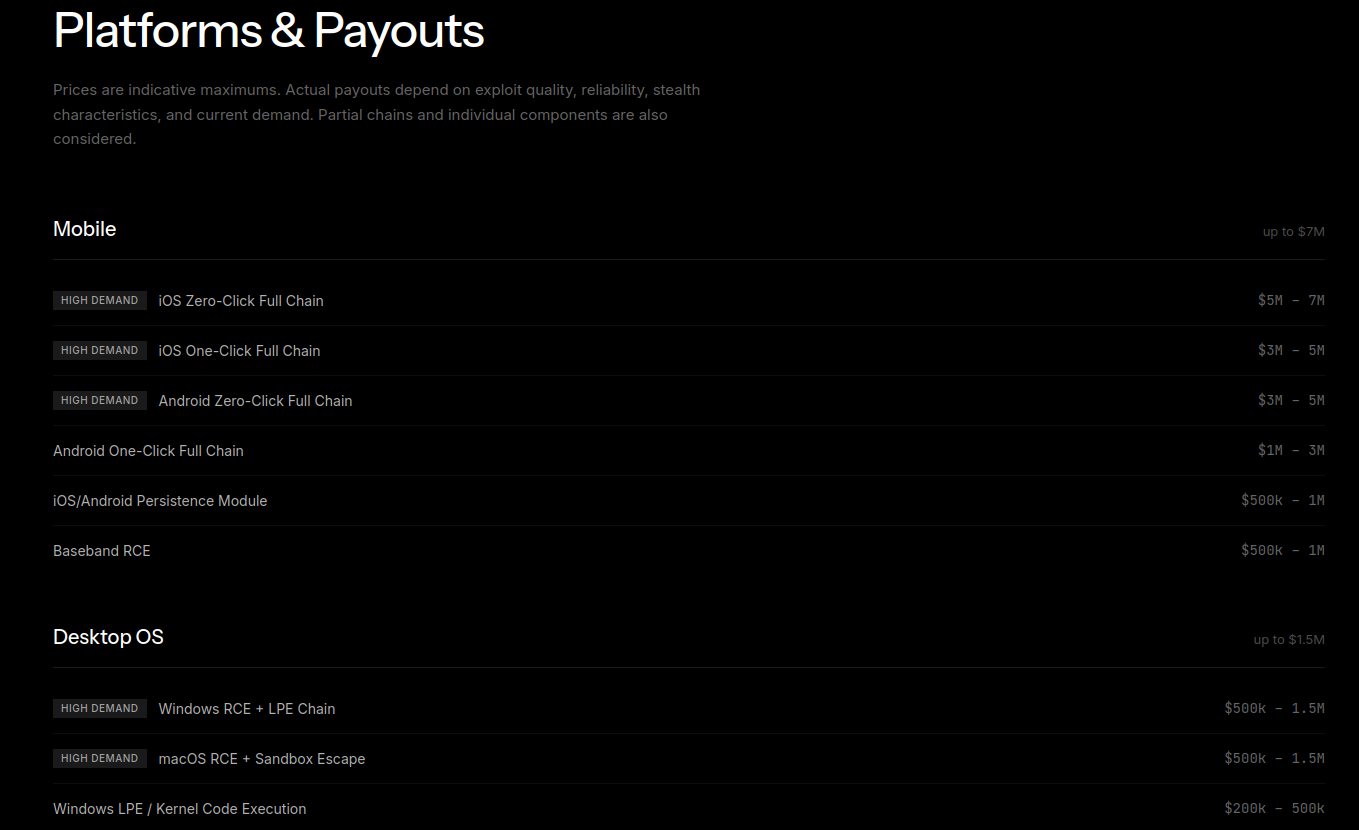
The landscape of cybersecurity is continuously evolving, marked by the emergence of startups that offer innovative yet controversial solutions. One such entity is IRIS C2, a cybersecurity startup that claims to facilitate the acquisition of zero-day vulnerabilities in widely used software. The company’s operations are managed by individuals with contentious backgrounds, including prior convictions and allegations of fraudulent practices. This context raises questions regarding the credibility and ethical considerations of such startups within the cybersecurity domain, particularly in relation to their impact on data engineering and the broader implications for the industry.
The primary objective of a startup like IRIS C2 is to attract talented vulnerability researchers and exploit developers while capitalizing on the lucrative market for zero-day exploits. By offering significant financial incentives for discovering security vulnerabilities, IRIS C2 aims to establish itself as a leading player in the offensive cybersecurity space. Achieving this goal hinges on the ability to build a reputation that attracts skilled professionals, despite the questionable ethics associated with its founders and their previous ventures. Furthermore, the startup’s success is contingent upon its ability to navigate the regulatory landscape and establish trust among potential clients, particularly within government sectors.
Despite the potential advantages, there are significant caveats associated with engaging in the offensive cybersecurity market. The ethical implications of working with startups founded by individuals with questionable histories raise concerns about the integrity of the information provided. Moreover, the lack of oversight in the acquisition and dissemination of zero-day vulnerabilities could potentially expose government and private sector clients to greater risks if such vulnerabilities are not responsibly managed. Additionally, the financial model may incentivize researchers to prioritize profit over ethical considerations, leading to a potential undermining of cybersecurity practices.
As artificial intelligence (AI) technology advances, its integration into offensive cybersecurity practices is likely to become more prevalent. AI can enhance the ability to identify vulnerabilities and automate exploit development processes, potentially increasing the efficiency of startups like IRIS C2. However, this also raises the stakes regarding the ethical use of such technologies. With AI-driven cyberattacks becoming more sophisticated, the need for robust regulatory frameworks and ethical guidelines will be paramount to ensure that advancements in cybersecurity do not inadvertently contribute to malicious activities. Moreover, the intersection of AI and cybersecurity will necessitate a reevaluation of current practices in the field of data engineering, emphasizing the need for professionals to adapt to emerging technologies while maintaining a commitment to ethical standards.
Disclaimer
The content on this site is generated using AI technology that analyzes publicly available blog posts to extract and present key takeaways. We do not own, endorse, or claim intellectual property rights to the original blog content. Full credit is given to original authors and sources where applicable. Our summaries are intended solely for informational and educational purposes, offering AI-generated insights in a condensed format. They are not meant to substitute or replicate the full context of the original material. If you are a content owner and wish to request changes or removal, please contact us directly.
Source link :