Context and Significance of Mixed Reality in Human-AI Collaboration
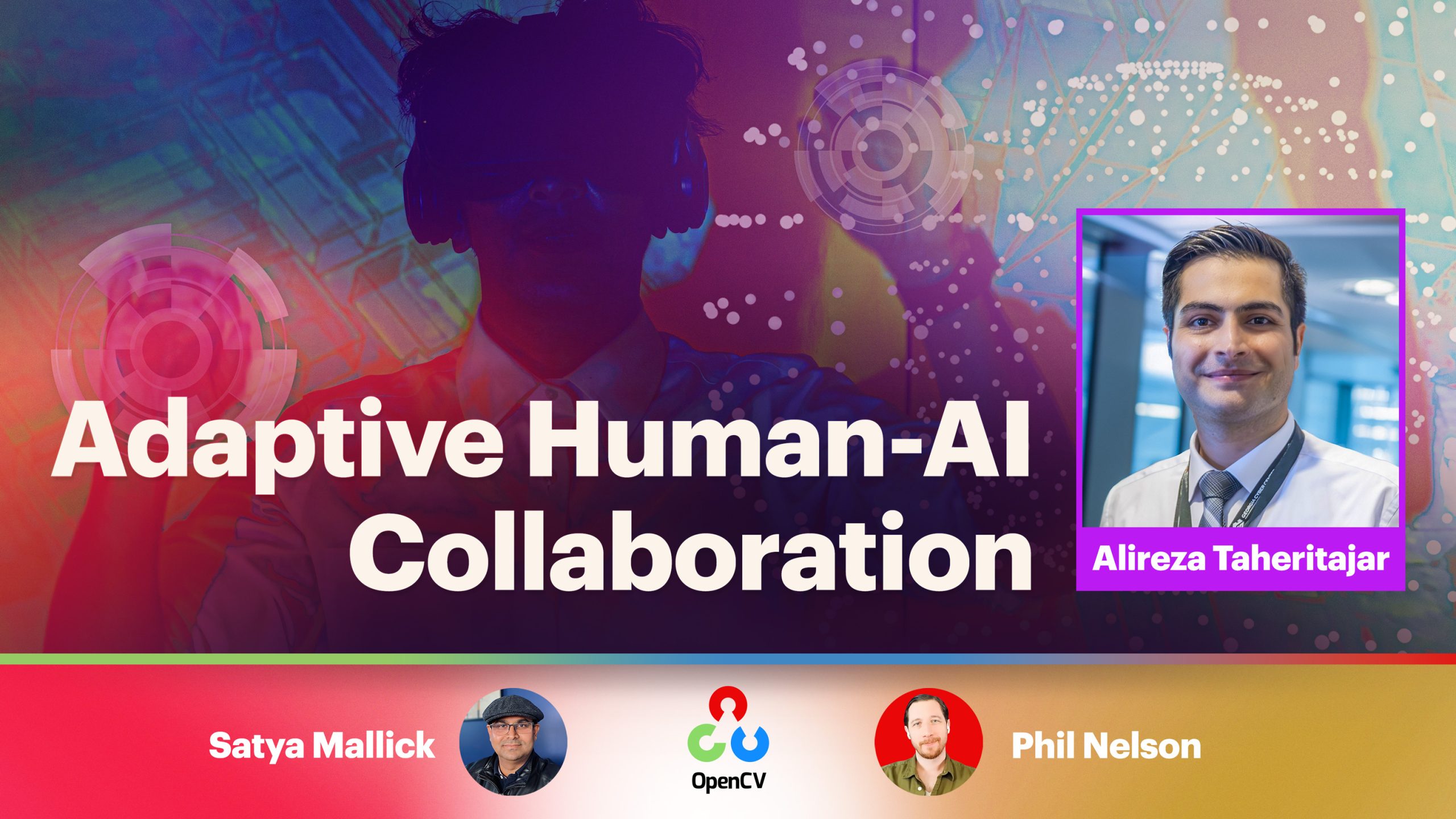
In recent years, the field of Computer Vision and Image Processing has experienced significant advancements, particularly with respect to the integration of Artificial Intelligence (AI) and Mixed Reality (MR) technologies. The emergence of in-situ intelligent mixed reality assistants represents a paradigm shift in how humans collaborate with AI systems in real-time environments. These systems leverage improvements in camera capabilities, lens resolution, and computational power to create immersive experiences that enhance human decision-making processes. Such advancements are not merely technological upgrades; they are catalysts for enhancing productivity and innovation across various sectors, including healthcare, manufacturing, and education.
Main Goal of Mixed Reality Assistants
The primary objective of the implementation of in-situ intelligent mixed reality assistants is to facilitate adaptive human-AI collaboration. This goal can be achieved by utilizing MR overlays to provide context-sensitive information to users, thereby augmenting their cognitive capabilities. By merging digital content with the physical environment, these systems aim to bridge the gap between human intuition and machine intelligence, allowing for seamless interactions that improve situational awareness and operational efficiency.
Advantages of In-Situ Intelligent Mixed Reality Assistants
- Enhanced Decision-Making: Mixed reality environments enable users to visualize complex data in real-time, facilitating faster and more informed decision-making. Evidence from recent applications demonstrates that professionals who utilize MR tools exhibit improved accuracy and speed in their tasks.
- Increased Engagement: By creating immersive experiences, MR assistants significantly enhance user engagement. This increased interaction can lead to more effective training and educational outcomes, as users retain information better when they can visualize and manipulate data within a mixed reality context.
- Collaboration Across Distances: MR technologies facilitate remote collaboration, allowing teams to work together regardless of their physical locations. This capability is particularly beneficial in global organizations where team members may be distributed across various geographies.
- Real-Time Feedback: The integration of AI with MR allows for real-time data analysis and feedback, empowering users to make immediate corrections and optimizations to their processes. This dynamic interaction reduces the latency typically associated with traditional data processing methods.
Caveats and Limitations
Despite the numerous advantages, several limitations must be acknowledged. The effectiveness of mixed reality systems is highly contingent on the quality of underlying hardware and software, which can be prohibitively expensive. Additionally, there are challenges related to user adaptation; not all individuals may find the transition to MR environments intuitive. Furthermore, privacy concerns regarding data collection and usage in MR systems must be carefully managed to ensure user trust and compliance with regulations.
Future Implications of AI Developments in Mixed Reality
Looking ahead, the convergence of AI and mixed reality technologies holds substantial promise for the future of human-AI collaboration. As AI algorithms continue to evolve, the capabilities of mixed reality systems are expected to expand, enabling them to learn from user interactions and adapt more intelligently over time. This evolution could lead to the development of highly personalized MR experiences that cater to individual user needs and preferences, thereby enhancing productivity and creativity in various fields. The growing integration of AI in MR systems will likely also drive innovation in related technologies, further transforming industries and improving outcomes.
Disclaimer
The content on this site is generated using AI technology that analyzes publicly available blog posts to extract and present key takeaways. We do not own, endorse, or claim intellectual property rights to the original blog content. Full credit is given to original authors and sources where applicable. Our summaries are intended solely for informational and educational purposes, offering AI-generated insights in a condensed format. They are not meant to substitute or replicate the full context of the original material. If you are a content owner and wish to request changes or removal, please contact us directly.
Source link :