Vision Language Models (VLMs) represent a significant advancement in artificial intelligence, uniquely capable of interpreting both visual and textual information. Unlike their predecessors, such as CLIP and BLIP, which primarily bridged images and text, modern VLMs extend their capabilities to encompass complex tasks, including image analysis, document comprehension, chart interpretation, and interactive multimodal engagements. This evolution has made VLMs indispensable across various sectors including education, healthcare, business, automation, and accessibility, enhancing the practical applications of visual AI in real-world scenarios.
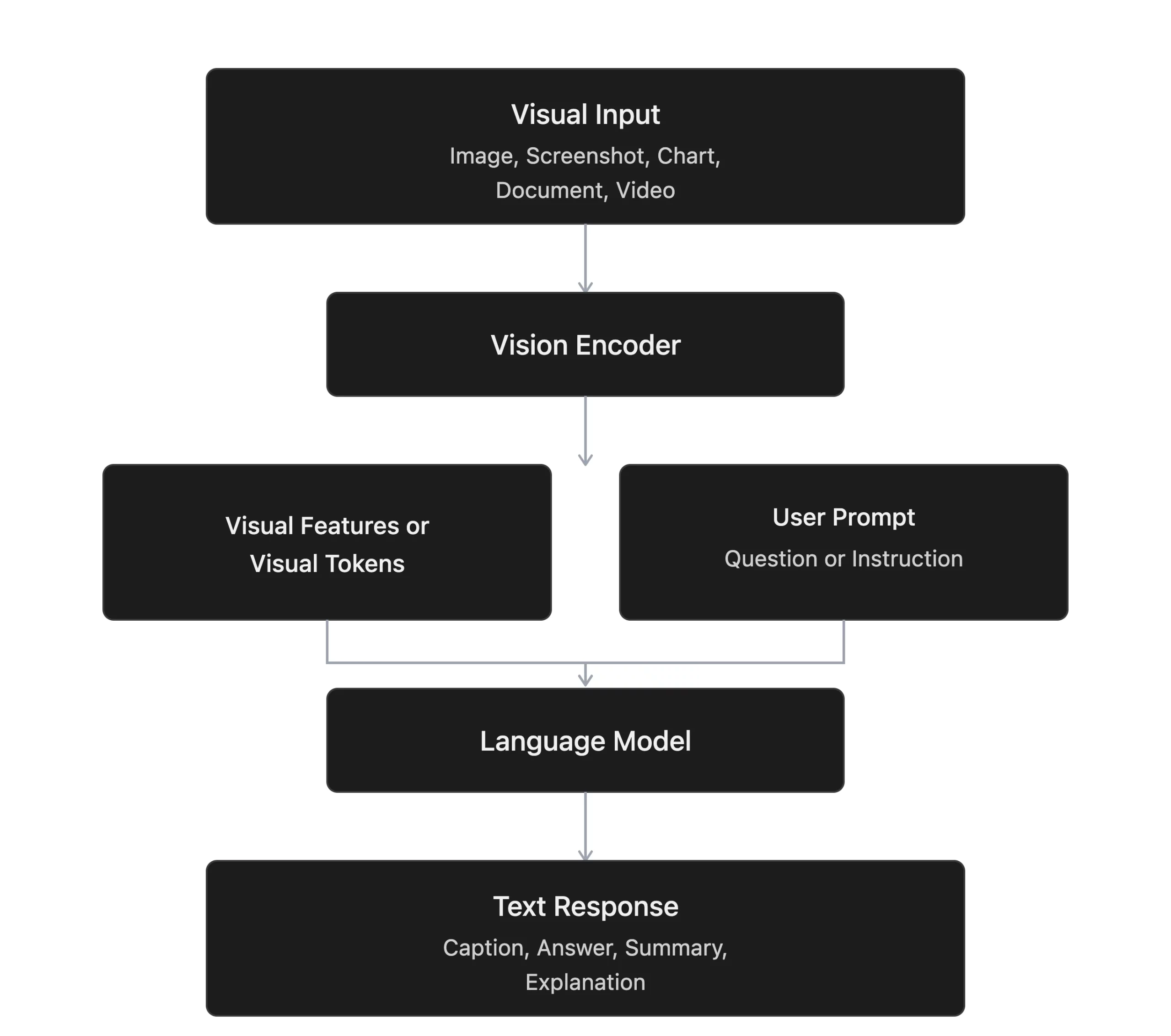
Modern Vision Language Models are sophisticated AI systems engineered to process and understand visual content alongside language. These models are not limited to object recognition; they can articulate contextual narratives, respond to inquiries, read textual data within images, interpret layouts, and perform comparative analyses of visual information. By integrating a vision system that translates images into actionable visual features and a large language model that leverages these features in response to user prompts, VLMs provide a comprehensive approach to understanding multimodal inputs.
While CLIP and BLIP laid the groundwork for early VLM development by demonstrating the potential for mapping images and text, modern VLMs have evolved to function as comprehensive multimodal assistants. They possess the capability to execute instructions, engage in dialogue, analyze documents, and reason through visual details. This transition marks a paradigm shift, transforming VLMs from mere image-text models into versatile tools that facilitate user action based on visual context interpretation.
Key examples of modern VLMs, such as GPT-4o, Gemini, Claude Vision, and Qwen-VL, exemplify the remarkable capabilities of contemporary AI technology. Each model showcases unique strengths:
The primary distinctions among these models lie in their unique strengths and ideal use cases. For instance, GPT-4o is tailored for interactive user assistance, while Gemini is adept at comprehensive analysis. Conversely, Claude Vision is designed for precise visual communication, and Qwen-VL focuses on structured visual understanding. These differences underscore the importance of selecting the appropriate VLM based on the specific requirements of a task.
| Strengths of Modern VLMs | Limitations of Modern VLMs |
| Ability to understand and articulate visual content in natural language. | Potential to overlook subtle details or misinterpret unclear images. |
| User-friendly compared to traditional computer vision systems. | May present confident but inaccurate answers. |
| Capable of diverse tasks such as summarizing documents and supporting multimodal conversations. | Challenges with complex visuals, low-quality images, and contextually rich tasks. |
| Facilitates faster understanding of intricate information. | Requires substantial computational resources for effectiveness. |
The ongoing advancements in VLM technology hold significant implications for various sectors. As these models improve in their ability to interpret visual data and provide contextually relevant insights, they will increasingly influence how professionals engage with visual information. For data engineers and analysts, the integration of VLMs into data workflows can enhance efficiency, reduce manual data processing, and facilitate deeper insights into complex datasets. However, as VLMs become more prevalent, the importance of human oversight will remain critical, particularly in sensitive areas such as healthcare and finance, where nuanced understanding is paramount.
Modern Vision Language Models mark a pivotal development in AI, bridging the gap between visual and linguistic understanding. The transition from earlier models to contemporary VLMs like GPT-4o, Gemini, Claude Vision, and Qwen-VL exemplifies the growing sophistication of AI technologies. While these models offer impressive capabilities across multiple industries, careful consideration of their limitations and the necessity for human oversight will be essential as their applications expand.
A. Modern Vision Language Models are AI systems that understand and process images and text together, enabling them to describe visuals, read documents, and answer visual questions.
A. CLIP and BLIP focused on matching images with text, while modern VLMs can execute complex tasks such as analyzing documents and engaging in conversations.
A. Modern VLMs may miss intricate details, misinterpret unclear visuals, and require significant computational power for optimal performance.
Disclaimer
The content on this site is generated using AI technology that analyzes publicly available blog posts to extract and present key takeaways. We do not own, endorse, or claim intellectual property rights to the original blog content. Full credit is given to original authors and sources where applicable. Our summaries are intended solely for informational and educational purposes, offering AI-generated insights in a condensed format. They are not meant to substitute or replicate the full context of the original material. If you are a content owner and wish to request changes or removal, please contact us directly.
Source link :