
Contextual Overview The ongoing geopolitical tensions between the United States and China, particularly regarding economic sanctions and trade relations, have significant implications for financial professionals navigating the complexities of international finance. Recent developments, such as the U.S. ramping up pressure through secondary sanctions related to Iran, underscore the delicate balance both nations maintain in their efforts to cooperate economically despite heightened tensions. This situation is further complicated by President Trump’s assertions regarding potential sanctions on Chinese banks, highlighting the intricate interplay between political rhetoric and economic realities. Main Goal and Its Achievement The principal aim of the current U.S.-China negotiations is to establish a framework for bilateral cooperation while mitigating the risks posed by economic sanctions. Achieving this goal necessitates open lines of communication and strategic dialogue, as evidenced by recent meetings between U.S. Ambassador to China David Perdue and Chinese officials. This cooperative stance is crucial, as it allows both countries to explore avenues for collaboration, even amidst pronounced political posturing. Financial professionals must actively monitor these developments to adapt their strategies accordingly. Advantages for Financial Professionals Enhanced Compliance Strategies: Financial institutions can develop robust compliance frameworks to navigate complex sanctions and regulatory requirements, mitigating risks associated with non-compliance. This is exemplified by the legal mechanisms that allow Chinese companies to align with U.S. rules while prioritizing domestic laws. Informed Decision-Making: Access to updated geopolitical insights enables financial professionals to make informed investment decisions, particularly in markets influenced by U.S.-China relations. Understanding the implications of sanctions on specific sectors can lead to better risk assessment and management. Market Opportunities: The potential for high-level interactions and negotiations between the U.S. and China may open new avenues for cross-border investments and collaborations, providing financial professionals with opportunities to diversify their portfolios. Resilience in Trade Dynamics: The commitment to maintaining a trade truce suggests a mutual recognition of the detrimental impacts of a trade war, allowing financial professionals to better predict market behavior and adjust their strategies to remain competitive. Future Implications of AI Developments As the landscape of international finance continues to evolve, the integration of artificial intelligence (AI) within financial services is poised to transform how financial professionals operate. AI technologies can facilitate enhanced data analysis, enabling professionals to better forecast market trends and identify potential risks associated with geopolitical developments. Additionally, AI-driven compliance tools can streamline the monitoring of sanctions and regulatory changes, thereby improving operational efficiency. Looking forward, the intersection of AI and international finance will likely yield sophisticated tools for real-time risk assessment and decision-making. This evolution will empower financial professionals to navigate the complexities of U.S.-China relations more effectively, ensuring that they remain agile in an increasingly dynamic environment. Disclaimer The content on this site is generated using AI technology that analyzes publicly available blog posts to extract and present key takeaways. We do not own, endorse, or claim intellectual property rights to the original blog content. Full credit is given to original authors and sources where applicable. Our summaries are intended solely for informational and educational purposes, offering AI-generated insights in a condensed format. They are not meant to substitute or replicate the full context of the original material. If you are a content owner and wish to request changes or removal, please contact us directly. Source link : Click Here

Contextual Framework of Team Selection in Rugby In the contemporary landscape of rugby union, strategic team selection plays a pivotal role in not only immediate game outcomes but also in long-term squad development. This is exemplified by the Wallabies’ recent decision to rotate their forward pack for an upcoming test against Argentina, while opting to bench high-profile recruit Joseph-Aukuso Suaalii. Coach Les Kiss has indicated that this rotation is a deliberate strategy aimed at deepening the squad’s overall capabilities ahead of next year’s World Cup. By resting established players like captain Harry Wilson and integrating lesser-utilized players such as Isaac Kailea, the coaching staff is exploring the depth of talent available, thereby preparing for varied match conditions and opponents. Main Goal of Team Rotation and Depth Development The primary goal of the Wallabies’ approach to team selection is to enhance the depth of the squad. This strategy is not merely about winning immediate matches; it involves cultivating a versatile team that can adapt to different challenges. Coach Kiss expressed a commitment to understanding how far the team can stretch its resources in each position, indicating a nuanced approach to player management. By reshaping the forward pack and maintaining stability in the backline, the team aims to create a sense of continuity that could benefit performance in high-stakes scenarios. Advantages of Strategic Team Rotation Enhanced Squad Depth: By rotating players, the Wallabies can assess the capabilities of their entire roster, ensuring that all athletes are match-ready, which is crucial for tournament play. Injury Mitigation: Resting key players reduces the risk of injury, allowing them to recover adequately and maintain peak performance for critical matches. Versatile Player Utilization: The opportunity to explore various positional roles allows the coaching staff to discover optimal player placements for future games, thus fostering a more adaptable squad. Improved Team Cohesion: Regularly involving different players can enhance team dynamics as athletes develop familiarity with each other’s playing styles and strategies. However, it is essential to consider the potential limitations of such a strategy. Frequent changes in the lineup may disrupt established team chemistry and lead to inconsistencies in performance. Additionally, the integration of new players into pivotal positions may require time for adjustment, which could impact the immediate performance of the team. Future Implications of AI in Sports Analytics The ongoing advancements in artificial intelligence (AI) are poised to revolutionize sports analytics, significantly impacting team selection strategies in rugby and other sports. AI-driven analytics tools can provide detailed insights into player performance, injury risks, and even psychological readiness, allowing coaching staff to make informed decisions regarding team composition. As data collection methods improve and become more sophisticated, the ability to predict player performance under varying conditions will enhance strategic planning. Moreover, AI can facilitate real-time decision-making during matches, offering coaches data-driven insights that can guide substitutions and tactical adjustments. This integration of technology into sports analytics promises to create a more dynamic and responsive approach to team management, ultimately influencing the outcomes of competitions. Disclaimer The content on this site is generated using AI technology that analyzes publicly available blog posts to extract and present key takeaways. We do not own, endorse, or claim intellectual property rights to the original blog content. Full credit is given to original authors and sources where applicable. Our summaries are intended solely for informational and educational purposes, offering AI-generated insights in a condensed format. They are not meant to substitute or replicate the full context of the original material. If you are a content owner and wish to request changes or removal, please contact us directly. Source link : Click Here

Introduction In the rapidly evolving landscape of digital marketing, the traditional approach to content creation, centered around keyword research, is becoming increasingly inadequate. While keyword analysis provides insights into search behavior, it fails to capture the underlying motivations and contextual needs of users. To enhance content effectiveness, marketers must pivot from a keyword-centric model to one that prioritizes audience situations, aligning content strategies with the genuine needs of potential customers. This shift is particularly pertinent in the context of AI-Powered Marketing, where understanding user intent is paramount. Understanding the Shift from Keywords to Audience Situations Traditional keyword research often results in superficial content that answers basic queries without addressing the complexities of user intent. This practice has led to an abundance of generic articles that fail to resonate with audiences, creating a disconnect between businesses and their potential clients. For instance, many businesses create content merely to rank for high-volume keywords, such as FAQs on basic topics, inadvertently positioning themselves against authoritative sources. To avoid this pitfall, marketers should construct content briefs that are informed by the real-world situations in which their audience finds themselves. This approach emphasizes an understanding of the customer journey, focusing on the specific contexts that drive users to seek information. By exploring these scenarios, marketers can create more meaningful content that not only attracts attention but also fosters engagement and builds trust. Main Goal and Its Achievement The primary goal of transitioning from keyword-focused briefs to audience-centric ones is to create content that effectively addresses the needs and concerns of potential customers. This can be achieved by employing a framework that incorporates the “7 W’s” as suggested by marketing expert Jenni Romaniuk. These guiding questions—Why, When, Where, While, With Whom, With/For What, and How Feeling—encourage marketers to delve deeper into the motivations behind user searches. By leveraging insights from customer-facing teams such as sales and support, marketers can gather invaluable information that informs content creation. This integration of qualitative data into the content strategy ensures that the resulting materials are not only relevant but also resonate with the audience’s real experiences and challenges. Advantages of an Audience-Centric Approach Enhanced Relevance: By focusing on user situations, marketers create content that is more aligned with audience needs, increasing its relevance. Improved Engagement: Content that addresses specific scenarios can lead to higher engagement rates, as users find solutions to their actual problems. Stronger Brand Authority: Demonstrating expertise in understanding customer contexts fosters trust and positions brands as authorities in their field. Better Customer Insights: The process of gathering data through the 7 W’s encourages a closer relationship with customers, leading to improved insights into their preferences and behaviors. Long-term Success: Focusing on audience needs rather than fleeting keyword trends supports sustainable growth and customer loyalty. However, it is essential to note that this approach may require more upfront investment in terms of research and development compared to traditional keyword strategies. Additionally, marketers must be prepared to adapt their content continuously based on evolving audience preferences. Future Implications of AI Developments The integration of AI technologies in digital marketing will significantly influence the evolution of audience-centric content strategies. As AI continues to advance in understanding natural language and user intent, marketers will gain access to even richer insights into consumer behavior. This will not only streamline the content creation process but also enhance personalization efforts, allowing brands to craft narratives that resonate on a deeper level with their audiences. Furthermore, the rise of conversational AI and chatbots is likely to shift the focus of search behavior from keywords to more nuanced inquiries. Marketers must adapt to this change by creating content that answers complex questions, reflecting the diverse situations users encounter. In doing so, businesses can maintain their relevance in an increasingly competitive digital landscape, ensuring they meet the demands of informed consumers. Conclusion In conclusion, the transition from keyword-centric content briefs to audience-focused strategies is not merely a trend but a necessary evolution in the field of digital marketing. By understanding the contextual needs of their audience and utilizing frameworks like the 7 W’s, marketers can create impactful content that drives engagement and builds brand loyalty. As AI technologies continue to develop, embracing this audience-centric approach will be crucial for businesses striving to stay relevant and competitive in the future. Disclaimer The content on this site is generated using AI technology that analyzes publicly available blog posts to extract and present key takeaways. We do not own, endorse, or claim intellectual property rights to the original blog content. Full credit is given to original authors and sources where applicable. Our summaries are intended solely for informational and educational purposes, offering AI-generated insights in a condensed format. They are not meant to substitute or replicate the full context of the original material. If you are a content owner and wish to request changes or removal, please contact us directly. Source link : Click Here

Introduction The intersection of artificial intelligence (AI) and agriculture has given rise to innovative solutions aimed at enhancing efficiency and productivity in farming practices. A notable development in this arena is the partnership between Carbon Robotics and iMerit, which has culminated in the deployment of a foundation model capable of real-time, in-field AI customization for agricultural applications. This advancement not only streamlines the weeding process but also significantly reduces the time and resources traditionally required for training AI systems in agriculture. Context and Significance Carbon Robotics has transitioned from a collection of crop-specific AI models to a singular, comprehensive “large plant model.” This model is adept at recognizing various plant structures across diverse geographical regions and species. The ability to customize the use of autonomous weeders based on farmers’ unique definitions of “crops” and “weeds” marks a significant paradigm shift in smart manufacturing and robotics within the agricultural sector. Through the use of an intuitive iPad application, farmers can efficiently tag images from their fields, enabling the AI system to learn and adapt without the need for extensive retraining. This feature ensures that the technology is accessible even to those without a deep technical background. Main Goal and Achievement The primary objective of the partnership between Carbon Robotics and iMerit is to facilitate instantaneous, in-field customization of AI algorithms for agricultural use. This goal is realized through the deployment of a pre-trained foundation model that can be rapidly adapted to the specific needs of various farming environments. By utilizing a streamlined data annotation process provided by iMerit, Carbon Robotics has effectively minimized the time lag typically associated with AI model retraining, allowing for immediate application of the technology on the farm. Advantages of the AI Foundation Model Rapid Customization: The large plant model can be tuned on-site, allowing farmers to define their unique crop and weed categories without extensive delay. Efficiency in Data Utilization: Pre-training on millions of labeled images enables the model to generalize across different plant species, improving its efficacy in diverse agricultural settings. Seamless Operation: The AI can instantly adjust its operational parameters based on user inputs, eliminating the need for new software installations or model downloads. Increased Sustainability: The ability to selectively target weeds minimizes chemical usage and promotes healthier soil ecosystems, as nutrients from the killed weeds return to the soil. Scalability: The model’s design supports a wide range of crops and geographical conditions, making it suitable for various farming operations. However, despite these advantages, it is important to note that the effectiveness of the model may vary based on the quality of the training data and the specific environmental conditions of each farm. Future Implications of AI in Agriculture The advancements achieved through the collaboration of Carbon Robotics and iMerit are indicative of a broader trend towards the integration of sophisticated AI technologies in agriculture. As these technologies continue to evolve, we can expect significant shifts in how farming practices are conducted. The potential for AI to enhance precision agriculture will likely lead to increased yields, reduced operational costs, and improved environmental sustainability. Future developments may also include enhanced machine learning algorithms that can provide predictive analytics, enabling farmers to make more informed decisions regarding crop management and resource allocation. As AI capabilities expand, the role of Industrial Technologists will become increasingly critical in optimizing these systems for real-world applications, ensuring that technological advancements are effectively translated into practical farming solutions. Conclusion The partnership between Carbon Robotics and iMerit represents a significant advancement in agricultural technology, demonstrating the potential of AI to revolutionize farming practices. By enabling rapid customization and efficient use of data, these innovations are set to enhance productivity and sustainability in the agricultural sector. As the field of AI continues to evolve, the implications for agricultural practices and the role of technologists in this transformation will be profound. Disclaimer The content on this site is generated using AI technology that analyzes publicly available blog posts to extract and present key takeaways. We do not own, endorse, or claim intellectual property rights to the original blog content. Full credit is given to original authors and sources where applicable. Our summaries are intended solely for informational and educational purposes, offering AI-generated insights in a condensed format. They are not meant to substitute or replicate the full context of the original material. If you are a content owner and wish to request changes or removal, please contact us directly. Source link : Click Here

Context The landscape of biotechnology is rapidly evolving, particularly with the integration of artificial intelligence (AI) in health and medicine. Recent developments involving partnerships between leading pharmaceutical companies, such as Merck and Moderna, highlight the transformative potential of personalized medicine. Their collaboration on a cancer vaccine demonstrates how algorithms can analyze tumor mutations to create tailored therapeutic strategies. This innovation not only signifies a leap in cancer treatment but also raises questions about regulatory frameworks and investor perceptions. Furthermore, geopolitical dynamics, such as a U.S. crackdown on Chinese biotech, could inadvertently benefit European biotechnology firms, while drug failures, like that of Alnylam’s heart drug, underscore the complex nature of clinical trials in the current environment. Main Goal and Achievement The primary objective outlined in the original content is the exploration of innovative approaches in cancer treatment and the implications of geopolitical factors on the biotech industry. Achieving this goal requires a multifaceted strategy that includes fostering collaboration between technology and pharmaceutical sectors, investing in research and development, and adapting clinical trial strategies to navigate regulatory landscapes. By leveraging AI for personalized treatment solutions, companies can enhance patient outcomes and establish a competitive edge in the market. Advantages of AI Integration in HealthTech Personalized Treatment: AI algorithms enable the analysis of individual tumor mutations, facilitating the creation of tailored vaccines that may improve patient survival rates. For instance, the Moderna-Merck collaboration exemplifies how an algorithm can select specific neoantigens for mRNA vaccines, potentially enhancing their effectiveness. Efficiency in Clinical Trials: The integration of AI can streamline clinical trial processes by identifying suitable candidates and optimizing trial designs. This can reduce costs and timeframes, making drug development more efficient. Enhanced Predictive Analytics: AI’s capability to analyze vast datasets allows for improved predictive models that can forecast treatment outcomes and patient responses, aiding in better clinical decision-making. Geopolitical Adaptability: As evidenced by the potential shift in biotech activities from the U.S. to Europe due to regulatory changes, AI can help firms adapt their strategies in response to global market dynamics, ensuring they remain competitive. Innovative Drug Development: The approval of groundbreaking treatments, such as the RAS-targeting drug for pancreatic cancer, showcases how AI-driven insights can lead to significant advancements in drug development, addressing previously untreatable conditions. However, it is important to recognize limitations, such as the proprietary nature of algorithms and the challenge of ensuring that AI-generated insights are both reliable and clinically validated. Future Implications of AI in Biotechnology The implications of AI developments in biotechnology are profound and multifaceted. As AI technologies continue to advance, they will likely transform the landscape of health and medicine by making personalized treatments the standard rather than the exception. The successful implementation of AI in therapeutic strategies can lead to new treatment paradigms, particularly in oncology, where individualized approaches are crucial. Furthermore, as the industry grapples with regulatory challenges and competition, companies that effectively harness AI will be better positioned to innovate and capture market share. The ongoing evolution of AI will also necessitate continuous dialogue among stakeholders, including regulatory bodies, to ensure that ethical considerations and patient safety remain paramount in the pursuit of technological advancement. Disclaimer The content on this site is generated using AI technology that analyzes publicly available blog posts to extract and present key takeaways. We do not own, endorse, or claim intellectual property rights to the original blog content. Full credit is given to original authors and sources where applicable. Our summaries are intended solely for informational and educational purposes, offering AI-generated insights in a condensed format. They are not meant to substitute or replicate the full context of the original material. If you are a content owner and wish to request changes or removal, please contact us directly. Source link : Click Here

Context In a significant development for the realm of enterprise artificial intelligence (AI), Rob Strechay has been appointed as the first Lead Analyst at VentureBeat. His transition from managing director and principal analyst at theCUBE Research marks a pivotal initiative by VentureBeat to enhance its focus on specialized analysis tailored for technical decision-makers. This strategic move aims to provide in-depth insights for directors, VPs, CIOs, and CTOs who are tasked with evaluating, procuring, and implementing enterprise AI solutions. The current landscape of the enterprise AI stack is rapidly evolving, demanding rigorous data analysis to support informed decision-making. Main Goal and Achievement Strategy The primary objective of this initiative is to address the pressing need for objective and actionable insights among enterprise technology leaders. As organizations transition from experimental generative AI applications to full-scale production deployments, they encounter complex challenges, such as managing multi-vendor environments, identifying security vulnerabilities in their operational pipelines, and resolving inefficiencies that impact infrastructure budgets. Achieving this goal necessitates a research framework that extends beyond conventional news coverage, thus allowing for nuanced exploration of these issues. Advantages of the Initiative Enhanced Technical Expertise: Rob Strechay’s extensive background, encompassing nearly three decades as a practitioner, product executive, and industry analyst, equips him to provide in-depth analysis of cloud infrastructure and AI deployment intricacies. Focus on Critical Areas: The research will initially concentrate on cloud infrastructure, advanced data systems, and the intersection of AI with enterprise security, ensuring relevance to current technological challenges. Empirical Data Utilization: Strechay aims to leverage empirical metrics and proprietary tracking data from VentureBeat, enhancing the credibility and utility of the insights provided to enterprise technology decision-makers. VB Pulse Surveys: The integration of monthly VB Pulse surveys into the research framework will facilitate the tracking of key areas of enterprise AI adoption, thereby providing a comprehensive overview of industry trends. Considerations and Limitations While the initiative promises substantial benefits, it is essential to acknowledge potential limitations. The reliance on empirical data may not encompass all emerging AI trends, especially in a field characterized by rapid evolution. Additionally, the effectiveness of the insights provided may vary based on the specific contexts and challenges faced by different enterprises. Future Implications of AI Developments As AI technology continues to advance, the implications for enterprise environments are profound. Future developments are likely to further complicate the landscape, necessitating even more sophisticated tools for data analysis and decision-making. Organizations will need to remain agile, adapting to new AI capabilities while ensuring the security and efficiency of their infrastructures. The increasing integration of AI into diverse sectors will also prompt a need for continuous learning and adaptation among technology leaders, underscoring the importance of resources like those offered by VentureBeat’s research initiatives. Disclaimer The content on this site is generated using AI technology that analyzes publicly available blog posts to extract and present key takeaways. We do not own, endorse, or claim intellectual property rights to the original blog content. Full credit is given to original authors and sources where applicable. Our summaries are intended solely for informational and educational purposes, offering AI-generated insights in a condensed format. They are not meant to substitute or replicate the full context of the original material. If you are a content owner and wish to request changes or removal, please contact us directly. Source link : Click Here
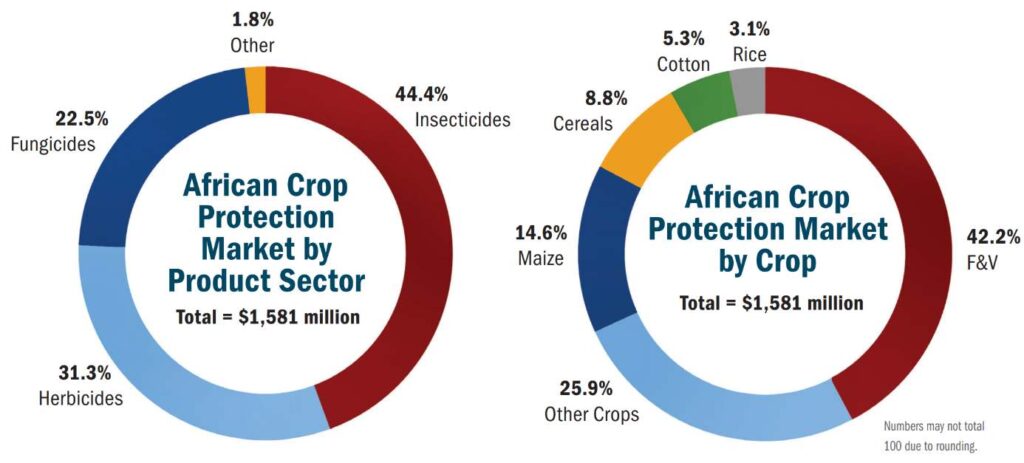
Context African agriculture has emerged as a focal point for international agribusinesses, marked by both significant growth potential and considerable uncertainty. The continent’s agricultural landscape is characterized by lower crop yields and productivity compared to established markets like Europe and North America. This disparity can be attributed to a confluence of factors, including inadequate infrastructure, variable climatic conditions, limited access to financing, and inconsistent adoption of modern agricultural technologies. However, this landscape is ripe for transformation, as the ongoing evolution within the food production value chain presents opportunities for increased efficiency and productivity. Main Goal The primary objective of optimizing Africa’s crop protection market lies in enhancing agricultural efficiency and sustainability. To achieve this goal, stakeholders must focus on several key strategies, including the introduction of innovative agricultural technologies, improved infrastructure development, and the establishment of effective financial support systems for farmers. By leveraging these strategies, the agricultural sector can enhance its productivity, thereby addressing the critical challenge of feeding a rapidly growing population. Advantages of Optimizing the Crop Protection Market Increased Productivity: The African crop protection market has witnessed growth across all sectors, particularly in herbicides and fungicides. This growth indicates a rising trend towards more effective agricultural practices, which can enhance overall productivity. Market Accessibility: Improved access to crop protection products can lead to better crop yields. As major markets like South Africa, Nigeria, and Egypt represent a significant portion of GDP and employment, enhancing access to these products is likely to benefit overall economic stability. Technological Advancements: The ongoing integration of modern agricultural technologies, such as precision farming and data analytics, can significantly improve crop management practices. This integration not only boosts yield but also promotes sustainable farming methods. Strategic Collaborations: Partnerships between local and international agribusinesses, as exemplified by recent collaborations in crop protection, can lead to shared resources and knowledge, further enhancing efficiency in the agricultural sector. Caveats and Limitations While the prospects for the African crop protection market are encouraging, several caveats must be considered. The reliance on imported fertilizers, which constitutes over 90% of Africa’s needs, exposes the region to global market fluctuations. Recent geopolitical tensions, such as conflicts affecting supply chains, can drastically impact fertilizer prices and, consequently, crop production costs. Additionally, infrastructure deficiencies and uneven distribution of water resources remain significant barriers to achieving optimal agricultural efficiency. Future Implications: The Role of AI in AgriTech The integration of artificial intelligence (AI) in agriculture is poised to revolutionize the sector in Africa. AI technologies can enhance decision-making processes related to crop management, pest control, and resource allocation, thereby optimizing yield and reducing waste. For instance, AI-driven predictive analytics can help farmers anticipate crop diseases and pest infestations, allowing for timely interventions. Furthermore, advancements in AI can facilitate precision agriculture, where inputs such as water and fertilizers are applied based on real-time data, leading to more efficient resource use. As AI technologies continue to evolve, their implementation in the African agricultural landscape can potentially address many of the challenges identified in the crop protection market. By enhancing data-driven decision-making and fostering innovative farming practices, AI can play a crucial role in transforming Africa’s agricultural sector into a more productive and sustainable entity. Disclaimer The content on this site is generated using AI technology that analyzes publicly available blog posts to extract and present key takeaways. We do not own, endorse, or claim intellectual property rights to the original blog content. Full credit is given to original authors and sources where applicable. Our summaries are intended solely for informational and educational purposes, offering AI-generated insights in a condensed format. They are not meant to substitute or replicate the full context of the original material. If you are a content owner and wish to request changes or removal, please contact us directly. Source link : Click Here

Context: The Intersection of AI and Copyright Law in Germany In recent years, the discourse surrounding artificial intelligence (AI) and copyright law has gained significant momentum, particularly in jurisdictions like Germany. While the United States frequently dominates headlines regarding intellectual property disputes involving AI, Germany has seen a series of landmark cases that underscore its proactive approach to these complex issues. Among the most notable is the case of GEMA v. Suno, which serves as a pivotal reference point for understanding the evolving landscape of copyright law as it pertains to AI-generated content. This case not only highlights the challenges faced by developers in the AI sector but also emphasizes the critical role that legal professionals play in navigating these uncharted waters. Main Goal of the Post: Understanding Jurisdiction and Copyright Implications The primary goal of the discussed post is to elucidate the implications of the GEMA v. Suno ruling, particularly regarding jurisdiction and copyright infringement in the context of AI. The decision asserts that AI developers must consider the legal ramifications of their training data, especially when it involves copyrighted material. Understanding the nuances of this case can help legal professionals advise their clients effectively and mitigate potential legal risks associated with AI technologies. By emphasizing the importance of jurisdiction in copyright cases, the ruling contributes to a broader understanding of how legal frameworks must adapt to keep pace with technological advancements. Advantages of the GEMA v. Suno Ruling Establishes Clear Jurisdictional Guidelines: The court’s decision clarifies that jurisdiction extends beyond the geographical location of the AI training to include the outputs generated within Germany. This legal precedent is crucial for both developers and legal advisors, as it provides a framework for understanding where and how copyright laws apply in the context of AI. Strengthens Copyright Protection: The ruling reinforces the notion that AI-generated outputs can infringe on copyright if they closely resemble the originals. This serves as a vital reminder for AI developers to ensure that their training data complies with copyright laws to avoid potential litigation. Encourages Ethical AI Development: By emphasizing the legal responsibilities associated with AI training, the ruling encourages developers to adopt ethical practices when sourcing and using copyrighted materials. This shift not only protects artists’ rights but also fosters a more sustainable AI ecosystem. Provides Legal Certainty: For legal professionals, the ruling offers a clearer understanding of how courts may interpret copyright in the context of AI technology. This clarity is beneficial for advising clients on compliance and risk management strategies. Future Implications: The Path Ahead for AI and Copyright Law The implications of the GEMA v. Suno ruling extend far beyond the immediate context of this case. As AI technologies continue to evolve, legal frameworks will need to adapt to address the unique challenges posed by these advancements. Future developments in AI may lead to more sophisticated models that blur the lines between original content and derivative works, necessitating further legal scrutiny. Additionally, as international collaborations in AI increase, the question of jurisdiction will become even more critical, requiring harmonization of copyright laws across borders. Furthermore, as AI-generated content becomes increasingly prevalent in various industries, there will likely be a growing demand for legal professionals who specialize in intellectual property rights. This presents an opportunity for legal experts to shape the discourse around ethical AI development and advocate for policies that protect both creators and developers. “` Disclaimer The content on this site is generated using AI technology that analyzes publicly available blog posts to extract and present key takeaways. We do not own, endorse, or claim intellectual property rights to the original blog content. Full credit is given to original authors and sources where applicable. Our summaries are intended solely for informational and educational purposes, offering AI-generated insights in a condensed format. They are not meant to substitute or replicate the full context of the original material. If you are a content owner and wish to request changes or removal, please contact us directly. Source link : Click Here

Contextual Background on GPS-Enabled Devices and Vulnerabilities Recent investigations into the security of GPS-enabled devices, particularly children’s smartwatches, have revealed alarming vulnerabilities that jeopardize user privacy and safety. Cybersecurity experts and privacy advocates have long cautioned that many inexpensive GPS devices, including smartwatches designed for children, are riddled with security flaws. These vulnerabilities not only expose users to hacking and tracking risks but also complicate the identification of insecure devices due to the overwhelming variety of brands and models available in the market. Researchers have articulated that the apparent diversity among GPS-enabled gadgets is largely illusory. For instance, a child’s smartwatch purchased in Sweden could be transmitting location data to the same insecure backend server in mainland China as another smartwatch bought in Spain. This situation illustrates the broader implications of the white-label model, where vulnerabilities in one backend system can affect numerous consumer brands simultaneously, leaving users unaware of the underlying risks associated with their devices. Main Goals of Cybersecurity Research in GPS Devices The primary goal of the research highlighted is to raise awareness regarding the pervasive security vulnerabilities in GPS-enabled devices and to advocate for stronger security measures among manufacturers. By drawing attention to these weaknesses, researchers aim to compel device manufacturers to implement more robust security protocols and improve overall consumer safety. To achieve this goal, transparency in the reporting of vulnerabilities is crucial. This includes sharing findings with manufacturers and the public, thereby encouraging a collective response to address these issues. Furthermore, engaging consumers by providing clear information on the security status of various devices can empower them to make informed purchasing decisions. Advantages of Addressing GPS Device Vulnerabilities Enhanced User Safety: By addressing vulnerabilities, manufacturers can significantly reduce the risk of hacking incidents that threaten user safety, particularly for vulnerable populations such as children. Improved Consumer Confidence: Transparent communication regarding device security can foster trust between consumers and manufacturers, encouraging informed purchases and brand loyalty. Regulatory Compliance: As awareness of cybersecurity issues grows, manufacturers that prioritize security may benefit from compliance with emerging regulatory standards, potentially avoiding legal repercussions. Market Differentiation: Companies that proactively address security vulnerabilities can position themselves as market leaders, distinguishing their products in a crowded marketplace. However, it is important to note that while addressing these vulnerabilities offers substantial benefits, it may require significant investment in research and development, which could pose challenges for smaller manufacturers. Future Implications of AI Developments in Cybersecurity The evolution of artificial intelligence (AI) in cybersecurity presents both opportunities and challenges for addressing vulnerabilities in GPS-enabled devices. AI can enhance threat detection and response capabilities, allowing for quicker identification of vulnerabilities and more effective remediation strategies. These advancements can automate the monitoring of device security, thereby reducing the burden on cybersecurity experts and enabling proactive threat management. Moreover, as AI technologies continue to advance, they may enable manufacturers to develop smarter, more secure devices that can autonomously detect and mitigate potential threats. However, the rapid pace of AI development also raises concerns about the potential for increasingly sophisticated cyberattacks, necessitating a continuous cycle of improvement in security measures. In conclusion, while AI holds promise for enhancing cybersecurity, it is imperative for experts in the field to remain vigilant and adapt to the evolving landscape of threats. The intersection of AI and cybersecurity will undoubtedly shape the future of device security, making it essential for manufacturers and consumers alike to stay informed and proactive. Disclaimer The content on this site is generated using AI technology that analyzes publicly available blog posts to extract and present key takeaways. We do not own, endorse, or claim intellectual property rights to the original blog content. Full credit is given to original authors and sources where applicable. Our summaries are intended solely for informational and educational purposes, offering AI-generated insights in a condensed format. They are not meant to substitute or replicate the full context of the original material. If you are a content owner and wish to request changes or removal, please contact us directly. Source link : Click Here

Contextual Overview of Yen Intervention and Carry Trade Dynamics The recent joint currency intervention by the United States and Japan has significantly influenced the valuation of the yen, leading to a complex interplay of market forces. Following this intervention, Japanese investors have demonstrated a robust appetite for foreign equities and long-term bonds, net purchasing over 5 trillion yen in a two-week window. This strategic repositioning reflects an acute response to the yen’s temporary appreciation, allowing investors to capitalize on more favorable exchange rates. Experts suggest that such interventions may inadvertently enhance the appeal of carry trades, whereby investors borrow in low-yield currencies, like the yen, to invest in higher-yielding assets abroad. As the cost of borrowing remains low in Japan, the carry trade strategy is poised to regain momentum among investors. Main Objective of Yen Intervention and Its Achievement The primary goal of the yen intervention was to stabilize the currency and mitigate excessive depreciation. Although authorities managed to achieve a brief strengthening of the yen, the underlying incentives for investors to engage in carry trades remained intact. This dynamic suggests that while intervention can temporarily influence currency valuations, it does not alter the fundamental economic conditions that drive investor behavior. Consequently, the ongoing low-interest-rate environment in Japan continues to favor carry trade strategies, thereby expecting sustained capital flows into higher-yielding foreign assets. Advantages of the Carry Trade Strategy 1. **Increased Investment Opportunities**: The carry trade provides investors with access to higher returns available in foreign markets. As demonstrated in the aftermath of the yen intervention, investors swiftly capitalized on yen strength to enhance their portfolios with foreign assets. 2. **Leverage of Currency Fluctuations**: Market participants can benefit from favorable currency movements. The intervention illustrated how temporary yen appreciation can create advantageous conditions for investing in foreign currencies, allowing for profit maximization. 3. **Sustained Demand for Foreign Assets**: Institutional investors, particularly Japanese pension funds and asset managers, have consistently favored foreign investments, reinforcing a trend toward diversification and risk management. 4. **Market Liquidity**: The carry trade fosters increased liquidity in foreign asset markets, as Japanese investors engage in substantial net purchases, thereby enhancing trading volumes and market depth. 5. **Potential for Arbitrage**: Investors can exploit interest rate differentials between Japan and other economies, effectively generating returns through strategic borrowing and investment. Caveats and Limitations While the carry trade presents numerous advantages, several caveats warrant consideration: – **Volatility Risk**: Currency markets can be highly volatile, and unexpected shifts in exchange rates can erode potential gains from carry trades. – **Economic Policy Changes**: Future adjustments in monetary policy by the Bank of Japan, including interest rate hikes, could significantly impact the attractiveness of carry trades. – **Global Economic Conditions**: Broader economic factors, such as geopolitical tensions and global financial instability, can affect investor sentiment and impact carry trade effectiveness. Future Implications of AI Developments on Currency Trading The integration of artificial intelligence (AI) within the finance and fintech sectors is poised to revolutionize currency trading and carry trade strategies. Enhanced data analytics capabilities will allow financial professionals to gain deeper insights into market trends, improving predictive accuracy and risk assessment. AI algorithms can identify optimal entry and exit points for carry trades, thereby increasing profitability while mitigating potential losses. Moreover, AI-driven platforms can facilitate real-time decision-making, allowing investors to respond swiftly to market changes and capitalize on fleeting opportunities. As machine learning models evolve, they will likely enhance the precision of forecasting currency movements, thereby informing better investment strategies. In conclusion, the intersection of currency intervention strategies, carry trade dynamics, and AI advancements presents a complex yet promising landscape for financial professionals. Understanding these elements is crucial for navigating the evolving financial environment effectively. Disclaimer The content on this site is generated using AI technology that analyzes publicly available blog posts to extract and present key takeaways. We do not own, endorse, or claim intellectual property rights to the original blog content. Full credit is given to original authors and sources where applicable. Our summaries are intended solely for informational and educational purposes, offering AI-generated insights in a condensed format. They are not meant to substitute or replicate the full context of the original material. If you are a content owner and wish to request changes or removal, please contact us directly. Source link : Click Here


