The advent of advanced artificial intelligence (AI) technologies, particularly in the form of multimodal large language models (LLMs) like MatterChat, heralds significant advancements in the field of Smart Manufacturing and Robotics. MatterChat is engineered to process and analyze complex material structures and respond to user inquiries, effectively bridging the gap between material science and natural language processing. This model facilitates tasks such as material property prediction, structural analysis, and descriptive language generation, which are crucial for industrial technologists working in the manufacturing sector. By enabling efficient data retrieval and interpretation, MatterChat contributes to informed decision-making processes within manufacturing and robotics applications.
The primary goal of MatterChat is to enhance the understanding and prediction of material properties through a sophisticated integration of graph-based material representations and textual data processing. This objective is achieved by leveraging three core components: the material processing branch, the language processing branch, and the bridge model. Together, these elements enable MatterChat to convert atomic-level material structures into meaningful language embeddings, thus allowing users to obtain reliable predictions and insights regarding various materials. The seamless integration of these components ensures that the model can handle complex queries with high accuracy, ultimately improving material selection and design processes in manufacturing.
The deployment of MatterChat offers several notable advantages for industrial technologists:
MatterChat demonstrates superior accuracy in predicting material properties, such as metallicity, stability, and electronic characteristics. By utilizing its advanced graph-based encoding and language processing capabilities, the model consistently outperforms traditional physical models and other LLMs.
The architecture of MatterChat allows for the effective merging of structural and textual data, which significantly streamlines the analysis process. This integration enables technologists to access comprehensive material information quickly, reducing the time spent on data gathering and enhancing productivity.
MatterChat’s design provides a user-friendly interface for querying material properties. The ability to submit natural language prompts simplifies the interaction, making advanced material analysis accessible to users with varying levels of technical expertise.
MatterChat exhibits consistent performance across multiple tasks, including property prediction and material classification. Its architecture supports a wide range of inquiries, providing users with tailored and contextually relevant responses.
As AI technologies continue to evolve, MatterChat’s modular design allows for easy updates and enhancements. This adaptability ensures that the model remains relevant in the rapidly changing landscape of materials science and manufacturing.
While MatterChat presents numerous advantages, it is essential to acknowledge certain limitations. The model’s performance is reliant on the quality and diversity of its training data; therefore, biases or gaps in the dataset may affect its predictions. Additionally, while MatterChat excels in qualitative assessments, it may not always provide the same level of precision as specialized physical models in quantitative tasks.
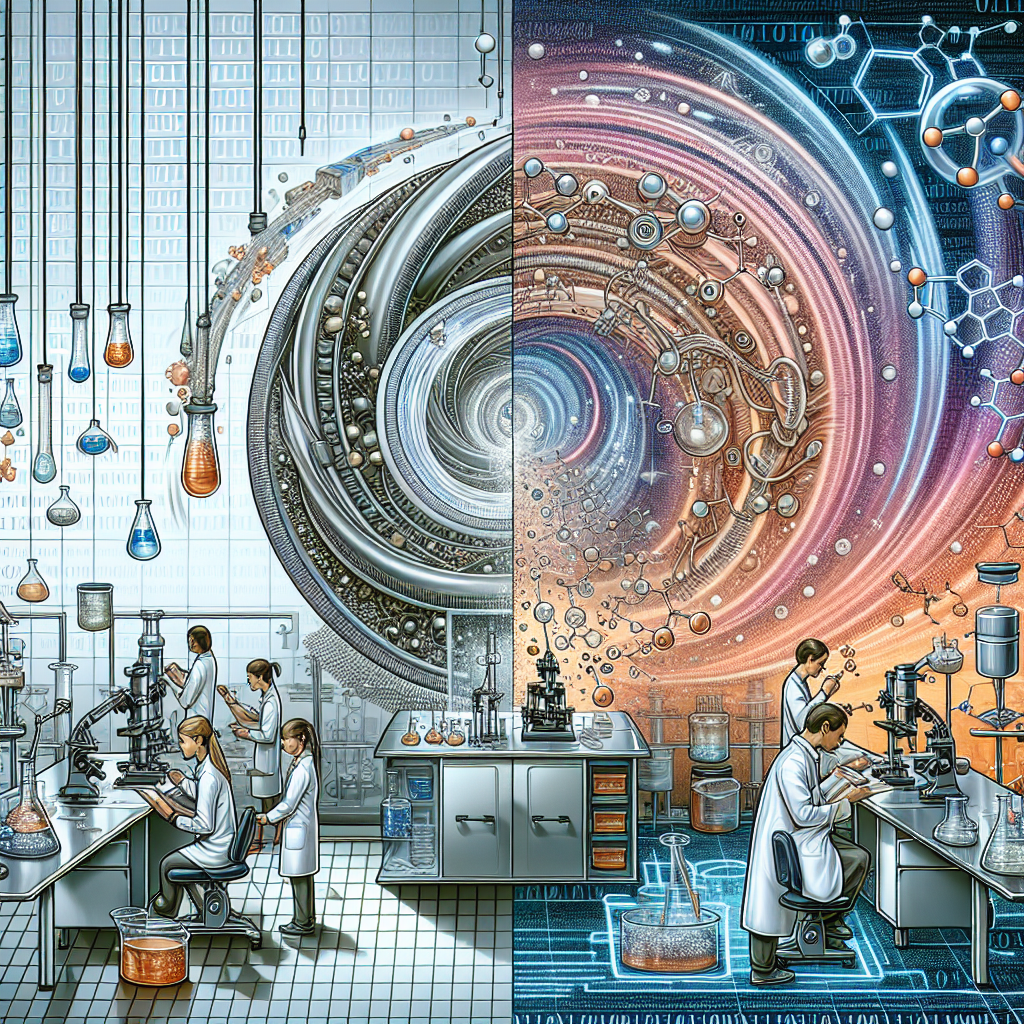
The ongoing advancements in AI, particularly in LLMs and their applications in materials science, are poised to reshape the landscape of Smart Manufacturing and Robotics. As models like MatterChat evolve, we can expect enhanced capabilities in automating complex decision-making processes, optimizing material selection, and accelerating innovation cycles. The integration of AI in these fields will not only improve efficiency but also enable the development of novel materials and processes tailored to specific industrial needs. Ultimately, the fusion of AI and materials science will empower technologists to push the boundaries of manufacturing capabilities, driving the industry towards a more intelligent and responsive future.
Disclaimer
The content on this site is generated using AI technology that analyzes publicly available blog posts to extract and present key takeaways. We do not own, endorse, or claim intellectual property rights to the original blog content. Full credit is given to original authors and sources where applicable. Our summaries are intended solely for informational and educational purposes, offering AI-generated insights in a condensed format. They are not meant to substitute or replicate the full context of the original material. If you are a content owner and wish to request changes or removal, please contact us directly.
Source link :