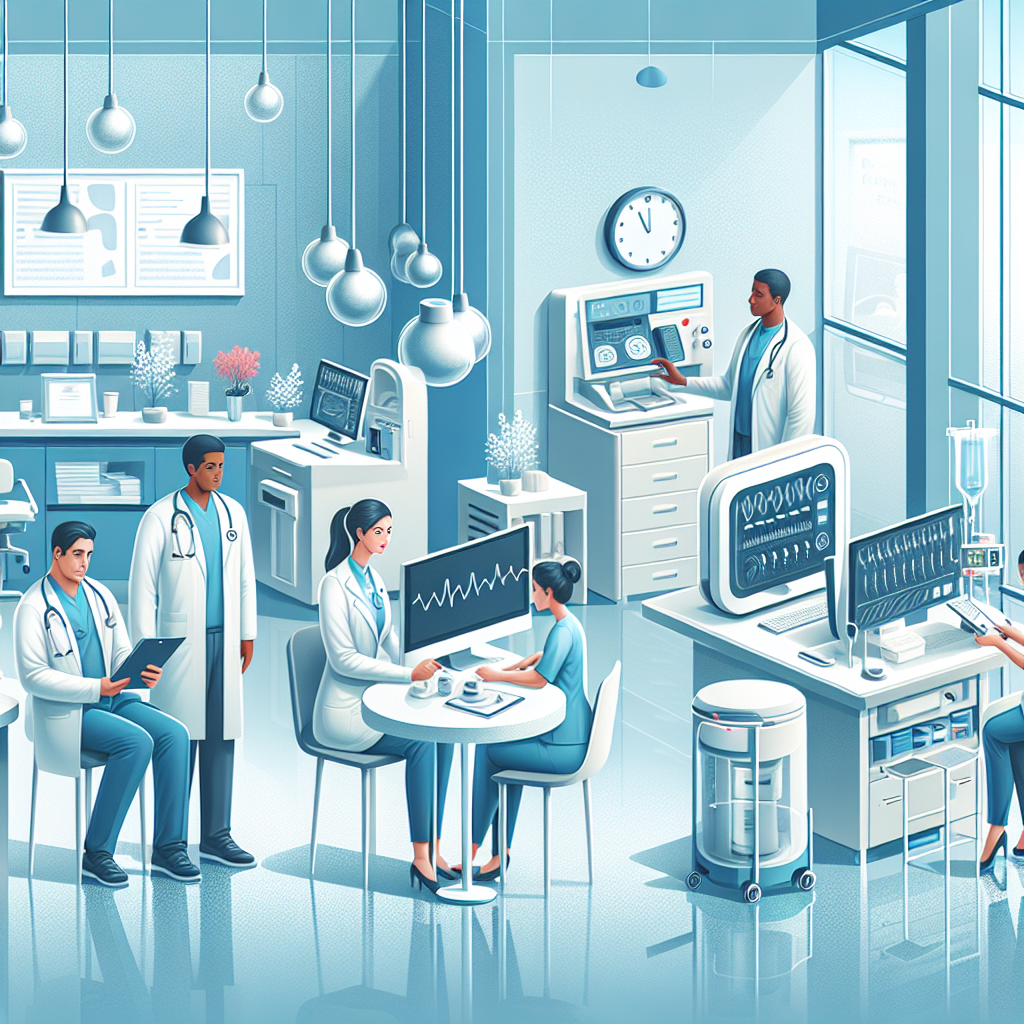
The contemporary landscape of medical practice management necessitates a multifaceted approach that encompasses not only the delivery of patient care but also the optimization of operational workflows. As healthcare systems increasingly oversee multiple practices, the integration of artificial intelligence (AI) within health and medicine has emerged as a pivotal strategy for enhancing operational efficiency and patient experience. The convergence of AI technologies with healthcare practices offers innovative solutions to streamline operations, foster team engagement, and ensure consistent service delivery across diverse locations.
The primary objective of implementing best practices in building a high-performing medical practice is to create a resilient healthcare environment that can effectively respond to patient demands while maintaining operational efficiency. This can be achieved through the adoption of streamlined workflows, enhanced communication protocols, and the integration of AI technologies. By leveraging AI tools, healthcare professionals can automate routine tasks, improve data management, and utilize predictive analytics to optimize patient outcomes. Consequently, practices can reduce inefficiencies, thereby fostering an environment conducive to both employee satisfaction and patient care quality.
While the advantages of integrating AI into healthcare practices are significant, it is essential to acknowledge potential limitations. The initial investment in AI technologies can be substantial, and there may be a steep learning curve associated with their implementation. Moreover, concerns regarding data privacy and security must be addressed to ensure compliance with healthcare regulations. Finally, the reliance on technology should not overshadow the human element of healthcare, which remains paramount in delivering compassionate patient care.
The future of AI in health and medicine is poised for transformative growth. As AI technologies continue to evolve, their application in healthcare will likely expand, leading to even greater efficiencies and enhanced patient care. Predictive analytics may become more sophisticated, enabling proactive healthcare interventions that could significantly improve patient outcomes. Furthermore, the ongoing development of AI could facilitate the personalization of medical treatments based on individual patient data, thereby revolutionizing patient care. In conclusion, the integration of AI within healthcare systems not only represents a technological advancement but also a fundamental shift in how care is delivered, ensuring that practices remain agile and responsive to the needs of their patients.
Disclaimer
The content on this site is generated using AI technology that analyzes publicly available blog posts to extract and present key takeaways. We do not own, endorse, or claim intellectual property rights to the original blog content. Full credit is given to original authors and sources where applicable. Our summaries are intended solely for informational and educational purposes, offering AI-generated insights in a condensed format. They are not meant to substitute or replicate the full context of the original material. If you are a content owner and wish to request changes or removal, please contact us directly.
Source link :