Context of Agentic AI in Natural Language Understanding
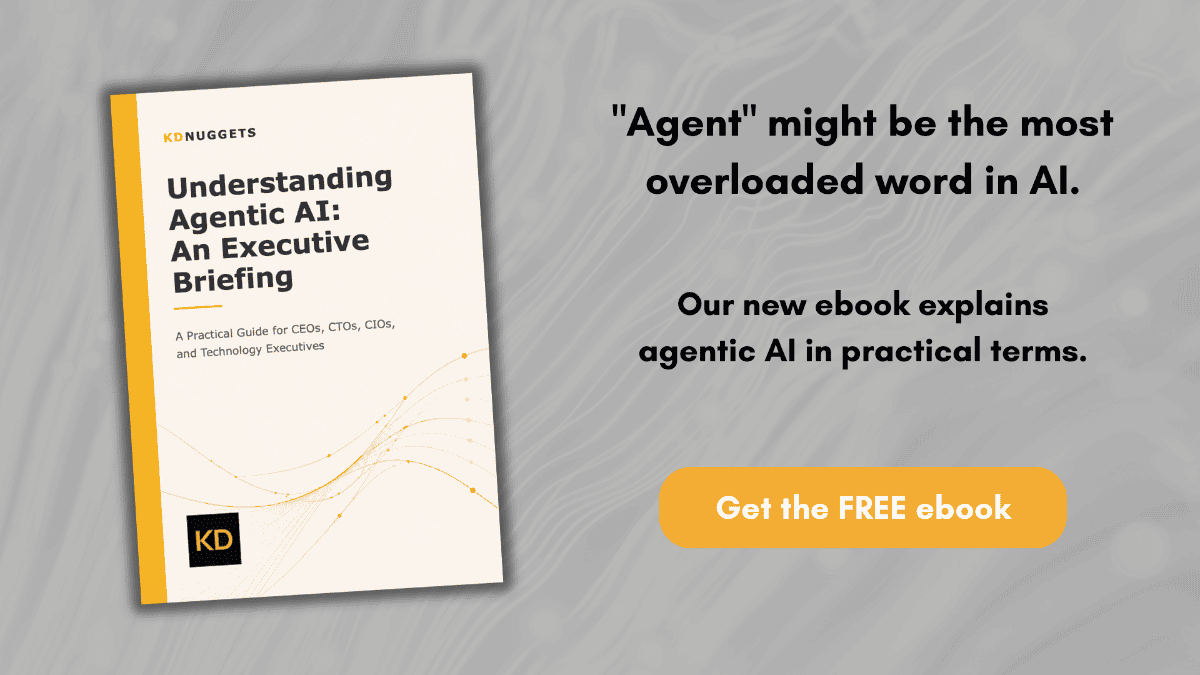
In the rapidly evolving landscape of Artificial Intelligence (AI), the term “Agent” has emerged as a focal point of discussion, often laden with varying interpretations. For some, it denotes basic chatbots driven by system prompts; for others, it suggests sophisticated scripts that interface with APIs. In corporate presentations, it could signify advanced autonomous systems capable of managing tasks such as travel arrangements or invoice negotiations. This ambiguity underlines the necessity for comprehensive understanding, a need addressed by the newly released free eBook, Understanding Agentic AI: An Executive Briefing. This resource is explicitly tailored for technology executives, including CEOs, CTOs, and CIOs, elucidating the fundamental components that constitute authentic agentic systems.
Within the domain of Natural Language Understanding (NLU), the implications of this resource are profound. As the field strives for precision and clarity, understanding the anatomy of agentic AI becomes paramount. The eBook aims not merely to provide another transient framework but to instill an enduring comprehension of the underlying architecture of agentic systems. This foundational knowledge enables practitioners to navigate through various frameworks effectively, enhancing their ability to engage with both commercial and open-source agentic AI systems.
Main Goals and Achievements
The primary objective of the eBook is to furnish technology leaders with a solid grasp of the essential components of agentic AI. By demystifying the intricate structures of these systems, the eBook equips its readers to critically evaluate and implement AI strategies within their organizations. Achieving this goal involves familiarizing oneself with the core elements of agentic AI, such as operational loops, tool invocation processes, memory management, and potential points of failure. By mastering these components, executives can enhance their strategic decision-making capabilities and foster a more informed discourse in organizational planning meetings.
Advantages of Understanding Agentic AI
- Enhanced Clarity: By grasping the elements of agentic AI, executives can decode complex frameworks in a matter of hours, streamlining the learning process.
- Informed Vendor Evaluation: Understanding the anatomy of agentic AI allows executives to critically assess vendor offerings, ensuring alignment with organizational needs.
- Strategic AI Implementation: A foundational understanding of agentic AI aids in the formulation of effective AI strategies, tailored to specific business objectives.
- Improved Communication: Equipped with a common language of agentic AI, technology leaders can facilitate more productive discussions with stakeholders and teams.
However, it is important to note that while the eBook provides a robust framework for understanding agentic AI, the field itself is dynamic, and continual learning is essential. Frameworks evolve, and practitioners must remain adaptive to new developments in the technology landscape.
Future Implications of AI Developments
The trajectory of AI advancements holds significant implications for the domain of Natural Language Understanding. As agentic systems become more integrated into business processes, the demand for NLU scientists to possess a thorough understanding of these systems will intensify. The increasing complexity and autonomy of AI agents necessitate a workforce that is not only technically proficient but also capable of critical analysis and strategic thinking. As AI technologies continue to mature, we anticipate a shift toward greater interactivity between humans and machines, necessitating ongoing education and adaptation in NLU methodologies. The insights gleaned from resources like Understanding Agentic AI: An Executive Briefing will be indispensable for professionals aiming to navigate this evolving landscape effectively.
Disclaimer
The content on this site is generated using AI technology that analyzes publicly available blog posts to extract and present key takeaways. We do not own, endorse, or claim intellectual property rights to the original blog content. Full credit is given to original authors and sources where applicable. Our summaries are intended solely for informational and educational purposes, offering AI-generated insights in a condensed format. They are not meant to substitute or replicate the full context of the original material. If you are a content owner and wish to request changes or removal, please contact us directly.
Source link :
Click Here