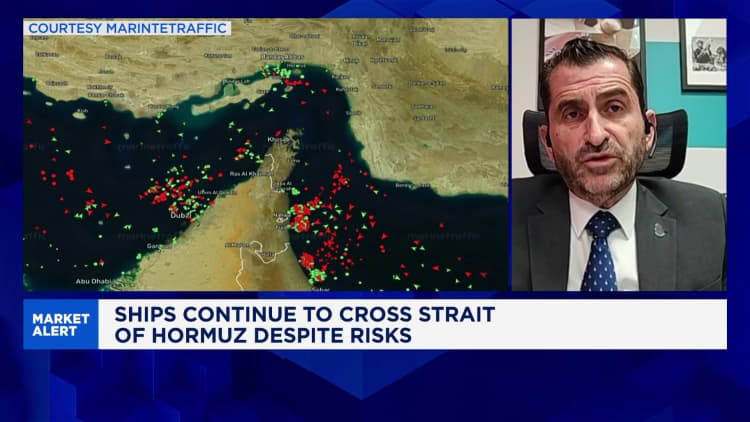
Recent geopolitical developments have significantly influenced oil shipment patterns in the Middle East, particularly through the strategic Strait of Hormuz. Following a renewed agreement between the United States and Iran, Saudi Arabia has notably increased its oil shipments, indicative of a broader shift in export logistics. As highlighted by data from the trade intelligence firm Kpler, Saudi Arabia has dispatched approximately 34 million barrels of oil through the Strait of Hormuz since June 17, 2026, demonstrating a substantial increase compared to the 15 million barrels shipped during the preceding three months. This uptick in oil exports is critical not only for Saudi Arabia but also for global energy markets, as the Strait of Hormuz is a vital conduit for oil transportation.
The primary goal of Saudi Arabia’s increased oil shipments is to stabilize its export logistics following a period of conflict-induced disruptions. By resuming operations at its Gulf export terminals, Saudi Arabia is effectively addressing the backlog of oil tankers that were unable to navigate the Strait during heightened tensions. This strategic move not only alleviates existing logistical challenges but also enhances the kingdom’s position within the global oil market. The achievement of this goal is underpinned by a clear operational strategy that includes the redirecting of oil through alternative routes, such as the East-West pipeline to Yanbu.
1. **Market Resilience**: The resumption of oil shipments through Hormuz is likely to bolster market confidence. The rapid increase from previous lows illustrates Saudi Arabia’s ability to adapt to geopolitical challenges, which can reassure investors and stakeholders in the oil sector.
2. **Clearing Backlogs**: The clearing of an estimated 24 million barrels of oil that were previously loaded during the U.S.-Iran conflict mitigates the risk of supply chain disruptions, ensuring a more stable flow of oil to international markets.
3. **Increased Tanker Traffic**: With eleven supertankers entering the Gulf and actively loading oil, there is a tangible increase in maritime activity, which can enhance both trade and economic interactions in the region.
4. **Economic Recovery**: The resumption of exports can stimulate economic activity within Saudi Arabia, supporting local industries and potentially leading to job creation in sectors related to oil logistics and export.
5. **Global Energy Supply Stability**: As nearly 15 million barrels of oil per day passed through the Strait in 2025, the increased shipments can help stabilize global oil supply, impacting prices positively for consumers and businesses relying on oil.
While these advantages present a promising outlook, it is important to recognize certain caveats. Ongoing geopolitical tensions continue to pose risks that could disrupt logistics once again, and fluctuations in global oil prices can impact the sustainability of increased shipments.
The integration of AI technologies within the oil and finance sectors stands to significantly transform logistics and operational efficiencies. As AI continues to evolve, it can provide enhanced predictive analytics for supply chain management, allowing financial professionals to better assess risks associated with geopolitical fluctuations. Furthermore, AI-driven data analysis can optimize route planning for oil shipments, thereby minimizing delays and costs associated with maritime logistics.
In the future, AI may also facilitate improved real-time monitoring of tanker traffic and geopolitical developments, enabling financial professionals to make informed decisions based on up-to-date information. This proactive approach to crisis management could enhance resilience in oil export logistics, ensuring a more robust response to emerging challenges.
In conclusion, as Saudi Arabia ramps up its oil shipments through the Strait of Hormuz, the implications extend beyond immediate economic benefits. The interplay of geopolitical dynamics, logistical strategies, and the integration of AI in finance and logistics will shape the future landscape of oil exports, influencing both regional stability and global energy markets.
Disclaimer
The content on this site is generated using AI technology that analyzes publicly available blog posts to extract and present key takeaways. We do not own, endorse, or claim intellectual property rights to the original blog content. Full credit is given to original authors and sources where applicable. Our summaries are intended solely for informational and educational purposes, offering AI-generated insights in a condensed format. They are not meant to substitute or replicate the full context of the original material. If you are a content owner and wish to request changes or removal, please contact us directly.
Source link :