Contextual Background: The Intersection of Sports and AI Analytics
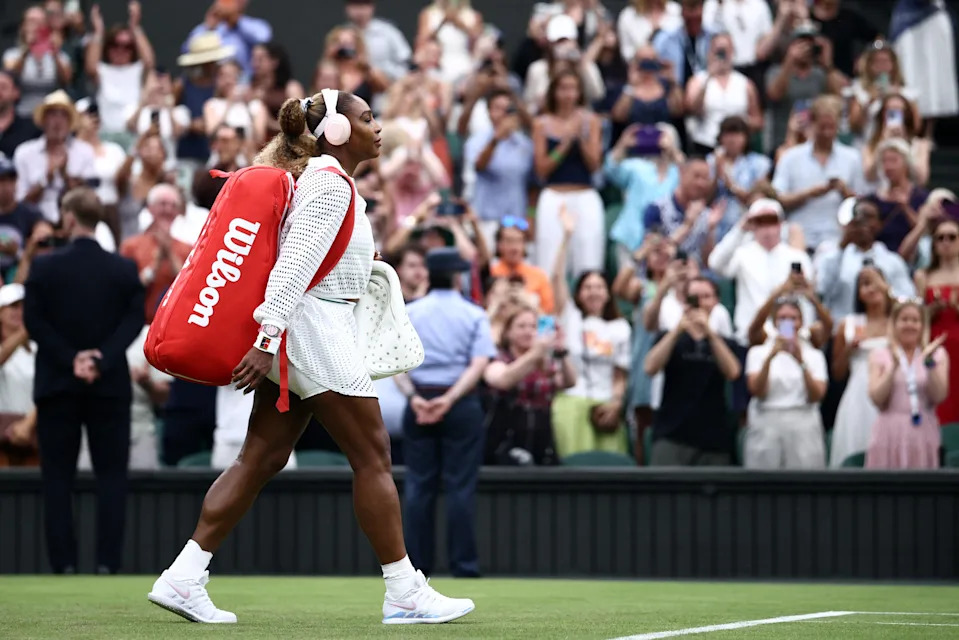
Novak Djokovic’s recent defense of Serena Williams after her Wimbledon loss highlights an essential aspect of competitive sports: the expectations placed on athletes, particularly when they are returning from a hiatus. Williams, at 44, made her much-anticipated return to the prestigious Wimbledon tournament after a four-year absence, an event that drew attention not only for the match itself but for the broader themes of performance evaluation and public perception. Djokovic’s assertion that fans should enjoy the presence of such legendary athletes instead of critiquing their performance reflects a growing discourse about the role of analytics in sports. In this context, the integration of Artificial Intelligence (AI) into sports analytics offers significant insights and implications for sports data enthusiasts.
Main Goals and Achievements in Sports Data Analytics
The primary goal articulated in Djokovic’s comments is to encourage a mindset shift among fans and analysts alike. By advocating for appreciation over criticism, Djokovic emphasizes the need for a supportive environment, particularly for athletes attempting to navigate the complexities of performance post-absence. This goal can be achieved through enhanced understanding and communication within the sports community, which can be facilitated by AI-driven analytics that provide more comprehensive insights into athlete performance, training regimens, and injury recovery.
Advantages of AI in Sports Analytics
- Enhanced Performance Evaluation: AI tools can analyze vast amounts of data, providing a more nuanced understanding of an athlete’s performance over time. For instance, AI can factor in various metrics such as shot accuracy, movement patterns, and fatigue levels, offering a holistic view that transcends simple win-loss records.
- Injury Prediction and Management: By employing predictive analytics, AI can identify potential injury risks by analyzing patterns in an athlete’s physical data. This capability allows teams to implement preventative measures, enhancing athlete longevity and performance.
- Customized Training Programs: AI analytics enable the creation of tailored training regimens that address the unique needs of individual athletes, optimizing their preparation for competitions. This personalization can lead to improved performance outcomes, as seen in various sports, including tennis.
- Real-Time Feedback: AI systems can provide immediate feedback on performance, enabling athletes and coaches to adjust strategies dynamically during competitions or training sessions. This adaptability can result in significant competitive advantages.
However, it is essential to acknowledge limitations, such as the potential for over-reliance on data analysis at the expense of traditional coaching methods and the subjective nature of sports performance, which may not always be quantifiable.
Future Implications of AI Developments in Sports
As AI technology continues to evolve, its influence on sports analytics is poised to expand significantly. Future developments may lead to more sophisticated models capable of simulating various scenarios and outcomes based on historical data, thereby allowing for more accurate predictions and strategic planning. Furthermore, the integration of AI with other emerging technologies, such as virtual reality, could revolutionize training methodologies, enabling athletes to practice in simulated environments that closely mimic real-world conditions.
Moreover, as the sports industry becomes increasingly data-driven, the emphasis on mental health and well-being will likely grow. AI can play a crucial role in monitoring athlete wellness, providing insights that contribute to a more supportive and understanding environment, as advocated by figures like Djokovic.
Disclaimer
The content on this site is generated using AI technology that analyzes publicly available blog posts to extract and present key takeaways. We do not own, endorse, or claim intellectual property rights to the original blog content. Full credit is given to original authors and sources where applicable. Our summaries are intended solely for informational and educational purposes, offering AI-generated insights in a condensed format. They are not meant to substitute or replicate the full context of the original material. If you are a content owner and wish to request changes or removal, please contact us directly.
Source link :
Click Here