
Contextual Overview of Recent Oil Shipment Dynamics Recent geopolitical developments have significantly influenced oil shipment patterns in the Middle East, particularly through the strategic Strait of Hormuz. Following a renewed agreement between the United States and Iran, Saudi Arabia has notably increased its oil shipments, indicative of a broader shift in export logistics. As highlighted by data from the trade intelligence firm Kpler, Saudi Arabia has dispatched approximately 34 million barrels of oil through the Strait of Hormuz since June 17, 2026, demonstrating a substantial increase compared to the 15 million barrels shipped during the preceding three months. This uptick in oil exports is critical not only for Saudi Arabia but also for global energy markets, as the Strait of Hormuz is a vital conduit for oil transportation. Main Goals and Achievements in Oil Export Logistics The primary goal of Saudi Arabia’s increased oil shipments is to stabilize its export logistics following a period of conflict-induced disruptions. By resuming operations at its Gulf export terminals, Saudi Arabia is effectively addressing the backlog of oil tankers that were unable to navigate the Strait during heightened tensions. This strategic move not only alleviates existing logistical challenges but also enhances the kingdom’s position within the global oil market. The achievement of this goal is underpinned by a clear operational strategy that includes the redirecting of oil through alternative routes, such as the East-West pipeline to Yanbu. Advantages of Increased Oil Shipments 1. **Market Resilience**: The resumption of oil shipments through Hormuz is likely to bolster market confidence. The rapid increase from previous lows illustrates Saudi Arabia’s ability to adapt to geopolitical challenges, which can reassure investors and stakeholders in the oil sector. 2. **Clearing Backlogs**: The clearing of an estimated 24 million barrels of oil that were previously loaded during the U.S.-Iran conflict mitigates the risk of supply chain disruptions, ensuring a more stable flow of oil to international markets. 3. **Increased Tanker Traffic**: With eleven supertankers entering the Gulf and actively loading oil, there is a tangible increase in maritime activity, which can enhance both trade and economic interactions in the region. 4. **Economic Recovery**: The resumption of exports can stimulate economic activity within Saudi Arabia, supporting local industries and potentially leading to job creation in sectors related to oil logistics and export. 5. **Global Energy Supply Stability**: As nearly 15 million barrels of oil per day passed through the Strait in 2025, the increased shipments can help stabilize global oil supply, impacting prices positively for consumers and businesses relying on oil. While these advantages present a promising outlook, it is important to recognize certain caveats. Ongoing geopolitical tensions continue to pose risks that could disrupt logistics once again, and fluctuations in global oil prices can impact the sustainability of increased shipments. Future Implications of AI in Oil Export Logistics The integration of AI technologies within the oil and finance sectors stands to significantly transform logistics and operational efficiencies. As AI continues to evolve, it can provide enhanced predictive analytics for supply chain management, allowing financial professionals to better assess risks associated with geopolitical fluctuations. Furthermore, AI-driven data analysis can optimize route planning for oil shipments, thereby minimizing delays and costs associated with maritime logistics. In the future, AI may also facilitate improved real-time monitoring of tanker traffic and geopolitical developments, enabling financial professionals to make informed decisions based on up-to-date information. This proactive approach to crisis management could enhance resilience in oil export logistics, ensuring a more robust response to emerging challenges. In conclusion, as Saudi Arabia ramps up its oil shipments through the Strait of Hormuz, the implications extend beyond immediate economic benefits. The interplay of geopolitical dynamics, logistical strategies, and the integration of AI in finance and logistics will shape the future landscape of oil exports, influencing both regional stability and global energy markets. Disclaimer The content on this site is generated using AI technology that analyzes publicly available blog posts to extract and present key takeaways. We do not own, endorse, or claim intellectual property rights to the original blog content. Full credit is given to original authors and sources where applicable. Our summaries are intended solely for informational and educational purposes, offering AI-generated insights in a condensed format. They are not meant to substitute or replicate the full context of the original material. If you are a content owner and wish to request changes or removal, please contact us directly. Source link : Click Here

Contextual Background: The Intersection of Sports and AI Analytics Novak Djokovic’s recent defense of Serena Williams after her Wimbledon loss highlights an essential aspect of competitive sports: the expectations placed on athletes, particularly when they are returning from a hiatus. Williams, at 44, made her much-anticipated return to the prestigious Wimbledon tournament after a four-year absence, an event that drew attention not only for the match itself but for the broader themes of performance evaluation and public perception. Djokovic’s assertion that fans should enjoy the presence of such legendary athletes instead of critiquing their performance reflects a growing discourse about the role of analytics in sports. In this context, the integration of Artificial Intelligence (AI) into sports analytics offers significant insights and implications for sports data enthusiasts. Main Goals and Achievements in Sports Data Analytics The primary goal articulated in Djokovic’s comments is to encourage a mindset shift among fans and analysts alike. By advocating for appreciation over criticism, Djokovic emphasizes the need for a supportive environment, particularly for athletes attempting to navigate the complexities of performance post-absence. This goal can be achieved through enhanced understanding and communication within the sports community, which can be facilitated by AI-driven analytics that provide more comprehensive insights into athlete performance, training regimens, and injury recovery. Advantages of AI in Sports Analytics Enhanced Performance Evaluation: AI tools can analyze vast amounts of data, providing a more nuanced understanding of an athlete’s performance over time. For instance, AI can factor in various metrics such as shot accuracy, movement patterns, and fatigue levels, offering a holistic view that transcends simple win-loss records. Injury Prediction and Management: By employing predictive analytics, AI can identify potential injury risks by analyzing patterns in an athlete’s physical data. This capability allows teams to implement preventative measures, enhancing athlete longevity and performance. Customized Training Programs: AI analytics enable the creation of tailored training regimens that address the unique needs of individual athletes, optimizing their preparation for competitions. This personalization can lead to improved performance outcomes, as seen in various sports, including tennis. Real-Time Feedback: AI systems can provide immediate feedback on performance, enabling athletes and coaches to adjust strategies dynamically during competitions or training sessions. This adaptability can result in significant competitive advantages. However, it is essential to acknowledge limitations, such as the potential for over-reliance on data analysis at the expense of traditional coaching methods and the subjective nature of sports performance, which may not always be quantifiable. Future Implications of AI Developments in Sports As AI technology continues to evolve, its influence on sports analytics is poised to expand significantly. Future developments may lead to more sophisticated models capable of simulating various scenarios and outcomes based on historical data, thereby allowing for more accurate predictions and strategic planning. Furthermore, the integration of AI with other emerging technologies, such as virtual reality, could revolutionize training methodologies, enabling athletes to practice in simulated environments that closely mimic real-world conditions. Moreover, as the sports industry becomes increasingly data-driven, the emphasis on mental health and well-being will likely grow. AI can play a crucial role in monitoring athlete wellness, providing insights that contribute to a more supportive and understanding environment, as advocated by figures like Djokovic. Disclaimer The content on this site is generated using AI technology that analyzes publicly available blog posts to extract and present key takeaways. We do not own, endorse, or claim intellectual property rights to the original blog content. Full credit is given to original authors and sources where applicable. Our summaries are intended solely for informational and educational purposes, offering AI-generated insights in a condensed format. They are not meant to substitute or replicate the full context of the original material. If you are a content owner and wish to request changes or removal, please contact us directly. Source link : Click Here

Introduction The landscape of terminal-based AI agents has undergone substantial transformation recently, particularly affecting developers in the fields of Computer Vision and Image Processing. These changes necessitate a deeper understanding of the tools available for managing and optimizing workflows, especially as the technologies powering these agents evolve. Notably, the transition from Google’s Gemini CLI to Antigravity CLI represents a pivotal shift that merits careful consideration for practitioners relying on these technologies. Context and Significance The retirement of Gemini CLI, a tool that has served as an essential resource for many developers, underscores the importance of adaptability within the technological ecosystem. The introduction of Antigravity CLI, while offering advanced features, raises concerns regarding its closed-source nature, which contrasts sharply with the open-source ethos that characterized its predecessor. Such transitions can significantly affect existing scripts and CI/CD pipelines, making it imperative for developers to reassess their tools and workflows. Main Goals and Achievements The primary goal of understanding these shifts in AI CLI tools is to ensure that developers can maintain efficient and effective workflows while leveraging the latest advancements in technology. This can be achieved by: Assessing the implications of transitioning to Antigravity CLI and its effects on existing systems. Exploring new features in Claude Code, particularly its enhanced context window and Dynamic Workflows, to improve task automation. Examining the architecture of OpenClaw, including its extensibility and security considerations, to maximize its potential in real-world applications. Advantages and Limitations Several key advantages arise from the recent developments in AI CLI tools: Enhanced Functionality: Claude Code’s Opus 4.8 and Fable 5 models offer a 1M-token context window, greatly facilitating the handling of larger datasets typical in Computer Vision tasks. Open Source Opportunities: OpenClaw’s growth within the GitHub community illustrates the collaborative potential of open-source software, allowing Vision Scientists to contribute to and benefit from shared developments. Dynamic Workflows: The introduction of Dynamic Workflows in Claude Code streamlines processes, thus optimizing productivity for developers engaged in complex image processing tasks. However, it is essential to note certain limitations: Transition Challenges: The move from Gemini CLI to Antigravity CLI may disrupt existing workflows, requiring developers to invest time in adapting or rewriting scripts. Security Concerns: Antigravity CLI’s closed-source nature introduces potential vulnerabilities that must be carefully managed, particularly given the sensitive data often processed in the field of Computer Vision. Future Implications The advancements in AI CLI tools signal a broader trend toward the integration of AI in various domains, particularly in Computer Vision and Image Processing. As these tools become more sophisticated, they will likely facilitate increased automation and efficiency in data handling and analysis. This evolution is poised to empower Vision Scientists to deploy more complex models and algorithms, ultimately leading to breakthroughs in image recognition, object detection, and beyond. Moreover, the ongoing development of both proprietary and open-source tools will continue to shape the landscape, fostering a competitive environment that incentivizes innovation. As AI technologies advance, it is crucial for professionals in the field to remain agile and informed, ensuring that they leverage these tools to their fullest potential. Conclusion In summary, the evolving AI CLI landscape presents both challenges and opportunities for developers in the Computer Vision and Image Processing sectors. Understanding the implications of these changes is vital for optimizing workflows and harnessing the full power of emerging technologies. By staying informed and adaptable, Vision Scientists can navigate these transitions effectively, paving the way for future advancements in their field. Disclaimer The content on this site is generated using AI technology that analyzes publicly available blog posts to extract and present key takeaways. We do not own, endorse, or claim intellectual property rights to the original blog content. Full credit is given to original authors and sources where applicable. Our summaries are intended solely for informational and educational purposes, offering AI-generated insights in a condensed format. They are not meant to substitute or replicate the full context of the original material. If you are a content owner and wish to request changes or removal, please contact us directly. Source link : Click Here

Context In the realm of software development, managing sensitive information, often referred to as “secrets,” is crucial for maintaining security and integrity. GitHub’s initiative to enhance secrets hygiene serves as a compelling case study, illustrating the challenges faced by organizations in safeguarding their data. Over a period of nine months, GitHub successfully identified and mitigated over 20,000 alerts related to potential secrets across its vast repository landscape, culminating in a state of zero open alerts. This endeavor not only reflects a commitment to security but also offers valuable insights for organizations, especially in the Big Data Engineering sector, where the abundance of data necessitates stringent measures for data protection. Main Goal and Achievements The primary goal of GitHub’s secret scanning initiative was to enhance the security posture by effectively identifying and remediating secrets within their codebase. This objective was achieved through a systematic approach that encompassed several phases: stopping the accumulation of new secrets, understanding and triaging existing alerts, validating the status of credentials, and driving accountability through ownership. By implementing these strategies, GitHub not only reached operational efficiency but also fostered a culture of security awareness among its teams. Advantages of Effective Secrets Management Reduction of Security Risks: By identifying and remediating potential secrets, organizations can significantly mitigate the risk of unauthorized access to sensitive information. GitHub’s approach demonstrated that a significant majority of alerts could be categorized as low-risk, allowing for focused remediation efforts. Improved Operational Efficiency: The phased approach adopted by GitHub facilitated a systematic resolution of alerts, enhancing operational workflows. By automating certain processes and employing bulk closure strategies, GitHub was able to manage a high volume of alerts without overwhelming their security teams. Enhanced Collaboration: The initiative required cross-functional collaboration among various teams, including customer support and security incident response. This not only improved the effectiveness of the remediation process but also fostered a culture of collective responsibility for security across the organization. Data-Driven Decision Making: The ability to validate the status of credentials allowed GitHub to prioritize remediation efforts effectively. By differentiating between live and inactive credentials, the organization could focus on high-risk areas, thereby optimizing resource allocation. Caveats and Limitations While the advantages of effective secrets management are evident, certain limitations must be acknowledged. The initial count of alerts can be misleading, as demonstrated by GitHub’s experience where the majority of alerts were inactive. Additionally, the implementation of such a comprehensive approach requires significant organizational commitment and resources. Organizations must also consider the potential for operational disruptions when rewriting git history or altering existing repositories. Future Implications Looking ahead, the integration of artificial intelligence (AI) into secrets management processes is poised to revolutionize the field. AI can enhance the accuracy of alerts by employing machine learning algorithms to identify patterns and anomalies in code. Furthermore, AI-driven tools can automate the remediation process, reducing the need for manual intervention and minimizing human error. As organizations continue to grapple with the complexities of data security in an increasingly digital landscape, leveraging AI technologies will be essential for maintaining robust security practices. Disclaimer The content on this site is generated using AI technology that analyzes publicly available blog posts to extract and present key takeaways. We do not own, endorse, or claim intellectual property rights to the original blog content. Full credit is given to original authors and sources where applicable. Our summaries are intended solely for informational and educational purposes, offering AI-generated insights in a condensed format. They are not meant to substitute or replicate the full context of the original material. If you are a content owner and wish to request changes or removal, please contact us directly. Source link : Click Here
Context: The Acquisition of Common Room by Zoom Communications On October 2023, Zoom Communications, Inc. announced its strategic acquisition of Common Room, a platform designed to enhance Go-to-Market (GTM) intelligence through artificial intelligence (AI). This acquisition is pivotal in addressing the challenges faced by revenue teams in today’s digital marketing landscape, particularly the fragmentation of buyer signals across various platforms and systems. The integration of Common Room’s capabilities into Zoom’s existing revenue orchestration tools aims to provide a more cohesive and actionable understanding of customer interactions, thereby enhancing the overall efficiency of marketing efforts. Main Goal: Achieving Unified Buyer Intelligence The primary objective of this acquisition is to create a unified system that consolidates various buyer signals and customer data into a comprehensive, person-level intelligence framework. By leveraging AI-driven tools, Common Room aims to transform disparate data points into actionable insights that revenue teams can utilize effectively. This integration promises to streamline marketing and sales processes, reducing inefficiencies associated with traditional methods that often rely on outdated or incomplete data. Advantages of the Acquisition Enhanced Buyer Intelligence: Common Room’s technology provides real-time, enriched views of buyers by integrating first-party data from multiple sources, including CRM, product usage, and marketing engagement systems. This holistic approach allows for more precise targeting and personalization, which are crucial in contemporary digital marketing. Increased Efficiency: By automating account research, message personalization, and prospecting with AI agents, revenue teams can significantly reduce the time spent on manual tasks. This improvement allows marketers to focus on strategic activities rather than administrative busywork. Real-Time Insights: The acquisition enhances Zoom’s Revenue Accelerator platform by providing timely insights about which accounts are in-market and the motivations of buyers. This capability enables sales representatives to prepare more effectively for client interactions, improving the likelihood of successful engagements. Unified Platform: Combining the functionalities of Common Room with Zoom’s existing tools creates a single platform for revenue teams, eliminating the need for multiple disparate solutions. This unification can lead to better collaboration and data consistency across teams. However, it is essential to acknowledge potential limitations. The effectiveness of these AI-driven solutions is contingent upon the quality and completeness of the underlying data. If the data remains fragmented or if there are gaps in coverage, the output generated by AI tools may still fall short of expectations. Future Implications: The Evolving Role of AI in Marketing The integration of AI technologies, as exemplified by the Zoom and Common Room acquisition, suggests a transformative shift in the marketing landscape. As AI continues to develop, its role in providing actionable insights and enhancing customer interactions is expected to grow. Digital marketers will increasingly rely on AI to analyze large datasets, identify trends, and predict buyer behavior, thereby enabling more informed decision-making. Moreover, as organizations adopt unified platforms that harness AI capabilities, the ability to deliver personalized customer experiences at scale will become a competitive necessity. This shift may lead to the emergence of new best practices in digital marketing, emphasizing the importance of data integration, real-time analytics, and AI-driven engagement strategies. Disclaimer The content on this site is generated using AI technology that analyzes publicly available blog posts to extract and present key takeaways. We do not own, endorse, or claim intellectual property rights to the original blog content. Full credit is given to original authors and sources where applicable. Our summaries are intended solely for informational and educational purposes, offering AI-generated insights in a condensed format. They are not meant to substitute or replicate the full context of the original material. If you are a content owner and wish to request changes or removal, please contact us directly. Source link : Click Here
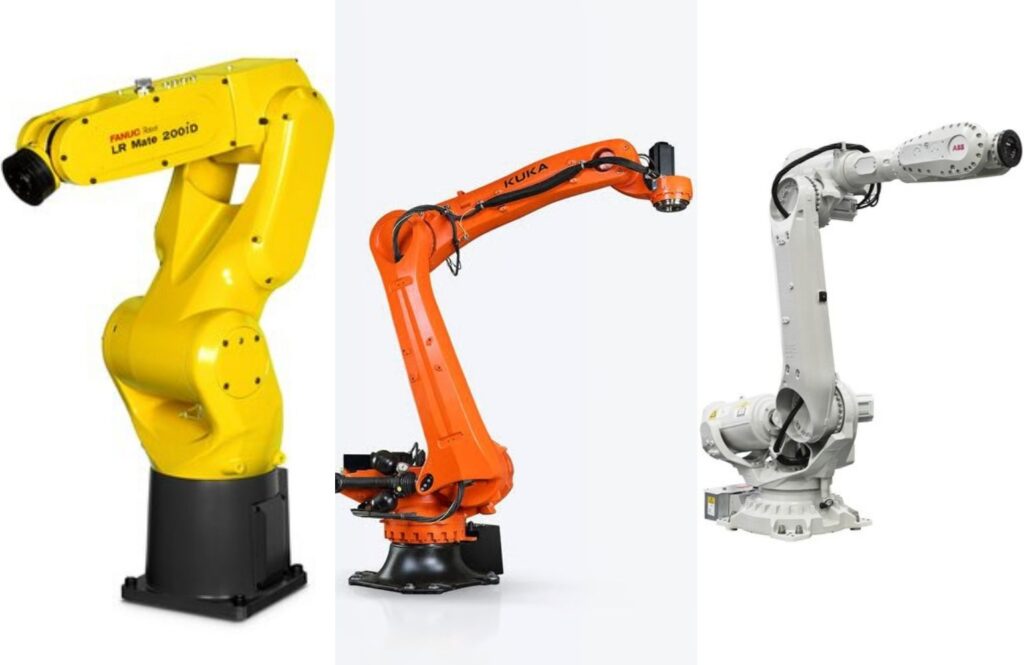
Context The integration of robotics within assembly operations is poised for significant advancement, driven by innovations in mechanical positioning and dexterity. As the manufacturing industry evolves, the focus on automation is paramount. However, achieving optimal efficiency in complex assembly tasks necessitates a deeper understanding of how mechanical positioning enhances robotic capabilities. This understanding is critical for professionals in Smart Manufacturing and Robotics, especially Industrial Technologists who are tasked with implementing these systems. Main Goal and Achievement The primary goal of combining robot dexterity with mechanical positioning is to enhance operational efficiency in automated assembly processes. Achieving this integration involves adopting advanced positioning systems that extend the reach and capabilities of robotic arms. By employing these systems, organizations can improve precision and adaptability in assembly tasks, thereby reducing cycle times and increasing output quality. Advantages of Combining Robot Dexterity with Mechanical Positioning Enhanced Range of Motion: Linear transfer systems significantly expand the operational range of robots, allowing them to navigate complex assembly environments more effectively. This capability is particularly beneficial in industries such as aerospace and defense, where large-scale projects demand versatile robotic solutions. Increased Precision and Speed: Rotary index tables facilitate rapid rotational movements necessary for high-speed assembly tasks. This technology enables robots to perform multiple tasks simultaneously, improving throughput and reducing bottlenecks in production lines. Multi-Axis Movement: Advanced workpiece positioners provide robots with the ability to orient workpieces in various directions, enhancing their capability to handle complex geometries that are prevalent in automotive and aerospace sectors. Real-Time Adaptability: Vision-based positioning systems equipped with sensors and cameras allow robots to adapt their movements in real time, ensuring accuracy and minimizing errors during assembly operations. Efficiency in Resource Utilization: The implementation of optimized mechanical positioning systems can lead to a reduction in labor costs and an increase in overall production flexibility, as evidenced by the case studies of leading robotics manufacturers. Limitations and Considerations While the advantages of this integration are substantial, there are limitations to consider. The complexity of implementing advanced positioning systems can lead to increased initial costs and a steeper learning curve for technicians. Additionally, ensuring compatibility between existing equipment and new technologies may present challenges that need to be addressed through careful planning and investment in training. Future Implications The future of robotic assembly operations is inextricably linked to developments in artificial intelligence (AI) and machine learning. As these technologies advance, robots will become more capable of autonomous decision-making, further enhancing their adaptability and efficiency in dynamic manufacturing environments. By leveraging AI, organizations can expect to see significant improvements in predictive maintenance, quality control, and overall operational efficiency. The synergy between AI and robotics will not only streamline assembly processes but also foster innovation in product design and manufacturing strategies. Disclaimer The content on this site is generated using AI technology that analyzes publicly available blog posts to extract and present key takeaways. We do not own, endorse, or claim intellectual property rights to the original blog content. Full credit is given to original authors and sources where applicable. Our summaries are intended solely for informational and educational purposes, offering AI-generated insights in a condensed format. They are not meant to substitute or replicate the full context of the original material. If you are a content owner and wish to request changes or removal, please contact us directly. Source link : Click Here

Contextual Overview: The Evolution of Healthcare Data Management In the contemporary landscape of healthcare, organizations are increasingly shifting away from isolated data management systems towards integrated and comprehensive Data 360 frameworks. This transition is not only pivotal for enhancing patient care through unified Patient 360 views but is also essential for leveraging advanced technologies like agentic AI. However, such a paradigm shift introduces significant complexities, including deployment friction, broken dependencies, and environment drift. These challenges necessitate a robust governance framework to ensure that healthcare data systems operate seamlessly, securely, and in compliance with regulatory requirements such as HIPAA. Main Goal: Achieving Seamless Healthcare Data Integration The primary objective of mastering Healthcare Data 360 Delivery is to create a unified data architecture that empowers healthcare professionals to deliver comprehensive patient insights while adhering to compliance standards. This can be achieved through implementing an efficient release-lifecycle governance model that orchestrates multiple data sources and systems. Key strategies include: 1. **Multi-Stream Deployment Management**: Synchronizing connectors, metadata, and Data Kits within a three-stream deployment model. 2. **Avoiding Common Failures**: Addressing critical issues such as broken dependencies and manual environment drift. 3. **Automated Quality Assurance**: Instituting quality gates and user story traceability within the deployment pipeline to maintain consistency across environments. Advantages of Effective Healthcare Data 360 Delivery The successful implementation of a robust Data 360 system yields numerous advantages, particularly for HealthTech professionals: – **Enhanced Patient Insights**: By consolidating data from various sources, healthcare providers can gain a holistic view of patient interactions, leading to improved outcomes. – **Operational Efficiency**: Streamlined processes reduce the time and complexity involved in data management, enabling quicker response times to patient needs. – **Regulatory Compliance**: Implementing stringent governance measures ensures adherence to HIPAA and GxP standards, minimizing the risk of costly violations. – **Informed Decision-Making**: Access to real-time data empowers healthcare professionals to make data-driven decisions, significantly enhancing the quality of care. However, it is crucial to recognize potential limitations, such as the initial costs of transitioning to a new system and the ongoing need for staff training on new technologies. Future Implications: The Role of AI in Healthcare Data Management As artificial intelligence (AI) continues to advance, its implications for healthcare data management are profound. Future developments may lead to: – **Improved Predictive Analytics**: AI algorithms can analyze vast datasets more efficiently, providing predictive insights that can preemptively address health issues. – **Adaptive Learning Systems**: AI can foster systems that learn from previous interactions, continually refining their processes and improving patient engagement. – **Greater Personalization of Care**: Enhanced data integration facilitated by AI will allow for more personalized treatment plans, tailored to individual patient needs. In conclusion, the integration of advanced data management systems and AI technologies represents a significant leap forward for healthcare organizations, enabling them to not only meet compliance standards but also enhance the quality of patient care. As the landscape evolves, HealthTech professionals must remain vigilant and adaptable to leverage these advancements effectively. Disclaimer The content on this site is generated using AI technology that analyzes publicly available blog posts to extract and present key takeaways. We do not own, endorse, or claim intellectual property rights to the original blog content. Full credit is given to original authors and sources where applicable. Our summaries are intended solely for informational and educational purposes, offering AI-generated insights in a condensed format. They are not meant to substitute or replicate the full context of the original material. If you are a content owner and wish to request changes or removal, please contact us directly. Source link : Click Here


