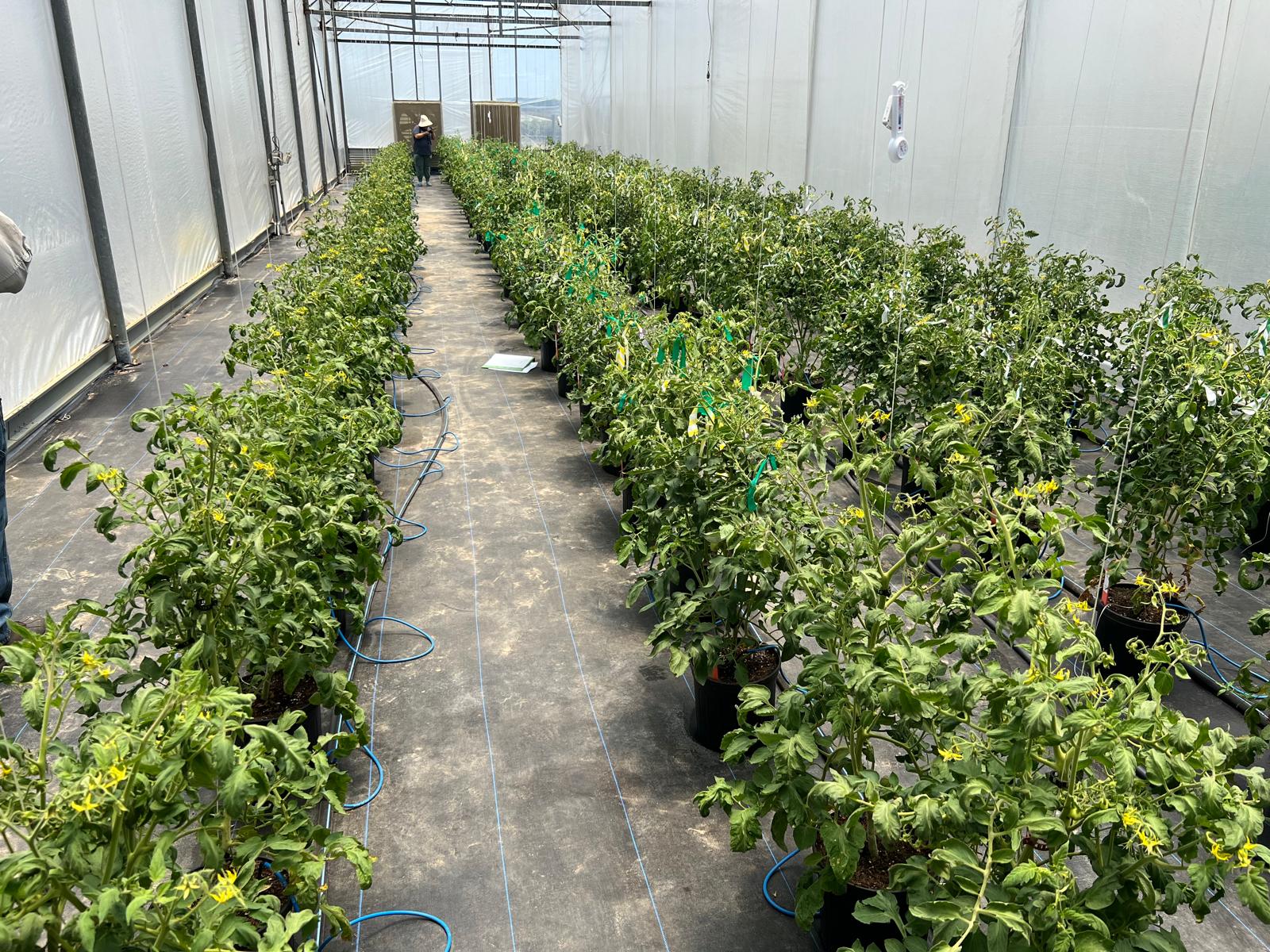
India’s agricultural sector is characterized by its extensive scale and diversity in agro-climatic zones, enabling the country to emerge as a leading producer of crops such as rice and wheat. Despite these advantages, a multitude of challenges persist, including erratic weather patterns, pest infestations, and a high dependency on smallholder farmers—over 80% of whom cultivate less than two hectares of land. This demographic faces significant barriers to adopting advanced agricultural technologies, which can exacerbate the divide between large commercial farming operations and the majority of farmers.
In response to these challenges, the Annam.AI initiative has been established with the objective of providing farmers across India with real-time, personalized agricultural intelligence. By leveraging open data, Annam.AI aims to facilitate precision agriculture and enhance climate resilience, ultimately transforming the agricultural landscape in the country.
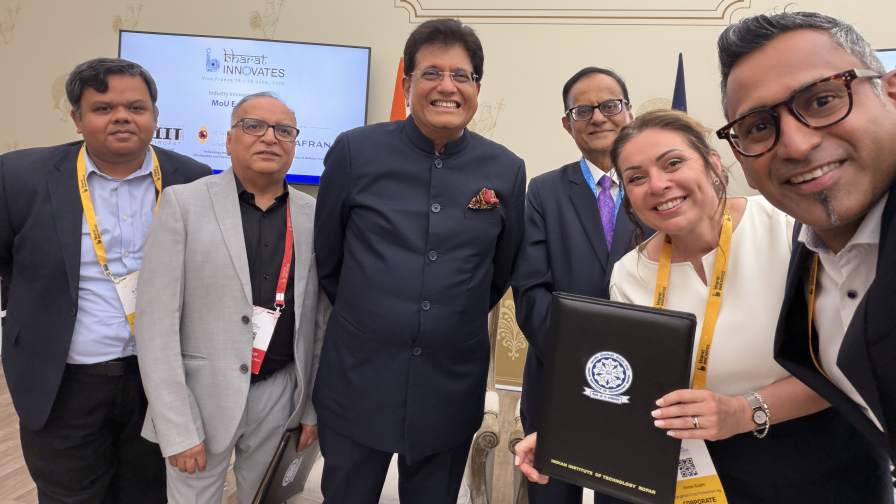
The primary goal of Annam.AI is to create a comprehensive agricultural intelligence network that integrates real-time microclimate data, crop intelligence, and multilingual advisory tools. This initiative seeks to empower farmers by providing them with actionable insights tailored to their specific local conditions. Achieving this goal necessitates collaboration among various stakeholders, including government bodies, academic institutions, and private sector entities. The recent partnership between Syngenta and Annam.AI exemplifies this collaborative approach, as Syngenta will contribute its research and development capabilities to develop precise models for crop health and pest management.
1. **Real-Time Data Access**: Farmers will gain access to timely and localized information that can significantly influence decision-making processes, leading to improved crop yields and reduced losses.
2. **Enhanced Agricultural Resilience**: By providing insights into climate variability and pest threats, Annam.AI can help farmers adopt more resilient farming practices, thereby mitigating the adverse effects of changing weather patterns.
3. **Support for Smallholder Farmers**: The initiative’s focus on smallholder farmers will help bridge the technological gap, ensuring these individuals are not left behind in the agricultural modernization process.
4. **Increased Collaboration**: The program fosters collaboration among various stakeholders, including government, academia, and private enterprises, which can catalyze innovation and resource sharing.
5. **Sustainability Goals**: By promoting precision agriculture, Annam.AI aligns with global sustainability objectives, contributing to food security while minimizing environmental impact.
While these advantages are promising, it is crucial to recognize potential limitations such as the need for robust infrastructure to disseminate data effectively and the challenge of ensuring that all farmers possess the digital literacy required to utilize these tools.
As artificial intelligence continues to evolve, its integration into agricultural practices will likely deepen. The capabilities of AI to analyze vast amounts of data and provide actionable insights will enhance precision farming techniques, optimizing resource use while maximizing output. Furthermore, advancements in machine learning algorithms could lead to more sophisticated predictive models that anticipate climate-related challenges, enabling preemptive actions.
In summary, the Annam.AI initiative represents a significant step towards transforming Indian agriculture through open-data collaboration and AI-driven insights. By focusing on inclusivity and sustainability, this program not only addresses the immediate challenges faced by farmers but also sets the foundation for a more resilient agricultural future.
Disclaimer
The content on this site is generated using AI technology that analyzes publicly available blog posts to extract and present key takeaways. We do not own, endorse, or claim intellectual property rights to the original blog content. Full credit is given to original authors and sources where applicable. Our summaries are intended solely for informational and educational purposes, offering AI-generated insights in a condensed format. They are not meant to substitute or replicate the full context of the original material. If you are a content owner and wish to request changes or removal, please contact us directly.
Source link :