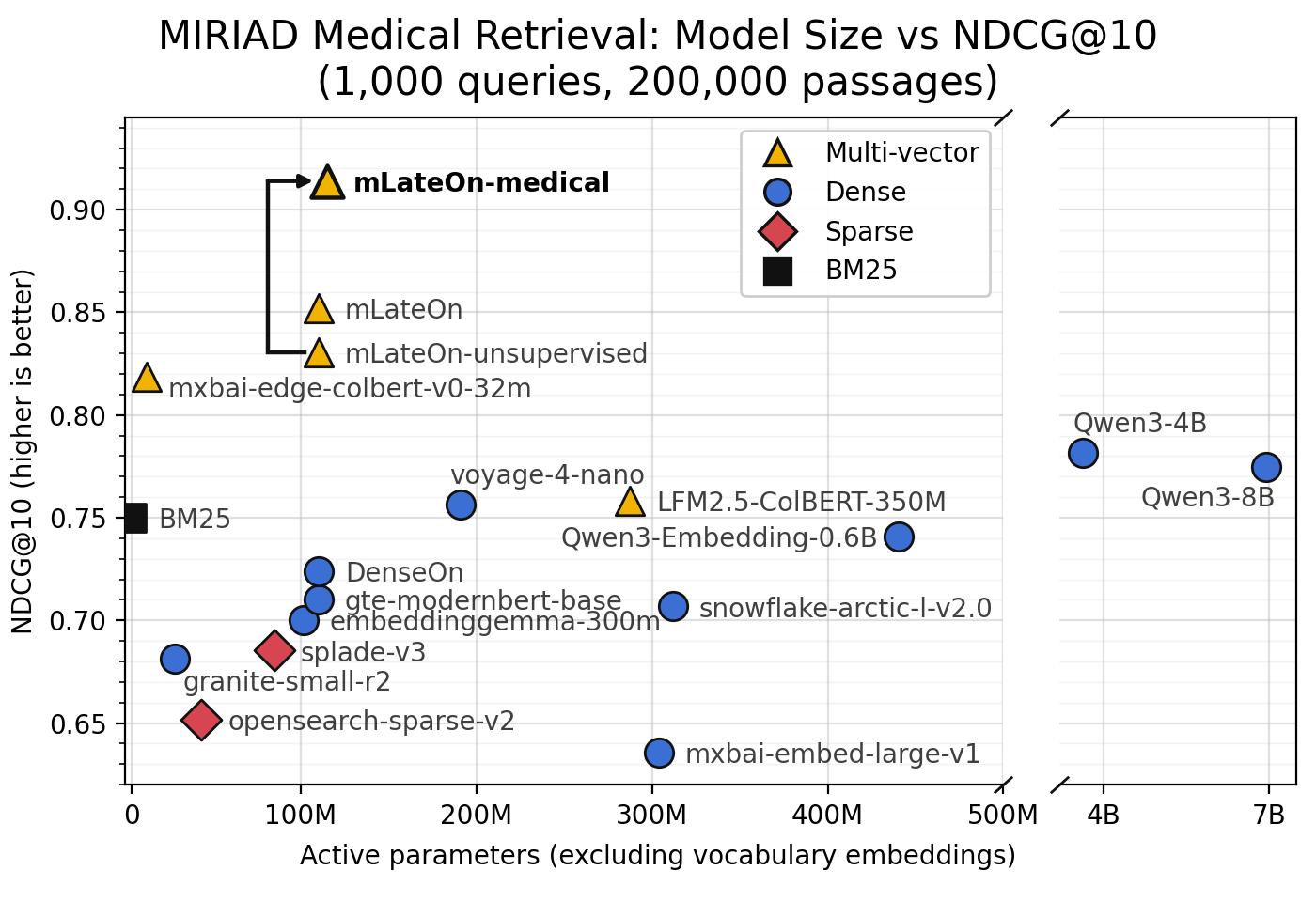
In the rapidly evolving landscape of Generative AI, the ability to leverage advanced embedding models is paramount for applications such as semantic search, retrieval-augmented generation, and semantic textual similarity. The Sentence Transformers library has emerged as a robust tool for training and utilizing these models. Its recent version 6.0 introduces the MultiVectorEncoder, which facilitates late interaction retrieval akin to the ColBERT architecture. This update provides a comprehensive method for fine-tuning multi-vector models that can outperform general-purpose retrieval systems tailored to specific datasets. The entire process can be initiated with the simple command: pip install -U "sentence-transformers[train]".
This discussion delves into the core components necessary for fine-tuning multi-vector models, encompassing the model architecture, datasets, loss functions, training parameters, evaluators, and the trainer class. Each component is elucidated with practical examples, equipping data scientists with the necessary insights to enhance the performance of multi-vector models within their specific domains.
The primary goal of fine-tuning multi-vector models is to significantly enhance their retrieval performance within a defined domain. This is accomplished through the adaptation of model parameters tailored to the unique vocabulary, query preferences, and relevance criteria pertinent to the specific application area. The fine-tuning process enables the model to leverage detailed, token-level matching, which is particularly beneficial for domains characterized by nuanced language and complex query structures.
While the benefits of fine-tuning multi-vector models are clear, there are notable caveats to consider. Models trained on small or insufficiently diverse datasets may not generalize well beyond their training data, potentially leading to overfitting. Additionally, the increased index size associated with multi-vector models can pose storage challenges, particularly for applications requiring rapid retrieval across extensive datasets. It is therefore essential to evaluate the trade-offs between model complexity and retrieval efficiency.
The continuous advancement in AI technologies is likely to further enhance the capabilities of embedding models. As more sophisticated training techniques and larger datasets become available, the potential for even more accurate and context-aware retrieval systems will increase. Future developments may include the integration of multi-modal data sources and enhanced algorithms for dynamic fine-tuning, allowing models to adapt in real-time to evolving user needs and language patterns. This trajectory indicates a promising future for AI applications that leverage fine-tuned multi-vector models, positioning them as critical tools in various sectors, including healthcare, legal, and financial services.
Disclaimer
The content on this site is generated using AI technology that analyzes publicly available blog posts to extract and present key takeaways. We do not own, endorse, or claim intellectual property rights to the original blog content. Full credit is given to original authors and sources where applicable. Our summaries are intended solely for informational and educational purposes, offering AI-generated insights in a condensed format. They are not meant to substitute or replicate the full context of the original material. If you are a content owner and wish to request changes or removal, please contact us directly.
Source link :