In the realm of cloud computing, particularly within the AWS ecosystem, Lambda functions play a crucial role in executing code in response to events without provisioning or managing servers. However, these functions often require access to databases, such as Amazon RDS, to perform their tasks. A common yet insecure practice is to hardcode database credentials—username and password—into the Lambda environment variables. While this may seem convenient, it poses significant security risks. A single misconfiguration in IAM policies, accidental exposure of logs, or a compromised deployment artifact can lead to unauthorized access to sensitive data.
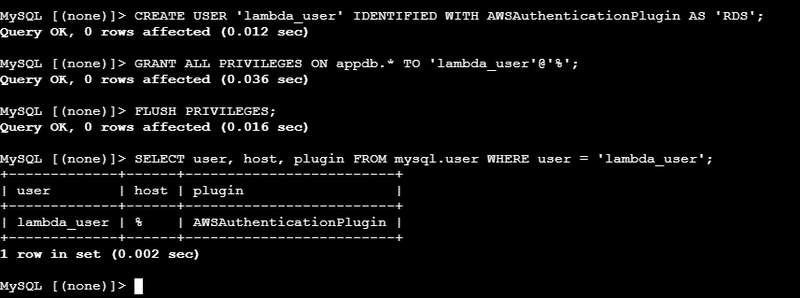
Amazon Web Services (AWS) provides a robust solution to mitigate these risks through the use of IAM authentication in conjunction with RDS Proxy. This method allows Lambda functions to connect to databases without the need for static credentials, thereby enhancing security and simplifying management.
The primary goal of implementing IAM authentication with RDS Proxy is to eliminate the need for static database credentials in Lambda functions. Instead of relying on hardcoded usernames and passwords, Lambda can generate a temporary IAM token (valid for 15 minutes) to authenticate against the database. This process is seamless, as AWS handles the validation internally, ensuring that sensitive credentials never leave the Lambda environment.
While the advantages of IAM authentication are compelling, there are certain considerations to keep in mind:
As artificial intelligence continues to evolve, its integration into cloud security practices will likely enhance the capabilities of IAM authentication and RDS Proxy. AI algorithms can analyze access patterns and identify anomalies, thereby providing real-time alerts for suspicious activities. The combination of machine learning with IAM could lead to adaptive security measures that dynamically adjust access permissions based on user behavior and contextual data, further minimizing risk.
In the Computer Vision and Image Processing fields, where large datasets are processed and analyzed, the secure management of database access becomes paramount. As reliance on cloud resources grows, leveraging IAM authentication for secure and efficient database interactions will become a standard best practice. This approach not only secures sensitive information but also streamlines operations, allowing researchers and practitioners to focus on deriving insights from data rather than managing security compliance.
Disclaimer
The content on this site is generated using AI technology that analyzes publicly available blog posts to extract and present key takeaways. We do not own, endorse, or claim intellectual property rights to the original blog content. Full credit is given to original authors and sources where applicable. Our summaries are intended solely for informational and educational purposes, offering AI-generated insights in a condensed format. They are not meant to substitute or replicate the full context of the original material. If you are a content owner and wish to request changes or removal, please contact us directly.
Source link :