
Contextual Overview The recent surge in diesel prices, which reached an unprecedented $6.31 per gallon amid ongoing geopolitical tensions, particularly the conflict with Iran, has raised serious concerns regarding its cascading effects on the U.S. economy. Unlike gasoline, whose prices have been relatively stable, diesel’s ascent is poised to disrupt various sectors, primarily transportation, and consequently inflate costs across the broader economy. Economists assert that, as diesel serves as a fundamental input in nearly all stages of production and distribution, its elevated prices will inevitably lead to increased costs for consumers and businesses alike. Main Goal of the Original Post The primary objective of the original content is to elucidate how the escalation of diesel prices, driven by supply chain disruptions and geopolitical factors, is likely to trigger a ripple effect throughout the U.S. economy. This can be achieved through enhanced awareness among stakeholders, including financial professionals, who must consider the implications of rising transportation costs in their economic forecasts and strategic planning. By doing so, they can better prepare for market shifts and advise clients accordingly, thereby mitigating potential financial risks. Structured List of Advantages Increased Awareness: Understanding the impact of diesel prices on various sectors enables financial professionals to offer informed advice to clients, enhancing their service value. Strategic Planning: By anticipating cost increases in supply chains, businesses can adjust their budgeting and pricing strategies, potentially maintaining profit margins despite rising expenses. Market Predictions: Financial professionals equipped with knowledge about diesel price dynamics can improve their market forecasting abilities, helping clients navigate volatile economic conditions. Enhanced Adaptability: Firms can formulate contingency plans that address the challenges posed by fluctuating diesel prices, thus ensuring resilience in their business models. Caveats and Limitations While the insights gained from understanding the implications of diesel price hikes are valuable, there are limitations. The unpredictability of geopolitical events and market responses can complicate forecasts. Additionally, smaller firms may lack the resources to implement necessary adjustments quickly, putting them at a competitive disadvantage. Future Implications of AI Developments As advancements in artificial intelligence (AI) continue to evolve, their implications for the finance and fintech sectors will be profound. AI tools can analyze vast amounts of data related to fuel prices, supply chain logistics, and consumer behavior, enabling financial professionals to make more accurate predictions about economic trends. By integrating AI into their operations, firms can automate risk assessments and optimize pricing models, thereby enhancing their strategic responses to rising diesel costs. Moreover, as AI capabilities improve, the ability to model complex economic scenarios will provide a clearer understanding of how fluctuations in diesel prices can affect overall market dynamics, leading to more robust decision-making frameworks for financial professionals. Disclaimer The content on this site is generated using AI technology that analyzes publicly available blog posts to extract and present key takeaways. We do not own, endorse, or claim intellectual property rights to the original blog content. Full credit is given to original authors and sources where applicable. Our summaries are intended solely for informational and educational purposes, offering AI-generated insights in a condensed format. They are not meant to substitute or replicate the full context of the original material. If you are a content owner and wish to request changes or removal, please contact us directly. Source link : Click Here

Introduction In recent developments concerning the Socceroos, the Australian national football team, captain Maty Ryan has been omitted from the squad for the upcoming friendlies against Brazil. This decision, made by coach Tony Popovic, has raised questions regarding the selection criteria and the evolving dynamics within the team. As Australia prepares for crucial matches, the integration of new talent, particularly seven uncapped players, signals a significant shift in strategy and team composition. This scenario provides an opportunity to explore the intersection of sports analytics and team performance, especially through the lens of artificial intelligence (AI). Context of Current Developments The absence of Maty Ryan, who recently faced a challenging World Cup campaign, illustrates the competitive nature of sports where performance metrics play a crucial role in player selection. Ryan’s loss of his starting position to younger goalkeeper Patrick Beach and his subsequent substitution during a critical penalty shootout against Egypt highlight the complexities of decision-making in high-stakes environments. These factors are not just anecdotal; they reflect broader trends where data-driven insights are increasingly utilized to inform team selection and strategy. Main Goal and Its Achievement The primary goal behind the Socceroos’ recent squad selection is to build a robust team capable of competing at the highest levels, particularly with an eye towards the upcoming Asian Cup. This goal can be achieved by leveraging performance analytics to assess player readiness, skill levels, and potential contributions to the team. By integrating AI tools that analyze historical data and real-time performance metrics, coaching staff can make informed decisions that enhance team cohesion and effectiveness. Advantages of AI in Sports Analytics 1. **Enhanced Decision-Making**: AI provides coaches and analysts with comprehensive data on player performance, allowing for more nuanced decision-making. For instance, the substitution choices made during the World Cup could be analyzed to refine future strategies. 2. **Talent Identification**: The inclusion of uncapped players, such as Jacob Chapman and Kasey Bos, exemplifies how AI can assist in identifying emerging talent. By analyzing performance data from various leagues, scouts can uncover players who may not be on the mainstream radar. 3. **Injury Prevention and Management**: AI-driven analytics can predict potential injuries based on player workload and historical data. This capability is crucial for maintaining player fitness and optimizing team performance over the course of a season. 4. **Game Strategy Optimization**: AI can analyze opponents’ strategies and suggest tailored game plans. In the context of facing Brazil, known for their historical success, understanding their tactical approach through data can significantly enhance the Socceroos’ competitive edge. 5. **Fan Engagement and Experience**: By utilizing AI to analyze fan data, teams can create tailored experiences that enhance engagement. This is particularly relevant for home games, as highlighted by Coach Popovic’s enthusiasm for the upcoming matches against Brazil. While the advantages of AI are substantial, there are caveats to consider. Data quality, the relevance of metrics used, and potential biases in algorithms can affect outcomes. Coaches must remain vigilant about contextualizing data within the unique dynamics of each match. Future Implications of AI in Sports Analytics The future of sports analytics is poised for transformation as AI technologies continue to advance. Enhanced predictive analytics will likely lead to more precise player evaluations and strategic decisions. As machine learning algorithms evolve, they will offer deeper insights into player performance trends and team dynamics, allowing coaches to adapt strategies in real-time during matches. Moreover, the ongoing integration of AI in sports will foster a culture of continuous improvement, where data-driven insights are the norm rather than the exception. This shift will not only impact professional teams like the Socceroos but will also influence the grassroots level, as aspiring players and coaches gain access to sophisticated analytical tools that were previously reserved for elite athletes. In conclusion, as the Socceroos navigate their upcoming matches, the role of AI in sports analytics will be pivotal in shaping the team’s future. By embracing data-driven decision-making, the Australian national football team can enhance its competitiveness on the global stage, ensuring a strategic approach as they prepare for significant tournaments ahead. Disclaimer The content on this site is generated using AI technology that analyzes publicly available blog posts to extract and present key takeaways. We do not own, endorse, or claim intellectual property rights to the original blog content. Full credit is given to original authors and sources where applicable. Our summaries are intended solely for informational and educational purposes, offering AI-generated insights in a condensed format. They are not meant to substitute or replicate the full context of the original material. If you are a content owner and wish to request changes or removal, please contact us directly. Source link : Click Here
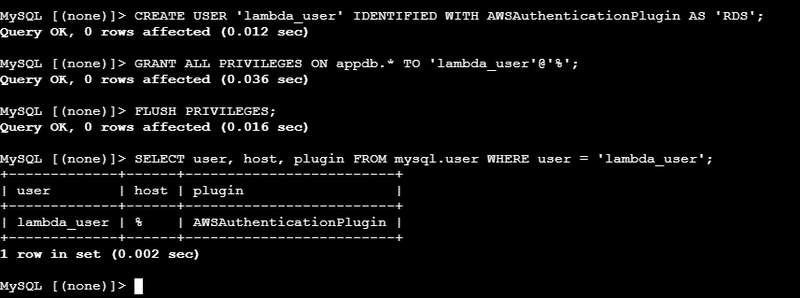
Context: The Importance of Secure Database Access in Lambda Functions In the realm of cloud computing, particularly within the AWS ecosystem, Lambda functions play a crucial role in executing code in response to events without provisioning or managing servers. However, these functions often require access to databases, such as Amazon RDS, to perform their tasks. A common yet insecure practice is to hardcode database credentials—username and password—into the Lambda environment variables. While this may seem convenient, it poses significant security risks. A single misconfiguration in IAM policies, accidental exposure of logs, or a compromised deployment artifact can lead to unauthorized access to sensitive data. Amazon Web Services (AWS) provides a robust solution to mitigate these risks through the use of IAM authentication in conjunction with RDS Proxy. This method allows Lambda functions to connect to databases without the need for static credentials, thereby enhancing security and simplifying management. Achieving Credential-Free Database Access with IAM Authentication The primary goal of implementing IAM authentication with RDS Proxy is to eliminate the need for static database credentials in Lambda functions. Instead of relying on hardcoded usernames and passwords, Lambda can generate a temporary IAM token (valid for 15 minutes) to authenticate against the database. This process is seamless, as AWS handles the validation internally, ensuring that sensitive credentials never leave the Lambda environment. Advantages of IAM Authentication with RDS Proxy Enhanced Security: By removing static credentials, the attack surface for potential breaches is significantly reduced. IAM roles can be fine-tuned, providing only the necessary permissions, thereby following the principle of least privilege. No Credential Management Headaches: With IAM authentication, there is no need for regular password rotations or secrets management, which can often lead to human error and additional administration overhead. Temporary Access Tokens: The use of temporary tokens for authentication means that even if a token is compromised, its validity is limited to a short time frame (15 minutes), thus reducing the window of opportunity for misuse. Auditability: IAM authentication allows for detailed logging of database access attempts through AWS CloudTrail, facilitating compliance and security audits. Seamless Integration: This authentication method integrates well with existing AWS services, allowing organizations to leverage their current IAM policies and practices. Caveats and Limitations While the advantages of IAM authentication are compelling, there are certain considerations to keep in mind: Initial Setup Complexity: Configuring IAM roles and policies may require a deeper understanding of AWS security models, which can be daunting for new users. Dependency on AWS Infrastructure: Organizations that utilize IAM authentication are inherently tied to AWS services and may face challenges if they consider migrating to other cloud providers. Short-lived Tokens: The temporary nature of IAM tokens means that they must be regenerated frequently, which can add complexity in scenarios with high-frequency Lambda invocations. Future Implications: The Role of AI in Database Security As artificial intelligence continues to evolve, its integration into cloud security practices will likely enhance the capabilities of IAM authentication and RDS Proxy. AI algorithms can analyze access patterns and identify anomalies, thereby providing real-time alerts for suspicious activities. The combination of machine learning with IAM could lead to adaptive security measures that dynamically adjust access permissions based on user behavior and contextual data, further minimizing risk. In the Computer Vision and Image Processing fields, where large datasets are processed and analyzed, the secure management of database access becomes paramount. As reliance on cloud resources grows, leveraging IAM authentication for secure and efficient database interactions will become a standard best practice. This approach not only secures sensitive information but also streamlines operations, allowing researchers and practitioners to focus on deriving insights from data rather than managing security compliance. Disclaimer The content on this site is generated using AI technology that analyzes publicly available blog posts to extract and present key takeaways. We do not own, endorse, or claim intellectual property rights to the original blog content. Full credit is given to original authors and sources where applicable. Our summaries are intended solely for informational and educational purposes, offering AI-generated insights in a condensed format. They are not meant to substitute or replicate the full context of the original material. If you are a content owner and wish to request changes or removal, please contact us directly. Source link : Click Here
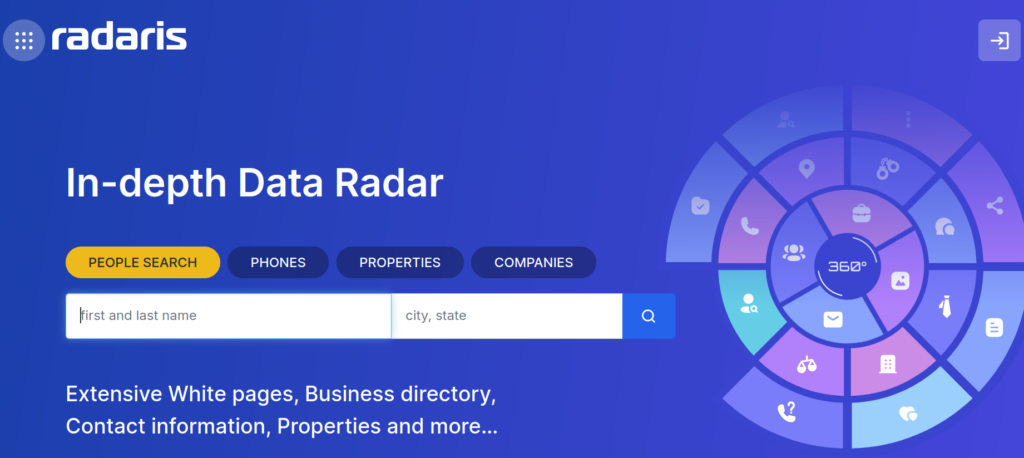
Contextualizing the Privacy Landscape in Data Brokerage In the evolving landscape of data brokerage, the case of Radaris.com serves as a pivotal example of the challenges and legal repercussions that consumer data brokers face when disregarding privacy laws. Radaris, a prominent player in the online people-search service domain, has a longstanding history of neglecting requests for the removal of personal data. This disregard culminated in legal action initiated by Atlas Data Privacy Corp, which accused Radaris of violating Daniel’s Law in New Jersey. This law grants law enforcement officials, government employees, judges, and their families the right to have their personal information removed from commercial data brokers, imposing fines for non-compliance. Main Goals and Their Achievement The central goal of the legal actions against Radaris is to enforce compliance with privacy regulations that protect individuals’ personal information from unauthorized exposure. Achieving this goal requires a concerted effort from legal entities, public awareness, and a commitment to upholding privacy laws. By successfully transferring the radaris.com domain and its associated sites to the plaintiffs, a precedent has been set, emphasizing the legal accountability of data brokers in safeguarding personal data. Advantages of Robust Data Privacy Regulations Enhanced Consumer Protection: Legal frameworks like Daniel’s Law directly protect sensitive information from being exploited by data brokers, thereby enhancing consumer trust in data handling practices. Accountability for Data Brokers: The legal actions against Radaris highlight the importance of holding data brokers accountable, setting a standard for compliance that benefits consumers and deters potential violations. Encouragement of Ethical Data Practices: Enforced regulations encourage data brokers to adopt ethical data handling practices, fostering a culture of respect for privacy. Precedent for Future Litigation: The outcomes of cases like Radaris can serve as a reference for future litigation, emboldening other entities to pursue justice regarding data privacy violations. Increased Public Awareness: High-profile cases draw attention to the importance of privacy rights, educating consumers about their rights and the risks associated with data brokerage. Despite these advantages, it is crucial to recognize the limitations inherent in the current legal framework. The ongoing challenge of navigating jurisdictional issues and the complexities of international law can hinder enforcement efforts against data brokers operating from abroad. Future Implications: The Intersection of AI and Data Privacy As artificial intelligence (AI) technologies continue to advance, their implications for data privacy and the operations of data brokers will be profound. AI’s ability to analyze and synthesize vast amounts of personal data raises significant concerns about privacy infringement and unauthorized data sharing. Future developments in AI may lead to enhanced data mining techniques, exacerbating existing challenges in protecting personal information. Moreover, as legislative bodies attempt to address these challenges, the interplay between technological innovation and regulatory frameworks will become increasingly critical. It is anticipated that lawmakers will need to adapt existing privacy laws to account for the complexities introduced by AI, ensuring that consumer protections remain robust in the face of evolving technologies. In conclusion, while the Radaris case underscores the importance of enforcing data privacy laws, the future landscape will require ongoing vigilance and adaptation as new technologies emerge and the data brokerage industry continues to evolve. Disclaimer The content on this site is generated using AI technology that analyzes publicly available blog posts to extract and present key takeaways. We do not own, endorse, or claim intellectual property rights to the original blog content. Full credit is given to original authors and sources where applicable. Our summaries are intended solely for informational and educational purposes, offering AI-generated insights in a condensed format. They are not meant to substitute or replicate the full context of the original material. If you are a content owner and wish to request changes or removal, please contact us directly. Source link : Click Here

Introduction In the rapidly evolving landscape of digital marketing, the integration of artificial intelligence (AI) tools has emerged as a pivotal strategy for enhancing operational efficiency and campaign effectiveness. One such notable advancement is the recent integration of Omneky’s AI Growth Agent with Slack, a popular collaboration platform. This integration facilitates seamless communication and collaboration among marketing teams, enabling them to brief, approve, and launch advertising campaigns from within the platforms they are already accustomed to using. This blog post elucidates the implications of this integration in the context of AI-powered marketing and its benefits for digital marketers. Main Goal of the Integration The primary objective of the Omneky and Slack integration is to streamline the ad campaign process by enabling marketing teams to use the AI Growth Agent directly within their established workflows. By posting briefs, engaging with AI-generated strategies, and approving creative content within Slack channels, teams can significantly reduce the time and complexity associated with traditional campaign management. The integration allows the AI Growth Agent to conduct competitive research, propose strategies, and deliver creative variants—all within the same conversational thread, thereby enhancing overall productivity. Advantages of the AI Growth Agent Integration Enhanced Collaboration: The integration fosters improved collaboration among team members by centralizing communication and decision-making within Slack. This approach eliminates the need for disparate tools, thus streamlining workflows. Efficiency in Campaign Management: The AI Growth Agent automates crucial tasks such as research and content generation, allowing teams to focus on strategic decision-making rather than administrative duties. This automation can lead to faster campaign launches and more agile responses to market changes. Real-Time Performance Insights: The AI Growth Agent not only facilitates campaign execution but also provides real-time updates on pacing and performance. This feature enables teams to make data-driven adjustments and optimize their strategies promptly. Data-Driven Decision Making: With access to closed-loop performance data across substantial ad spend, marketing teams can leverage insights from previous campaigns to inform future strategies, ensuring a continuous improvement cycle. Versatility Across Channels: The integration supports media buying across multiple channels, including emerging platforms like ChatGPT. This versatility enables marketers to craft cohesive campaigns that resonate across diverse audience segments. Caveats and Limitations While the integration of AI tools like Omneky with Slack presents numerous advantages, it is imperative to acknowledge certain limitations. First, the effectiveness of the AI Growth Agent is contingent upon the quality of data input; poor data quality can lead to suboptimal outcomes. Additionally, reliance on AI-generated content may necessitate ongoing human oversight to ensure alignment with brand voice and strategic objectives. Finally, teams may require training to fully leverage the capabilities of the AI Growth Agent, particularly in interpreting data insights and optimizing campaigns effectively. Future Implications for AI in Digital Marketing The integration of AI into digital marketing practices signifies a transformative shift towards more autonomous, data-driven decision-making processes. As AI technologies continue to evolve, we anticipate even greater capabilities in predictive analytics, personalization, and customer engagement. Future developments may enable marketers to harness advanced machine learning algorithms that can analyze vast datasets to predict consumer behavior with unprecedented accuracy. Furthermore, as AI becomes increasingly sophisticated, we may see a greater emphasis on ethical considerations and transparency in AI-driven marketing practices, ensuring that consumer trust is maintained amidst technological advancements. Conclusion The integration of Omneky’s AI Growth Agent with Slack heralds a new era in AI-powered marketing, offering substantial benefits to digital marketers through enhanced collaboration, efficiency, and data-driven insights. As the industry continues to embrace AI technologies, ongoing adaptation and strategic foresight will be crucial for maximizing the potential of these tools in achieving marketing success. Disclaimer The content on this site is generated using AI technology that analyzes publicly available blog posts to extract and present key takeaways. We do not own, endorse, or claim intellectual property rights to the original blog content. Full credit is given to original authors and sources where applicable. Our summaries are intended solely for informational and educational purposes, offering AI-generated insights in a condensed format. They are not meant to substitute or replicate the full context of the original material. If you are a content owner and wish to request changes or removal, please contact us directly. Source link : Click Here

Context of Arm Total Design for Physical AI Arm Holdings PLC has recently launched the Arm Total Design for Physical AI initiative, a collaborative program designed to unite over 80 companies involved in the physical AI domain. This initiative encompasses a variety of entities that contribute to the technological stack of physical AI, thereby fostering an environment conducive to innovation and cooperation. Accompanying this program is the introduction of the Robotics Capability Framework, which serves as a foundational tool for establishing a common lexicon to define and enhance robotic capabilities. This alignment is crucial as the robotics and autonomous vehicle sectors face similar challenges related to perception, AI integration, real-time control, safety, and efficient computational requirements. The primary objective of Arm Total Design is to cultivate interoperability among companies operating in the physical AI landscape. As articulated by Dermot O’Driscoll, Vice President of Go-to-Market and Customer Solutions for Physical AI at Arm, the initiative aims to facilitate more effective collaboration among participating organizations. By addressing the fragmentation within the robotics industry, Arm seeks to create synergies among various disciplines, thereby enhancing the collective ability to innovate and develop robust solutions. Main Goal and Achievement Strategies The overarching goal of Arm Total Design is to streamline collaboration among companies engaged in the development of physical AI technologies. To achieve this, Arm is leveraging its experience from the cloud computing sector, wherein similar collaborative ecosystems successfully flourished. By fostering an environment where organizations can share technologies, ideas, and resources, Arm endeavors to mitigate the challenges of fragmentation within the robotics industry. To operationalize this goal, Arm has established a structured ecosystem that integrates various stakeholders, including software developers, hardware manufacturers, and end-users. This collaborative framework is anticipated to facilitate the alignment of technologies across different sectors, thereby accelerating the development and deployment of interoperable robotic systems. Advantages of Arm Total Design for Industrial Technologists 1. **Enhanced Interoperability**: The initiative promotes a cohesive environment where different companies can collaborate effectively, thus improving the interoperability of robotic systems. This is crucial for industrial technologists, as fragmented technologies can lead to inefficiencies and integration challenges. 2. **Common Language Framework**: The Robotics Capability Framework introduces a standardized approach to define and assess robotic capabilities. This common language aids industrial technologists in understanding the sophistication of various robotic systems, enabling better communication and collaboration across teams. 3. **Access to Diverse Expertise**: By uniting over 80 companies, Arm Total Design provides industrial technologists access to a wealth of knowledge and resources. This cross-pollination of ideas can lead to innovative solutions that might not emerge in isolated environments. 4. **Streamlined Development Processes**: The ecosystem created by Arm facilitates the sharing of intellectual property (IP) and technologies, allowing for quicker prototyping and deployment of robotic applications. This can significantly reduce the time-to-market for new solutions. 5. **Industry-Wide Collaboration**: The initiative encourages participation from various sectors, including automotive and cloud computing, enabling industrial technologists to leverage advancements from these industries to enhance their robotic solutions. 6. **Future-Proofing Technologies**: With the rapid evolution of AI technologies, the collaborative nature of Arm Total Design positions participating companies to adapt quickly to emerging trends, thereby ensuring their solutions remain relevant in a dynamic market. While the benefits are substantial, it is important to acknowledge potential limitations, including the need for continuous engagement from all stakeholders to maintain momentum within the initiative. Additionally, companies may face challenges in aligning their proprietary technologies with the collaborative framework. Future Implications of AI Developments in Robotics As the field of AI continues to advance, its implications for robotics are profound. The integration of sophisticated AI algorithms will enhance the autonomy and decision-making capabilities of robotic systems, making them more adaptable and efficient in diverse environments. This evolution will necessitate a reevaluation of existing frameworks and standards, including those established by the Arm Total Design initiative. Moreover, as AI technologies become more pervasive, the demand for interoperability will intensify. Arm Total Design is strategically positioned to address this need by fostering a collaborative ecosystem that can adapt to the changing landscape of AI applications in robotics. The continuous interplay between AI advancements and robotics will likely lead to the development of more complex systems capable of learning and self-optimizing, further pushing the boundaries of what is achievable in industrial automation. In conclusion, Arm Total Design for Physical AI holds significant promise for the future of robotics and smart manufacturing. Through enhanced collaboration, standardized frameworks, and a focus on interoperability, the initiative prepares industrial technologists to navigate the complexities of a rapidly evolving technological landscape, ultimately driving innovation and efficiency in the field. Disclaimer The content on this site is generated using AI technology that analyzes publicly available blog posts to extract and present key takeaways. We do not own, endorse, or claim intellectual property rights to the original blog content. Full credit is given to original authors and sources where applicable. Our summaries are intended solely for informational and educational purposes, offering AI-generated insights in a condensed format. They are not meant to substitute or replicate the full context of the original material. If you are a content owner and wish to request changes or removal, please contact us directly. Source link : Click Here

Contextual Background In a significant move that highlights a shift towards specialized expertise within public health advisory bodies, Health Secretary Robert F. Kennedy Jr. has appointed eight new members to the U.S. Preventive Services Task Force (USPSTF). This panel is tasked with evaluating evidence and determining the necessity of preventive medical services, which subsequently influence health insurance coverage policies. This new composition, featuring specialists from diverse fields such as clinical nutrition, gastroenterology, and oncology, marks a departure from previous practices that favored generalists. Specialists are expected to bring targeted insights that may enhance the quality of preventive care recommendations. Main Goal and Achievement Strategy The primary objective of this reconstitution of the USPSTF is to ensure that preventive health guidelines are rooted in robust, specialized evidence. By integrating specialists into the panel, the aim is to refine the evaluation process of preventive services, thereby improving the relevance and applicability of recommendations. This transition can be achieved through a thorough assessment of the evidence surrounding each preventive service and leveraging the specialized knowledge of the new members to address gaps in public health strategies. Advantages of the New Composition Enhanced Expertise: The inclusion of specialists allows for a more nuanced understanding of specific health conditions, facilitating evidence-based recommendations tailored to diverse populations. Improved Preventive Care: With specialists on board, the task force is likely to develop more effective guidelines that could lead to better preventive health outcomes, particularly in areas such as cancer screening and chronic disease management. Increased Credibility: The appointment of experts may enhance the credibility and trustworthiness of the task force’s recommendations among health professionals and the public, fostering greater adherence to preventive measures. Policy Influence: As the task force’s findings are critical to health insurance coverage, specialized recommendations may lead to more comprehensive insurance policies that better support preventive healthcare initiatives. Dynamic Response to Emerging Health Issues: Specialists can swiftly adapt guidelines in response to emerging health threats, ensuring the task force remains relevant in the rapidly evolving landscape of public health. Caveats and Limitations Despite the advantages, there are inherent limitations to this approach. The reliance on specialists may inadvertently narrow the focus of the task force’s recommendations, potentially sidelining important general preventive measures. Furthermore, the ongoing vacancies within the panel could hinder its operational efficiency and effectiveness. The recent firings of former vice chairs also raise concerns regarding continuity and stability within the task force, which could impact its long-term functionality. Future Implications The integration of artificial intelligence (AI) technologies in health and medicine is poised to further transform the landscape of preventive services. AI’s capabilities in data analysis and predictive modeling can enhance the task force’s ability to assess evidence and develop guidelines. Future advancements may enable the task force to utilize AI-driven insights for more personalized preventive care strategies, aligning with individual health profiles and needs. Additionally, as new health challenges emerge, AI can facilitate rapid evaluations and adjustments to existing guidelines, ensuring that preventive measures remain effective and relevant. Disclaimer The content on this site is generated using AI technology that analyzes publicly available blog posts to extract and present key takeaways. We do not own, endorse, or claim intellectual property rights to the original blog content. Full credit is given to original authors and sources where applicable. Our summaries are intended solely for informational and educational purposes, offering AI-generated insights in a condensed format. They are not meant to substitute or replicate the full context of the original material. If you are a content owner and wish to request changes or removal, please contact us directly. Source link : Click Here


