Introduction
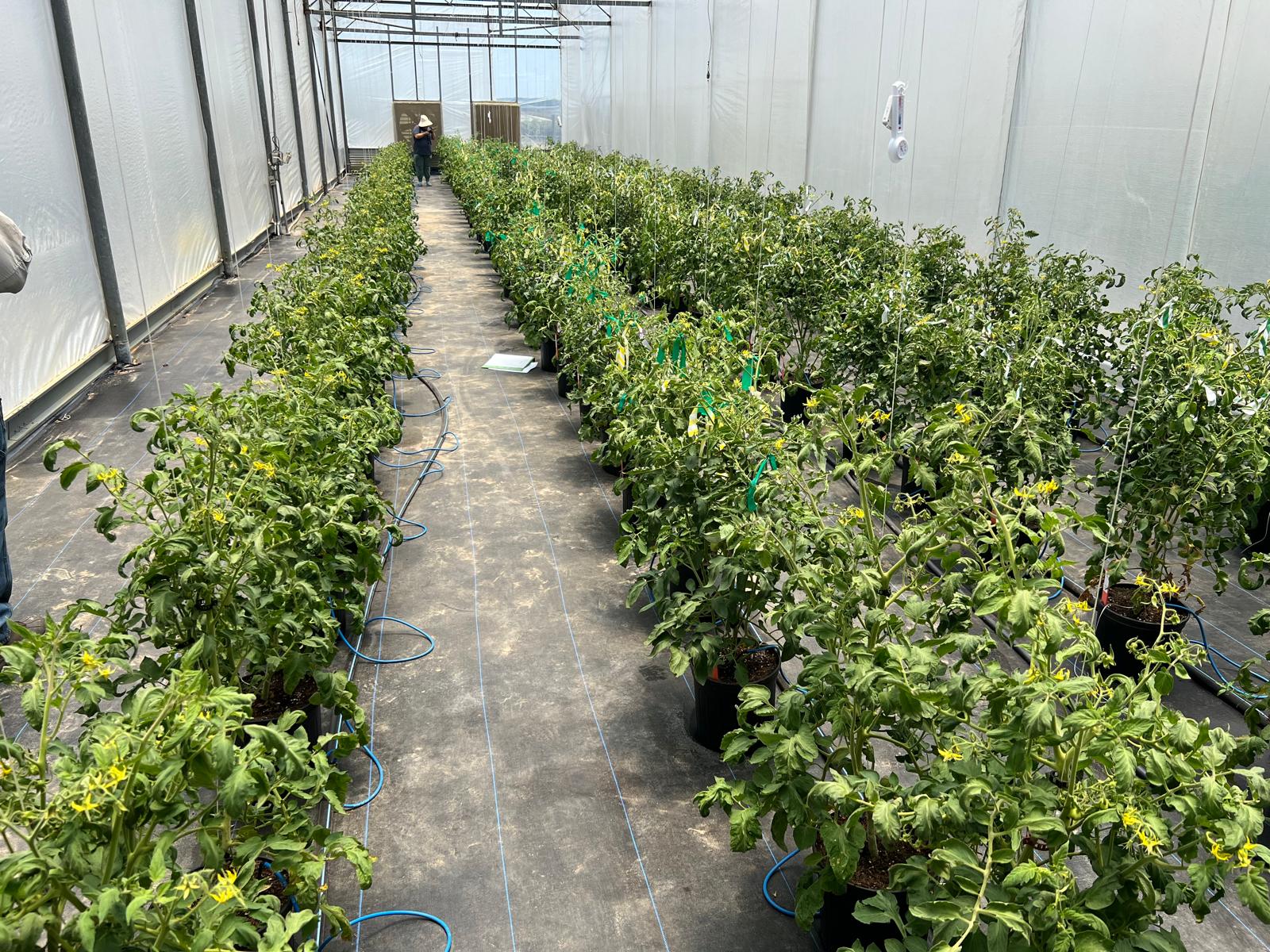
The integration of technology in various sectors has transformed conventional practices, and AgriTech is no exception. In recent years, advancements in technology have allowed for innovative solutions in agriculture, leading to better productivity, sustainability, and the overall enhancement of farming practices. A significant focus has been placed on empowering young innovators to take part in this evolution, as demonstrated by initiatives that create pathways for students to attain skills in STEM (Science, Technology, Engineering, and Mathematics) fields. These initiatives not only equip students with the necessary knowledge but also embed a sense of community and cultural awareness, which is crucial for fostering an inclusive environment in the AgriTech sector.
Main Objective
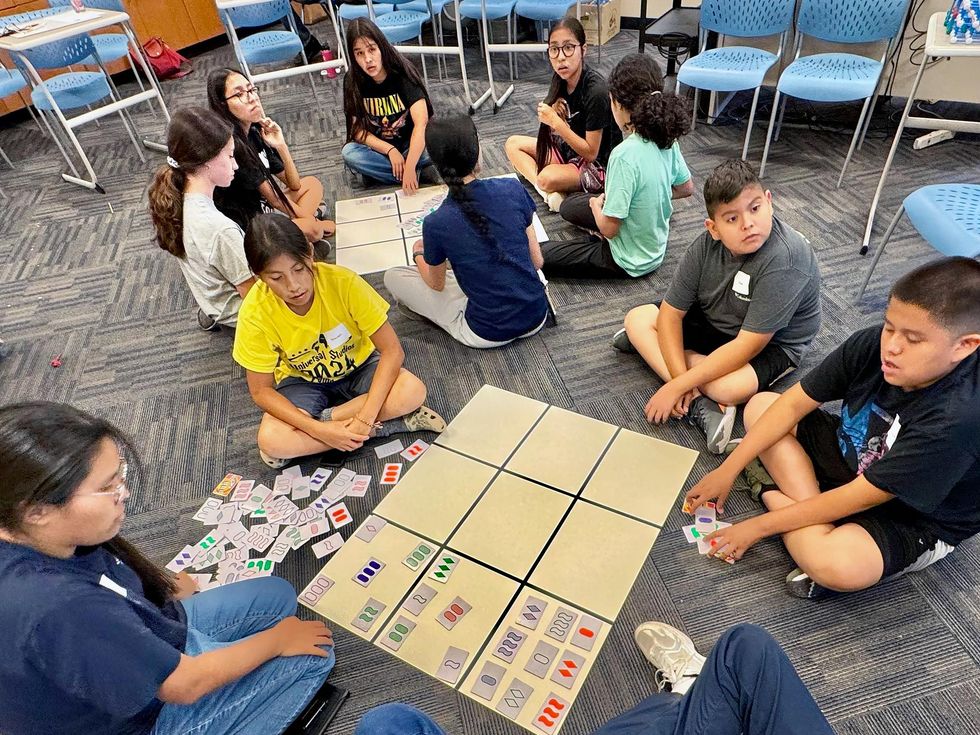
The primary goal of initiatives such as those undertaken by young leaders in AgriTech is to increase accessibility to STEM education and opportunities, particularly for underrepresented groups. By providing students with hands-on experiences and mentorship, these programs aim to cultivate the next generation of innovators who will contribute to sustainable agricultural practices through technology. Achieving this goal involves creating collaborative environments where students can learn, innovate, and engage with experienced professionals in the field.
Structured Advantages
Engaging students in STEM through AgriTech initiatives offers several benefits:
- Skill Development: Participants gain practical skills in technology applications relevant to agriculture, enabling them to contribute effectively to the industry.
- Networking Opportunities: These programs connect students with industry professionals and thought leaders, fostering relationships that can lead to internships and employment opportunities.
- Cultural Relevance: Integrating cultural elements into STEM education helps students appreciate the historical significance of agriculture within their communities, enhancing their learning experience.
- Increased Diversity: By targeting underrepresented groups, such initiatives promote diversity within the AgriTech sector, which is essential for developing solutions that cater to a broader population.
- Community Engagement: Programs that involve local communities encourage collaboration and support, leading to a more robust agricultural ecosystem.
While the advantages are substantial, it is essential to acknowledge potential limitations, such as funding constraints and varying levels of commitment from stakeholders, which can impede the effectiveness of these initiatives.
Future Implications
The advent of Artificial Intelligence (AI) is poised to significantly reshape the landscape of AgriTech. As AI applications become increasingly integrated into agricultural practices, the need for a workforce equipped with the requisite skills becomes paramount. AI can optimize crop management, enhance yield predictions, and streamline supply chains, thus presenting new opportunities for innovation within the sector. Consequently, educational initiatives must adapt to include AI training, ensuring that students are not only consumers of technology but also creators. This transition will facilitate the development of intelligent agricultural systems that are sustainable and efficient, aligning with the global push towards environmentally friendly practices.
In conclusion, empowering young innovators through STEM and AgriTech initiatives is crucial for cultivating a diverse and skilled workforce that can meet the challenges of modern agriculture. As technology continues to evolve, the integration of AI into these educational frameworks will be vital for fostering a future where innovative solutions thrive, ultimately benefiting both the agricultural sector and society at large.
Disclaimer
The content on this site is generated using AI technology that analyzes publicly available blog posts to extract and present key takeaways. We do not own, endorse, or claim intellectual property rights to the original blog content. Full credit is given to original authors and sources where applicable. Our summaries are intended solely for informational and educational purposes, offering AI-generated insights in a condensed format. They are not meant to substitute or replicate the full context of the original material. If you are a content owner and wish to request changes or removal, please contact us directly.
Source link :