
Introduction The integration of technology in various sectors has transformed conventional practices, and AgriTech is no exception. In recent years, advancements in technology have allowed for innovative solutions in agriculture, leading to better productivity, sustainability, and the overall enhancement of farming practices. A significant focus has been placed on empowering young innovators to take part in this evolution, as demonstrated by initiatives that create pathways for students to attain skills in STEM (Science, Technology, Engineering, and Mathematics) fields. These initiatives not only equip students with the necessary knowledge but also embed a sense of community and cultural awareness, which is crucial for fostering an inclusive environment in the AgriTech sector. Main Objective The primary goal of initiatives such as those undertaken by young leaders in AgriTech is to increase accessibility to STEM education and opportunities, particularly for underrepresented groups. By providing students with hands-on experiences and mentorship, these programs aim to cultivate the next generation of innovators who will contribute to sustainable agricultural practices through technology. Achieving this goal involves creating collaborative environments where students can learn, innovate, and engage with experienced professionals in the field. Structured Advantages Engaging students in STEM through AgriTech initiatives offers several benefits: Skill Development: Participants gain practical skills in technology applications relevant to agriculture, enabling them to contribute effectively to the industry. Networking Opportunities: These programs connect students with industry professionals and thought leaders, fostering relationships that can lead to internships and employment opportunities. Cultural Relevance: Integrating cultural elements into STEM education helps students appreciate the historical significance of agriculture within their communities, enhancing their learning experience. Increased Diversity: By targeting underrepresented groups, such initiatives promote diversity within the AgriTech sector, which is essential for developing solutions that cater to a broader population. Community Engagement: Programs that involve local communities encourage collaboration and support, leading to a more robust agricultural ecosystem. While the advantages are substantial, it is essential to acknowledge potential limitations, such as funding constraints and varying levels of commitment from stakeholders, which can impede the effectiveness of these initiatives. Future Implications The advent of Artificial Intelligence (AI) is poised to significantly reshape the landscape of AgriTech. As AI applications become increasingly integrated into agricultural practices, the need for a workforce equipped with the requisite skills becomes paramount. AI can optimize crop management, enhance yield predictions, and streamline supply chains, thus presenting new opportunities for innovation within the sector. Consequently, educational initiatives must adapt to include AI training, ensuring that students are not only consumers of technology but also creators. This transition will facilitate the development of intelligent agricultural systems that are sustainable and efficient, aligning with the global push towards environmentally friendly practices. In conclusion, empowering young innovators through STEM and AgriTech initiatives is crucial for cultivating a diverse and skilled workforce that can meet the challenges of modern agriculture. As technology continues to evolve, the integration of AI into these educational frameworks will be vital for fostering a future where innovative solutions thrive, ultimately benefiting both the agricultural sector and society at large. Disclaimer The content on this site is generated using AI technology that analyzes publicly available blog posts to extract and present key takeaways. We do not own, endorse, or claim intellectual property rights to the original blog content. Full credit is given to original authors and sources where applicable. Our summaries are intended solely for informational and educational purposes, offering AI-generated insights in a condensed format. They are not meant to substitute or replicate the full context of the original material. If you are a content owner and wish to request changes or removal, please contact us directly. Source link : Click Here

Contextual Overview In the rapidly evolving field of AgriTech and Smart Farming, the integration of advanced data capabilities and autonomous maneuvers is crucial for enhancing operational efficiency. Agtonomy, a leader in physical AI technology, is at the forefront of this transformation by enhancing its autonomy stack and introducing innovative functionalities such as autonomous multi-point turning. This technological advancement allows Agtonomy-enabled units to execute complex maneuvers with high precision, thereby expanding the operational capabilities of agricultural equipment in challenging environments. Main Goal and Achievement Strategies The primary objective of Agtonomy’s advancements is to facilitate the seamless integration of automation in off-road equipment to improve agricultural productivity. This goal can be achieved through the continuous collection and analysis of operational data, which informs iterative improvements in system performance. By leveraging over 2 terabytes of data generated per hour from each vehicle, Agtonomy can refine its algorithms and enhance the autonomy of its equipment, ensuring that growers have access to reliable and efficient solutions in real-time. Advantages of Enhanced Data Capabilities Improved Operational Efficiency: The use of anonymized data aids in optimizing fleet management and operational analytics, as evidenced by the significant reduction in manual data collection efforts, as highlighted by Joel Carter, Orchard Operations Manager at Okanagan Specialty Fruits. Greater Maneuverability: The introduction of autonomous multi-point turning enhances the ability of equipment to navigate tight spaces, enabling operations in previously inaccessible areas, which can considerably increase task completion rates on varied terrain. Scalable Data Collection: With passive data collection capabilities, Agtonomy enables continuous gathering of field intelligence, which builds a robust foundation for future technological applications and partnerships. Versatile Implement Support: The Agtonomy Implement Library™ allows for standardized integration of over 500 implements, catering to diverse agricultural tasks and enhancing the adaptability of the platform to different operational needs. Caveats and Limitations While the advancements presented by Agtonomy indicate significant strides in AgriTech, it is essential to acknowledge potential limitations. The reliance on large datasets necessitates robust data security measures to safeguard sensitive operational information. Additionally, the effectiveness of autonomous systems can be influenced by varying environmental conditions, which may require continual adjustments and updates to the AI algorithms. Future Implications of AI Developments The ongoing advancements in AI technologies are poised to redefine the landscape of AgriTech. As machine learning algorithms become increasingly sophisticated, the potential for predictive analytics in agriculture will expand, providing growers with invaluable insights into crop management and yield optimization. Furthermore, the integration of AI-driven solutions will likely lead to more sustainable farming practices by enabling precise resource allocation and minimizing waste. The future of AgriTech lies in the embrace of these intelligent systems, which will empower growers to make data-driven decisions that enhance productivity and sustainability in the agricultural sector. Disclaimer The content on this site is generated using AI technology that analyzes publicly available blog posts to extract and present key takeaways. We do not own, endorse, or claim intellectual property rights to the original blog content. Full credit is given to original authors and sources where applicable. Our summaries are intended solely for informational and educational purposes, offering AI-generated insights in a condensed format. They are not meant to substitute or replicate the full context of the original material. If you are a content owner and wish to request changes or removal, please contact us directly. Source link : Click Here

Contextualizing E-commerce Platforms in Applied Machine Learning In the evolving landscape of e-commerce, platforms such as Sellfy have emerged as essential tools for digital content creators, enabling them to efficiently establish online stores and monetize their products. The application of machine learning in this domain enhances the functionality and efficiency of such platforms. Machine learning algorithms can analyze consumer behavior, optimize inventory management, and personalize marketing strategies, thereby improving customer engagement and conversion rates. Main Goals and Achievements The primary goal of utilizing an e-commerce platform like Sellfy is to streamline the process of selling digital products while maintaining autonomy over marketing strategies. This objective can be achieved through the platform’s user-friendly interface, customizable storefronts, and robust payment processing capabilities. Users can quickly set up their stores and begin selling within a matter of minutes, significantly reducing the barriers to entry for aspiring entrepreneurs. Advantages of Using Sellfy Rapid Setup: Users can establish an online store in a matter of minutes, allowing for swift entry into the e-commerce space. Comprehensive Product Types: Sellfy supports various product categories, including physical items, digital goods, and subscription services, catering to a diverse range of sellers. Immediate Payment Processing: Sellers receive payments on the same day as sales, which is advantageous compared to platforms with delayed payment processes. Customizable Storefront: The platform allows users to tailor their online presence with personalized branding elements, thereby enhancing brand recognition. Integrated Marketing Tools: Sellfy’s built-in marketing capabilities, including email marketing and discount codes, enable sellers to effectively promote their products and engage with customers. Mobile Responsiveness: The platform ensures that online stores are optimized for mobile devices, facilitating a seamless shopping experience for customers on various platforms. Considerations and Limitations Free Plan Restrictions: While Sellfy offers a free plan, it limits users to only 10 products, which may not suffice for those looking to scale quickly. Branding Limitations: The platform’s branding is only removed from hosted products upon upgrading to a paid plan, which may affect initial perceptions of professionalism. Design Uniformity: Although the storefront designs are clean, the lack of unique templates may limit the ability to create a distinctive brand image. Future Implications of AI in E-commerce Platforms As artificial intelligence continues to advance, its integration into e-commerce platforms like Sellfy is likely to revolutionize the industry. Future developments may include enhanced predictive analytics to forecast consumer trends, automated customer service solutions powered by chatbots, and sophisticated algorithms for personalized marketing campaigns. These innovations will not only optimize operational efficiency but also create a more personalized shopping experience, ultimately increasing customer satisfaction and retention. Disclaimer The content on this site is generated using AI technology that analyzes publicly available blog posts to extract and present key takeaways. We do not own, endorse, or claim intellectual property rights to the original blog content. Full credit is given to original authors and sources where applicable. Our summaries are intended solely for informational and educational purposes, offering AI-generated insights in a condensed format. They are not meant to substitute or replicate the full context of the original material. If you are a content owner and wish to request changes or removal, please contact us directly. Source link : Click Here

Contextual Overview In the rapidly evolving landscape of Natural Language Processing (NLP), optimizing model inference is paramount for enhancing performance without necessitating significant hardware investments. The exploration of techniques such as quantization, optimized kernels, and advanced inference engines is essential for maximizing the utility of existing GPU infrastructures. Among these techniques, speculative decoding has emerged as a particularly effective strategy, increasing generation speed while minimizing the need for additional GPUs. This approach is vital for Natural Language Understanding (NLU), where rapid and accurate model inference is crucial. Main Goal and Its Achievement The primary objective of the discussed techniques, particularly those utilizing DSpark, is to enhance the speed of large language model (LLM) inference. This is achieved through innovative methods that combine parallel and sequential processing, allowing the model to generate draft tokens while leveraging information from prior predictions. By implementing these advanced techniques, NLU scientists can expect to see significant improvements in generation throughput, leading to more efficient natural language applications. Advantages and Limitations Increased Generation Speed: The implementation of DSpark has been reported to yield a generation speed increase ranging from 60% to 85%, enhancing the overall efficiency of LLMs. Parallel Drafting with Sequential Components: DSpark’s hybrid approach allows for the integration of information from previously predicted tokens, improving the accuracy of subsequent predictions while maintaining speed. Reduction in Computational Waste: By estimating the likelihood of draft tokens surviving verification, DSpark can eliminate low-confidence predictions, optimizing resource usage. Ease of Implementation: DSpark can be readily integrated into existing frameworks, such as llama.cpp, making it accessible to practitioners in the field. Compatibility and Support: Despite its advantages, DSpark currently supports a limited number of models, which may restrict its utility across varied applications. Future Implications The advancements in techniques like DSpark signal a transformative shift in the capabilities of AI in natural language tasks. As AI continues to evolve, the emphasis on improving inference speed without compromising quality will likely lead to more sophisticated models that can handle complex tasks with greater efficiency. This progression suggests that NLU scientists will increasingly rely on hybrid techniques, combining the strengths of various approaches to achieve optimal performance. The future landscape of NLP will be characterized by models that not only generate text rapidly but also understand and interpret language with increasing accuracy, paving the way for more intuitive human-computer interactions. Disclaimer The content on this site is generated using AI technology that analyzes publicly available blog posts to extract and present key takeaways. We do not own, endorse, or claim intellectual property rights to the original blog content. Full credit is given to original authors and sources where applicable. Our summaries are intended solely for informational and educational purposes, offering AI-generated insights in a condensed format. They are not meant to substitute or replicate the full context of the original material. If you are a content owner and wish to request changes or removal, please contact us directly. Source link : Click Here
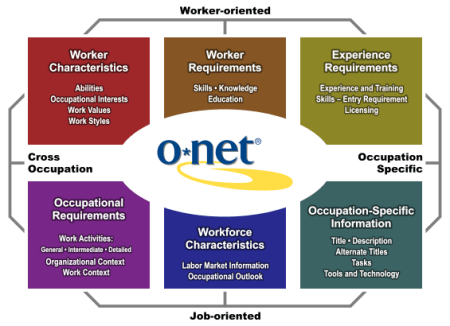
Context In the realm of labor economics, the ability to identify transition pathways for workers is increasingly vital, particularly as automation and technological advancements reshape job markets. The original post, “Identifying skills-based occupational transition pathways with the O*NET,” outlines a methodology to estimate potential labor market transitions by analyzing the similarity of skills, abilities, and knowledge across various occupations. By leveraging the O*NET database—an extensive resource detailing the characteristics of over 800 occupations—researchers can glean insights into how workers can transition between jobs, especially in the face of automation and evolving market demands. This approach offers a structured framework for data engineers and professionals in the Data Analytics and Insights industry to assess labor market dynamics effectively. Main Goals and Achievements The primary goal established in the original post is the identification of viable occupational transition pathways for workers, particularly for those currently employed in roles subject to automation, such as truck drivers. This goal can be achieved through a systematic analysis of occupational data, focusing on the following key steps: 1. **Data Analysis**: Utilize the O*NET database to extract relevant occupational data. 2. **Skill Similarity Assessment**: Calculate similarity scores based on the skills and attributes required for different occupations. 3. **Transition Pathway Identification**: Identify potential job transitions that workers can undertake based on their existing skill sets. By employing these steps, organizations can not only support workers in navigating their career paths but also enhance workforce planning and policy development. Advantages of the Approach 1. **Enhanced Labor Market Insights**: The methodology provides a detailed understanding of how similar occupations are, which can guide workforce development initiatives. As noted in the original content, the similarities in skills and abilities can facilitate smoother transitions between jobs. 2. **Data-Driven Decision Making**: By utilizing empirical data from the O*NET database, organizations can make informed decisions regarding training programs and workforce allocation. This approach aligns with evidence indicating that similar jobs require similar skills, making it easier for workers to transition. 3. **Policy Development**: Policymakers can utilize the findings to design targeted interventions for workers in occupations at risk of automation. The data can inform the development of training programs aimed at equipping workers with the necessary skills for transition. 4. **Broad Applicability**: The methodology is adaptable to various labor markets and occupational classifications, allowing for broader application beyond the US context. This flexibility can enhance its relevance to international workforce challenges. Limitations and Caveats While the advantages are compelling, there are limitations to consider: 1. **Data Coverage**: The analysis may not cover all occupations, as indicated by the original post, which noted that a percentage of occupations may not be represented in the O*NET database. This limitation can skew the similarity scores and potentially overlook viable transition pathways. 2. **Variability in Occupation Characteristics**: The approach relies on the assumption that skill similarities translate into job transition feasibility, which may not hold true in all cases. Factors such as wage differentials, geographic mobility, and personal circumstances can significantly impact a worker’s ability to transition. 3. **Dynamic Labor Markets**: The rapidly changing nature of labor markets, influenced by technology and economic conditions, may mean that findings can quickly become outdated. Continuous updates to the data and methodology are essential to maintain relevance. Future Implications and AI Developments Looking ahead, the integration of AI into labor market analysis holds significant promise. As AI technologies evolve, they can enhance the accuracy and efficiency of occupational data analysis. For instance, machine learning algorithms can be employed to predict occupational transitions more effectively by analyzing vast datasets for patterns that may not be immediately apparent through traditional methods. Additionally, AI can facilitate real-time updates to occupational data, ensuring that workforce development strategies remain aligned with current market conditions. Moreover, AI-driven personalization in training and education could further empower workers by providing tailored learning pathways based on individual skill sets and career aspirations. As AI continues to revolutionize the workplace, the methodologies developed for identifying occupational transition pathways will likely become increasingly sophisticated, enabling organizations to better support their workforce in an ever-evolving labor landscape. In summary, while the methodology for identifying skills-based occupational transition pathways offers substantial benefits for labor market analysis, it is crucial to remain vigilant about its limitations and adapt to the dynamic nature of the workforce, particularly as AI continues to shape our understanding of labor market dynamics. Disclaimer The content on this site is generated using AI technology that analyzes publicly available blog posts to extract and present key takeaways. We do not own, endorse, or claim intellectual property rights to the original blog content. Full credit is given to original authors and sources where applicable. Our summaries are intended solely for informational and educational purposes, offering AI-generated insights in a condensed format. They are not meant to substitute or replicate the full context of the original material. If you are a content owner and wish to request changes or removal, please contact us directly. Source link : Click Here


