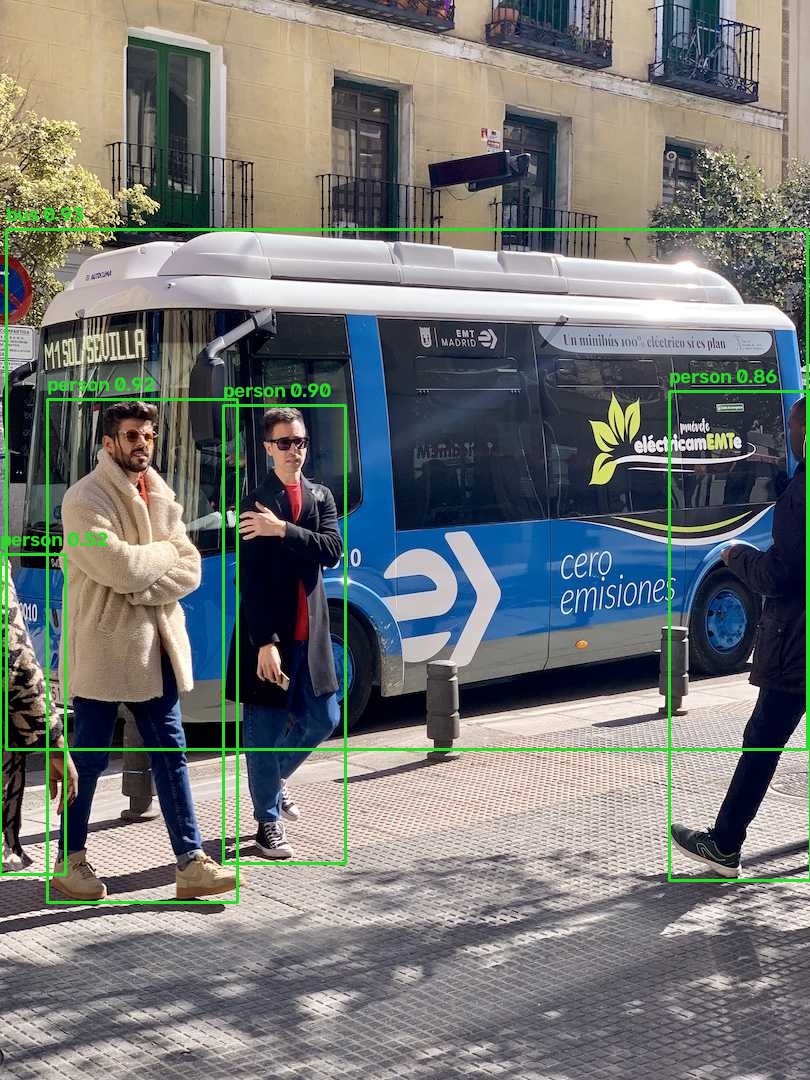
OpenCV’s Deep Neural Network (DNN) module serves as a powerful tool for implementing deep learning inference within applications that handle image processing and video analysis. The recent release of OpenCV 5 introduces an enhanced inference engine, which significantly broadens the scope of modern ONNX (Open Neural Network Exchange) models. This advancement allows for seamless integration of pretrained neural networks, such as those for object detection and instance segmentation, into existing workflows without necessitating the original training framework.
The primary objective outlined in the original post is to facilitate the deployment of complex deep learning models for tasks such as object detection and instance segmentation using OpenCV 5. This can be achieved through a straightforward process that involves:
This streamlined approach enables developers and researchers in the field of computer vision to leverage advanced neural networks efficiently, enhancing their applications’ capabilities.
While the DNN module presents numerous advantages, it is essential to consider certain limitations:
The rapid developments in artificial intelligence and machine learning are poised to significantly influence the landscape of computer vision. As models become increasingly sophisticated and capable of processing more complex tasks, tools like OpenCV’s DNN module will likely evolve further, incorporating enhanced capabilities for real-time processing and advanced analytics. The integration of AI with computer vision will facilitate the development of more intuitive applications, enabling real-time object recognition, advanced video analysis, and automated decision-making across various industries.
OpenCV’s DNN module represents a significant advancement in the field of computer vision, empowering developers and researchers to employ sophisticated deep learning models with ease. By bridging the gap between model training and deployment, it streamlines the process of integrating advanced neural networks into practical applications. As the technology continues to evolve, its implications for the future of AI in computer vision are profound, promising to reshape the technological landscape.
Disclaimer
The content on this site is generated using AI technology that analyzes publicly available blog posts to extract and present key takeaways. We do not own, endorse, or claim intellectual property rights to the original blog content. Full credit is given to original authors and sources where applicable. Our summaries are intended solely for informational and educational purposes, offering AI-generated insights in a condensed format. They are not meant to substitute or replicate the full context of the original material. If you are a content owner and wish to request changes or removal, please contact us directly.
Source link :