
Context The recent surge in Oracle Corp Japan’s stock price by over 7% following the announcement of record fiscal first-quarter sales and profits underscores the growing impact of cloud technology and artificial intelligence (AI) in the finance and fintech industries. The company reported a 13% increase in net sales to 74.86 billion yen ($472 million), with operating profits rising by 22.7% and net profits climbing by 23.2%. This robust performance was largely attributed to a 31.7% year-on-year increase in cloud revenue, which now constitutes 33.6% of total sales. Demand for cloud infrastructure is driving significant growth in data center utilization, particularly in Tokyo and Osaka, as organizations increasingly turn to cloud solutions to enhance their operational efficiencies. Main Goal The primary goal articulated in the original content is the expansion of Oracle Japan’s cloud and AI offerings, aimed at fostering sustained revenue growth and enhancing market competitiveness. This goal can be achieved through a strategic focus on cloud infrastructure development and the integration of AI solutions tailored to meet the evolving needs of financial professionals. By committing over $8 billion to cloud and AI infrastructure over the next decade, Oracle Japan aims to solidify its presence in the rapidly growing fintech landscape and provide innovative solutions to its clientele. Advantages of Cloud and AI Integration in Finance Enhanced Data Processing Capabilities: The integration of AI within cloud platforms allows for improved data analytics, enabling financial institutions to make more informed decisions based on real-time data analysis. Cost Efficiency: Transitioning to cloud-based solutions can significantly lower operational costs associated with maintaining on-premise infrastructure, allowing financial firms to allocate resources more effectively. Increased Scalability: Cloud services provide the flexibility needed to scale operations rapidly in response to market demand, thereby supporting growth initiatives without the burden of substantial upfront investments. Improved Customer Experience: AI-driven insights can enhance customer engagement through personalized services and automated customer support, leading to higher satisfaction and retention rates. Regulatory Compliance: Cloud solutions can facilitate better compliance with financial regulations through enhanced data security and easier tracking of transactions and activities. Caveats and Limitations Despite the numerous advantages, there are several caveats and limitations to consider. Financial professionals must be aware of the potential for data security breaches, as increased reliance on cloud services may expose sensitive financial information to cyber threats. Additionally, the integration of AI systems requires careful management to avoid biases in automated decision-making processes, which could lead to regulatory scrutiny and reputational damage. Finally, the transition to cloud-based solutions necessitates a cultural shift within organizations, which may face resistance from employees accustomed to traditional practices. Future Implications The trajectory of AI development within the finance sector suggests that we will witness a transformative shift in how financial services are delivered. Enhanced capabilities in AI will likely lead to more sophisticated risk assessment models, enabling financial professionals to identify and mitigate risks with greater accuracy. Furthermore, as AI technologies evolve, the potential for automation in routine tasks may free up financial professionals to focus on strategic initiatives, ultimately driving innovation and growth within the sector. The continued investment in cloud and AI infrastructure by companies like Oracle Japan is indicative of a broader trend toward digital transformation in finance, signaling a future where technology and finance are inextricably linked. Disclaimer The content on this site is generated using AI technology that analyzes publicly available blog posts to extract and present key takeaways. We do not own, endorse, or claim intellectual property rights to the original blog content. Full credit is given to original authors and sources where applicable. Our summaries are intended solely for informational and educational purposes, offering AI-generated insights in a condensed format. They are not meant to substitute or replicate the full context of the original material. If you are a content owner and wish to request changes or removal, please contact us directly. Source link : Click Here

Contextual Overview: The Legacy of the Houston Rockets The Houston Rockets franchise, established in 1967, has seen a myriad of players donning a total of 52 different jersey numbers. Among these, notable contributions from nearly 500 players highlight the team’s rich history. Recognizing the significance of these numbers, the Rockets organization has embarked on a comprehensive retrospective to honor the athletes who have represented the team through the decades. This initiative not only serves to commemorate individual players but also to celebrate the collective history that shapes the franchise’s identity. With seven jerseys retired to honor the franchise’s all-time greats, the narrative surrounding each number becomes a vital aspect of Rockets lore. This blog post series continues to delve into the stories behind each jersey, providing insights into the players who have left indelible marks on the team’s legacy. Main Goal: Honoring Historical Contributions Through Data The primary goal of this retrospective is to honor the legacy of players, such as Pete Chilcutt, who wore the No. 32 jersey during the years 1994 to 1996. The initiative aims to achieve this by meticulously documenting the contributions of each player in terms of statistics and personal anecdotes. By analyzing historical performance data and contextualizing it within the broader narrative of the franchise, the Rockets seek to foster a deeper appreciation among fans and sports enthusiasts. Advantages of Documenting Jersey Histories Preservation of Legacy: Documenting the history of jersey numbers serves to preserve the legacy of players, ensuring their contributions are recognized. For instance, during his tenure with the Rockets, Chilcutt averaged 3.9 points and 3.3 rebounds per game, a modest yet significant contribution that reflects his role within the team. Engagement with Fans: Providing detailed insights into player histories fosters a stronger connection between the franchise and its fanbase, enhancing engagement through storytelling and shared history. Statistical Analysis: The retrospective allows for a deeper analysis of player performance data, enabling sports data enthusiasts to draw comparisons and insights that might otherwise be overlooked. Educational Resource: This endeavor serves as an educational resource for new fans and data analysts, offering a structured approach to understanding the historical context of player contributions within the league. Future Implications: The Role of AI in Sports Analytics As the landscape of sports analytics continues to evolve, the integration of artificial intelligence (AI) presents both opportunities and challenges. Future advancements in AI technology will likely enhance the ability to analyze player performance data in real time, enabling teams to make more informed decisions based on historical trends. The potential for AI to process vast datasets will facilitate deeper insights into player performance, injury prediction, and even fan engagement strategies. Moreover, as AI becomes increasingly sophisticated, its application in sports analytics may lead to a paradigm shift in how teams assess player contributions, ultimately influencing draft strategies, player development, and overall team dynamics. The evolution of AI in this domain promises to enrich the narrative of sports history, allowing for an even more nuanced understanding of individual contributions and team success. Disclaimer The content on this site is generated using AI technology that analyzes publicly available blog posts to extract and present key takeaways. We do not own, endorse, or claim intellectual property rights to the original blog content. Full credit is given to original authors and sources where applicable. Our summaries are intended solely for informational and educational purposes, offering AI-generated insights in a condensed format. They are not meant to substitute or replicate the full context of the original material. If you are a content owner and wish to request changes or removal, please contact us directly. Source link : Click Here

Context OpenCV’s Deep Neural Network (DNN) module serves as a powerful tool for implementing deep learning inference within applications that handle image processing and video analysis. The recent release of OpenCV 5 introduces an enhanced inference engine, which significantly broadens the scope of modern ONNX (Open Neural Network Exchange) models. This advancement allows for seamless integration of pretrained neural networks, such as those for object detection and instance segmentation, into existing workflows without necessitating the original training framework. Main Goal and Achievement The primary objective outlined in the original post is to facilitate the deployment of complex deep learning models for tasks such as object detection and instance segmentation using OpenCV 5. This can be achieved through a straightforward process that involves: Exporting pretrained models to the ONNX format. Loading these models into OpenCV using the DNN module. Utilizing OpenCV’s image processing capabilities to prepare input data, run inference, and interpret the results. This streamlined approach enables developers and researchers in the field of computer vision to leverage advanced neural networks efficiently, enhancing their applications’ capabilities. Advantages of OpenCV DNN Module Integration of Advanced Models: OpenCV 5 supports a wider range of ONNX models, thereby allowing for the implementation of sophisticated algorithms such as YOLO26 for object detection and RF-DETR for instance segmentation. Cross-Platform Compatibility: The DNN module operates within both Python and C++ environments, making it accessible to a broad audience of developers and researchers. Reduced Dependency on External Frameworks: By enabling model inference directly within OpenCV, there is no need to load the original training framework during the deployment phase, simplifying the application architecture. Performance Improvements: The newly designed inference engine boasts enhanced support for dynamic shapes and modern ONNX features, leading to improved performance in various hardware configurations. Efficiency in Resource Utilization: The DNN module is optimized for CPU usage, ensuring that even resource-constrained environments can run deep learning models effectively. Limitations and Caveats While the DNN module presents numerous advantages, it is essential to consider certain limitations: GPU Support: The current API primarily targets CPU execution, with limited support for GPU acceleration, which may affect performance in high-demand applications. Model Compatibility: Users must ensure that the models exported to ONNX adhere to the supported operators and tensor shapes, which can introduce complexity in model conversion. Dependency on Pretrained Models: The effectiveness of the DNN module is contingent upon the availability of high-quality pretrained models, which may not always meet specific application needs. Future Implications The rapid developments in artificial intelligence and machine learning are poised to significantly influence the landscape of computer vision. As models become increasingly sophisticated and capable of processing more complex tasks, tools like OpenCV’s DNN module will likely evolve further, incorporating enhanced capabilities for real-time processing and advanced analytics. The integration of AI with computer vision will facilitate the development of more intuitive applications, enabling real-time object recognition, advanced video analysis, and automated decision-making across various industries. Conclusion OpenCV’s DNN module represents a significant advancement in the field of computer vision, empowering developers and researchers to employ sophisticated deep learning models with ease. By bridging the gap between model training and deployment, it streamlines the process of integrating advanced neural networks into practical applications. As the technology continues to evolve, its implications for the future of AI in computer vision are profound, promising to reshape the technological landscape. Disclaimer The content on this site is generated using AI technology that analyzes publicly available blog posts to extract and present key takeaways. We do not own, endorse, or claim intellectual property rights to the original blog content. Full credit is given to original authors and sources where applicable. Our summaries are intended solely for informational and educational purposes, offering AI-generated insights in a condensed format. They are not meant to substitute or replicate the full context of the original material. If you are a content owner and wish to request changes or removal, please contact us directly. Source link : Click Here
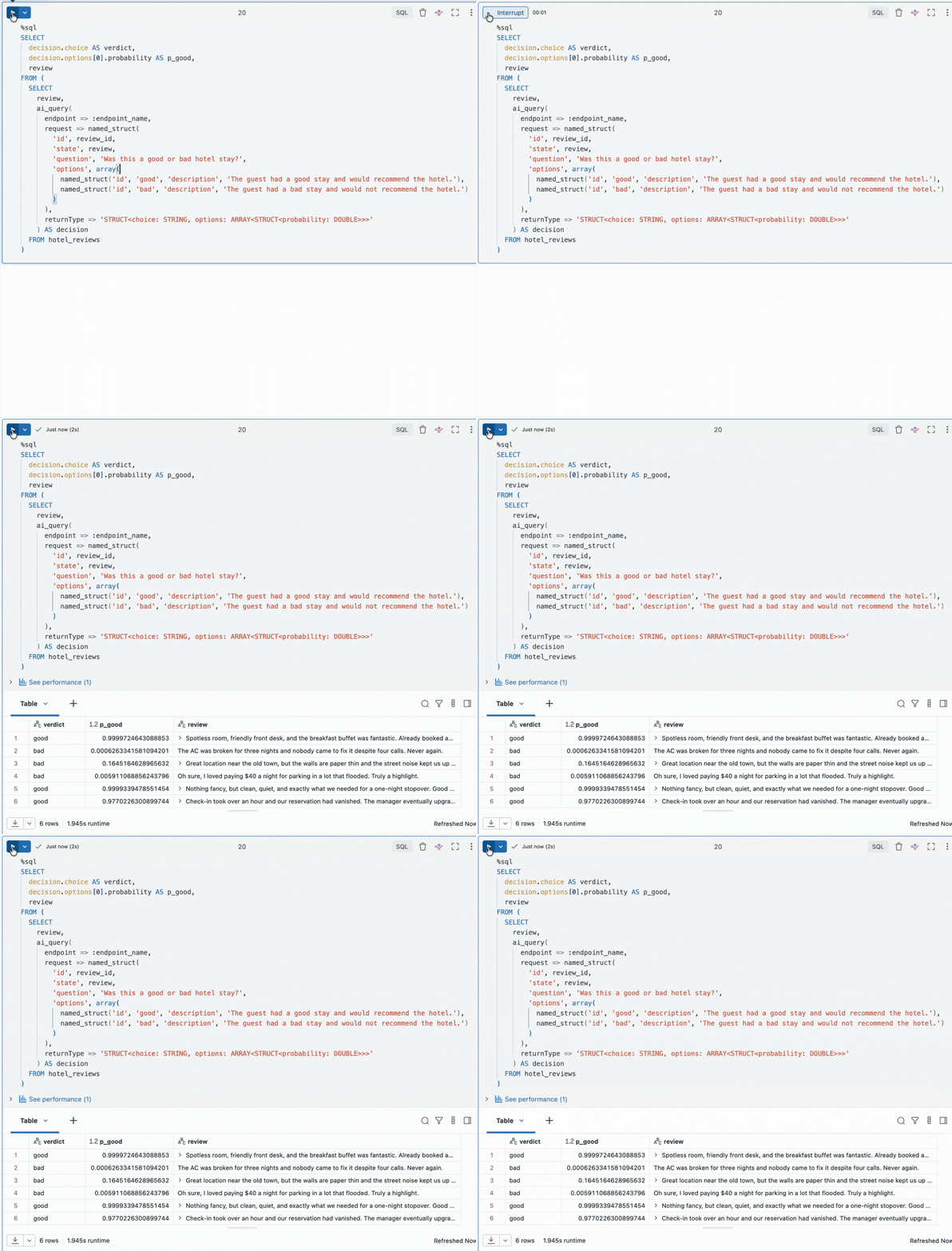
Introduction The emergence of advanced decision models, particularly those classified under the “System One” category, represents a significant evolution in the capabilities of machine learning and artificial intelligence within the realm of Big Data Engineering. Models such as Jev and their open-weight counterparts, including SemIf-OpenJev, Laya, and Kev, are designed to generate well-calibrated decisions from discrete data options. Their swift processing capabilities and cost-effectiveness allow for diverse applications ranging from customer support analysis to large-scale decision-making across extensive datasets. The integration of these models within platforms like Databricks facilitates the unlocking of their full potential by enabling direct interaction with governed data. Main Goal and Achievement The primary objective of utilizing open-weight decision models in Databricks is to enhance data-driven decision-making processes through efficient model deployment and execution. By leveraging the capabilities inherent in Databricks, users can seamlessly deploy models such as SemIf-OpenJev to classify data—specifically, hotel reviews—into predefined categories with high accuracy. This is accomplished through a straightforward workflow that allows users to import a Databricks Notebook, select the appropriate model, and execute it using serverless GPU resources, thereby minimizing infrastructure management burdens. Advantages of Using Open-Weight Decision Models Cost-Effectiveness: The use of open-weight models eliminates the need for expensive proprietary solutions, thereby reducing overall costs associated with data processing. Speed: These models are designed for rapid decision-making, which is crucial for applications needing timely insights, such as customer support transcript analysis. Accessibility: Users can access these models directly from SQL consoles or production jobs, promoting ease of use and integration into existing workflows. Customization: With tools like Databricks AI Runtime, users can customize and post-train models to fit specific enterprise contexts, enhancing their relevance and effectiveness. Scalability: The ability to handle large datasets allows organizations to scale their analysis and decision-making processes without compromising performance. However, it is important to consider the limitations of these models. Their effectiveness is contingent on the quality and quantity of the data they are trained on. Furthermore, while they offer customization options, the complexity of this process may pose challenges for users without a strong technical background. Future Implications of AI Developments The rapid advancement of AI technologies promises to further revolutionize the landscape of Big Data Engineering. Future iterations of decision models will likely incorporate more sophisticated algorithms, enabling even greater accuracy and efficiency in data analysis. As organizations increasingly adopt AI-driven solutions, the demand for skilled professionals who can implement and manage these technologies will grow. Moreover, as models become more accessible through platforms such as Databricks, non-technical users may find it easier to leverage AI tools, democratizing data science and analytics across various business functions. Disclaimer The content on this site is generated using AI technology that analyzes publicly available blog posts to extract and present key takeaways. We do not own, endorse, or claim intellectual property rights to the original blog content. Full credit is given to original authors and sources where applicable. Our summaries are intended solely for informational and educational purposes, offering AI-generated insights in a condensed format. They are not meant to substitute or replicate the full context of the original material. If you are a content owner and wish to request changes or removal, please contact us directly. Source link : Click Here
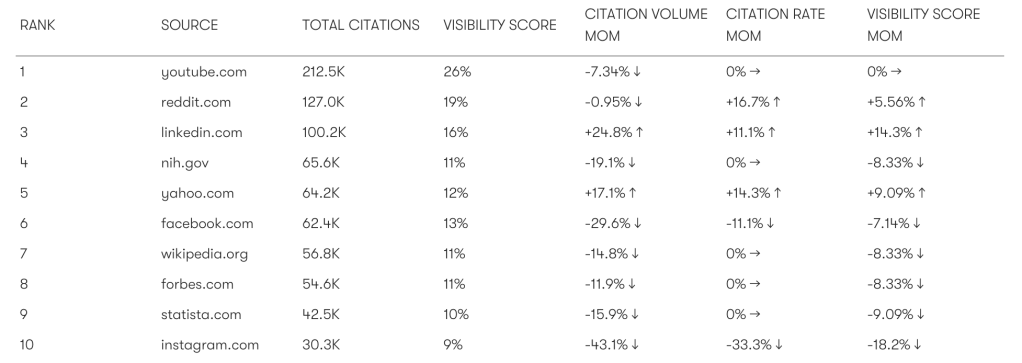
Context YouTube has established itself as the go-to platform for individuals seeking instructional content, a trend that is increasingly reflected in the behavior of artificial intelligence (AI) systems. As large language models (LLMs) and AI-driven search engines evolve, YouTube is emerging as a significant repository for citations. This shift underscores the platform’s role not only as a video-sharing site but also as an integral component of the information ecosystem utilized by AI technologies. Recent analyses indicate that YouTube has surpassed other platforms, such as Reddit, in citation frequency across multiple AI applications, suggesting a transformative phase in how users access and interact with information. YouTube’s Preeminence in AI Citations The ascendancy of YouTube as a prime source of citations is not attributable to a singular AI model; rather, it reflects a collective trend observed across several prominent AI platforms, including Claude, ChatGPT, and Google’s Gemini. According to data from Meltwater, YouTube was the most-cited platform by eight different AI systems as of August 2026. This trend indicates a broader acceptance of YouTube content as a reliable source of information, facilitating users’ navigation through the increasingly complex landscape of AI-generated responses. Industry experts, such as Lauren Lyster from Go Fish Digital, assert that the platform’s advantage lies in the accessibility and processability of its content by AI systems. The collaborative nature of YouTube, which allows for creator input, enhances the likelihood that content will be transcribed and ranked, thus increasing its visibility in AI outputs. YouTube’s Dominance in Google AI Products YouTube’s integration into Google’s AI initiatives, including AI Mode and Gemini, reinforces its standing as a critical information source. A report by Tinuiti revealed that YouTube’s share of citations in Google’s AI Mode expanded significantly, more than quadrupling between January and April 2026. This trend illustrates how seamlessly YouTube content is being incorporated into Google’s AI-driven search experiences, although it is essential to note that a citation does not always indicate that YouTube content was directly utilized to form the AI’s response. As noted by Crystal Duncan, EVP of brand engagement at Tinuiti, the comprehensive nature of YouTube’s content enables AI systems to analyze not only the videos themselves but also the context surrounding them, thus enriching the overall user experience. The Role of Tutorial Content YouTube’s position as the leading platform for “how-to” content plays a significant role in its frequent citation by LLMs. Notably, AI models like Claude and Gemini often reference YouTube videos as supplementary information, even when such content is not explicitly requested. This phenomenon indicates that the mere presence of tutorial videos enhances the credibility and depth of AI-generated answers, providing users with additional avenues for exploration. Long-Form Videos Outperform Shorts Analysis of YouTube content reveals that long-form videos are more frequently cited than shorter formats, with 94% of citations attributed to videos exceeding 10 minutes in length. Such videos often contain structured elements like chapter markers and timestamps, which facilitate AI systems in identifying relevant sections of content. This structural clarity not only aids in content retrieval but also aligns with users’ expectations when seeking specific information. Industry experts suggest that as brands increasingly tailor their video content to meet the needs of AI systems—utilizing formats like natural language and FAQ styles—they are effectively enhancing their visibility within LLMs. Jenny Kelly from Deloitte Digital emphasizes that brands are strategically positioning their content to align with AI priorities, thus optimizing their chances of being cited. Limitations of YouTube Citations While YouTube’s growing influence in AI search is noteworthy, it is essential to recognize that citations can be ephemeral. Data from Scrunch indicates that YouTube citations experienced a decline of approximately 43% within a month, underscoring the dynamic nature of AI retrieval systems. This volatility suggests that achieving visibility through citations does not guarantee enduring success, as newer content can swiftly overshadow existing videos. Future Implications The evolving landscape of AI and its relationship with platforms like YouTube raises important questions about the future of digital marketing and content creation. As AI systems continue to adapt and refine their algorithms, content creators and brands must remain vigilant, optimizing their strategies to ensure sustained relevance. The integration of AI technologies into marketing practices is likely to amplify the importance of structured, high-quality content that aligns with user queries, ultimately shaping the way information is disseminated and consumed in the digital age. Disclaimer The content on this site is generated using AI technology that analyzes publicly available blog posts to extract and present key takeaways. We do not own, endorse, or claim intellectual property rights to the original blog content. Full credit is given to original authors and sources where applicable. Our summaries are intended solely for informational and educational purposes, offering AI-generated insights in a condensed format. They are not meant to substitute or replicate the full context of the original material. If you are a content owner and wish to request changes or removal, please contact us directly. Source link : Click Here
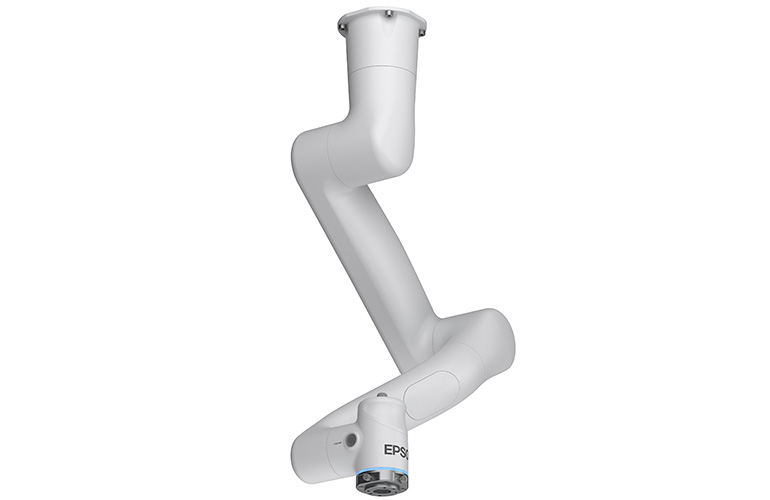
Context of the Epson AX6 Cobot in Smart Manufacturing The introduction of the Epson AX6 collaborative robot (cobot) marks a significant advancement in the field of robotics and smart manufacturing. Designed with a compact structure and features that promote ease of use, the AX6 is engineered to operate alongside human workers without the need for conventional safety barriers, provided that a thorough risk assessment is conducted. This innovation aligns with the ongoing trend of integrating robotics into environments that require close human-robot interaction, thereby enhancing productivity while ensuring safety. Rick Brookshire, the director of product and robot development at Epson, emphasizes that collaborative robots have drastically reduced entry barriers for new users by simplifying both programming and integration. This is particularly crucial for applications where space is limited and user interaction is essential. The AX6 aims to fulfill these needs while offering a comprehensive suite of robotic safety solutions, positioning Epson as a leader in the industry with over 250,000 units sold globally. Main Goal of the AX6 Cobot and Its Achievement The primary objective of the Epson AX6 cobot is to facilitate the automation of tasks requiring human collaboration in tight spaces, thereby augmenting operational efficiency. To achieve this, the AX6 incorporates innovative features, including its no-code programming capabilities and user-friendly interface, which allow operators of varying skill levels to easily integrate and operate the robot. Additionally, the AX6’s lightweight, power-limited design enables it to be deployed in diverse environments, further enhancing its versatility and applicability in various industrial sectors. Advantages of the Epson AX6 Cobot Ease of Use: The AX6 features a no-code programming interface that allows operators, regardless of their technical background, to program and control the robot effectively. Compact Design: Its lightweight design and small footprint make it suitable for space-constrained environments, facilitating deployment in various industrial applications. Compliance with Cleanroom Standards: The AX6 meets ISO Class 5 cleanroom standards, making it suitable for sensitive applications in the life sciences sector. Versatile Integration: The cobot is designed for seamless integration with autonomous mobile robots (AMRs), enhancing its utility in mobile manipulation tasks. Customizable Development Environment: The robot supports a Python development environment, enabling users to create complex robotic workcells tailored to specific applications. However, it is essential to note that while the AX6 cobot offers numerous advantages, its effectiveness is contingent upon proper integration and risk assessment to ensure safe operation in collaborative environments. Future Implications and AI Developments As the field of robotics continues to evolve, the incorporation of artificial intelligence (AI) is poised to revolutionize the capabilities of collaborative robots like the AX6. AI advancements are expected to enhance the robot’s ability to learn from its environment, adapt to new tasks without extensive reprogramming, and improve decision-making processes in real-time. This will result in even greater efficiencies in manufacturing processes, with cobots taking on more complex roles that were previously reserved for human workers. Furthermore, as AI technology matures, the potential for increased automation in traditionally labor-intensive sectors will expand, creating new opportunities for industrial technologists. The ability to harness AI-driven insights will allow for more responsive and flexible manufacturing systems, ultimately leading to improved productivity and reduced operational costs. Disclaimer The content on this site is generated using AI technology that analyzes publicly available blog posts to extract and present key takeaways. We do not own, endorse, or claim intellectual property rights to the original blog content. Full credit is given to original authors and sources where applicable. Our summaries are intended solely for informational and educational purposes, offering AI-generated insights in a condensed format. They are not meant to substitute or replicate the full context of the original material. If you are a content owner and wish to request changes or removal, please contact us directly. Source link : Click Here

Context and Background The landscape of commercial pharmaceutical data is undergoing a transformative shift, largely driven by advancements in artificial intelligence (AI) and machine learning technologies. As healthcare systems evolve, the reliance on traditional healthcare claims data, which provides insights into patient activity post-treatment, is being complemented by eligibility signals. These eligibility signals, generated during the coverage verification process before patient visits, offer crucial insights into patient behavior and emerging trends in healthcare utilization. The focus on these upstream indicators is essential for commercial teams navigating the complexities of market access, brand management, and analytics in the pharmaceutical industry. Main Goals and Achievements The primary goal articulated in the original content is to enhance the understanding of eligibility signals among healthcare professionals, specifically those engaged in brand management, market access, and commercial analytics. Achieving this understanding allows professionals to harness these signals effectively, thereby improving strategic decision-making and operational efficiencies. To accomplish this, stakeholders must focus on three key areas: 1. **Identifying the Scope of Eligibility Activity**: Distinguishing between what eligibility signals can reveal about the market and the limitations of these insights. 2. **Analyzing Patient Volume Concentrations**: Pinpointing where patient volumes are concentrated and understanding the roles played by health systems and provider organizations. 3. **Differentiating Signal Types**: Separating genuine patient engagement signals from routine administrative activities to focus on actionable insights. Advantages of Utilizing Eligibility Signals The integration of eligibility signals into commercial analytics offers several advantages, which are crucial for HealthTech professionals: 1. **Proactive Market Insights**: Eligibility signals provide real-time data that can predict patient volumes and trends before treatment occurs, allowing for proactive decision-making. 2. **Enhanced Resource Allocation**: Understanding where patient activity is forming enables better allocation of resources and targeted marketing strategies, optimizing the effectiveness of interventions. 3. **Improved Patient Engagement Strategies**: By identifying genuine patient interest and service utilization patterns, organizations can tailor their patient engagement strategies more effectively. 4. **Streamlined Operations**: Differentiating between administrative traffic and actual patient signals can lead to more streamlined operations and reduced inefficiencies in service delivery. Despite these advantages, it is important to acknowledge potential limitations, such as the variability in data quality across different healthcare systems and the potential for misinterpretation of signals if not contextualized properly. Future Implications of AI in Commercial Pharma Data As AI technologies continue to evolve, their impact on commercial pharmaceutical data will likely expand significantly. The ability to analyze vast datasets in real-time will enable more precise predictions regarding patient behavior and healthcare trends. Future developments may include: – **Integration of Advanced Algorithms**: Machine learning algorithms could enhance the accuracy of eligibility signal interpretation, providing deeper insights into patient pathways and outcomes. – **Real-time Analytics Platforms**: The emergence of sophisticated analytics platforms that can process eligibility signals instantaneously will facilitate immediate feedback loops for healthcare professionals. – **Personalized Healthcare Solutions**: AI-driven insights could pave the way for more personalized healthcare offerings, improving patient experiences and outcomes. In conclusion, the shift towards utilizing eligibility signals in commercial pharmaceutical data represents a significant opportunity for HealthTech professionals. By embracing these advancements, stakeholders can position themselves at the forefront of healthcare innovation, ensuring they remain responsive to the evolving dynamics of patient care and market demands. Disclaimer The content on this site is generated using AI technology that analyzes publicly available blog posts to extract and present key takeaways. We do not own, endorse, or claim intellectual property rights to the original blog content. Full credit is given to original authors and sources where applicable. Our summaries are intended solely for informational and educational purposes, offering AI-generated insights in a condensed format. They are not meant to substitute or replicate the full context of the original material. If you are a content owner and wish to request changes or removal, please contact us directly. Source link : Click Here


