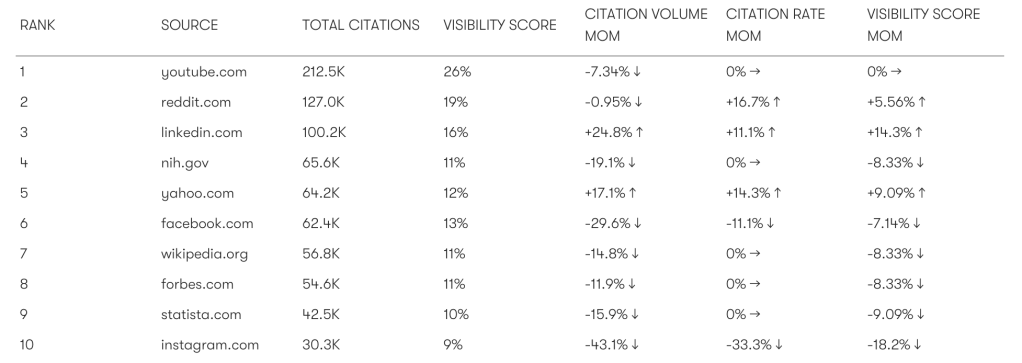
YouTube has established itself as the go-to platform for individuals seeking instructional content, a trend that is increasingly reflected in the behavior of artificial intelligence (AI) systems. As large language models (LLMs) and AI-driven search engines evolve, YouTube is emerging as a significant repository for citations. This shift underscores the platform’s role not only as a video-sharing site but also as an integral component of the information ecosystem utilized by AI technologies. Recent analyses indicate that YouTube has surpassed other platforms, such as Reddit, in citation frequency across multiple AI applications, suggesting a transformative phase in how users access and interact with information.
The ascendancy of YouTube as a prime source of citations is not attributable to a singular AI model; rather, it reflects a collective trend observed across several prominent AI platforms, including Claude, ChatGPT, and Google’s Gemini. According to data from Meltwater, YouTube was the most-cited platform by eight different AI systems as of August 2026. This trend indicates a broader acceptance of YouTube content as a reliable source of information, facilitating users’ navigation through the increasingly complex landscape of AI-generated responses.
Industry experts, such as Lauren Lyster from Go Fish Digital, assert that the platform’s advantage lies in the accessibility and processability of its content by AI systems. The collaborative nature of YouTube, which allows for creator input, enhances the likelihood that content will be transcribed and ranked, thus increasing its visibility in AI outputs.
YouTube’s integration into Google’s AI initiatives, including AI Mode and Gemini, reinforces its standing as a critical information source. A report by Tinuiti revealed that YouTube’s share of citations in Google’s AI Mode expanded significantly, more than quadrupling between January and April 2026. This trend illustrates how seamlessly YouTube content is being incorporated into Google’s AI-driven search experiences, although it is essential to note that a citation does not always indicate that YouTube content was directly utilized to form the AI’s response.
As noted by Crystal Duncan, EVP of brand engagement at Tinuiti, the comprehensive nature of YouTube’s content enables AI systems to analyze not only the videos themselves but also the context surrounding them, thus enriching the overall user experience.
YouTube’s position as the leading platform for “how-to” content plays a significant role in its frequent citation by LLMs. Notably, AI models like Claude and Gemini often reference YouTube videos as supplementary information, even when such content is not explicitly requested. This phenomenon indicates that the mere presence of tutorial videos enhances the credibility and depth of AI-generated answers, providing users with additional avenues for exploration.
Analysis of YouTube content reveals that long-form videos are more frequently cited than shorter formats, with 94% of citations attributed to videos exceeding 10 minutes in length. Such videos often contain structured elements like chapter markers and timestamps, which facilitate AI systems in identifying relevant sections of content. This structural clarity not only aids in content retrieval but also aligns with users’ expectations when seeking specific information.
Industry experts suggest that as brands increasingly tailor their video content to meet the needs of AI systems—utilizing formats like natural language and FAQ styles—they are effectively enhancing their visibility within LLMs. Jenny Kelly from Deloitte Digital emphasizes that brands are strategically positioning their content to align with AI priorities, thus optimizing their chances of being cited.
While YouTube’s growing influence in AI search is noteworthy, it is essential to recognize that citations can be ephemeral. Data from Scrunch indicates that YouTube citations experienced a decline of approximately 43% within a month, underscoring the dynamic nature of AI retrieval systems. This volatility suggests that achieving visibility through citations does not guarantee enduring success, as newer content can swiftly overshadow existing videos.
The evolving landscape of AI and its relationship with platforms like YouTube raises important questions about the future of digital marketing and content creation. As AI systems continue to adapt and refine their algorithms, content creators and brands must remain vigilant, optimizing their strategies to ensure sustained relevance. The integration of AI technologies into marketing practices is likely to amplify the importance of structured, high-quality content that aligns with user queries, ultimately shaping the way information is disseminated and consumed in the digital age.
Disclaimer
The content on this site is generated using AI technology that analyzes publicly available blog posts to extract and present key takeaways. We do not own, endorse, or claim intellectual property rights to the original blog content. Full credit is given to original authors and sources where applicable. Our summaries are intended solely for informational and educational purposes, offering AI-generated insights in a condensed format. They are not meant to substitute or replicate the full context of the original material. If you are a content owner and wish to request changes or removal, please contact us directly.
Source link :