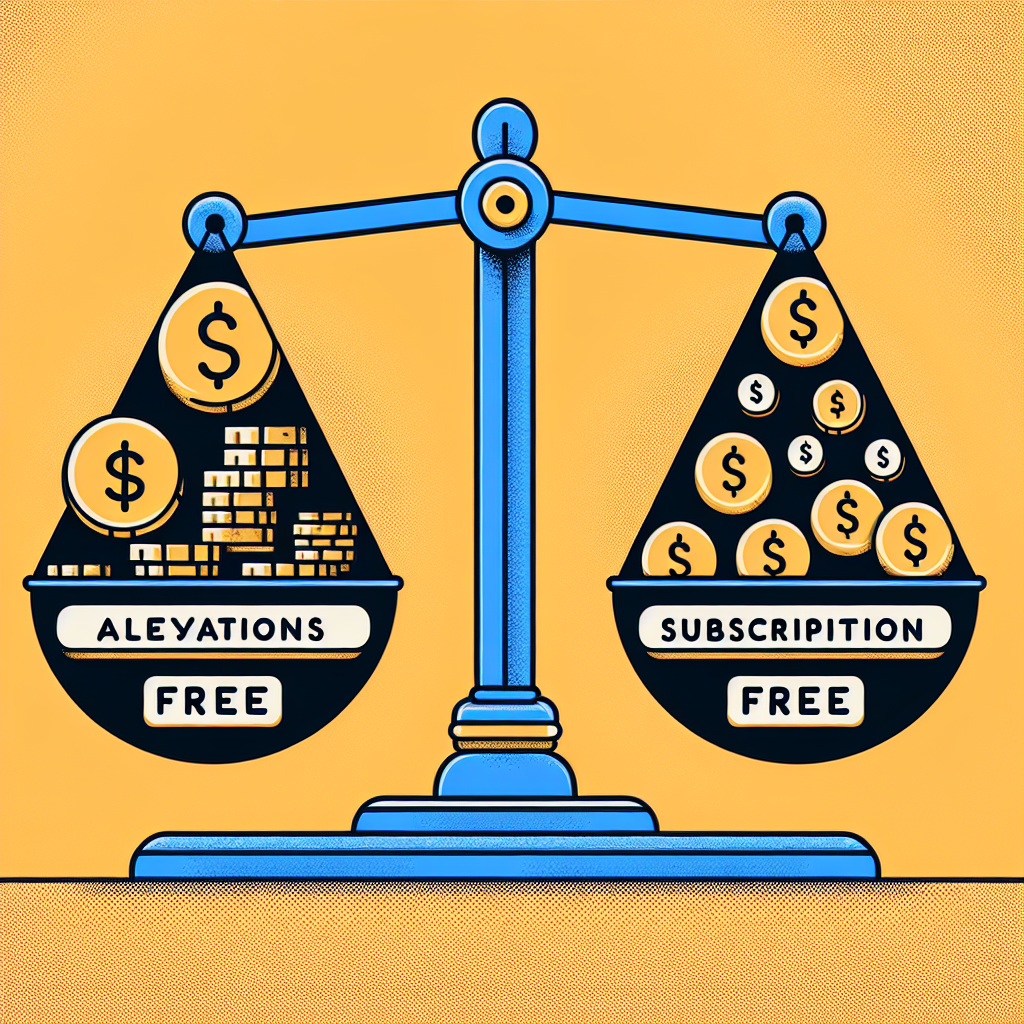
The landscape of artificial intelligence (AI) coding tools is currently undergoing significant transformation, characterized by a marked shift towards open-source solutions that democratize access to advanced coding capabilities. A prominent example of this trend is Goose, an open-source AI agent developed by Block, which offers comparable functionalities to Claude Code, a paid service by Anthropic, but at no cost. This shift is particularly relevant for software engineers and developers, as they navigate the complexities of AI tools that can enhance their productivity while managing costs.
The primary objective of the original post was to highlight the emergence of Goose as a viable, cost-effective alternative to Claude Code, which has faced criticism for its subscription-based pricing model. By providing a no-cost solution that operates on local machines, Goose empowers developers to maintain control over their coding workflows and data privacy. This goal can be achieved through the promotion of open-source technologies, fostering a community-driven approach to software development that prioritizes accessibility and user autonomy.
The evolution of AI coding tools like Goose suggests a future where open-source solutions may increasingly challenge traditional commercial offerings. As the performance of open-source models continues to improve, the reliance on costly proprietary software could diminish. This shift may lead to more equitable access to powerful coding tools, fostering innovation and creativity within the developer community. Furthermore, the focus on privacy and data sovereignty will likely resonate with a growing number of developers, influencing their choices in the tools they employ.
The emergence of Goose as a free alternative to Claude Code exemplifies a broader trend toward open-source solutions in the AI coding space. By prioritizing user autonomy, privacy, and cost-effectiveness, Goose not only addresses existing frustrations within the developer community but also sets a precedent for the future of AI tools in software engineering. The implications of this shift are profound, as they signal a potential reconfiguration of the landscape where cost and access are no longer barriers to entry for developers seeking to leverage AI in their work.
Disclaimer
The content on this site is generated using AI technology that analyzes publicly available blog posts to extract and present key takeaways. We do not own, endorse, or claim intellectual property rights to the original blog content. Full credit is given to original authors and sources where applicable. Our summaries are intended solely for informational and educational purposes, offering AI-generated insights in a condensed format. They are not meant to substitute or replicate the full context of the original material. If you are a content owner and wish to request changes or removal, please contact us directly.
Source link :