
Introduction The landscape of artificial intelligence (AI) coding tools is currently undergoing significant transformation, characterized by a marked shift towards open-source solutions that democratize access to advanced coding capabilities. A prominent example of this trend is Goose, an open-source AI agent developed by Block, which offers comparable functionalities to Claude Code, a paid service by Anthropic, but at no cost. This shift is particularly relevant for software engineers and developers, as they navigate the complexities of AI tools that can enhance their productivity while managing costs. Main Goal and Achievements The primary objective of the original post was to highlight the emergence of Goose as a viable, cost-effective alternative to Claude Code, which has faced criticism for its subscription-based pricing model. By providing a no-cost solution that operates on local machines, Goose empowers developers to maintain control over their coding workflows and data privacy. This goal can be achieved through the promotion of open-source technologies, fostering a community-driven approach to software development that prioritizes accessibility and user autonomy. Advantages of Goose No Subscription Fees: Goose operates entirely without the financial burden of a subscription model, allowing developers to utilize its capabilities without ongoing costs. This is significant when compared to Claude Code’s pricing, which ranges from $20 to $200 per month. Local Operation: Unlike Claude Code, which relies on cloud processing, Goose runs on local machines, ensuring that users’ data remains private and secure. This feature is particularly appealing for developers who work with sensitive codebases. Offline Accessibility: Goose allows for coding tasks to be executed offline, which is advantageous for developers who may not always have reliable internet access. This capability enhances productivity in various environments, including travel. Model Agnosticism: The design of Goose permits compatibility with multiple language models, enabling users to choose the most suitable one for their specific needs. This flexibility can optimize performance based on the task at hand. Community Driven Development: The rapid growth of Goose, evidenced by over 26,100 stars on GitHub, showcases a robust community of contributors, leading to frequent updates and enhancements that rival commercial products. Caveats and Limitations Technical Setup: Setting up Goose requires a certain level of technical proficiency, which may deter less experienced developers from utilizing the tool effectively. Hardware Requirements: Running Goose with local language models necessitates substantial computational resources, including sufficient RAM and processing power, which may be a limitation for some users. Model Quality: While Goose is commendable in its offerings, it may not consistently match the performance of proprietary models like Anthropic’s Claude 4.5 Opus, particularly for complex tasks. Future Implications The evolution of AI coding tools like Goose suggests a future where open-source solutions may increasingly challenge traditional commercial offerings. As the performance of open-source models continues to improve, the reliance on costly proprietary software could diminish. This shift may lead to more equitable access to powerful coding tools, fostering innovation and creativity within the developer community. Furthermore, the focus on privacy and data sovereignty will likely resonate with a growing number of developers, influencing their choices in the tools they employ. Conclusion The emergence of Goose as a free alternative to Claude Code exemplifies a broader trend toward open-source solutions in the AI coding space. By prioritizing user autonomy, privacy, and cost-effectiveness, Goose not only addresses existing frustrations within the developer community but also sets a precedent for the future of AI tools in software engineering. The implications of this shift are profound, as they signal a potential reconfiguration of the landscape where cost and access are no longer barriers to entry for developers seeking to leverage AI in their work. Disclaimer The content on this site is generated using AI technology that analyzes publicly available blog posts to extract and present key takeaways. We do not own, endorse, or claim intellectual property rights to the original blog content. Full credit is given to original authors and sources where applicable. Our summaries are intended solely for informational and educational purposes, offering AI-generated insights in a condensed format. They are not meant to substitute or replicate the full context of the original material. If you are a content owner and wish to request changes or removal, please contact us directly. Source link : Click Here

Contextualizing Greenhouse Utilization in February In February, agricultural activities in many regions are significantly subdued due to winter’s harsh conditions, with snow blanketing the ground and temperatures often dipping below freezing. During this dormant phase, agricultural producers face challenges in maintaining productivity, as most outdoor crops are inactive. However, the greenhouse environment presents an opportunity for continued agricultural activity, allowing for the cultivation of late spring transplants and fast-maturing crops that cater to early market demands. The effectiveness of greenhouse production is contingent upon the specific climatic conditions of the region and the type of greenhouse infrastructure employed. Farmers can optimize their operations by utilizing various greenhouse types, irrespective of their technological sophistication. Main Goal and Its Achievement The primary objective presented in the original post is to maximize agricultural productivity in February by leveraging greenhouse technology. This can be achieved by initiating the growth of crops that benefit from a controlled environment, such as tomatoes and peppers, which require consistent warmth and moisture. To facilitate this, farmers must ensure that their greenhouses are adequately equipped to maintain optimal temperature and humidity levels, enhancing germination and growth rates. The strategic planning of crop selection, coupled with timely execution, can significantly boost yield potential during the otherwise dormant winter months. Advantages and Evidence-Based Assertions Extended Growing Season: Greenhouses allow for the cultivation of crops outside of their natural growing seasons, effectively extending the agricultural calendar. This is particularly advantageous in regions with harsh winters. Controlled Environment: The enclosure of a greenhouse provides a stable climate, reducing exposure to extreme weather conditions. This control aids in minimizing plant stress, which can lead to higher yields. Pest and Disease Management: A greenhouse setting can mitigate pest intrusion and disease spread, particularly during the winter months, offering a protective barrier against common agricultural threats. Resource Efficiency: Greenhouses can optimize resource usage, including water and nutrients, through advanced irrigation and climate control systems that minimize waste. It is crucial to note, however, that not all greenhouse types offer the same benefits. For instance, simpler structures may lack the necessary ventilation and climate control features that more sophisticated greenhouses possess, which can limit their effectiveness in maintaining optimal growing conditions. Future Implications of AI in Greenhouse Management Looking ahead, advancements in artificial intelligence (AI) are poised to revolutionize greenhouse management practices. AI technologies can enhance data collection and analysis, allowing for more precise monitoring of environmental conditions such as temperature, humidity, and soil moisture. Smart sensors and IoT devices can facilitate real-time adjustments to greenhouse conditions, optimizing plant growth and resource utilization. Furthermore, predictive analytics can assist farmers in making informed decisions regarding crop selection and management strategies, ultimately improving productivity and sustainability in the agricultural sector. Disclaimer The content on this site is generated using AI technology that analyzes publicly available blog posts to extract and present key takeaways. We do not own, endorse, or claim intellectual property rights to the original blog content. Full credit is given to original authors and sources where applicable. Our summaries are intended solely for informational and educational purposes, offering AI-generated insights in a condensed format. They are not meant to substitute or replicate the full context of the original material. If you are a content owner and wish to request changes or removal, please contact us directly. Source link : Click Here
Contextualizing Scarcity and Intelligence in AI The current landscape of artificial intelligence (AI) encapsulates a paradox where computational power and model size are often mistaken as direct indicators of intelligence. In a world where colossal models are lauded for their billions of parameters, the fundamental principle of efficiency risks being overlooked. Historical examples, such as interstellar spacecraft and the human brain, illustrate that effective intelligence does not stem from sheer size but rather from optimizing limited resources. This notion posits that scarcity should not be perceived merely as a limitation, but as a catalyst for innovation and advancement in AI. The Main Goal: Efficiency Over Size The crux of the original discussion advocates for a paradigm shift in AI development, emphasizing that true intelligence manifests through efficiency rather than scale. This goal can be realized by prioritizing the design of compact, effective models that maximize performance while minimizing resource consumption. As we navigate through the complexities of AI, the emphasis should be placed on how to derive greater value from limited inputs, thereby fostering a culture of innovation that thrives within constraints. Structured Advantages of Efficiency in AI Cost-Effectiveness: Smaller, specialized models can achieve substantial functional value at a reduced cost compared to their larger counterparts. For instance, deploying a model with a trillion parameters for a specific task can be likened to using a supercomputer for basic calculations, illustrating the inefficiency of overkill. Reduced Latency: Models designed for edge inference can process data locally, diminishing the delays associated with remote data access. This characteristic is particularly beneficial in applications requiring real-time responses. Enhanced Privacy: By conducting inference on-device, sensitive information remains local, mitigating the risks associated with data transmission to cloud servers. Lower Environmental Impact: As AI systems increasingly require extensive energy resources, efficient models can significantly reduce the carbon footprint associated with large-scale data centers. Resilience and Adaptability: Systems that thrive within resource constraints demonstrate greater resilience, enabling them to adapt to varying environmental conditions and operational demands. However, it is important to note that while transitioning to smaller models offers clear advantages, potential limitations exist. For example, certain complex tasks may still require more extensive models to achieve desired accuracy levels, leading to a careful balance that must be maintained between size and performance. Future Implications for AI Development As the field of AI continues to evolve, the focus on efficiency over size is expected to gain momentum. The rise of technologies such as TinyML and edge AI signifies a shift towards localized solutions that can operate independently of expansive infrastructure. This trend not only democratizes access to AI capabilities in resource-limited environments but also aligns with the global push for sustainable and energy-efficient practices. Future developments in AI are likely to emphasize architectures that prioritize efficiency, ultimately reshaping the landscape of machine learning and its applications across various sectors. Conclusion The evolution of artificial intelligence is increasingly characterized by a commitment to efficiency as a measure of intelligence. By embracing the constraints of scarcity, practitioners can innovate and refine their approaches to machine learning, leading to sustainable and effective AI solutions. The future of AI will not be dictated by the magnitude of data or models but by the ingenuity to extract more from less, ensuring that intelligence is defined by its capacity for effective problem-solving in a resource-conscious manner. Disclaimer The content on this site is generated using AI technology that analyzes publicly available blog posts to extract and present key takeaways. We do not own, endorse, or claim intellectual property rights to the original blog content. Full credit is given to original authors and sources where applicable. Our summaries are intended solely for informational and educational purposes, offering AI-generated insights in a condensed format. They are not meant to substitute or replicate the full context of the original material. If you are a content owner and wish to request changes or removal, please contact us directly. Source link : Click Here
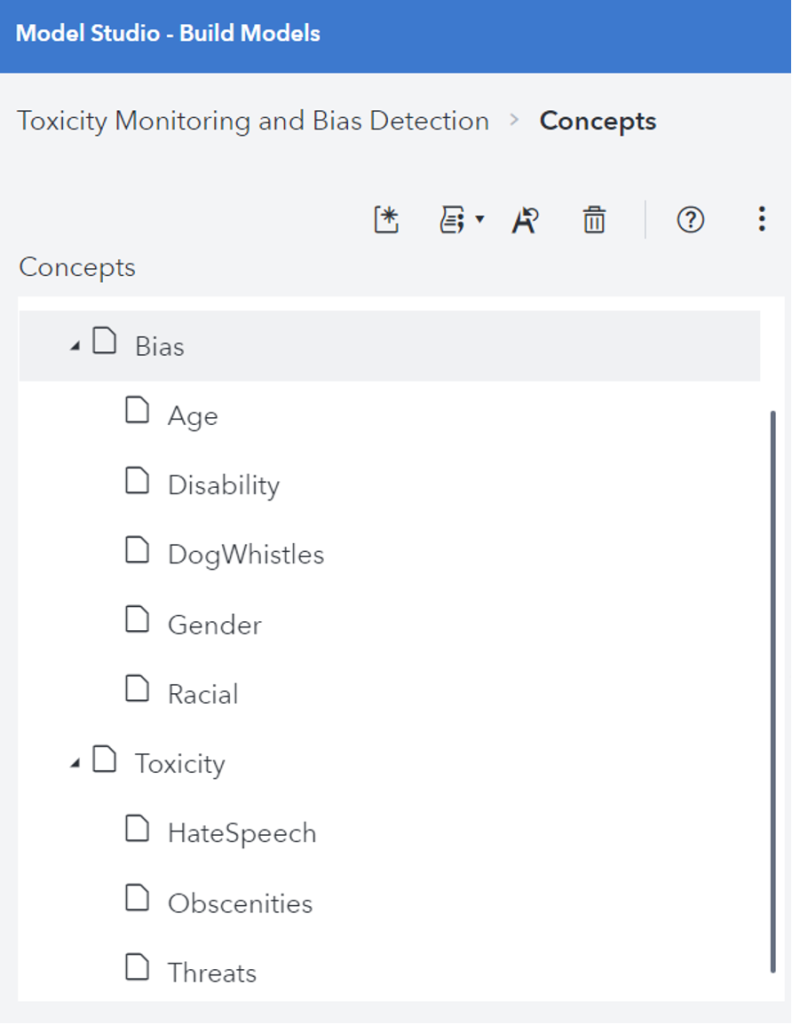
Introduction In recent years, Large Language Models (LLMs) have significantly advanced the field of artificial intelligence, particularly in Natural Language Processing (NLP) and understanding. These models, trained on vast datasets, enable machines to produce human-like text responses. However, their deployment raises critical concerns regarding toxicity, bias, and exploitation by malicious entities. It is imperative for organizations utilizing LLMs to navigate these challenges to ensure ethical and effective AI solutions. Understanding Toxicity and Bias in LLMs The capabilities of LLMs are accompanied by inherent risks, notably the inadvertent perpetuation of toxic and biased content. Toxicity encompasses the generation of harmful or abusive language, while bias refers to the reinforcement of stereotypes and prejudices. Such issues can result in discriminatory outputs that adversely affect individuals and communities. Addressing these challenges is essential for fostering trust and reliability in AI-driven applications. Main Goal and Achievement Strategies The primary goal outlined in the original post is to manage toxicity and bias within LLM outputs to ensure trustworthy and equitable interactions. Achieving this involves a multifaceted approach that includes: Data Transparency: Organizations must prioritize transparency regarding the datasets used for training LLMs. Understanding the training data’s composition aids in identifying potential biases and toxic language. Content Moderation Tools: Employing advanced content moderation APIs and tools can help mitigate the effects of toxicity and bias. For instance, utilizing technologies like SAS’s LITI can enhance the identification and prefiltering of problematic content. Human Oversight: Continuous human involvement is crucial to monitor and review outputs, ensuring that new types of harmful content are recognized and addressed promptly. Advantages of Addressing Toxicity and Bias Addressing toxicity and bias in LLMs presents several advantages: Enhanced User Trust: By reducing instances of harmful language, organizations can foster a more trusted relationship with users, ultimately leading to greater user adoption and satisfaction. Improved Data Quality: Implementing robust monitoring and prefiltering systems enhances the overall quality of data fed into LLMs, resulting in more accurate and relevant outputs. Adaptability to Unique Concerns: Organizations can tailor content moderation strategies to address specific issues pertinent to their operations, allowing for nuanced handling of language-related challenges. Despite these advantages, challenges persist, particularly regarding the dynamic nature of language and the emergence of new harmful trends over time. Continuous adaptation and enhancement of moderation systems are crucial to overcoming these obstacles. Future Implications of AI Developments As AI technology continues to evolve, the implications for managing toxicity and bias in LLMs are profound. Future developments may include: Refined Algorithms: Advances in machine learning may lead to more sophisticated algorithms capable of detecting subtle biases and toxic language, enhancing the efficacy of content moderation. Greater Emphasis on Ethical AI: There will likely be an increasing focus on ethical AI practices, driving organizations to adopt more responsible approaches to AI deployment, particularly in sensitive applications. Legislative and Regulatory Frameworks: Governments may introduce stricter regulations governing the use of AI technologies, necessitating that organizations comply with enhanced standards for managing bias and toxicity. Ultimately, the future of LLMs hinges on the commitment of organizations to develop and implement responsible AI practices that prioritize ethical considerations while leveraging the transformative capabilities of these models. Conclusion In summary, the integration of LLMs into various applications necessitates a vigilant approach to managing toxicity, bias, and the potential for manipulation by bad actors. By prioritizing data transparency, employing effective content moderation tools, and ensuring continuous human oversight, organizations can cultivate a safer and more equitable AI landscape. The ongoing evolution of AI technologies underscores the need for responsible practices that benefit society while minimizing harm. Disclaimer The content on this site is generated using AI technology that analyzes publicly available blog posts to extract and present key takeaways. We do not own, endorse, or claim intellectual property rights to the original blog content. Full credit is given to original authors and sources where applicable. Our summaries are intended solely for informational and educational purposes, offering AI-generated insights in a condensed format. They are not meant to substitute or replicate the full context of the original material. If you are a content owner and wish to request changes or removal, please contact us directly. Source link : Click Here

Context and Importance of Prompt Injection in Large Language Models Large Language Models (LLMs) such as ChatGPT and Claude are designed to interpret and execute user instructions. However, this functionality presents a significant vulnerability: the phenomenon of prompt injection. This technique allows malicious actors to embed covert commands within standard user input, effectively manipulating the model’s behavior. This manipulation poses risks analogous to SQL injection attacks in database systems, leading to potentially harmful or misleading outputs. Understanding prompt injection and its implications is crucial for ensuring the security and reliability of AI systems, particularly in the data analytics sector. Defining Prompt Injection Prompt injection refers to the manipulation of AI systems by embedding misleading commands within user inputs. Attackers can disguise harmful instructions as innocuous text, leading the AI to execute unintended actions. This vulnerability arises from the LLMs’ inherent inability to differentiate between trusted system commands and untrusted user inputs, making them susceptible to exploitation. Main Goal of Addressing Prompt Injection Risks The primary objective of addressing prompt injection is to safeguard AI models from unauthorized manipulation, which can lead to data breaches, safety violations, and the dissemination of misleading information. By implementing robust measures to detect and mitigate prompt injections, organizations can enhance the integrity and reliability of their AI systems. This involves a comprehensive approach that includes input validation, structured prompt design, and output monitoring. Advantages of Mitigating Prompt Injection Risks Enhanced Data Security: Effective input sanitization can prevent unauthorized access to sensitive information, thereby protecting user data and organizational integrity. Improved Model Behavior: By controlling the prompts that the model executes, organizations can maintain alignment with intended use cases, minimizing the risk of harmful outputs. Compliance with Regulatory Standards: Proactively addressing prompt injection can help organizations adhere to privacy laws and regulations, reducing the risk of legal repercussions. Increased User Trust: When users are assured that AI systems are secure and reliable, their confidence in utilizing these technologies grows, fostering wider adoption. Adaptive Learning Opportunities: Continuous monitoring and testing can provide insights into model vulnerabilities, enabling iterative improvements in system design. Despite these advantages, it is essential to note that complete eradication of prompt injection risks is unattainable. Organizations must remain vigilant, as attackers continually evolve their tactics. Future Implications of AI Developments in Prompt Injection The future of AI development emphasizes the need for increasingly robust defenses against prompt injection as LLMs become more prevalent across various industries. The integration of advanced monitoring systems and machine learning algorithms for anomaly detection could provide enhanced resilience against these threats. Moreover, as AI applications expand into critical sectors, including healthcare and finance, ensuring the integrity of these systems will become paramount. Continuous investment in research and development, as well as collaboration across the tech industry, will be necessary to address the evolving landscape of prompt injection attacks effectively. Conclusion Prompt injection represents a significant challenge in the deployment of large language models, threatening the security and functionality of AI systems. While it is impossible to eliminate all risks associated with prompt injection, organizations can substantially mitigate these threats through a combination of proactive measures, ongoing vigilance, and adaptive strategies. As AI technologies continue to advance, prioritizing the security of these systems will be essential for fostering trust and ensuring their safe application in diverse fields. Disclaimer The content on this site is generated using AI technology that analyzes publicly available blog posts to extract and present key takeaways. We do not own, endorse, or claim intellectual property rights to the original blog content. Full credit is given to original authors and sources where applicable. Our summaries are intended solely for informational and educational purposes, offering AI-generated insights in a condensed format. They are not meant to substitute or replicate the full context of the original material. If you are a content owner and wish to request changes or removal, please contact us directly. Source link : Click Here


