Blockchain technology has emerged as a transformative force across various industries, notably influencing the realm of Applied Machine Learning (ML). As organizations increasingly seek efficient and secure methods to manage data, understanding blockchain’s capabilities becomes essential for ML practitioners. This article aims to elucidate the core principles of blockchain technology and its implications for the ML field, providing insights that are accessible to both technical and non-technical readers.
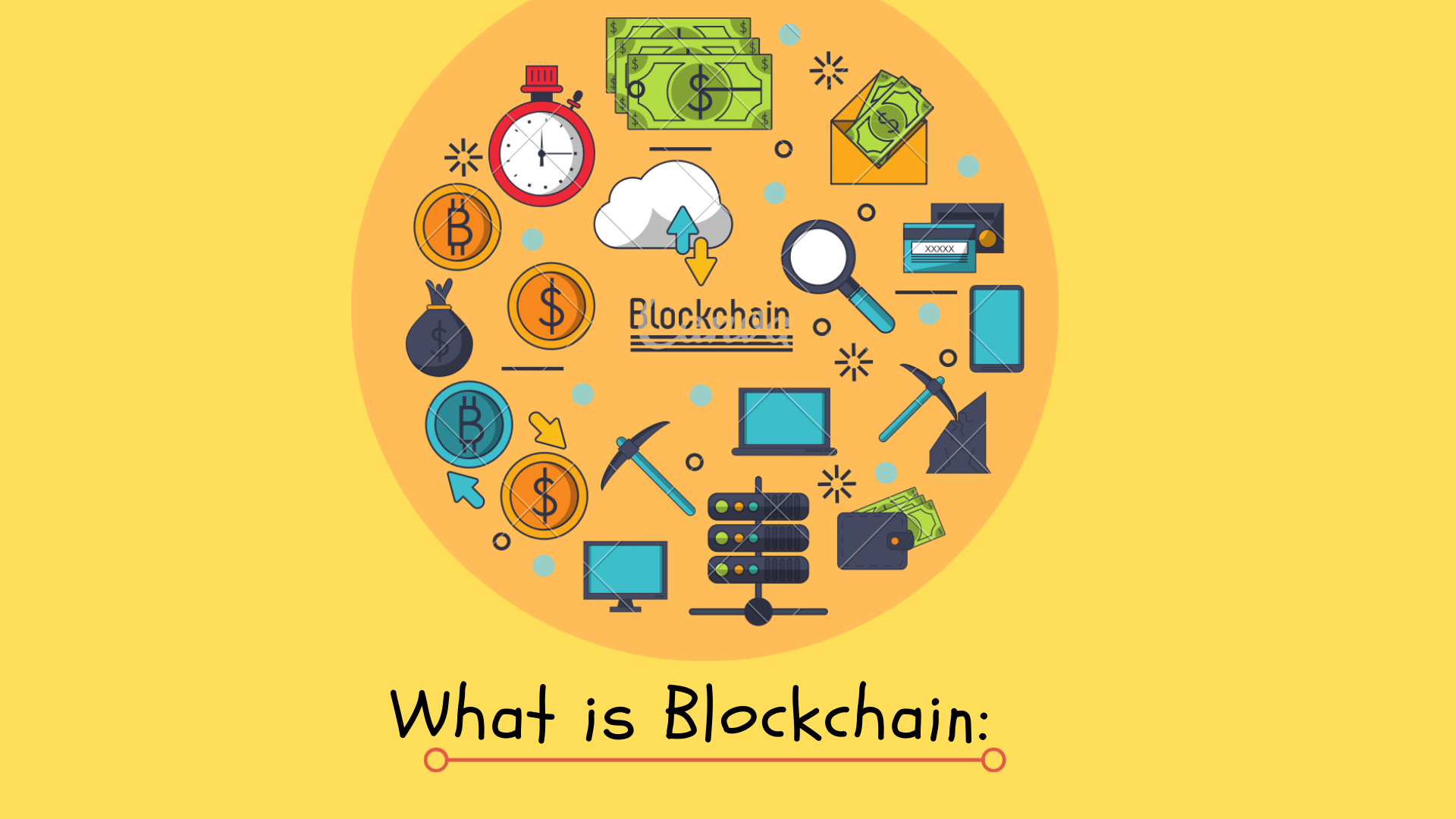
At its essence, blockchain is a distributed digital ledger that records transactions across multiple computers, ensuring that data integrity is maintained without the need for a central authority. Each transaction is grouped into a block, which is then linked to previous blocks, creating an immutable chain. This decentralization enhances security, as the network’s consensus mechanism verifies transactions, reducing the risk of fraud or data tampering. For ML practitioners, this presents an opportunity to leverage a reliable source of data for training models, as blockchain guarantees data authenticity and traceability.
The primary goal of integrating blockchain technology into the ML ecosystem is to enhance data security and integrity. By utilizing a decentralized framework, ML practitioners can ensure that the data used for model training and evaluation remains unaltered and verifiable. Achieving this goal involves several steps: implementing blockchain protocols for data storage, ensuring that transaction validation processes are robust, and fostering collaboration among stakeholders to adopt blockchain solutions effectively.
Despite its advantages, blockchain technology presents certain limitations. The scalability of blockchain solutions can be a challenge, particularly when dealing with high-volume data transactions, which are common in ML applications. Additionally, the regulatory landscape surrounding blockchain is continually evolving, posing potential compliance issues for organizations looking to integrate this technology. Finally, while blockchain enhances security, it does not eliminate the risk of illicit activities, necessitating a cautious approach to its implementation.
The intersection of blockchain technology and artificial intelligence (AI) promises to revolutionize the data management landscape further. As AI developments progress, we can anticipate enhanced capabilities in data processing and analysis, which, when combined with the robust security and integrity provided by blockchain, will yield more reliable and efficient ML systems. Additionally, innovations in federated learning, where models are trained across decentralized data sources without direct access to the data itself, could see significant advancements with the adoption of blockchain protocols.
In summary, the integration of blockchain technology within the Applied Machine Learning domain presents numerous benefits, including improved data integrity, security, and transparency. While challenges remain, the potential for future advancements and the impact of AI developments on this technology are profound. For ML practitioners, embracing blockchain could lead to more trustworthy and efficient systems, ultimately enhancing the capabilities of machine learning applications across various sectors.
Disclaimer
The content on this site is generated using AI technology that analyzes publicly available blog posts to extract and present key takeaways. We do not own, endorse, or claim intellectual property rights to the original blog content. Full credit is given to original authors and sources where applicable. Our summaries are intended solely for informational and educational purposes, offering AI-generated insights in a condensed format. They are not meant to substitute or replicate the full context of the original material. If you are a content owner and wish to request changes or removal, please contact us directly.
Source link :