
Context of Workflow Automation in Data Analytics In the realm of Data Analytics and Insights, the integration of artificial intelligence (AI) agents plays a pivotal role in enhancing operational efficiency. The scenario presented illustrates a typical workday in which an AI bot autonomously reproduces a bug report while the user is away. This practical application signifies a paradigm shift from manual oversight to autonomous execution, highlighting the capabilities of AI agents in automating workflows. By employing tools such as Grok Bot, data professionals can streamline repetitive tasks, thereby allowing them to focus on higher-order analytical functions. Main Goal and Achievement Strategies The primary objective of implementing AI agents, such as Grok Bot, is to automate workflows effectively. This can be achieved by establishing three foundational concepts: Skills, Routines, and Plugins. Skills define the specific instructions the AI needs to complete tasks, Routines determine the triggers for initiating these tasks, and Plugins facilitate connections to various applications such as GitHub and Slack. By correctly configuring these elements, users can enable the AI to operate independently, minimizing the need for constant supervision. Advantages of Implementing AI Agents Increased Efficiency: Automating routine tasks reduces the time spent on manual operations. This allows data engineers to allocate their efforts towards more strategic analysis, ultimately enhancing productivity. Consistency and Accuracy: AI agents execute tasks with high precision, reducing human error. This reliability is crucial in data-driven environments where accuracy is paramount. Scalability: As organizations grow, the volume of data and tasks typically increases. AI agents can scale operations without requiring proportional increases in human resources. Cost-Effectiveness: While there are initial costs associated with deploying AI solutions, the long-term savings generated through increased efficiency and reduced error rates can outweigh these expenses. Enhanced Collaboration: AI agents can facilitate communication between different bots or systems, allowing for coordinated efforts in tackling larger projects or issues, thereby improving overall workflow. Caveats and Limitations Despite the numerous advantages, certain limitations must be acknowledged. The complexity of setting up AI agents can lead to potential misconfigurations, which may result in suboptimal performance. Additionally, reliance on AI agents necessitates robust monitoring mechanisms to ensure they operate correctly and do not execute erroneous commands. Furthermore, AI models may be vulnerable to changes in the environment, such as website redesigns or updates in application interfaces, which can disrupt their functionality. Future Implications of AI in Data Analytics The ongoing development of AI technologies is poised to further revolutionize the data analytics landscape. As AI capabilities advance, we can anticipate more sophisticated agents that not only automate routine tasks but also engage in complex decision-making processes. The future may see AI agents capable of predictive analytics, enabling organizations to proactively address potential issues before they arise. Moreover, the integration of machine learning algorithms within AI agents could allow for continuous improvement based on past performance, further enhancing efficiency and effectiveness in data workflows. Conclusion In conclusion, the adoption of AI agents like Grok Bot signifies a transformative shift in how data engineers approach workflow automation. By leveraging the capabilities of AI to execute repetitive tasks, professionals can focus on more strategic initiatives, ultimately driving greater value in their analyses. As the technology continues to evolve, embracing AI will be crucial for organizations aiming to maintain a competitive edge in the data-driven landscape. Disclaimer The content on this site is generated using AI technology that analyzes publicly available blog posts to extract and present key takeaways. We do not own, endorse, or claim intellectual property rights to the original blog content. Full credit is given to original authors and sources where applicable. Our summaries are intended solely for informational and educational purposes, offering AI-generated insights in a condensed format. They are not meant to substitute or replicate the full context of the original material. If you are a content owner and wish to request changes or removal, please contact us directly. Source link : Click Here

Contextual Overview of AI Infrastructure Artificial Intelligence (AI) is often misconceived as a singular workload; however, it encompasses a multitude of diverse tasks, as highlighted by Jim McGregor, founder and principal analyst at Tirias Research. The evolution of AI inference necessitates a paradigm shift from focusing exclusively on computational power to a comprehensive approach that emphasizes the interplay between memory, storage, and networking. For organizations navigating this complex landscape, the imperative is to make strategic infrastructure decisions that effectively balance cost, flexibility, and readiness for future developments. The entities that succeed in this endeavor will likely be those that enhance performance efficiency, minimize their environmental impact, and proactively address potential bottlenecks in memory and storage capacity that could hinder their growth trajectory. Revolutionizing Architectural Approaches for AI The architectural frameworks supporting AI systems must undergo significant reengineering. The traditional reliance on legacy infrastructures can severely limit the transformative capabilities inherent in modern AI applications. To unlock the full potential of AI—from expediting scientific breakthroughs to developing fully autonomous digital agents—organizations must invest in purpose-built architectures tailored to the specific demands of AI workloads. These new systems must accommodate the unique challenges posed by inference and agentic AI, which introduce heightened requirements related to latency, data movement, scalability, and resource utilization. As McGregor aptly notes, contemporary data centers are tasked with delivering continuous, distributed, and real-time AI services, which are fundamentally distinct from traditional singular workloads. This necessitates a nuanced understanding of system-level requirements across an array of applications. The Crucial Role of Memory and Storage In the context of real-time AI, memory and storage must be redefined as core components of the system architecture rather than mere supplementary hardware. Organizations are required to construct robust data pipelines capable of rapidly ingesting, cleansing, transforming, storing, and disseminating data. The nature of inference workloads imposes relentless demands on infrastructure, diverging significantly from earlier training-focused deployments. Continuous data retrieval and caching become essential functions that traditional systems were not designed to handle effectively. Main Goals and Achievement Strategies The primary objective emerging from this discussion is the necessity for businesses to optimize their AI infrastructures holistically. Achieving this goal involves an intricate balance between performance, cost, efficiency, and scalability. Enterprises must critically evaluate the specific types of workloads they intend to support, as this understanding is pivotal for informed architectural decisions. The optimization process should encompass not only the computational elements but also the entire network architecture, integrating memory and storage solutions that align with workload demands. Advantages of an Optimized AI Infrastructure Enhanced Performance: Tailored architectures can significantly improve operational efficiency, enabling organizations to run complex AI tasks more effectively. Cost-Effectiveness: By strategically investing in infrastructure aligned with specific workloads, organizations can avoid unnecessary expenditures associated with over-provisioning resources. Scalability: A well-architected system can seamlessly adapt to the evolving demands of AI applications, ensuring that organizations remain agile and competitive. Reduced Environmental Impact: Optimizing performance per watt contributes to sustainability goals, aligning with increasing regulatory and societal pressures to minimize carbon footprints. However, it is essential to note that the transition to optimized architectures may involve significant upfront investments and a steep learning curve as organizations adapt to new technologies and methodologies. Future Implications for AI Infrastructure Looking ahead, ongoing advancements in AI technologies will continue to reshape the landscape of memory and storage architectures. The demand for real-time processing capabilities will likely escalate, necessitating even more sophisticated and flexible infrastructures. As AI applications become increasingly complex and varied, organizations will need to remain vigilant in adapting their approaches to infrastructure design. This dynamic evolution presents both challenges and opportunities, as entities that successfully navigate this terrain will be better positioned to leverage AI’s transformative potential across diverse sectors. Disclaimer The content on this site is generated using AI technology that analyzes publicly available blog posts to extract and present key takeaways. We do not own, endorse, or claim intellectual property rights to the original blog content. Full credit is given to original authors and sources where applicable. Our summaries are intended solely for informational and educational purposes, offering AI-generated insights in a condensed format. They are not meant to substitute or replicate the full context of the original material. If you are a content owner and wish to request changes or removal, please contact us directly. Source link : Click Here

Context and Importance of the LLMRix Model Router The transition of artificial intelligence (AI) applications from demo to production environments often reveals complexities that are not immediately apparent. Specifically, challenges arise in determining which models should handle specific requests, managing rate limits, controlling costs, and ensuring consistent health states across multiple instances. The LLMRix Model Router serves as a solution to these problems, offering an open-source, multi-model routing and orchestration framework specifically designed for Java applications. Over recent years, the integration of AI models has become more accessible. With a simplified software development kit (SDK), developers can connect to various AI model providers such as OpenAI or DeepSeek. However, once integrated into production, applications encounter a new set of challenges including rate limits, varying model capabilities, and the potential need to switch models mid-operation. The LLMRix Model Router effectively addresses these concerns, streamlining the process of selecting and managing AI models while separating the complexities from the business logic. Main Goal of the LLMRix Model Router The primary aim of the LLMRix Model Router is to offer a robust framework that abstracts the intricacies associated with model selection and orchestration in AI applications. By acting as an intermediary between AI applications and model services, the Router facilitates the decision-making process regarding which model to call, when to retry calls, and how to manage state. This separation of concerns ensures that developers can focus on building applications without being bogged down by the underlying model management complexities. Advantages of the LLMRix Model Router Seamless Model Integration: The Router allows for the integration of multiple AI model providers without requiring significant changes to the application’s code. This flexibility is essential for developers who need to adapt to the evolving landscape of AI technologies. Dynamic Decision Making: The framework incorporates advanced routing strategies, enabling real-time decision-making based on factors such as model capabilities, cost, and operational health. This results in optimized performance and resource utilization. Cost Management: By implementing cost governance mechanisms, the Router ensures that expenditures related to model calls are monitored and controlled. Developers can set maximum costs for individual requests, contributing to more predictable budgeting for AI deployments. Enhanced Observability: The Router’s integration with observability tools allows teams to gain insights into model performance, request latency, and cost metrics. This data is vital for continuous improvement and troubleshooting. Modular Architecture: The Router is designed with a modular architecture, enabling teams to utilize only the necessary components for their specific applications. This approach promotes efficiency and reduces unnecessary complexity. Caveats and Limitations While the LLMRix Model Router offers significant advantages, it is important to acknowledge certain limitations. The project is relatively new, and the community is still small, which may affect the availability of support and resources. Additionally, the Router does not include built-in capabilities for model hosting or training, requiring teams to integrate these functionalities separately. Future Implications for Computer Vision and Image Processing The advancement of AI technologies, particularly in the fields of computer vision and image processing, will likely benefit from the adoption of frameworks like the LLMRix Model Router. As the demand for sophisticated image analysis and processing increases, the ability to seamlessly switch between models and manage resources effectively will become critical. The Router’s architecture supports the integration of diverse models, which is particularly advantageous in computer vision applications where model capabilities can significantly vary. In conclusion, as AI technologies continue to evolve, frameworks like the LLMRix Model Router will play an increasingly vital role in enabling organizations to harness the full potential of AI while mitigating the complexities associated with model management. Vision scientists and AI practitioners can leverage this framework to enhance the efficiency of their applications and contribute to advancements in the field. Disclaimer The content on this site is generated using AI technology that analyzes publicly available blog posts to extract and present key takeaways. We do not own, endorse, or claim intellectual property rights to the original blog content. Full credit is given to original authors and sources where applicable. Our summaries are intended solely for informational and educational purposes, offering AI-generated insights in a condensed format. They are not meant to substitute or replicate the full context of the original material. If you are a content owner and wish to request changes or removal, please contact us directly. Source link : Click Here
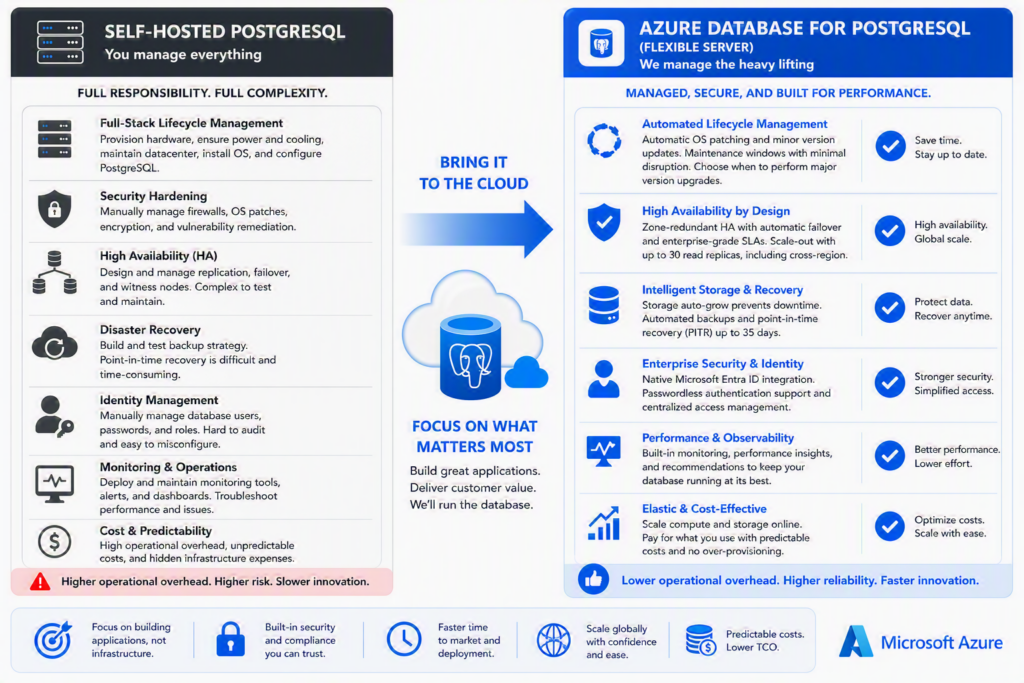
Contextual Overview The decision between utilizing a managed PostgreSQL service versus a self-hosted PostgreSQL instance is increasingly pertinent for organizations aiming to optimize their database management practices. This choice is particularly critical for technical decision-makers who oversee production workloads. The evaluation encompasses various operational and business outcomes, including control, engineering capacity, resilience, security, cost predictability, risk tolerance, and access to specialized expertise. Ultimately, the decision hinges on the responsibilities an organization is willing to retain versus those it is prepared to delegate to a service provider. Why Organizations Choose PostgreSQL PostgreSQL has established itself as a robust, open-source relational database management system that caters to a diverse range of applications—from small projects to large-scale enterprise systems. Its adherence to standards and expansive ecosystem make it a favorable choice for organizations seeking a versatile database solution equipped with extensive extensibility features. Understanding the Trade-offs: Managed vs. Self-hosted PostgreSQL Upon selecting PostgreSQL, organizations face the important task of determining the optimal operational model—whether to self-host the database on their own infrastructure, deploy it on virtual machines, or utilize a managed cloud service. Each model presents unique advantages and challenges related to control, responsibility, cost, and operational efforts. While self-hosting offers direct oversight over the entire database environment, it also necessitates a comprehensive commitment to platform management. In contrast, managed PostgreSQL services, such as those offered by major cloud providers, can alleviate operational burdens, allowing teams to focus on application and data performance. Operational Challenges in Self-hosted Environments Self-hosting introduces an ongoing operational tax, characterized by the time, expertise, and resources necessary for the provisioning, securing, monitoring, and maintaining of the database platform. These essential activities, while necessary, do not typically contribute to an organization’s core competitive advantage. In a self-managed scenario, engineering teams must oversee the entire technology stack, encompassing lifecycle management, security hardening, high availability (HA), disaster recovery, and identity management. Such operational demands can detract from efforts to enhance applications and refine data models. When to Consider a Managed PostgreSQL Service Organizations may find managed PostgreSQL services advantageous as they transfer specific infrastructure and platform responsibilities to a cloud provider. This shift not only reduces the operational tax associated with platform administration but also allows organizations to maintain control over critical aspects such as data security, database configuration, and performance management. By utilizing a managed service, organizations can streamline operations and allocate engineering resources more efficiently. When Self-managed PostgreSQL Is Appropriate Self-management may be the preferred approach for organizations that require tailored infrastructure, unsupported extensions, or direct control over patching schedules. This model can be particularly beneficial for organizations with established PostgreSQL engineering capabilities and mature operational practices, where the added responsibilities are viewed as a strategic trade-off for increased control and customization. Evaluating Managed Services Through the Shared Responsibility Model The shared responsibility model is an effective framework for assessing managed PostgreSQL services. As organizations transition from self-hosted environments to cloud offerings, the delineation of responsibilities shifts. In a platform-as-a-service (PaaS) deployment, the provider assumes management of the operating system and core infrastructure, thus minimizing the operational efforts required to maintain security and availability. While organizations retain ownership of their data and configurations, the reduction in operational burdens fosters a focus on application delivery and performance optimization. Advantages of Managed PostgreSQL Services Automated Lifecycle Management: Managed services automate OS maintenance and service updates, significantly reducing the workload on internal teams. High Availability and Resilience: Providers typically offer built-in high availability configurations, simplifying the management of failover and redundancy. Intelligent Storage and Recovery: Automated backups and point-in-time restore capabilities are often integrated, mitigating risks associated with data loss. Enhanced Security: Managed services can leverage advanced security features, such as centralized identity management and passwordless authentication, reducing the risk of credential leaks. Considerations and Limitations Despite the numerous advantages, organizations must consider potential limitations when opting for a managed PostgreSQL service. These may include less direct control over specific configurations and potential vendor lock-in, which can impact long-term strategy and operational flexibility. Future Implications: The Impact of AI Developments As the landscape of big data engineering evolves, the integration of artificial intelligence (AI) is poised to further transform the management of database services. AI can enhance predictive maintenance, automate complex queries, and optimize performance tuning, thereby reducing the operational burden on engineering teams. This shift will likely lead to increased efficiency and a more agile response to changing business needs, solidifying the role of managed services in the future of database management. Conclusion The decision between self-hosted PostgreSQL and a managed service is a strategic one that requires careful consideration of organizational capabilities, risk tolerance, and business objectives. By evaluating the trade-offs and potential implications of each approach, organizations can make informed decisions that align with their long-term goals in the realm of big data engineering. Disclaimer The content on this site is generated using AI technology that analyzes publicly available blog posts to extract and present key takeaways. We do not own, endorse, or claim intellectual property rights to the original blog content. Full credit is given to original authors and sources where applicable. Our summaries are intended solely for informational and educational purposes, offering AI-generated insights in a condensed format. They are not meant to substitute or replicate the full context of the original material. If you are a content owner and wish to request changes or removal, please contact us directly. Source link : Click Here
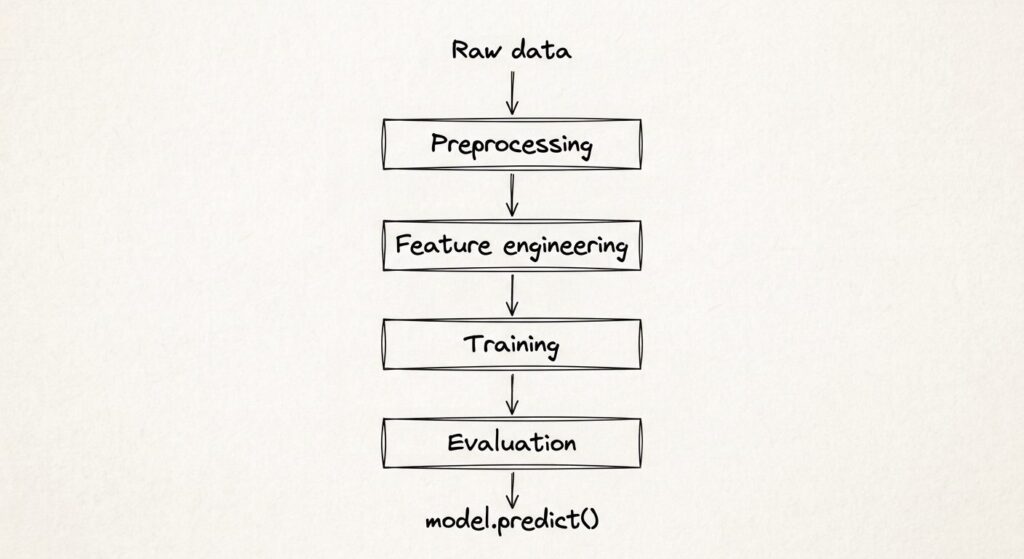
Context of Generative AI Models & Applications In recent months, there has been a notable shift in the landscape of data science, particularly as practitioners transition from data analytics to data engineering and machine learning. This evolution is exemplified by a case where an individual successfully developed two practical projects: an ETL pipeline utilizing GitHub and a real-time RSS feed processing system. Both projects not only deepened their understanding of Extract, Transform, Load (ETL) processes but also served as a foundation to explore machine learning applications. The individual built a churn prediction model for a fictional telecom company, Northline Mobile, using a dataset of 7043 customers. This model achieved an accuracy of 81%, demonstrating the potential of machine learning in predicting customer behavior. However, despite its success in accuracy, the model alone lacked practical utility in a corporate setting, highlighting the disparity between creating a model and developing a usable service. Main Goal and Its Achievement The primary goal articulated in the original content is the transformation of a machine learning model from a standalone entity into a functional service that can be utilized across various applications and by multiple users within an organization. This goal can be achieved by deploying the model through an Application Programming Interface (API) that allows seamless interaction between the model and other software systems. To realize this transformation, it is critical to define the API’s boundaries, including the input and output schema, which ensures that data is processed consistently and accurately. The successful implementation of this API allows non-technical users to interact with the model without needing to understand its underlying complexities. Advantages of Transforming Models into Services Increased Accessibility: By exposing the model as a service, any team member or application can access its predictive capabilities without specialized knowledge. This democratization of access enhances collaboration within the organization. Streamlined Workflow: Automating the prediction process eliminates the need for manual intervention, thus reducing the time and effort required to obtain insights from the model. Consistent Data Processing: Implementing a standardized API ensures that data is preprocessed in the same manner as during model training, which minimizes the risk of discrepancies that could lead to erroneous predictions. Clear Error Handling: A well-defined API provides structured responses that facilitate prompt identification and resolution of input errors before they reach the model, thereby enhancing the robustness of the application. Caveats and Limitations While the benefits of transforming a model into a service are substantial, there are pertinent limitations to consider: Environment Dependency: The model’s current functionality is limited to the developer’s local environment. Variances in system configurations could hinder its operability on different machines. Cloud Deployment Challenges: The model is not yet deployable to cloud environments, which restricts its availability and scalability. This limitation needs to be addressed for broader organizational use. Initial Complexity: The setup of the API and its integration with existing systems can be complex, requiring a significant investment of time and effort to implement effectively. Future Implications of AI Developments The ongoing advancements in AI and machine learning are set to profoundly impact the development and deployment of predictive models. As generative AI continues to evolve, we can anticipate: Enhanced Model Capabilities: Future models may leverage more sophisticated algorithms and larger datasets, thereby improving their predictive accuracy and reliability. Greater Integration with Business Processes: AI models will likely become more seamlessly integrated into business workflows, driving efficiency and enabling real-time decision-making across various sectors. Wider Adoption of AI Services: As organizations recognize the value of accessible AI services, there will be an increase in demand for robust APIs that facilitate interaction with complex models. Focus on Ethical AI Practices: With the rise of AI applications, there will be a growing emphasis on ethical considerations, data privacy, and transparency in model predictions and decisions. Disclaimer The content on this site is generated using AI technology that analyzes publicly available blog posts to extract and present key takeaways. We do not own, endorse, or claim intellectual property rights to the original blog content. Full credit is given to original authors and sources where applicable. Our summaries are intended solely for informational and educational purposes, offering AI-generated insights in a condensed format. They are not meant to substitute or replicate the full context of the original material. If you are a content owner and wish to request changes or removal, please contact us directly. Source link : Click Here

Contextualizing E-commerce Platforms in Applied Machine Learning In the evolving landscape of e-commerce, platforms such as Sellfy have emerged as essential tools for digital content creators, enabling them to efficiently establish online stores and monetize their products. The application of machine learning in this domain enhances the functionality and efficiency of such platforms. Machine learning algorithms can analyze consumer behavior, optimize inventory management, and personalize marketing strategies, thereby improving customer engagement and conversion rates. Main Goals and Achievements The primary goal of utilizing an e-commerce platform like Sellfy is to streamline the process of selling digital products while maintaining autonomy over marketing strategies. This objective can be achieved through the platform’s user-friendly interface, customizable storefronts, and robust payment processing capabilities. Users can quickly set up their stores and begin selling within a matter of minutes, significantly reducing the barriers to entry for aspiring entrepreneurs. Advantages of Using Sellfy Rapid Setup: Users can establish an online store in a matter of minutes, allowing for swift entry into the e-commerce space. Comprehensive Product Types: Sellfy supports various product categories, including physical items, digital goods, and subscription services, catering to a diverse range of sellers. Immediate Payment Processing: Sellers receive payments on the same day as sales, which is advantageous compared to platforms with delayed payment processes. Customizable Storefront: The platform allows users to tailor their online presence with personalized branding elements, thereby enhancing brand recognition. Integrated Marketing Tools: Sellfy’s built-in marketing capabilities, including email marketing and discount codes, enable sellers to effectively promote their products and engage with customers. Mobile Responsiveness: The platform ensures that online stores are optimized for mobile devices, facilitating a seamless shopping experience for customers on various platforms. Considerations and Limitations Free Plan Restrictions: While Sellfy offers a free plan, it limits users to only 10 products, which may not suffice for those looking to scale quickly. Branding Limitations: The platform’s branding is only removed from hosted products upon upgrading to a paid plan, which may affect initial perceptions of professionalism. Design Uniformity: Although the storefront designs are clean, the lack of unique templates may limit the ability to create a distinctive brand image. Future Implications of AI in E-commerce Platforms As artificial intelligence continues to advance, its integration into e-commerce platforms like Sellfy is likely to revolutionize the industry. Future developments may include enhanced predictive analytics to forecast consumer trends, automated customer service solutions powered by chatbots, and sophisticated algorithms for personalized marketing campaigns. These innovations will not only optimize operational efficiency but also create a more personalized shopping experience, ultimately increasing customer satisfaction and retention. Disclaimer The content on this site is generated using AI technology that analyzes publicly available blog posts to extract and present key takeaways. We do not own, endorse, or claim intellectual property rights to the original blog content. Full credit is given to original authors and sources where applicable. Our summaries are intended solely for informational and educational purposes, offering AI-generated insights in a condensed format. They are not meant to substitute or replicate the full context of the original material. If you are a content owner and wish to request changes or removal, please contact us directly. Source link : Click Here

Contextual Overview In the rapidly evolving landscape of Natural Language Processing (NLP), optimizing model inference is paramount for enhancing performance without necessitating significant hardware investments. The exploration of techniques such as quantization, optimized kernels, and advanced inference engines is essential for maximizing the utility of existing GPU infrastructures. Among these techniques, speculative decoding has emerged as a particularly effective strategy, increasing generation speed while minimizing the need for additional GPUs. This approach is vital for Natural Language Understanding (NLU), where rapid and accurate model inference is crucial. Main Goal and Its Achievement The primary objective of the discussed techniques, particularly those utilizing DSpark, is to enhance the speed of large language model (LLM) inference. This is achieved through innovative methods that combine parallel and sequential processing, allowing the model to generate draft tokens while leveraging information from prior predictions. By implementing these advanced techniques, NLU scientists can expect to see significant improvements in generation throughput, leading to more efficient natural language applications. Advantages and Limitations Increased Generation Speed: The implementation of DSpark has been reported to yield a generation speed increase ranging from 60% to 85%, enhancing the overall efficiency of LLMs. Parallel Drafting with Sequential Components: DSpark’s hybrid approach allows for the integration of information from previously predicted tokens, improving the accuracy of subsequent predictions while maintaining speed. Reduction in Computational Waste: By estimating the likelihood of draft tokens surviving verification, DSpark can eliminate low-confidence predictions, optimizing resource usage. Ease of Implementation: DSpark can be readily integrated into existing frameworks, such as llama.cpp, making it accessible to practitioners in the field. Compatibility and Support: Despite its advantages, DSpark currently supports a limited number of models, which may restrict its utility across varied applications. Future Implications The advancements in techniques like DSpark signal a transformative shift in the capabilities of AI in natural language tasks. As AI continues to evolve, the emphasis on improving inference speed without compromising quality will likely lead to more sophisticated models that can handle complex tasks with greater efficiency. This progression suggests that NLU scientists will increasingly rely on hybrid techniques, combining the strengths of various approaches to achieve optimal performance. The future landscape of NLP will be characterized by models that not only generate text rapidly but also understand and interpret language with increasing accuracy, paving the way for more intuitive human-computer interactions. Disclaimer The content on this site is generated using AI technology that analyzes publicly available blog posts to extract and present key takeaways. We do not own, endorse, or claim intellectual property rights to the original blog content. Full credit is given to original authors and sources where applicable. Our summaries are intended solely for informational and educational purposes, offering AI-generated insights in a condensed format. They are not meant to substitute or replicate the full context of the original material. If you are a content owner and wish to request changes or removal, please contact us directly. Source link : Click Here
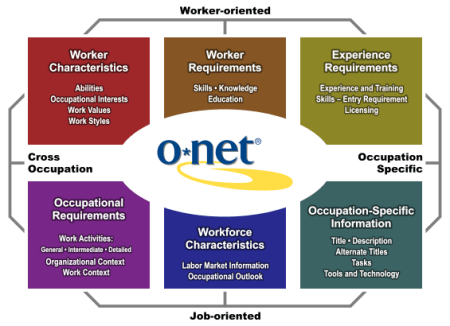
Context In the realm of labor economics, the ability to identify transition pathways for workers is increasingly vital, particularly as automation and technological advancements reshape job markets. The original post, “Identifying skills-based occupational transition pathways with the O*NET,” outlines a methodology to estimate potential labor market transitions by analyzing the similarity of skills, abilities, and knowledge across various occupations. By leveraging the O*NET database—an extensive resource detailing the characteristics of over 800 occupations—researchers can glean insights into how workers can transition between jobs, especially in the face of automation and evolving market demands. This approach offers a structured framework for data engineers and professionals in the Data Analytics and Insights industry to assess labor market dynamics effectively. Main Goals and Achievements The primary goal established in the original post is the identification of viable occupational transition pathways for workers, particularly for those currently employed in roles subject to automation, such as truck drivers. This goal can be achieved through a systematic analysis of occupational data, focusing on the following key steps: 1. **Data Analysis**: Utilize the O*NET database to extract relevant occupational data. 2. **Skill Similarity Assessment**: Calculate similarity scores based on the skills and attributes required for different occupations. 3. **Transition Pathway Identification**: Identify potential job transitions that workers can undertake based on their existing skill sets. By employing these steps, organizations can not only support workers in navigating their career paths but also enhance workforce planning and policy development. Advantages of the Approach 1. **Enhanced Labor Market Insights**: The methodology provides a detailed understanding of how similar occupations are, which can guide workforce development initiatives. As noted in the original content, the similarities in skills and abilities can facilitate smoother transitions between jobs. 2. **Data-Driven Decision Making**: By utilizing empirical data from the O*NET database, organizations can make informed decisions regarding training programs and workforce allocation. This approach aligns with evidence indicating that similar jobs require similar skills, making it easier for workers to transition. 3. **Policy Development**: Policymakers can utilize the findings to design targeted interventions for workers in occupations at risk of automation. The data can inform the development of training programs aimed at equipping workers with the necessary skills for transition. 4. **Broad Applicability**: The methodology is adaptable to various labor markets and occupational classifications, allowing for broader application beyond the US context. This flexibility can enhance its relevance to international workforce challenges. Limitations and Caveats While the advantages are compelling, there are limitations to consider: 1. **Data Coverage**: The analysis may not cover all occupations, as indicated by the original post, which noted that a percentage of occupations may not be represented in the O*NET database. This limitation can skew the similarity scores and potentially overlook viable transition pathways. 2. **Variability in Occupation Characteristics**: The approach relies on the assumption that skill similarities translate into job transition feasibility, which may not hold true in all cases. Factors such as wage differentials, geographic mobility, and personal circumstances can significantly impact a worker’s ability to transition. 3. **Dynamic Labor Markets**: The rapidly changing nature of labor markets, influenced by technology and economic conditions, may mean that findings can quickly become outdated. Continuous updates to the data and methodology are essential to maintain relevance. Future Implications and AI Developments Looking ahead, the integration of AI into labor market analysis holds significant promise. As AI technologies evolve, they can enhance the accuracy and efficiency of occupational data analysis. For instance, machine learning algorithms can be employed to predict occupational transitions more effectively by analyzing vast datasets for patterns that may not be immediately apparent through traditional methods. Additionally, AI can facilitate real-time updates to occupational data, ensuring that workforce development strategies remain aligned with current market conditions. Moreover, AI-driven personalization in training and education could further empower workers by providing tailored learning pathways based on individual skill sets and career aspirations. As AI continues to revolutionize the workplace, the methodologies developed for identifying occupational transition pathways will likely become increasingly sophisticated, enabling organizations to better support their workforce in an ever-evolving labor landscape. In summary, while the methodology for identifying skills-based occupational transition pathways offers substantial benefits for labor market analysis, it is crucial to remain vigilant about its limitations and adapt to the dynamic nature of the workforce, particularly as AI continues to shape our understanding of labor market dynamics. Disclaimer The content on this site is generated using AI technology that analyzes publicly available blog posts to extract and present key takeaways. We do not own, endorse, or claim intellectual property rights to the original blog content. Full credit is given to original authors and sources where applicable. Our summaries are intended solely for informational and educational purposes, offering AI-generated insights in a condensed format. They are not meant to substitute or replicate the full context of the original material. If you are a content owner and wish to request changes or removal, please contact us directly. Source link : Click Here
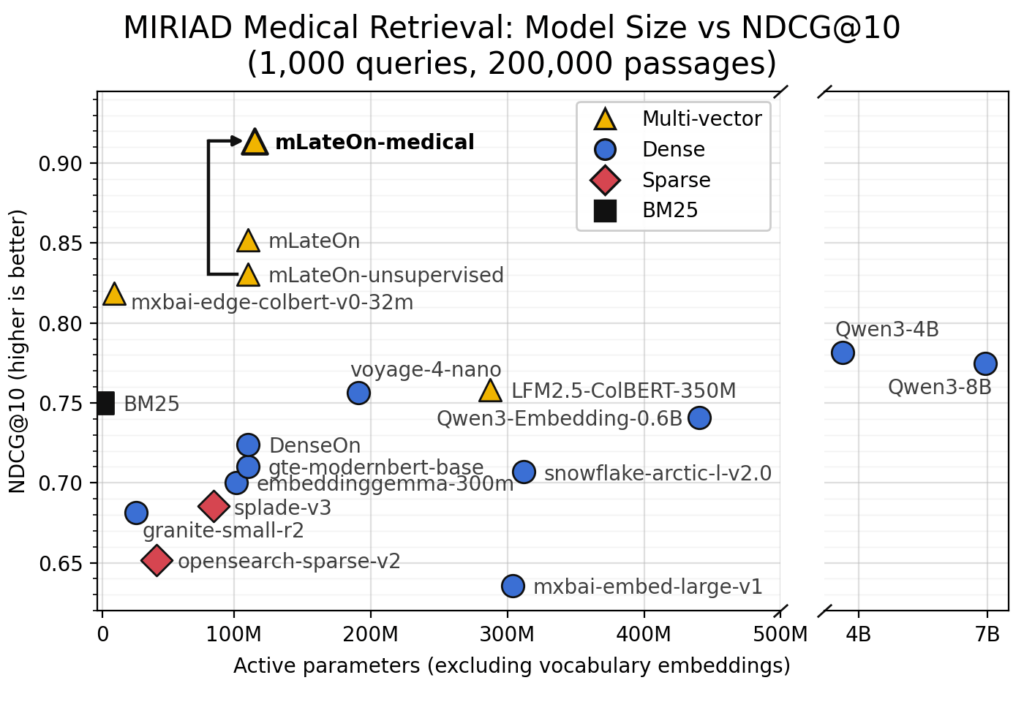
Context In the rapidly evolving landscape of Generative AI, the ability to leverage advanced embedding models is paramount for applications such as semantic search, retrieval-augmented generation, and semantic textual similarity. The Sentence Transformers library has emerged as a robust tool for training and utilizing these models. Its recent version 6.0 introduces the MultiVectorEncoder, which facilitates late interaction retrieval akin to the ColBERT architecture. This update provides a comprehensive method for fine-tuning multi-vector models that can outperform general-purpose retrieval systems tailored to specific datasets. The entire process can be initiated with the simple command: pip install -U “sentence-transformers[train]”. This discussion delves into the core components necessary for fine-tuning multi-vector models, encompassing the model architecture, datasets, loss functions, training parameters, evaluators, and the trainer class. Each component is elucidated with practical examples, equipping data scientists with the necessary insights to enhance the performance of multi-vector models within their specific domains. Main Goal and Achievements The primary goal of fine-tuning multi-vector models is to significantly enhance their retrieval performance within a defined domain. This is accomplished through the adaptation of model parameters tailored to the unique vocabulary, query preferences, and relevance criteria pertinent to the specific application area. The fine-tuning process enables the model to leverage detailed, token-level matching, which is particularly beneficial for domains characterized by nuanced language and complex query structures. Advantages of Fine-Tuning Multi-Vector Models Domain-Specific Performance: Fine-tuning allows models to adapt to specific terminologies and query styles, leading to improved accuracy and relevance in search results. This is supported by empirical evidence indicating that models trained on domain-specific datasets outperform their general counterparts. Enhanced Retrieval Capabilities: Multi-vector models utilize token-level matching, which preserves fine-grained signals that single-vector models may overlook. This results in superior retrieval performance, especially in cases where detailed contextual understanding is essential. Flexibility in Document Length: Many standard models are constrained by predefined document lengths, which can lead to significant information loss. Fine-tuning enables users to configure document lengths according to their specific data needs, ensuring that no critical information is truncated during the retrieval process. Efficient Use of Resources: The training process can effectively utilize consumer-grade GPUs, making advanced model training accessible to a broader range of users without the need for high-end infrastructure. Caveats and Limitations While the benefits of fine-tuning multi-vector models are clear, there are notable caveats to consider. Models trained on small or insufficiently diverse datasets may not generalize well beyond their training data, potentially leading to overfitting. Additionally, the increased index size associated with multi-vector models can pose storage challenges, particularly for applications requiring rapid retrieval across extensive datasets. It is therefore essential to evaluate the trade-offs between model complexity and retrieval efficiency. Future Implications The continuous advancement in AI technologies is likely to further enhance the capabilities of embedding models. As more sophisticated training techniques and larger datasets become available, the potential for even more accurate and context-aware retrieval systems will increase. Future developments may include the integration of multi-modal data sources and enhanced algorithms for dynamic fine-tuning, allowing models to adapt in real-time to evolving user needs and language patterns. This trajectory indicates a promising future for AI applications that leverage fine-tuned multi-vector models, positioning them as critical tools in various sectors, including healthcare, legal, and financial services. Disclaimer The content on this site is generated using AI technology that analyzes publicly available blog posts to extract and present key takeaways. We do not own, endorse, or claim intellectual property rights to the original blog content. Full credit is given to original authors and sources where applicable. Our summaries are intended solely for informational and educational purposes, offering AI-generated insights in a condensed format. They are not meant to substitute or replicate the full context of the original material. If you are a content owner and wish to request changes or removal, please contact us directly. Source link : Click Here
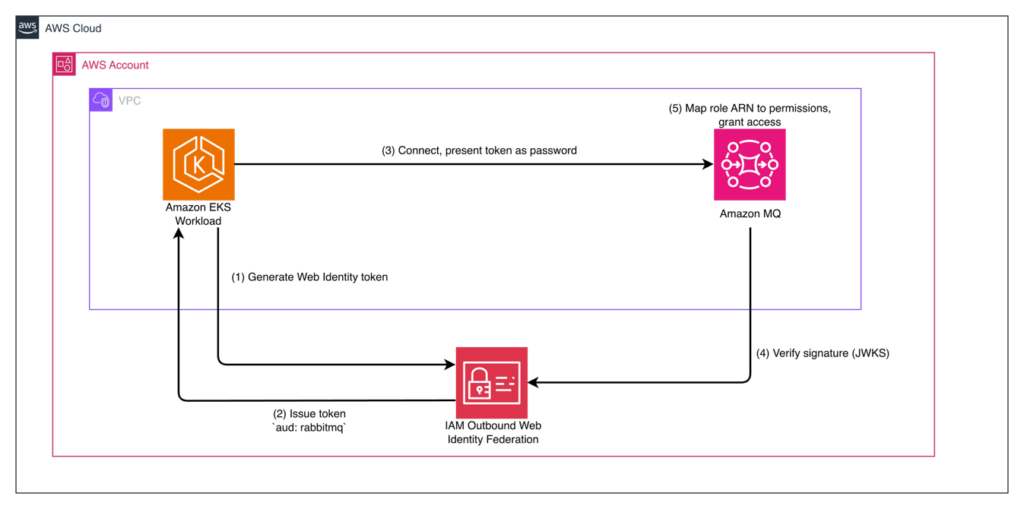
Context This blog post aims to provide insights into the innovative approaches undertaken by Picnic, a tech scale-up based in Amsterdam, in configuring multiple OAuth providers within their Amazon MQ infrastructure. Picnic is transforming the grocery shopping experience by leveraging advanced technology to manage a complex supply chain and logistics system. Central to this operation is RabbitMQ, which serves as the communication backbone, facilitating the seamless interaction of hundreds of microservices that handle everything from order processing to finance. Given the volume of transactions Picnic manages—close to one million messages per second—ensuring the reliability and scalability of their messaging infrastructure is paramount. Picnic’s authentication strategy distinguishes between the identities of human operators and automated services, necessitating a solution that accommodates multiple identity providers. This post will explore how Picnic successfully configured Amazon MQ to authenticate tokens from both Keycloak and AWS Identity and Access Management (IAM), thus extending the standard OAuth 2.0 configuration to support a multi-provider setup. Main Goal and Implementation The primary objective of Picnic’s configuration is to establish a secure and efficient authentication mechanism that allows a single RabbitMQ broker to simultaneously trust multiple OAuth 2.0 identity providers. This goal can be achieved through the careful design of resource servers and audience claims within the RabbitMQ setup. By implementing this multi-provider configuration, Picnic enables distinct authentication pathways for human operators and automated services without the need for separate broker instances, thus streamlining operations and maintaining robust security protocols. Advantages of Multi-Provider OAuth Configuration Enhanced Security: By utilizing distinct identity providers for human and machine interactions, Picnic minimizes the risk associated with credential exposure. Operators authenticate via Keycloak, while services employ AWS IAM, allowing for tailored security measures that fit each identity’s requirements. Operational Efficiency: The ability to manage multiple identity providers from a single broker reduces operational overhead and complexity. This streamlined approach allows Picnic to maintain a cohesive messaging infrastructure while ensuring secure access control across diverse authentication mechanisms. Scalability: As Picnic expands its operations, the setup enables seamless integration of additional OAuth providers without disrupting existing services. This adaptability is vital in a rapidly evolving technological landscape. Fine-Grained Access Control: The configuration allows for precise mapping of scopes to permissions, ensuring that users and services have access only to the resources necessary for their roles. This principle of least privilege enhances overall system security. Future-Proofing: By adopting a multi-provider strategy, Picnic positions itself to easily incorporate emerging identity technologies and standards, ensuring ongoing compliance and security in an increasingly complex digital environment. Considerations and Limitations While the advantages of this multi-provider setup are compelling, several caveats must be acknowledged: Configuration Complexity: Managing multiple identity providers introduces additional complexity in configuration and monitoring. Organizations must ensure that their teams are adequately trained to handle potential issues that may arise. Key Management: Effective key rotation is critical for maintaining security. Failure to manage keys properly may lead to authentication failures or unauthorized access. Audience Validation Risks: If audience claims are not meticulously managed, there is a risk of tokens being rejected or misused, undermining the entire authentication framework. Future Implications The evolution of AI technologies will significantly impact the landscape of identity management and authentication in messaging systems. As organizations increasingly rely on machine learning and artificial intelligence, the need for adaptive authentication strategies will become more pronounced. AI could facilitate real-time risk assessment and dynamic adjustment of access controls based on user behavior and context, thereby enhancing security while improving user experience. Furthermore, as AI systems become more prevalent in operational environments, integration with OAuth frameworks will necessitate robust mechanisms to differentiate between human and machine identities. The lessons learned from Picnic’s multi-provider approach may serve as foundational principles for future developments in secure messaging infrastructures. Disclaimer The content on this site is generated using AI technology that analyzes publicly available blog posts to extract and present key takeaways. We do not own, endorse, or claim intellectual property rights to the original blog content. Full credit is given to original authors and sources where applicable. Our summaries are intended solely for informational and educational purposes, offering AI-generated insights in a condensed format. They are not meant to substitute or replicate the full context of the original material. If you are a content owner and wish to request changes or removal, please contact us directly. Source link : Click Here


