
Contextual Overview: The Legacy of the Houston Rockets The Houston Rockets franchise, established in 1967, has seen a myriad of players donning a total of 52 different jersey numbers. Among these, notable contributions from nearly 500 players highlight the team’s rich history. Recognizing the significance of these numbers, the Rockets organization has embarked on a comprehensive retrospective to honor the athletes who have represented the team through the decades. This initiative not only serves to commemorate individual players but also to celebrate the collective history that shapes the franchise’s identity. With seven jerseys retired to honor the franchise’s all-time greats, the narrative surrounding each number becomes a vital aspect of Rockets lore. This blog post series continues to delve into the stories behind each jersey, providing insights into the players who have left indelible marks on the team’s legacy. Main Goal: Honoring Historical Contributions Through Data The primary goal of this retrospective is to honor the legacy of players, such as Pete Chilcutt, who wore the No. 32 jersey during the years 1994 to 1996. The initiative aims to achieve this by meticulously documenting the contributions of each player in terms of statistics and personal anecdotes. By analyzing historical performance data and contextualizing it within the broader narrative of the franchise, the Rockets seek to foster a deeper appreciation among fans and sports enthusiasts. Advantages of Documenting Jersey Histories Preservation of Legacy: Documenting the history of jersey numbers serves to preserve the legacy of players, ensuring their contributions are recognized. For instance, during his tenure with the Rockets, Chilcutt averaged 3.9 points and 3.3 rebounds per game, a modest yet significant contribution that reflects his role within the team. Engagement with Fans: Providing detailed insights into player histories fosters a stronger connection between the franchise and its fanbase, enhancing engagement through storytelling and shared history. Statistical Analysis: The retrospective allows for a deeper analysis of player performance data, enabling sports data enthusiasts to draw comparisons and insights that might otherwise be overlooked. Educational Resource: This endeavor serves as an educational resource for new fans and data analysts, offering a structured approach to understanding the historical context of player contributions within the league. Future Implications: The Role of AI in Sports Analytics As the landscape of sports analytics continues to evolve, the integration of artificial intelligence (AI) presents both opportunities and challenges. Future advancements in AI technology will likely enhance the ability to analyze player performance data in real time, enabling teams to make more informed decisions based on historical trends. The potential for AI to process vast datasets will facilitate deeper insights into player performance, injury prediction, and even fan engagement strategies. Moreover, as AI becomes increasingly sophisticated, its application in sports analytics may lead to a paradigm shift in how teams assess player contributions, ultimately influencing draft strategies, player development, and overall team dynamics. The evolution of AI in this domain promises to enrich the narrative of sports history, allowing for an even more nuanced understanding of individual contributions and team success. Disclaimer The content on this site is generated using AI technology that analyzes publicly available blog posts to extract and present key takeaways. We do not own, endorse, or claim intellectual property rights to the original blog content. Full credit is given to original authors and sources where applicable. Our summaries are intended solely for informational and educational purposes, offering AI-generated insights in a condensed format. They are not meant to substitute or replicate the full context of the original material. If you are a content owner and wish to request changes or removal, please contact us directly. Source link : Click Here

Context OpenCV’s Deep Neural Network (DNN) module serves as a powerful tool for implementing deep learning inference within applications that handle image processing and video analysis. The recent release of OpenCV 5 introduces an enhanced inference engine, which significantly broadens the scope of modern ONNX (Open Neural Network Exchange) models. This advancement allows for seamless integration of pretrained neural networks, such as those for object detection and instance segmentation, into existing workflows without necessitating the original training framework. Main Goal and Achievement The primary objective outlined in the original post is to facilitate the deployment of complex deep learning models for tasks such as object detection and instance segmentation using OpenCV 5. This can be achieved through a straightforward process that involves: Exporting pretrained models to the ONNX format. Loading these models into OpenCV using the DNN module. Utilizing OpenCV’s image processing capabilities to prepare input data, run inference, and interpret the results. This streamlined approach enables developers and researchers in the field of computer vision to leverage advanced neural networks efficiently, enhancing their applications’ capabilities. Advantages of OpenCV DNN Module Integration of Advanced Models: OpenCV 5 supports a wider range of ONNX models, thereby allowing for the implementation of sophisticated algorithms such as YOLO26 for object detection and RF-DETR for instance segmentation. Cross-Platform Compatibility: The DNN module operates within both Python and C++ environments, making it accessible to a broad audience of developers and researchers. Reduced Dependency on External Frameworks: By enabling model inference directly within OpenCV, there is no need to load the original training framework during the deployment phase, simplifying the application architecture. Performance Improvements: The newly designed inference engine boasts enhanced support for dynamic shapes and modern ONNX features, leading to improved performance in various hardware configurations. Efficiency in Resource Utilization: The DNN module is optimized for CPU usage, ensuring that even resource-constrained environments can run deep learning models effectively. Limitations and Caveats While the DNN module presents numerous advantages, it is essential to consider certain limitations: GPU Support: The current API primarily targets CPU execution, with limited support for GPU acceleration, which may affect performance in high-demand applications. Model Compatibility: Users must ensure that the models exported to ONNX adhere to the supported operators and tensor shapes, which can introduce complexity in model conversion. Dependency on Pretrained Models: The effectiveness of the DNN module is contingent upon the availability of high-quality pretrained models, which may not always meet specific application needs. Future Implications The rapid developments in artificial intelligence and machine learning are poised to significantly influence the landscape of computer vision. As models become increasingly sophisticated and capable of processing more complex tasks, tools like OpenCV’s DNN module will likely evolve further, incorporating enhanced capabilities for real-time processing and advanced analytics. The integration of AI with computer vision will facilitate the development of more intuitive applications, enabling real-time object recognition, advanced video analysis, and automated decision-making across various industries. Conclusion OpenCV’s DNN module represents a significant advancement in the field of computer vision, empowering developers and researchers to employ sophisticated deep learning models with ease. By bridging the gap between model training and deployment, it streamlines the process of integrating advanced neural networks into practical applications. As the technology continues to evolve, its implications for the future of AI in computer vision are profound, promising to reshape the technological landscape. Disclaimer The content on this site is generated using AI technology that analyzes publicly available blog posts to extract and present key takeaways. We do not own, endorse, or claim intellectual property rights to the original blog content. Full credit is given to original authors and sources where applicable. Our summaries are intended solely for informational and educational purposes, offering AI-generated insights in a condensed format. They are not meant to substitute or replicate the full context of the original material. If you are a content owner and wish to request changes or removal, please contact us directly. Source link : Click Here
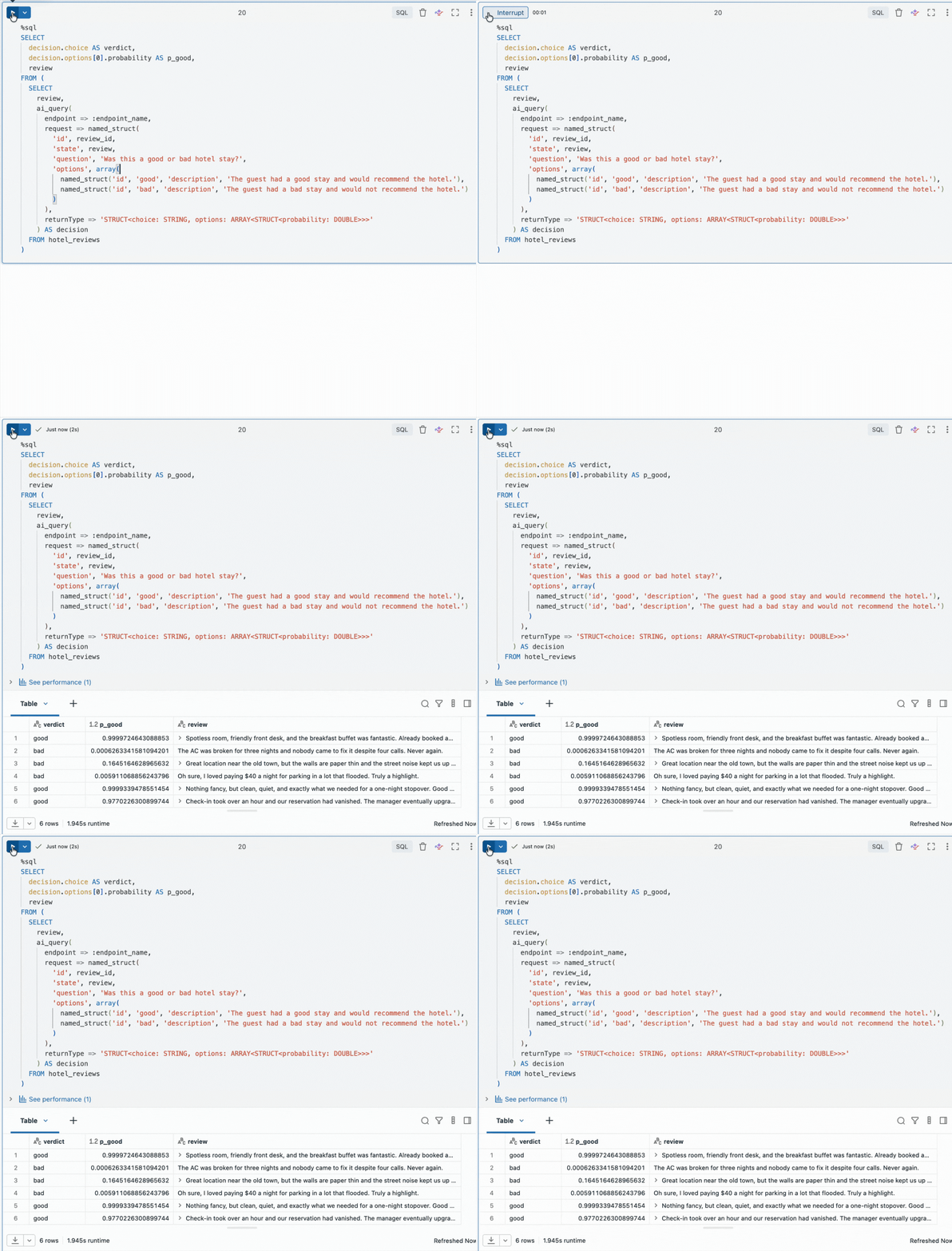
Introduction The emergence of advanced decision models, particularly those classified under the “System One” category, represents a significant evolution in the capabilities of machine learning and artificial intelligence within the realm of Big Data Engineering. Models such as Jev and their open-weight counterparts, including SemIf-OpenJev, Laya, and Kev, are designed to generate well-calibrated decisions from discrete data options. Their swift processing capabilities and cost-effectiveness allow for diverse applications ranging from customer support analysis to large-scale decision-making across extensive datasets. The integration of these models within platforms like Databricks facilitates the unlocking of their full potential by enabling direct interaction with governed data. Main Goal and Achievement The primary objective of utilizing open-weight decision models in Databricks is to enhance data-driven decision-making processes through efficient model deployment and execution. By leveraging the capabilities inherent in Databricks, users can seamlessly deploy models such as SemIf-OpenJev to classify data—specifically, hotel reviews—into predefined categories with high accuracy. This is accomplished through a straightforward workflow that allows users to import a Databricks Notebook, select the appropriate model, and execute it using serverless GPU resources, thereby minimizing infrastructure management burdens. Advantages of Using Open-Weight Decision Models Cost-Effectiveness: The use of open-weight models eliminates the need for expensive proprietary solutions, thereby reducing overall costs associated with data processing. Speed: These models are designed for rapid decision-making, which is crucial for applications needing timely insights, such as customer support transcript analysis. Accessibility: Users can access these models directly from SQL consoles or production jobs, promoting ease of use and integration into existing workflows. Customization: With tools like Databricks AI Runtime, users can customize and post-train models to fit specific enterprise contexts, enhancing their relevance and effectiveness. Scalability: The ability to handle large datasets allows organizations to scale their analysis and decision-making processes without compromising performance. However, it is important to consider the limitations of these models. Their effectiveness is contingent on the quality and quantity of the data they are trained on. Furthermore, while they offer customization options, the complexity of this process may pose challenges for users without a strong technical background. Future Implications of AI Developments The rapid advancement of AI technologies promises to further revolutionize the landscape of Big Data Engineering. Future iterations of decision models will likely incorporate more sophisticated algorithms, enabling even greater accuracy and efficiency in data analysis. As organizations increasingly adopt AI-driven solutions, the demand for skilled professionals who can implement and manage these technologies will grow. Moreover, as models become more accessible through platforms such as Databricks, non-technical users may find it easier to leverage AI tools, democratizing data science and analytics across various business functions. Disclaimer The content on this site is generated using AI technology that analyzes publicly available blog posts to extract and present key takeaways. We do not own, endorse, or claim intellectual property rights to the original blog content. Full credit is given to original authors and sources where applicable. Our summaries are intended solely for informational and educational purposes, offering AI-generated insights in a condensed format. They are not meant to substitute or replicate the full context of the original material. If you are a content owner and wish to request changes or removal, please contact us directly. Source link : Click Here
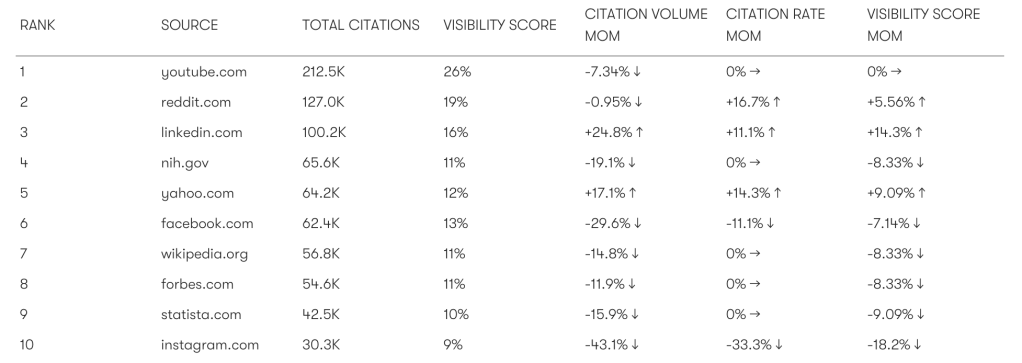
Context YouTube has established itself as the go-to platform for individuals seeking instructional content, a trend that is increasingly reflected in the behavior of artificial intelligence (AI) systems. As large language models (LLMs) and AI-driven search engines evolve, YouTube is emerging as a significant repository for citations. This shift underscores the platform’s role not only as a video-sharing site but also as an integral component of the information ecosystem utilized by AI technologies. Recent analyses indicate that YouTube has surpassed other platforms, such as Reddit, in citation frequency across multiple AI applications, suggesting a transformative phase in how users access and interact with information. YouTube’s Preeminence in AI Citations The ascendancy of YouTube as a prime source of citations is not attributable to a singular AI model; rather, it reflects a collective trend observed across several prominent AI platforms, including Claude, ChatGPT, and Google’s Gemini. According to data from Meltwater, YouTube was the most-cited platform by eight different AI systems as of August 2026. This trend indicates a broader acceptance of YouTube content as a reliable source of information, facilitating users’ navigation through the increasingly complex landscape of AI-generated responses. Industry experts, such as Lauren Lyster from Go Fish Digital, assert that the platform’s advantage lies in the accessibility and processability of its content by AI systems. The collaborative nature of YouTube, which allows for creator input, enhances the likelihood that content will be transcribed and ranked, thus increasing its visibility in AI outputs. YouTube’s Dominance in Google AI Products YouTube’s integration into Google’s AI initiatives, including AI Mode and Gemini, reinforces its standing as a critical information source. A report by Tinuiti revealed that YouTube’s share of citations in Google’s AI Mode expanded significantly, more than quadrupling between January and April 2026. This trend illustrates how seamlessly YouTube content is being incorporated into Google’s AI-driven search experiences, although it is essential to note that a citation does not always indicate that YouTube content was directly utilized to form the AI’s response. As noted by Crystal Duncan, EVP of brand engagement at Tinuiti, the comprehensive nature of YouTube’s content enables AI systems to analyze not only the videos themselves but also the context surrounding them, thus enriching the overall user experience. The Role of Tutorial Content YouTube’s position as the leading platform for “how-to” content plays a significant role in its frequent citation by LLMs. Notably, AI models like Claude and Gemini often reference YouTube videos as supplementary information, even when such content is not explicitly requested. This phenomenon indicates that the mere presence of tutorial videos enhances the credibility and depth of AI-generated answers, providing users with additional avenues for exploration. Long-Form Videos Outperform Shorts Analysis of YouTube content reveals that long-form videos are more frequently cited than shorter formats, with 94% of citations attributed to videos exceeding 10 minutes in length. Such videos often contain structured elements like chapter markers and timestamps, which facilitate AI systems in identifying relevant sections of content. This structural clarity not only aids in content retrieval but also aligns with users’ expectations when seeking specific information. Industry experts suggest that as brands increasingly tailor their video content to meet the needs of AI systems—utilizing formats like natural language and FAQ styles—they are effectively enhancing their visibility within LLMs. Jenny Kelly from Deloitte Digital emphasizes that brands are strategically positioning their content to align with AI priorities, thus optimizing their chances of being cited. Limitations of YouTube Citations While YouTube’s growing influence in AI search is noteworthy, it is essential to recognize that citations can be ephemeral. Data from Scrunch indicates that YouTube citations experienced a decline of approximately 43% within a month, underscoring the dynamic nature of AI retrieval systems. This volatility suggests that achieving visibility through citations does not guarantee enduring success, as newer content can swiftly overshadow existing videos. Future Implications The evolving landscape of AI and its relationship with platforms like YouTube raises important questions about the future of digital marketing and content creation. As AI systems continue to adapt and refine their algorithms, content creators and brands must remain vigilant, optimizing their strategies to ensure sustained relevance. The integration of AI technologies into marketing practices is likely to amplify the importance of structured, high-quality content that aligns with user queries, ultimately shaping the way information is disseminated and consumed in the digital age. Disclaimer The content on this site is generated using AI technology that analyzes publicly available blog posts to extract and present key takeaways. We do not own, endorse, or claim intellectual property rights to the original blog content. Full credit is given to original authors and sources where applicable. Our summaries are intended solely for informational and educational purposes, offering AI-generated insights in a condensed format. They are not meant to substitute or replicate the full context of the original material. If you are a content owner and wish to request changes or removal, please contact us directly. Source link : Click Here
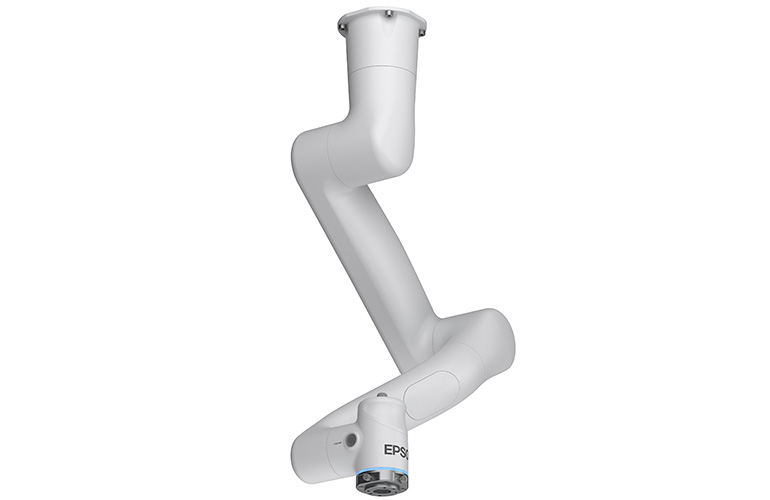
Context of the Epson AX6 Cobot in Smart Manufacturing The introduction of the Epson AX6 collaborative robot (cobot) marks a significant advancement in the field of robotics and smart manufacturing. Designed with a compact structure and features that promote ease of use, the AX6 is engineered to operate alongside human workers without the need for conventional safety barriers, provided that a thorough risk assessment is conducted. This innovation aligns with the ongoing trend of integrating robotics into environments that require close human-robot interaction, thereby enhancing productivity while ensuring safety. Rick Brookshire, the director of product and robot development at Epson, emphasizes that collaborative robots have drastically reduced entry barriers for new users by simplifying both programming and integration. This is particularly crucial for applications where space is limited and user interaction is essential. The AX6 aims to fulfill these needs while offering a comprehensive suite of robotic safety solutions, positioning Epson as a leader in the industry with over 250,000 units sold globally. Main Goal of the AX6 Cobot and Its Achievement The primary objective of the Epson AX6 cobot is to facilitate the automation of tasks requiring human collaboration in tight spaces, thereby augmenting operational efficiency. To achieve this, the AX6 incorporates innovative features, including its no-code programming capabilities and user-friendly interface, which allow operators of varying skill levels to easily integrate and operate the robot. Additionally, the AX6’s lightweight, power-limited design enables it to be deployed in diverse environments, further enhancing its versatility and applicability in various industrial sectors. Advantages of the Epson AX6 Cobot Ease of Use: The AX6 features a no-code programming interface that allows operators, regardless of their technical background, to program and control the robot effectively. Compact Design: Its lightweight design and small footprint make it suitable for space-constrained environments, facilitating deployment in various industrial applications. Compliance with Cleanroom Standards: The AX6 meets ISO Class 5 cleanroom standards, making it suitable for sensitive applications in the life sciences sector. Versatile Integration: The cobot is designed for seamless integration with autonomous mobile robots (AMRs), enhancing its utility in mobile manipulation tasks. Customizable Development Environment: The robot supports a Python development environment, enabling users to create complex robotic workcells tailored to specific applications. However, it is essential to note that while the AX6 cobot offers numerous advantages, its effectiveness is contingent upon proper integration and risk assessment to ensure safe operation in collaborative environments. Future Implications and AI Developments As the field of robotics continues to evolve, the incorporation of artificial intelligence (AI) is poised to revolutionize the capabilities of collaborative robots like the AX6. AI advancements are expected to enhance the robot’s ability to learn from its environment, adapt to new tasks without extensive reprogramming, and improve decision-making processes in real-time. This will result in even greater efficiencies in manufacturing processes, with cobots taking on more complex roles that were previously reserved for human workers. Furthermore, as AI technology matures, the potential for increased automation in traditionally labor-intensive sectors will expand, creating new opportunities for industrial technologists. The ability to harness AI-driven insights will allow for more responsive and flexible manufacturing systems, ultimately leading to improved productivity and reduced operational costs. Disclaimer The content on this site is generated using AI technology that analyzes publicly available blog posts to extract and present key takeaways. We do not own, endorse, or claim intellectual property rights to the original blog content. Full credit is given to original authors and sources where applicable. Our summaries are intended solely for informational and educational purposes, offering AI-generated insights in a condensed format. They are not meant to substitute or replicate the full context of the original material. If you are a content owner and wish to request changes or removal, please contact us directly. Source link : Click Here

Context and Background The landscape of commercial pharmaceutical data is undergoing a transformative shift, largely driven by advancements in artificial intelligence (AI) and machine learning technologies. As healthcare systems evolve, the reliance on traditional healthcare claims data, which provides insights into patient activity post-treatment, is being complemented by eligibility signals. These eligibility signals, generated during the coverage verification process before patient visits, offer crucial insights into patient behavior and emerging trends in healthcare utilization. The focus on these upstream indicators is essential for commercial teams navigating the complexities of market access, brand management, and analytics in the pharmaceutical industry. Main Goals and Achievements The primary goal articulated in the original content is to enhance the understanding of eligibility signals among healthcare professionals, specifically those engaged in brand management, market access, and commercial analytics. Achieving this understanding allows professionals to harness these signals effectively, thereby improving strategic decision-making and operational efficiencies. To accomplish this, stakeholders must focus on three key areas: 1. **Identifying the Scope of Eligibility Activity**: Distinguishing between what eligibility signals can reveal about the market and the limitations of these insights. 2. **Analyzing Patient Volume Concentrations**: Pinpointing where patient volumes are concentrated and understanding the roles played by health systems and provider organizations. 3. **Differentiating Signal Types**: Separating genuine patient engagement signals from routine administrative activities to focus on actionable insights. Advantages of Utilizing Eligibility Signals The integration of eligibility signals into commercial analytics offers several advantages, which are crucial for HealthTech professionals: 1. **Proactive Market Insights**: Eligibility signals provide real-time data that can predict patient volumes and trends before treatment occurs, allowing for proactive decision-making. 2. **Enhanced Resource Allocation**: Understanding where patient activity is forming enables better allocation of resources and targeted marketing strategies, optimizing the effectiveness of interventions. 3. **Improved Patient Engagement Strategies**: By identifying genuine patient interest and service utilization patterns, organizations can tailor their patient engagement strategies more effectively. 4. **Streamlined Operations**: Differentiating between administrative traffic and actual patient signals can lead to more streamlined operations and reduced inefficiencies in service delivery. Despite these advantages, it is important to acknowledge potential limitations, such as the variability in data quality across different healthcare systems and the potential for misinterpretation of signals if not contextualized properly. Future Implications of AI in Commercial Pharma Data As AI technologies continue to evolve, their impact on commercial pharmaceutical data will likely expand significantly. The ability to analyze vast datasets in real-time will enable more precise predictions regarding patient behavior and healthcare trends. Future developments may include: – **Integration of Advanced Algorithms**: Machine learning algorithms could enhance the accuracy of eligibility signal interpretation, providing deeper insights into patient pathways and outcomes. – **Real-time Analytics Platforms**: The emergence of sophisticated analytics platforms that can process eligibility signals instantaneously will facilitate immediate feedback loops for healthcare professionals. – **Personalized Healthcare Solutions**: AI-driven insights could pave the way for more personalized healthcare offerings, improving patient experiences and outcomes. In conclusion, the shift towards utilizing eligibility signals in commercial pharmaceutical data represents a significant opportunity for HealthTech professionals. By embracing these advancements, stakeholders can position themselves at the forefront of healthcare innovation, ensuring they remain responsive to the evolving dynamics of patient care and market demands. Disclaimer The content on this site is generated using AI technology that analyzes publicly available blog posts to extract and present key takeaways. We do not own, endorse, or claim intellectual property rights to the original blog content. Full credit is given to original authors and sources where applicable. Our summaries are intended solely for informational and educational purposes, offering AI-generated insights in a condensed format. They are not meant to substitute or replicate the full context of the original material. If you are a content owner and wish to request changes or removal, please contact us directly. Source link : Click Here

Context: The Importance of Unplugging Your PC During Power Outages Unplugging your PC during a blackout might be exactly what saves it. Power outages are unpredictable events that often catch individuals off guard. In these moments, the immediate concern tends to focus on safety and securing basic needs, such as light sources. However, it is crucial to also consider the potential risks posed to electronic devices, especially personal computers (PCs). Leaving a PC connected to the power supply during an outage can expose it to significant damage once power is restored. An often-misguided belief is that simply turning off a PC is sufficient to protect it. In reality, even a powered-off computer remains linked to the home’s electrical system, which poses a risk due to potential damage from electrical surges. The vulnerability of PCs is exacerbated by the sensitivity of their internal components, including the motherboard, RAM, and solid-state drives (SSDs) that feature delicate circuits prone to voltage fluctuations. Understanding the risks associated with power outages is vital. When power is abruptly cut—due to factors such as grid overload or equipment failure—the electrical system does not simply cease to function. Instead, there can be sharp voltage fluctuations immediately before and after the outage, with the surge that follows power restoration often causing more harm than the outage itself. In the United States, standard household circuits operate at 120 volts; any substantial spike beyond this threshold can lead to irreversible damage to sensitive electronic components. By following appropriate protective measures, individuals can mitigate the risk of costly repairs and data loss. Turning Off Your PC Is Not Enough It is critical to recognize that turning off a PC prior to a power outage does not guarantee safety. Electrical current can still traverse the power cord and reach internal components even when the machine appears to be off. Power surges, which occur due to sudden increases in electrical current—often triggered by lightning strikes or damage to power lines—pose a significant risk. These surges can enter a household’s electrical system and affect devices connected to it. Additionally, when the power grid is restored after an outage, it frequently delivers an elevated voltage spike, further exacerbating the risk to electronics. If a PC is in operation during a sudden power loss, there are additional concerns. Files that are currently being saved or modified may become corrupted, leading to system failures or data loss. For computers utilizing hard disk drives (HDDs), abrupt shutdowns can physically damage the mechanical heads, further jeopardizing system integrity. How to Protect Your PC During a Power Outage To effectively safeguard a PC from damage during power outages, proactive measures should be employed. It is advisable to shut down and unplug the system when adverse weather conditions are anticipated. In cases where power has already been disrupted, unplugging the machine remains a prudent action. It is equally important to unplug other essential electronics, such as routers, which are particularly susceptible to damage during electrical storms. Regularly restarting the router is also recommended as a preventative measure. For desktop computers, switching off the power supply unit (PSU) can help to prevent electrical current from entering the system. However, extreme events, such as lightning strikes, may still result in damage. A surge protector serves as an effective initial line of defense, absorbing voltage spikes before they can impact connected devices. Investing in an uninterruptible power supply (UPS) is an even more effective strategy. A UPS combines surge protection with battery backup, providing a buffer during brief outages and enabling users to save work and perform a controlled shutdown. For comprehensive protection, it may be beneficial to consult a licensed electrician to install whole-house surge protection systems that cover all outlets. Upon restoration of power, it is advisable to delay reconnecting devices. Allowing a few minutes ensures that the power supply remains stable. When reconnecting, plug in the surge protector first, followed by the PC and any additional peripherals. Unplugging a PC during a power outage is a quick and straightforward action that can significantly protect electronic investments. Coupled with a surge protector or UPS, this simple habit can substantially lower the likelihood of hardware damage and data loss, making the effort well worth it. Main Goal and Its Achievement The primary goal of safeguarding a PC during power outages is to prevent damage from electrical surges and abrupt power loss. This can be accomplished by adopting preventative measures such as unplugging devices, utilizing surge protectors, and investing in a UPS. By employing these strategies, users can minimize the risk of costly repairs and data loss. Advantages of Unplugging Your PC Prevention of Electrical Damage: Unplugging the PC eliminates the risk of voltage surges that can lead to component failure. Data Protection: Reduces the chances of data corruption that can occur during sudden power loss. Cost Efficiency: Preventative measures can save significant expenses associated with repairs and data recovery. Enhanced Longevity: Proactive actions contribute to the overall lifespan of electronic devices. However, it is important to note that while unplugging devices is effective, it may not be foolproof against extreme conditions such as direct lightning strikes. Therefore, additional protective measures, such as surge protection systems, are recommended. Future Implications and AI Developments The integration of Artificial Intelligence (AI) into electronic devices and power management systems may significantly alter how we approach power outage protection in the future. AI could enable smarter systems capable of predicting outages based on weather patterns or grid data, allowing for preemptive measures to be automated. Furthermore, AI could enhance surge protection technologies, optimizing responses to voltage fluctuations in real-time. As technology advances, the evolution of these protective measures will likely lead to even greater resilience against power disruptions, ensuring that devices remain safe and operational. Disclaimer The content on this site is generated using AI technology that analyzes publicly available blog posts to extract and present key takeaways. We do not own, endorse, or claim intellectual property rights to the original blog content. Full credit is given to

Introduction The agricultural sector is undergoing a transformative shift, characterized by the integration of technology and innovation. The Women in Agricultural Innovation Award (WiAI), initiated by FIRA USA, exemplifies this transformation by recognizing women who are leading advancements across various facets of AgTech. Originally launched as the Women in AgRobotics of the Year Award in 2025, the award has evolved to encompass a broader range of contributions within the agricultural innovation landscape. This expansion signifies a commitment to celebrating female trailblazers who are not only advancing technology but also inspiring future generations within the AgTech ecosystem. Main Goal of the Award The primary objective of the Women in Agricultural Innovation Award is to acknowledge and celebrate the achievements of women who play pivotal roles in shaping the future of agriculture through innovative technologies. By broadening the award’s scope beyond robotics to include various domains such as precision agriculture, biotechnology, and software development, the initiative aims to highlight the diverse contributions of women in the agricultural sector. Achieving this goal requires a concerted effort from the community to nominate deserving candidates, thereby amplifying their visibility and influence in a traditionally male-dominated field. Advantages of the Award The WiAI offers several significant advantages that can positively impact AgTech innovators: 1. **Visibility and Recognition**: By spotlighting women’s contributions, the award enhances the visibility of female leaders in AgTech, encouraging greater participation and engagement within the sector. 2. **Networking Opportunities**: Winners gain access to a network of industry professionals, facilitating collaboration and mentorship that can drive further innovation. 3. **Inspiration for Future Generations**: Celebrating role models in AgTech serves as an inspiration for young women, motivating them to pursue careers in science, technology, engineering, and mathematics (STEM) related to agriculture. 4. **Community Engagement**: The award fosters a sense of community among women in AgTech, creating a supportive environment where ideas can be shared and developed collaboratively. While these advantages are compelling, it is important to acknowledge potential limitations, such as the need for increased awareness and outreach to ensure that deserving candidates from diverse backgrounds are recognized. Future Implications of AI in AgTech The advancements in artificial intelligence (AI) are poised to further revolutionize the agricultural sector. As AI technologies become increasingly integrated into farming practices, they will enhance decision-making processes, improve resource management, and enable precision agriculture techniques. The continued recognition of women innovating in this space will be crucial, as they bring diverse perspectives that can lead to more effective and inclusive solutions. Moreover, the evolution of AI will likely create new roles and opportunities within AgTech, necessitating a workforce that is not only skilled in technology but also adaptable to the changing landscape of agriculture. The WiAI serves as a catalyst for this transformation, encouraging women to take on leadership positions and drive the future of agricultural innovation. Conclusion The Women in Agricultural Innovation Award represents a significant step forward in acknowledging the contributions of women in the AgTech sector. By fostering visibility, recognition, and community engagement, the award plays a crucial role in shaping a more inclusive and innovative agricultural landscape. As we look to the future, the integration of AI and related technologies will undoubtedly enhance the impact of these initiatives, paving the way for a new generation of leaders in agriculture. Disclaimer The content on this site is generated using AI technology that analyzes publicly available blog posts to extract and present key takeaways. We do not own, endorse, or claim intellectual property rights to the original blog content. Full credit is given to original authors and sources where applicable. Our summaries are intended solely for informational and educational purposes, offering AI-generated insights in a condensed format. They are not meant to substitute or replicate the full context of the original material. If you are a content owner and wish to request changes or removal, please contact us directly. Source link : Click Here

Context and Overview The advent of advanced artificial intelligence models has significantly transformed the landscape of decision-making in varied applications. Recently, TypeSafe.AI introduced a novel model named Jev, which they assert is a pioneering example of a System One model, distinctly divergent from the conventional large language models (LLMs) that have dominated discussions in the AI community for several years. This new model is particularly adept at handling everyday tasks, such as classification and evaluative roles, leading to a deeper exploration of its capabilities in practical scenarios. Main Goals and Achievements The primary objective of introducing the System One model is to enhance decision-making processes by leveraging a structured approach to output generation. Unlike traditional LLMs that predict subsequent tokens and produce expansive text, System One models like Jev are engineered to evaluate specific states and deliver precise, structured answers. This goal can be realized through the utilization of Reinforcement Learning for Calibrated Decisions (RLCD), which educates the model to yield both decisions and confidence probabilities, thus improving the reliability of its outputs. Advantages of System One Models Structured Responses: System One models generate structured outputs rather than free-form text, enhancing the clarity and utility of responses in applications such as customer support and intent classification. Confidence Scores: A critical feature of Jev is its ability to provide confidence probabilities for its decisions. This allows practitioners to gauge the model’s certainty and make informed decisions about when to rely on automated responses versus human intervention. Enhanced Efficiency: TypeSafe claims that Jev operates at a remarkable speed, being 193.6 times faster than conventional models. This efficiency is crucial for applications that require quick decision-making, such as customer service systems. Cost-Effectiveness: With claims of being 444.6 times cheaper, Jev presents a financially viable option for businesses looking to integrate AI without incurring exorbitant operational costs. However, it is essential to note that while these advantages are compelling, there are limitations. For instance, Jev’s accuracy in comparison to established models like OpenAI’s Terra and Luna was found to be lower, indicating that more extensive testing and validation may be necessary before widespread adoption. Future Implications The continuous evolution of AI and machine learning technologies signals a promising trajectory for the development of advanced decision-making models. As practitioners increasingly embrace System One models, we can anticipate a paradigm shift in how AI is utilized across industries. The ability to integrate confidence levels into decision-making processes may lead to more sophisticated workflows, where automated systems handle straightforward queries while more complex issues are escalated to human operators. This division of labor could optimize resource allocation and improve overall operational efficiency. Looking ahead, as the technology matures, we may witness further enhancements in the precision and reliability of these models. The integration of feedback mechanisms and user data could refine the learning processes, resulting in systems that not only make decisions but also adapt and improve over time. Disclaimer The content on this site is generated using AI technology that analyzes publicly available blog posts to extract and present key takeaways. We do not own, endorse, or claim intellectual property rights to the original blog content. Full credit is given to original authors and sources where applicable. Our summaries are intended solely for informational and educational purposes, offering AI-generated insights in a condensed format. They are not meant to substitute or replicate the full context of the original material. If you are a content owner and wish to request changes or removal, please contact us directly. Source link : Click Here
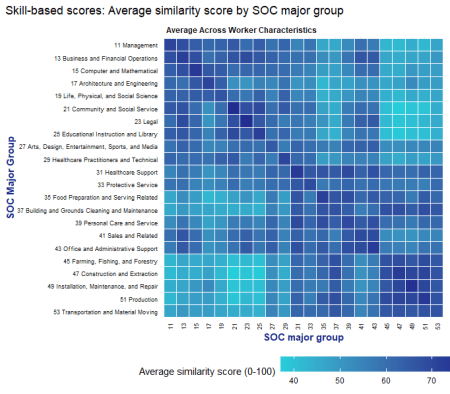
Context The analysis of occupational similarity is vital in the Data Analytics and Insights field, particularly for Data Engineers tasked with optimizing workforce transitions. The original post on O*NET ratings, job descriptions, and classification codes as measures of occupational similarity discusses methodologies for identifying transition pathways based on the alignment of skills, abilities, and knowledge across various occupations. This analysis provides a framework for understanding how closely related different occupations are, which is critical for workforce planning and development initiatives. Main Goal The primary goal is to evaluate whether alternative measures, such as semantic similarity from job descriptions and US Standard Occupational Classification (SOC) code distances, can effectively substitute for O*NET ratings when the latter is unavailable. By employing these proxies, it is possible to derive meaningful insights into occupational transition pathways. The analysis suggests that while these measures do not replace O*NET’s comprehensive data, they can provide useful estimates for transition pathways where detailed data is lacking. Advantages of the Proposed Methodologies Complementarity of Measures: The findings indicate that job descriptions and SOC codes work well in conjunction with O*NET ratings. They explain approximately one-third of the variation in skill-based scores overall and 10 to 15 percent within specific major groups, making them useful for workforce transition assessments. Accessibility: The methods discussed are accessible and cost-effective. They utilize readily available data sources, which is particularly beneficial for regions lacking comprehensive occupational databases. Flexibility: By utilizing job descriptions and classification codes, analysts can adapt their approach based on the available data. This flexibility allows for a broader application across various labor markets and occupations. Intuitive Proxy Measures: The use of SOC codes as a proxy for occupational similarity offers a straightforward method for grouping comparable jobs, enhancing the ease of understanding job relationships. Practical Utility: These methodologies can serve as valuable tools for sense-checking transition pathways derived from non-traditional data sources like online job postings or vocational curricula. This enhances the reliability of insights drawn from such analyses. Caveats and Limitations While the methodologies offer significant advantages, it is essential to acknowledge their limitations. For instance, the accuracy of SOC codes as a proxy may vary depending on the specific job pairs being analyzed. Furthermore, job descriptions are often not designed to capture the full complexity of job requirements, which can result in less precise similarity assessments. Therefore, while these methods are valuable, they should be considered as part of a wider analytical toolkit rather than standalone solutions. Future Implications As artificial intelligence continues to evolve, its integration into occupational analysis will likely enhance the methodologies discussed. AI advancements, particularly in natural language processing and machine learning, will improve the accuracy of semantic similarity assessments derived from job descriptions. Additionally, more sophisticated models can provide deeper insights into the nuances of job characteristics, thereby refining transition pathway predictions. The ongoing development of AI tools will enable Data Engineers and analysts to leverage complex datasets more effectively, leading to more informed workforce planning and strategic decision-making. Disclaimer The content on this site is generated using AI technology that analyzes publicly available blog posts to extract and present key takeaways. We do not own, endorse, or claim intellectual property rights to the original blog content. Full credit is given to original authors and sources where applicable. Our summaries are intended solely for informational and educational purposes, offering AI-generated insights in a condensed format. They are not meant to substitute or replicate the full context of the original material. If you are a content owner and wish to request changes or removal, please contact us directly. Source link : Click Here


