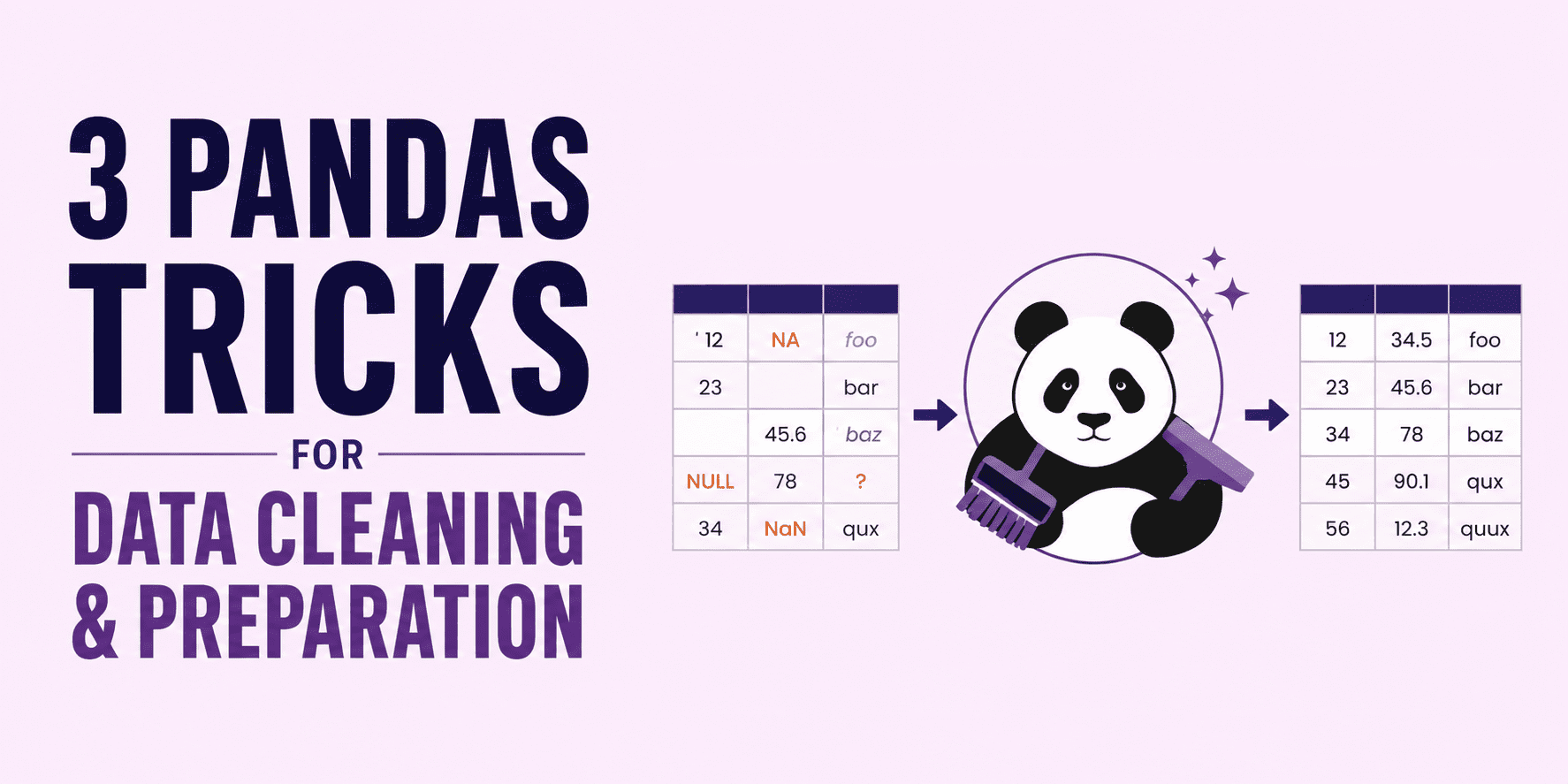
In the field of Applied Machine Learning, data cleaning and preparation are critical components that can significantly influence the efficiency of a data scientist’s workflow. It is estimated that data cleaning occupies up to 80% of a data scientist’s daily activities. Given that Pandas is the predominant library for data manipulation in Python, the proficiency in utilizing this tool is paramount for transitioning from raw data to actionable insights. As such, the ability to enhance data preparation processes not only streamlines workflows but also allows more time for modeling and analysis, ultimately facilitating better communication of insights.
Despite the importance of effective data handling, many practitioners tend to rely on outdated coding practices that resemble conventional Python looping structures or use in-place mutations. These methods can lead to several challenges, including the infamous SettingWithCopyWarning, excessive memory usage due to redundant copies, and decreased execution speed due to a lack of vectorization. To address these challenges, it is essential for practitioners to adopt idiomatic Pandas design patterns, which can significantly enhance the efficacy of data cleaning and preparation tasks.
The primary objective outlined in the original post is to promote efficient data cleaning and preparation in Pandas through the adoption of three key techniques: declarative method chaining, memory and speed optimization via categoricals and vectorized string accessors, and group-aware imputation using the .transform() method. Achieving this goal requires a shift from basic syntax to more advanced, idiomatic practices that allow for cleaner and more efficient code.
.assign(), .query(), and .pipe(), practitioners can create pipelines that are easier to debug and maintain.category datatype and utilizing vectorized string methods can lead to significant reductions in memory usage and execution time. This optimization enables large datasets to be handled more efficiently, thereby enhancing the overall performance of data manipulation tasks..transform(): This method bypasses the inefficiencies of custom looping structures by allowing Pandas to calculate group-level statistics and align results back to the original DataFrame. This approach not only enhances speed but also maintains accuracy in handling missing values.
While these advantages offer substantial improvements, it is essential to recognize that there are limitations. For instance, while categorical transformations can be beneficial for low-cardinality data, they may not provide memory savings in cases of high-cardinality text. Practitioners should, therefore, assess their dataset characteristics before applying these techniques.
As advancements in artificial intelligence continue to evolve, the landscape of data preparation is likely to undergo transformative changes. Future developments may introduce more sophisticated automated tools that can handle data cleaning and preparation with minimal human intervention. This could potentially reduce the time spent on these tasks, allowing data scientists to focus more on complex modeling and analysis. Additionally, the integration of AI into data pipelines may lead to enhanced predictive capabilities, enabling practitioners to derive insights from datasets that were previously deemed too cumbersome to process efficiently.
In conclusion, adopting advanced techniques for data cleaning and preparation in Pandas not only improves workflow efficiency but also enhances the overall quality of machine learning models. By embracing these practices, practitioners can better prepare themselves for the future of data science in an increasingly AI-driven environment.
Disclaimer
The content on this site is generated using AI technology that analyzes publicly available blog posts to extract and present key takeaways. We do not own, endorse, or claim intellectual property rights to the original blog content. Full credit is given to original authors and sources where applicable. Our summaries are intended solely for informational and educational purposes, offering AI-generated insights in a condensed format. They are not meant to substitute or replicate the full context of the original material. If you are a content owner and wish to request changes or removal, please contact us directly.
Source link :