Contextual Overview
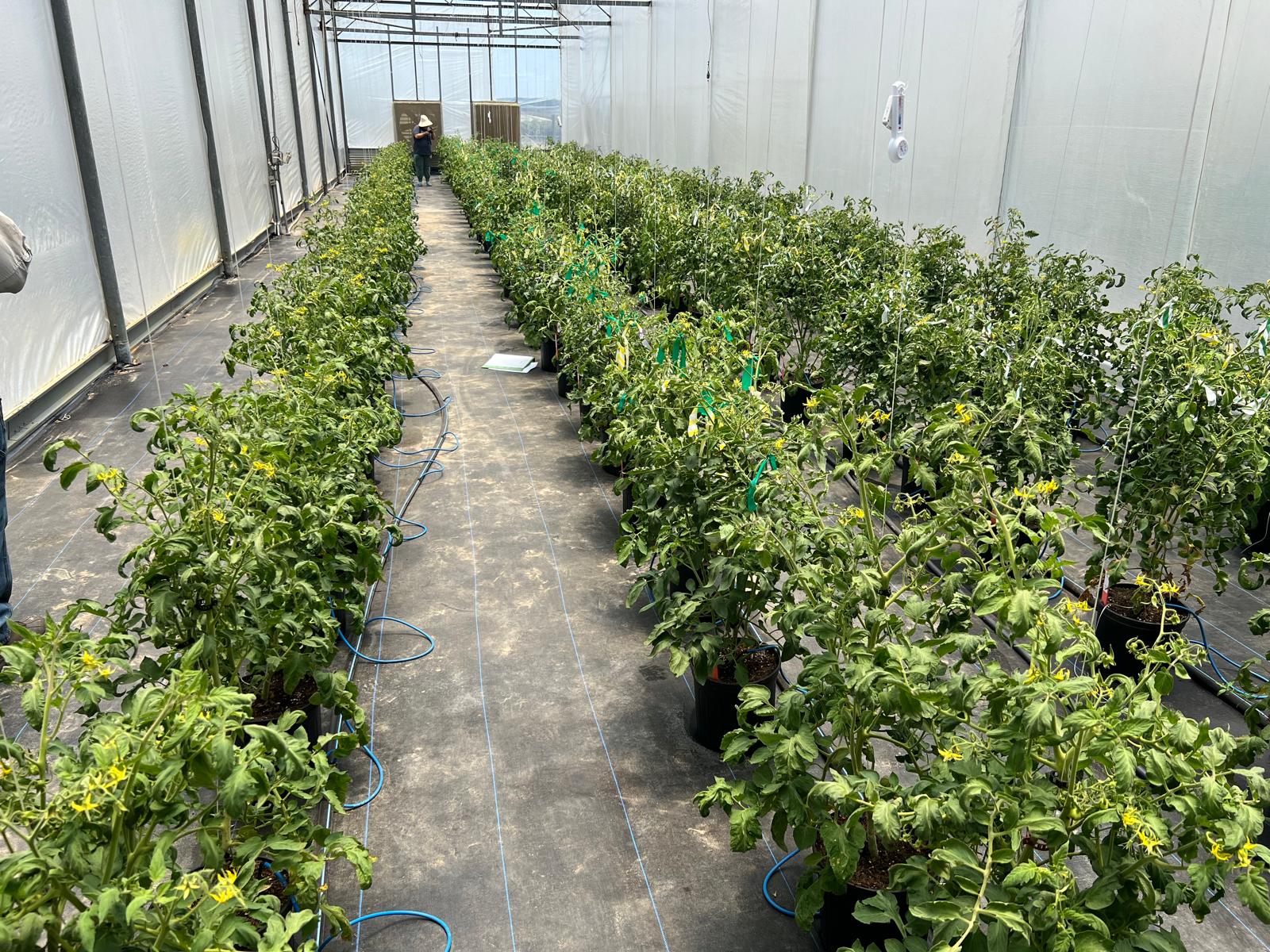
The partnership between Plantik Biosciences and Hudson River Biotechnology signifies a pivotal advancement in agricultural biotechnology, particularly in the realm of heat tolerance for crops. This collaboration aims to develop a heat-tolerance trait that can be licensed by strawberry breeders, addressing an urgent need in agriculture due to the increasing frequency of extreme heat events globally. With strawberries being particularly vulnerable to high temperatures, which adversely affect flowering and fruit quality, this initiative promises significant improvements in crop resilience.
Main Goal and Achievement Pathway
The primary objective of this partnership is to create validated heat tolerance traits in crops, specifically strawberries, that can be easily adopted by breeders. This goal is set to be achieved by leveraging Plantik’s advanced genome editing capabilities, which focus on the regulatory elements of DNA that control gene expression, in conjunction with Hudson River’s innovative genome editing methodologies. By utilizing these technologies, the companies aim to expedite the development process, transforming trait discoveries into enhanced crop varieties within a remarkably short timeframe.
Structured Advantages
- Rapid Development: Plantik’s ATLANTIS platform enables swift identification and editing of heat tolerance traits, allowing the development of new crop varieties in approximately 12 months, as opposed to the traditional breeding timeline of five to eight years.
- Increased Crop Resilience: By focusing on heat tolerance, the initiative directly addresses the threats posed by climate change, ensuring that crops such as strawberries can maintain yield and quality under adverse conditions.
- Cost-Effective Solutions: The BioMaas platform from Hudson River provides breeders with access to advanced genome editing without the need for extensive in-house R&D, significantly lowering the financial barriers typically associated with trait development.
- Collaboration and Knowledge Sharing: The partnership fosters a collaborative environment where trait developers like Plantik can share insights and innovations with Hudson River’s network of breeders, enhancing the overall effectiveness of the breeding process.
- De-risking the Breeding Process: By offering a technological solution that reduces the failure rate of trait development from 90% to 10%, the partnership empowers smaller breeders with the tools necessary to compete against larger seed companies.
Future Implications of AI Developments
The integration of artificial intelligence (AI) in agricultural biotechnology is poised to revolutionize crop breeding and trait development. As AI technologies advance, they will enhance the capabilities of platforms like Plantik’s ATLANTIS, enabling more precise editing of genomes and the identification of beneficial traits. Furthermore, AI-driven data analytics could streamline the validation process of crop traits, accelerating the time from research to market. This evolution in technology will not only bolster the efficiency of trait development but also democratize access to advanced breeding techniques, allowing a broader range of innovators within the AgriTech sector to contribute to sustainable agricultural practices.
Disclaimer
The content on this site is generated using AI technology that analyzes publicly available blog posts to extract and present key takeaways. We do not own, endorse, or claim intellectual property rights to the original blog content. Full credit is given to original authors and sources where applicable. Our summaries are intended solely for informational and educational purposes, offering AI-generated insights in a condensed format. They are not meant to substitute or replicate the full context of the original material. If you are a content owner and wish to request changes or removal, please contact us directly.
Source link :