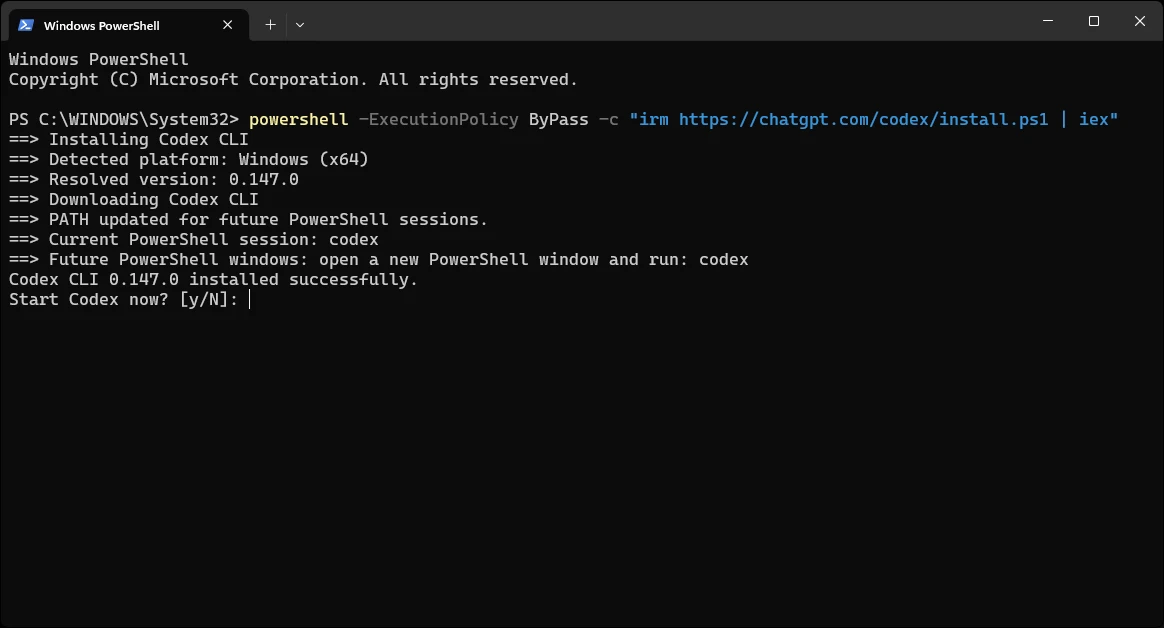
The Codex CLI is a powerful tool that integrates AI assistance directly into local development environments, enhancing productivity and streamlining workflows for data engineers and developers alike. By utilizing Codex, users can leverage AI capabilities within their repositories, shell environments, and testing frameworks, ultimately leading to more efficient coding practices. The installation process is straightforward, requiring only a single command. However, users must navigate several setup choices to ensure a clean and effective implementation. This guide will provide a comprehensive overview of installing the Codex CLI on various operating systems, including Windows, macOS, and Linux, while also emphasizing best practices for a successful setup.
Prior to installation, it is crucial to determine the most suitable method based on your existing environment and tooling preferences. Users who do not manage developer tools through package managers such as Homebrew or npm should opt for the standalone installer. The prerequisites for installation vary slightly across operating systems:
PowerShell on a supported Windows system; Windows Subsystem for Linux (WSL2) is optional.curl is necessary.
The primary objective of the original post is to guide users through the installation and initial setup of Codex CLI effectively. Achieving this goal involves following a structured sequence of steps that include running the installer, configuring the environment, and ensuring proper authentication. These steps collectively enable users to harness the full potential of Codex in their development workflow.
While Codex CLI offers numerous advantages, users should also consider potential limitations. For instance, the reliance on accurate directory trust settings is critical; incorrect configurations may lead to unauthorized access or functionality issues. Additionally, users must be aware of the billing structure associated with API-key usage, as it may differ from standard ChatGPT usage plans.
The ongoing advancements in artificial intelligence are poised to significantly influence the landscape of data analytics and engineering. As tools like Codex evolve, they are expected to become more intelligent and capable of performing increasingly complex tasks. This evolution will likely lead to enhanced automation within development environments, freeing data engineers from mundane tasks and allowing them to focus on high-level strategy and innovation. Furthermore, as AI technology becomes integrated into more development tools, the demand for skilled professionals who can navigate and leverage these advancements will continue to rise.
In summary, the installation and setup of Codex CLI represent a pivotal step for data engineers seeking to enhance their productivity through AI integration. By following the outlined steps and understanding the advantages and limitations of the tool, users can successfully implement Codex into their workflows. With the trajectory of AI technology pointing towards greater automation and intelligence, embracing tools like Codex will be essential for staying competitive in the evolving field of data analytics.
Disclaimer
The content on this site is generated using AI technology that analyzes publicly available blog posts to extract and present key takeaways. We do not own, endorse, or claim intellectual property rights to the original blog content. Full credit is given to original authors and sources where applicable. Our summaries are intended solely for informational and educational purposes, offering AI-generated insights in a condensed format. They are not meant to substitute or replicate the full context of the original material. If you are a content owner and wish to request changes or removal, please contact us directly.
Source link :