Contextualizing the Historical Delay in Bicycle Invention
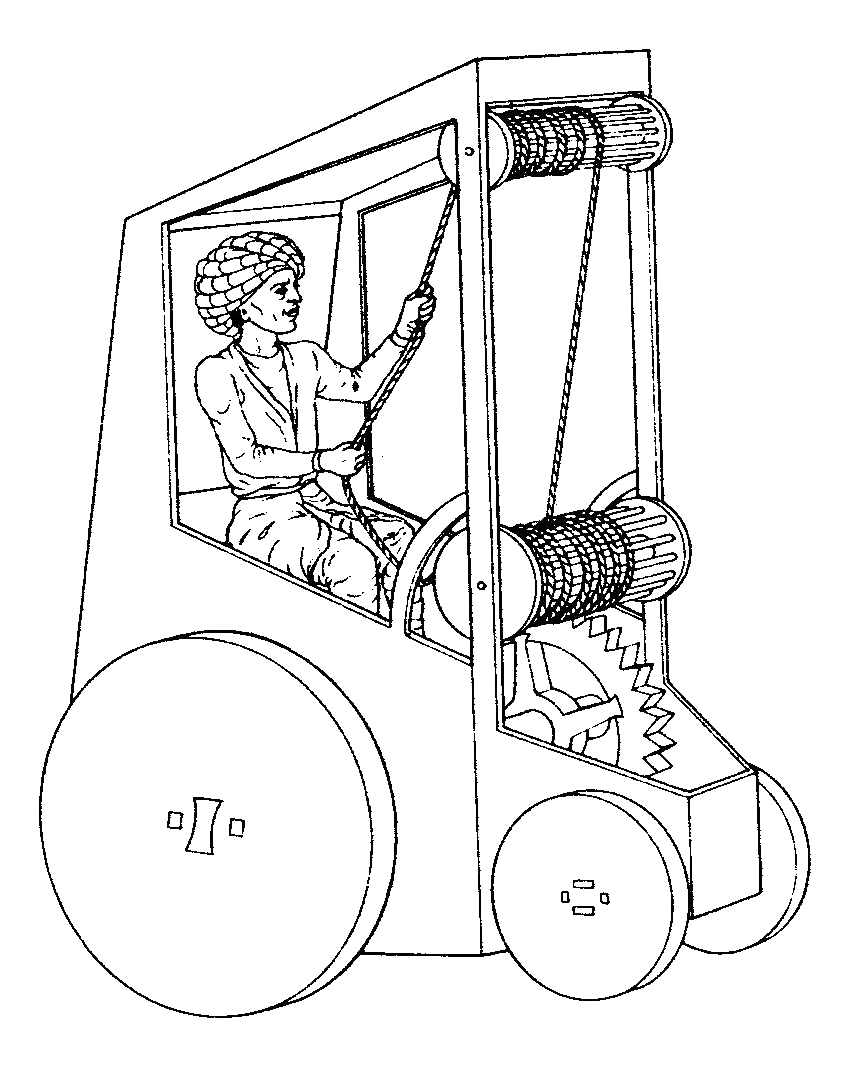
The bicycle, a seemingly simple mechanical invention, did not reach its modern form until the late 19th century. This raises a critical inquiry: Why did it take so long for such a straightforward design to materialize? The historical context surrounding the invention of the bicycle illustrates a broader narrative about technological innovation and societal readiness. Just as the bicycle required the convergence of several factors—technological advancements, road quality, economic conditions, and cultural receptivity—so too does the field of Data Analytics and Insights necessitate a suitable environment for effective development and utilization.
Main Goals and Their Achievement
The primary goal identified in the original discussion revolves around understanding the factors that delayed the invention of the bicycle. This goal can be achieved by examining the interplay of technological, economic, and cultural elements that either fostered or hindered innovation. In the context of Data Analytics, similar explorations can unveil why certain analytical tools or methodologies have taken longer to be adopted or developed. By identifying these barriers, stakeholders can work towards creating a conducive environment that promotes timely and effective advancements in data analytics.
Advantages of Addressing Innovation Delays in Data Analytics
- Enhanced Technological Development: Recognizing the necessary technological advancements—much like the improvements in metalworking and wheel technology for bicycles—can lead to the timely evolution of analytical tools, thereby increasing efficiency.
- Iterative Design Improvement: Emphasizing the importance of design iteration, as seen in the bicycle’s evolution, encourages data engineers to continually refine their models and methodologies, leading to more robust analytics solutions.
- Infrastructure Optimization: Just as poor road conditions hindered bicycle adoption, inadequate data infrastructure can limit data analytics effectiveness. Addressing these issues can enhance data accessibility and usability.
- Market Demand Creation: Acknowledging the need for a middle class to support bicycle demand parallels the necessity for a data literate workforce that can drive the demand for advanced analytics solutions.
- Increased Cultural Acceptance: Overcoming cultural barriers to innovation, as discussed in relation to bicycles, can foster a more data-driven culture within organizations, facilitating the acceptance and use of analytics.
Limitations and Caveats
Despite the clear advantages, it is essential to recognize certain limitations. The historical context indicates that not all technological advancements lead to immediate practical applications. Furthermore, societal readiness can vary significantly across different regions and industries, which can influence the pace of adoption. Additionally, economic downturns or shifts in priorities can divert attention from data initiatives, just as past economic challenges affected the bicycle market.
Future Implications of AI in Data Analytics
Looking forward, the integration of Artificial Intelligence (AI) in Data Analytics presents profound implications. AI has the potential to automate data processing, enhance predictive analytics, and uncover insights that were previously unattainable. As AI technologies continue to evolve, they will likely reduce the time from concept to implementation, paralleling the advancements seen in the bicycle’s development. However, this shift also necessitates a thoughtful examination of ethical considerations and the need for robust governance frameworks to ensure responsible AI use in analytics.
Disclaimer
The content on this site is generated using AI technology that analyzes publicly available blog posts to extract and present key takeaways. We do not own, endorse, or claim intellectual property rights to the original blog content. Full credit is given to original authors and sources where applicable. Our summaries are intended solely for informational and educational purposes, offering AI-generated insights in a condensed format. They are not meant to substitute or replicate the full context of the original material. If you are a content owner and wish to request changes or removal, please contact us directly.
Source link :