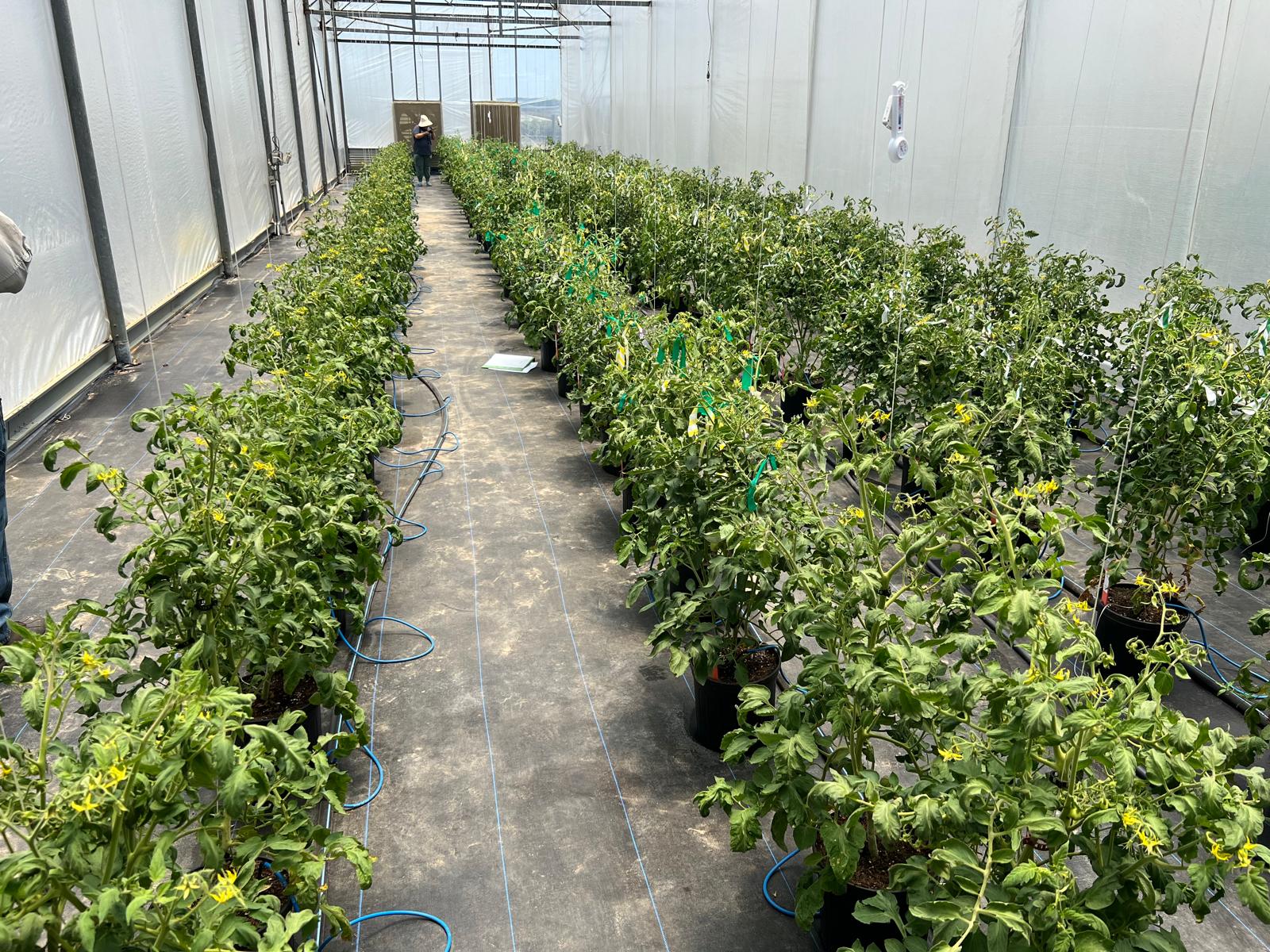
Africa’s agricultural landscape is rich with potential, offering a unique opportunity for the development of self-reliant food systems. The continent’s agribusiness sector is pivotal not only for local economies but also for global food security. Building robust domestic value chains and enhancing food security through local processing and manufacturing are essential strategies for achieving sustainability in Africa’s agricultural systems. This blog post will explore the main goals of establishing self-reliant food systems in Africa and discuss how these objectives can be realized within the AgriTech and Smart Farming sectors.
The primary goal of establishing self-reliant food systems across Africa is to reduce import dependency while enhancing food security. This can be achieved through several key strategies: strengthening domestic agricultural production, improving local processing capabilities, and increasing market access for local farmers. By fostering these initiatives, Africa can not only decrease its reliance on food imports—which currently costs the continent between $50 billion to $70 billion annually—but also promote sustainable agricultural practices and improve the livelihoods of millions of farmers.
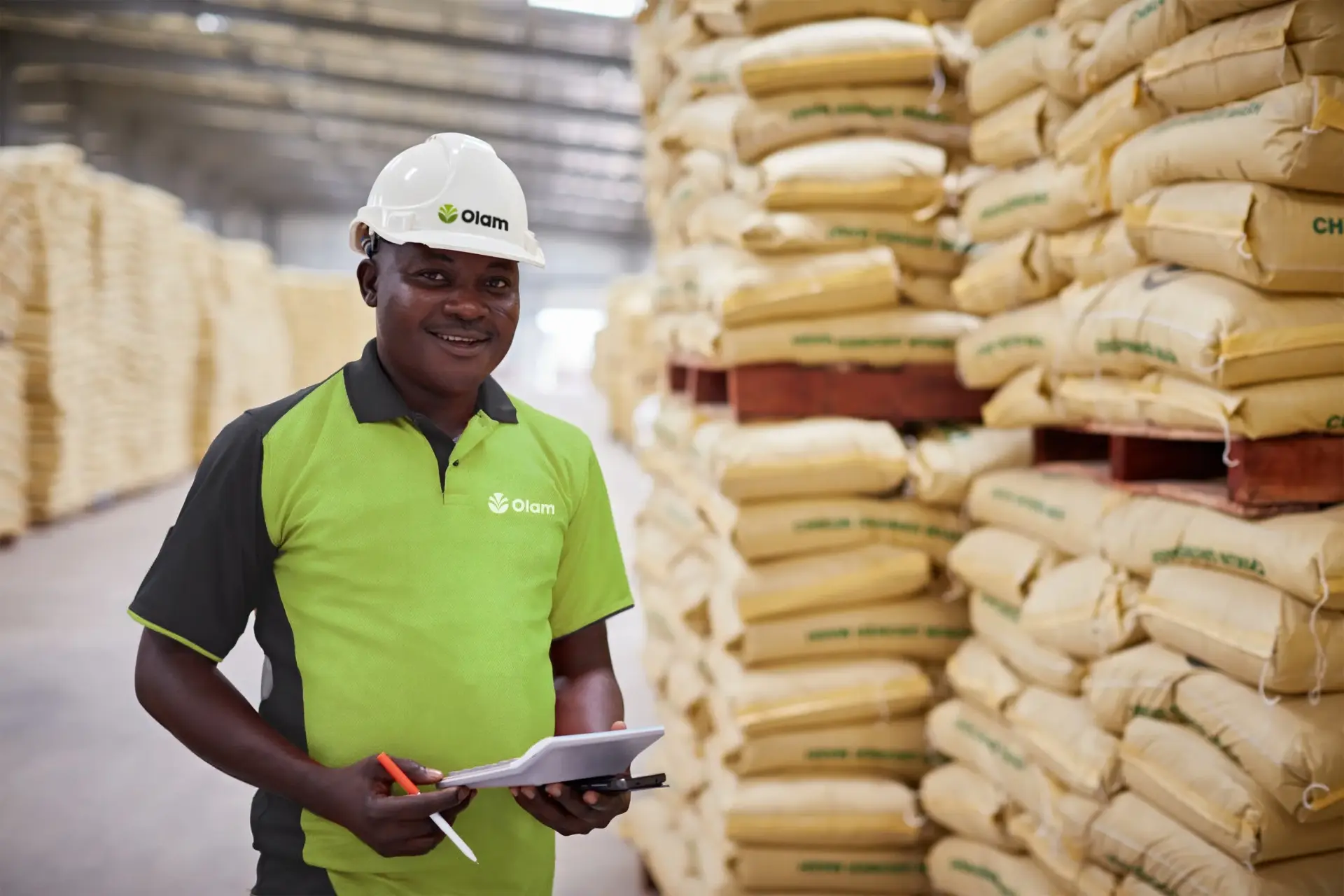
1. **Increased Production Capacity**: By investing in local agricultural production and processing infrastructure, African nations can enhance their food production capabilities. Olam Agri’s investments in facilities, such as pasta manufacturing in Ghana and soybean processing in Nigeria, exemplify how local production can be strengthened.
2. **Market Access**: Facilitating connections between over 300,000 growers and domestic and global markets helps alleviate one of the major challenges facing African farmers: the lack of market access. This connection not only stabilizes supply but also improves food availability.
3. **Job Creation**: Strengthening local value chains creates employment opportunities within communities. The establishment of processing facilities and local manufacturing units fosters job growth, supporting livelihoods and contributing to economic development.
4. **Sustainable Practices**: The emphasis on climate-smart and regenerative agricultural practices—such as the development of drought-resistant seed varieties—ensures that agriculture can adapt to changing environmental conditions. This approach not only safeguards food production but also enhances resilience against climate change.
5. **Partnerships and Collaboration**: Achieving food security necessitates collaborative efforts among governments, farmers, agribusinesses, and development partners. Such partnerships can mobilize resources and expertise, driving the transformation of food systems towards competitiveness and sustainability.
6. **Technological Integration**: The deployment of technology in agriculture enhances efficiency, traceability, and decision-making processes. Digital tools improve operational efficiency and can lead to better market outcomes for farmers.
The future of self-reliant food systems in Africa is likely to be significantly influenced by developments in artificial intelligence (AI). As AgriTech continues to evolve, AI technologies will facilitate precision farming, enabling farmers to optimize resource use, enhance crop management, and predict market trends more accurately. For instance, AI can analyze vast datasets to provide insights into soil health, weather patterns, and crop yields, thereby supporting informed decision-making.
Moreover, AI-driven platforms can enhance supply chain management by improving logistics and distribution processes, thereby reducing waste and ensuring that food reaches consumers efficiently. As a result, the integration of AI in agriculture is expected to amplify the benefits of self-reliant food systems, making them more resilient and adaptable to both market fluctuations and climatic challenges.
Building self-reliant food systems across Africa is a multifaceted endeavor that requires a concerted effort from various stakeholders within the agricultural ecosystem. By focusing on local production, enhancing market access, and investing in sustainable practices, Africa can pave the way for a more secure and resilient food future. The integration of technology, particularly AI, will further bolster these efforts, enabling AgriTech innovators to create impactful solutions that address the continent’s pressing agricultural challenges. Ultimately, a collaborative approach that leverages local knowledge and global expertise will be essential for transforming Africa’s agricultural landscape into a self-sufficient powerhouse.
Disclaimer
The content on this site is generated using AI technology that analyzes publicly available blog posts to extract and present key takeaways. We do not own, endorse, or claim intellectual property rights to the original blog content. Full credit is given to original authors and sources where applicable. Our summaries are intended solely for informational and educational purposes, offering AI-generated insights in a condensed format. They are not meant to substitute or replicate the full context of the original material. If you are a content owner and wish to request changes or removal, please contact us directly.
Source link :