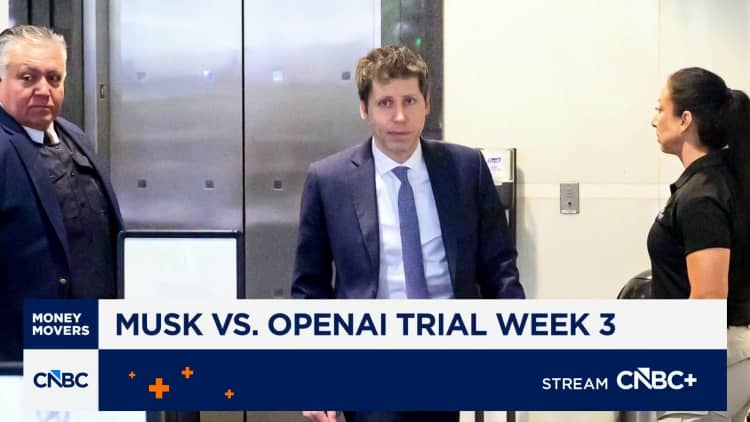
The ongoing legal proceedings surrounding the Musk v. Altman case have illuminated critical issues within the artificial intelligence (AI) sector, particularly concerning the ethical and operational frameworks of organizations like OpenAI. As AI technologies continue to permeate various industries, including finance and fintech, the implications of this trial extend beyond the courtroom into the practices and responsibilities of financial professionals. This blog post aims to contextualize the significance of the Musk v. Altman case, analyze its implications for the AI landscape in finance, and elucidate how financial professionals can navigate these emerging challenges.
The Musk v. Altman trial underscores a pivotal moment in the evolution of AI organizations, particularly those transitioning from nonprofit to for-profit models. Elon Musk’s allegations against OpenAI, including breaches of fiduciary duty and failure to adhere to nonprofit principles, raise fundamental questions about the governance and accountability of AI entities. As the jury prepares to deliberate, the outcome will serve as a benchmark for the legal expectations placed on AI organizations, especially those involved in financial applications.
The primary goal of the Musk v. Altman case is to establish a legal precedent regarding the responsibilities of AI companies in maintaining ethical practices while pursuing profitability. Achieving this goal entails determining whether OpenAI’s transition to a for-profit model constituted a breach of trust with its stakeholders, particularly its early supporters like Musk. The case, therefore, aims not only to address Musk’s claims but also to set a standard for future AI ventures, particularly in how they balance innovation with ethical obligations.
While the potential advantages are significant, it is essential to recognize the limitations inherent in the legal outcomes of the Musk v. Altman case. The advisory nature of the jury’s verdict means that ultimate decisions may still vary based on judicial interpretations. Additionally, the rapidly evolving nature of AI technologies may outpace the regulatory frameworks developed in response to this case, necessitating ongoing adaptation by financial professionals.
The implications of ongoing AI developments in finance are profound. As AI technologies continue to advance, financial institutions will increasingly rely on AI for data analysis, risk assessment, and compliance monitoring. However, the Musk v. Altman case serves as a cautionary tale, emphasizing the need for ethical governance and transparent operational practices. Future developments may lead to more robust regulatory frameworks that ensure AI technologies are deployed responsibly, fostering innovation while safeguarding stakeholder interests.
The Musk v. Altman trial exemplifies a critical intersection between legal accountability and technological innovation within the AI sector. As the jury deliberates and the implications unfold, financial professionals must remain vigilant and adaptive to the evolving landscape shaped by these proceedings. By understanding the lessons from this case, they can better navigate the challenges and opportunities presented by AI technologies in finance.
Disclaimer
The content on this site is generated using AI technology that analyzes publicly available blog posts to extract and present key takeaways. We do not own, endorse, or claim intellectual property rights to the original blog content. Full credit is given to original authors and sources where applicable. Our summaries are intended solely for informational and educational purposes, offering AI-generated insights in a condensed format. They are not meant to substitute or replicate the full context of the original material. If you are a content owner and wish to request changes or removal, please contact us directly.
Source link :