Context of Sustainable Agriculture in China
The discussion surrounding sustainable agriculture in China has gained significant traction in recent years, particularly in light of government initiatives aimed at enhancing agricultural practices through biological and environmentally friendly methods. In a recent episode of the Sustainable Podcast by AgriBusiness Global, Ruoyan Li, the Director of Strategy & Development at Chengdu Newsun Crop Science Co., Ltd., elaborates on the dynamics shaping this transformation. The conversation addresses the evolving landscape of sustainable agriculture, detailing the barriers faced by Chinese growers in adopting biological products and the strategies that can be employed to surmount these challenges.
Main Goals of Sustainable Agriculture
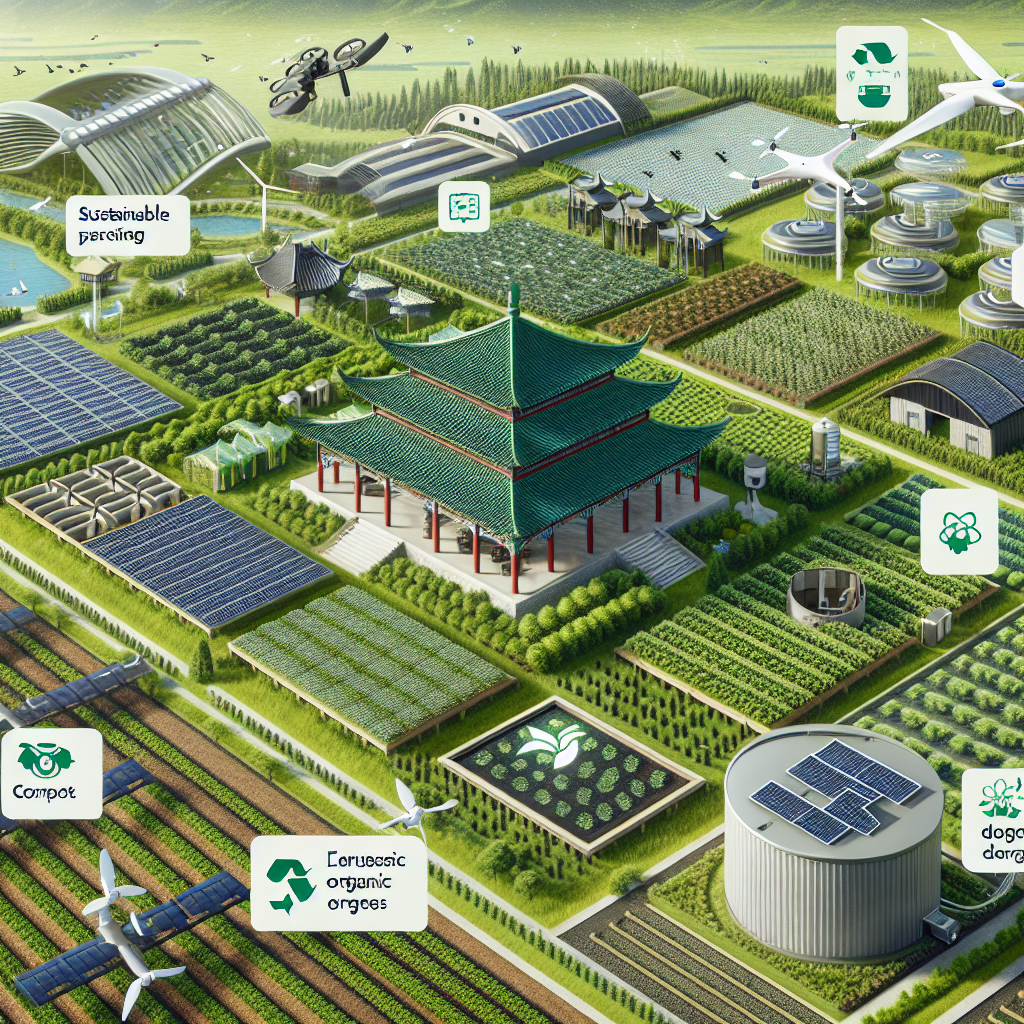
The primary objective of promoting sustainable agriculture in China is to transition from traditional farming practices that heavily rely on chemical inputs toward more sustainable methods that emphasize ecological balance and resource efficiency. This goal can be achieved through several avenues: strong policy frameworks, financial incentives, and education aimed at growers. The Chinese government plays a pivotal role by providing policy guidance and financial backing to enterprises that invest in research and development of biological technologies. These efforts are crucial to fostering innovation and ensuring that agricultural practices meet the evolving needs of farmers.
Advantages of Sustainable Agriculture Adoption
- Enhanced Crop Yields and Nutritional Value: Adoption of biological products, such as biostimulants and bio-plant growth regulators (bio-PGRs), has demonstrated significant potential in enhancing crop yields and nutritional profiles, particularly in high-value crops.
- Environmental Health: Transitioning to sustainable practices reduces reliance on chemical pesticides, mitigating the risks associated with pesticide resistance and promoting biodiversity.
- Economic Incentives: Government subsidies for farmers who implement sustainable practices improve economic viability and promote wider acceptance of biological solutions.
- Long-term Viability: Sustainable agriculture practices contribute to soil health and ecosystem stability, ensuring that agricultural lands remain productive over the long term.
However, it is essential to recognize the limitations associated with these advantages. The initial costs of transitioning to biological products can deter smallholder farmers, and the fragmented nature of farming in China complicates the implementation of these practices.
Future Implications and the Role of AI
Looking ahead, the integration of Artificial Intelligence (AI) into agricultural practices holds immense potential to further enhance the sustainability of farming in China. AI technologies can facilitate precision agriculture by enabling farmers to monitor crop health, optimize resource use, and predict pest infestations. The ability to analyze large datasets can improve decision-making processes, thereby increasing the efficacy of biological products and sustainable practices.
Moreover, AI can assist in streamlining regulatory processes, making it easier for new biological products to be approved and adopted. As the agricultural sector continues to evolve, the synergy between sustainable practices and technological advancements will likely play a crucial role in shaping the future of agriculture in China and beyond.
Disclaimer
The content on this site is generated using AI technology that analyzes publicly available blog posts to extract and present key takeaways. We do not own, endorse, or claim intellectual property rights to the original blog content. Full credit is given to original authors and sources where applicable. Our summaries are intended solely for informational and educational purposes, offering AI-generated insights in a condensed format. They are not meant to substitute or replicate the full context of the original material. If you are a content owner and wish to request changes or removal, please contact us directly.
Source link :