
Contextual Overview Salesforce has recently launched a significantly upgraded version of its workplace assistant, Slackbot, marking an essential shift in enterprise AI capabilities. This transformation elevates Slackbot from a basic notification system to a sophisticated AI agent. The newly rebuilt Slackbot is designed to integrate seamlessly with enterprise data sources, drafting documents, and executing tasks on behalf of users. This initiative positions Salesforce strategically in the competitive landscape dominated by major players like Microsoft and Google, particularly in the “agentic AI” domain, where software agents cooperatively assist human users in completing complex tasks. Main Goal and Achievement Strategy The primary objective of this overhaul is to enhance Slackbot’s functionality to better support enterprise workflows, thereby improving productivity and collaboration among employees. This goal can be achieved through the deployment of advanced artificial intelligence techniques, particularly the integration of large language models (LLMs) and robust search capabilities. By leveraging these technologies, Slackbot can now provide personalized assistance based on user context, thus streamlining various tasks and facilitating more efficient communication. Structured Advantages of the New Slackbot Enhanced Functionality: The new Slackbot is built on an advanced architecture that integrates LLMs, enabling it to perform complex operations that were not possible with the previous version. Time Savings: Internal testing revealed that employees using the revamped Slackbot can save between two to 20 hours per week, which underscores its efficiency in handling routine tasks. High User Satisfaction: The internal adoption rate has been notably high, with a reported 96% satisfaction level among users, indicating a strong positive reception of its capabilities. Seamless Integration: The new Slackbot operates within the existing Slack environment, allowing users to access its features without extensive setup or learning curves, thereby enhancing user experience. Data Security Assurance: Salesforce has emphasized that the Slackbot does not utilize customer data for training its models, ensuring that sensitive information remains confidential and secure. Important Caveats and Limitations Despite its advancements, there are several caveats to consider. First, while the Slackbot is available at no additional cost for certain Salesforce plans, some customers may face increased fees related to data access and API usage. Additionally, not all features are fully developed at launch, which may limit its immediate applicability for some users. Moreover, while Slackbot aims to serve as a “super agent,” the coordination among multiple AI agents is still in its infancy, implying potential limitations in cross-agent interactions. Future Implications of AI Developments The launch of the new Slackbot signifies a pivotal moment in the integration of AI within enterprise tools, suggesting a future where conversational AI becomes the standard for workplace interactions. As companies increasingly adopt AI-driven solutions, the emphasis will likely shift towards creating more intuitive and context-aware systems. Innovations in AI, particularly in areas such as natural language processing and machine learning, are expected to further enhance the capabilities of tools like Slackbot, enabling them to provide even deeper insights and support for complex decision-making processes. This trend will likely pave the way for a more integrated and efficient work environment, where AI serves as an indispensable partner in daily operations, thus redefining how employees interact with technology. Disclaimer The content on this site is generated using AI technology that analyzes publicly available blog posts to extract and present key takeaways. We do not own, endorse, or claim intellectual property rights to the original blog content. Full credit is given to original authors and sources where applicable. Our summaries are intended solely for informational and educational purposes, offering AI-generated insights in a condensed format. They are not meant to substitute or replicate the full context of the original material. If you are a content owner and wish to request changes or removal, please contact us directly. Source link : Click Here
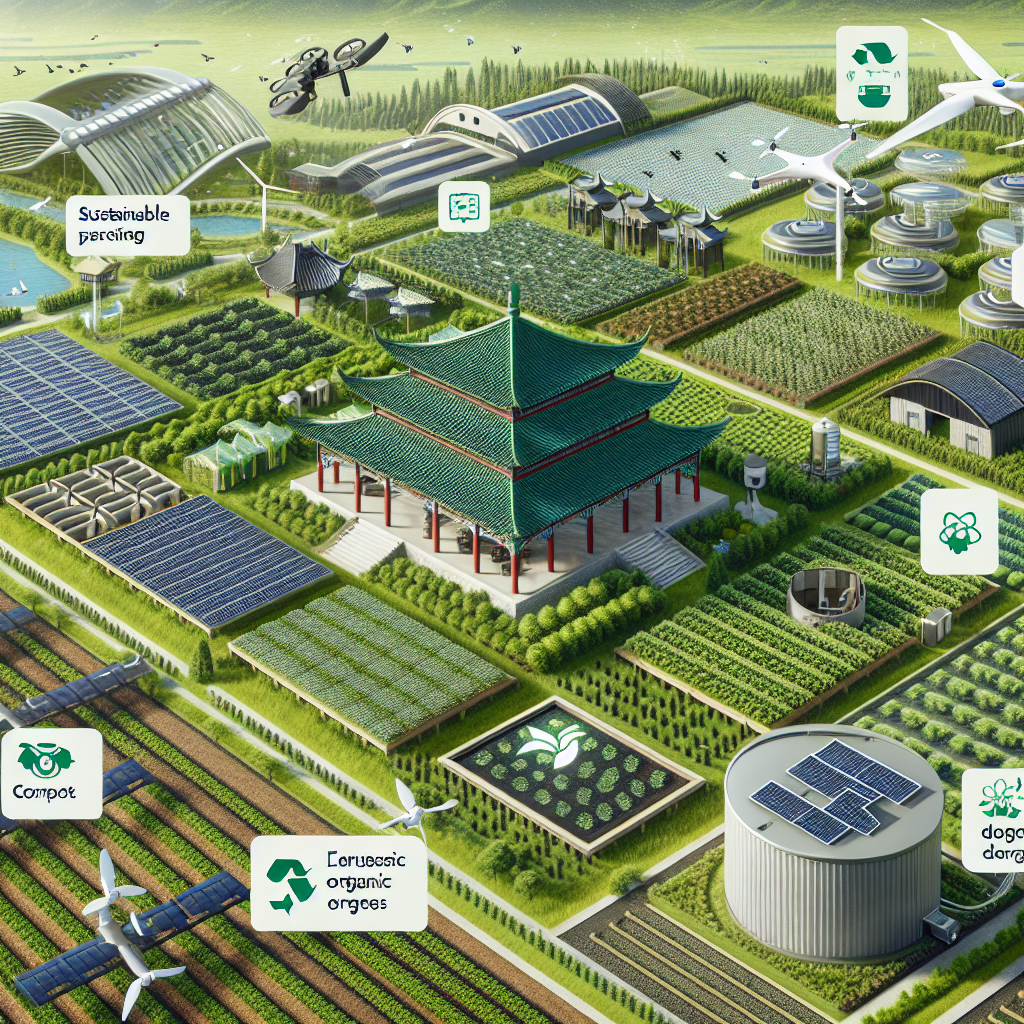
Context of Sustainable Agriculture in China The discussion surrounding sustainable agriculture in China has gained significant traction in recent years, particularly in light of government initiatives aimed at enhancing agricultural practices through biological and environmentally friendly methods. In a recent episode of the Sustainable Podcast by AgriBusiness Global, Ruoyan Li, the Director of Strategy & Development at Chengdu Newsun Crop Science Co., Ltd., elaborates on the dynamics shaping this transformation. The conversation addresses the evolving landscape of sustainable agriculture, detailing the barriers faced by Chinese growers in adopting biological products and the strategies that can be employed to surmount these challenges. Main Goals of Sustainable Agriculture The primary objective of promoting sustainable agriculture in China is to transition from traditional farming practices that heavily rely on chemical inputs toward more sustainable methods that emphasize ecological balance and resource efficiency. This goal can be achieved through several avenues: strong policy frameworks, financial incentives, and education aimed at growers. The Chinese government plays a pivotal role by providing policy guidance and financial backing to enterprises that invest in research and development of biological technologies. These efforts are crucial to fostering innovation and ensuring that agricultural practices meet the evolving needs of farmers. Advantages of Sustainable Agriculture Adoption Enhanced Crop Yields and Nutritional Value: Adoption of biological products, such as biostimulants and bio-plant growth regulators (bio-PGRs), has demonstrated significant potential in enhancing crop yields and nutritional profiles, particularly in high-value crops. Environmental Health: Transitioning to sustainable practices reduces reliance on chemical pesticides, mitigating the risks associated with pesticide resistance and promoting biodiversity. Economic Incentives: Government subsidies for farmers who implement sustainable practices improve economic viability and promote wider acceptance of biological solutions. Long-term Viability: Sustainable agriculture practices contribute to soil health and ecosystem stability, ensuring that agricultural lands remain productive over the long term. However, it is essential to recognize the limitations associated with these advantages. The initial costs of transitioning to biological products can deter smallholder farmers, and the fragmented nature of farming in China complicates the implementation of these practices. Future Implications and the Role of AI Looking ahead, the integration of Artificial Intelligence (AI) into agricultural practices holds immense potential to further enhance the sustainability of farming in China. AI technologies can facilitate precision agriculture by enabling farmers to monitor crop health, optimize resource use, and predict pest infestations. The ability to analyze large datasets can improve decision-making processes, thereby increasing the efficacy of biological products and sustainable practices. Moreover, AI can assist in streamlining regulatory processes, making it easier for new biological products to be approved and adopted. As the agricultural sector continues to evolve, the synergy between sustainable practices and technological advancements will likely play a crucial role in shaping the future of agriculture in China and beyond. Disclaimer The content on this site is generated using AI technology that analyzes publicly available blog posts to extract and present key takeaways. We do not own, endorse, or claim intellectual property rights to the original blog content. Full credit is given to original authors and sources where applicable. Our summaries are intended solely for informational and educational purposes, offering AI-generated insights in a condensed format. They are not meant to substitute or replicate the full context of the original material. If you are a content owner and wish to request changes or removal, please contact us directly. Source link : Click Here

Contextualizing the Supply Chain Challenge The intricacies of supply chain management often remain obscured by the reliance on traditional tools, such as spreadsheets. The case of a national TV campaign for a leading apparel line illustrates this problem. A demand planner updated sales forecasts on a Tuesday morning; however, the supply team did not receive this critical information until eleven days later, during a monthly meeting. By that time, the factory lead time had lapsed, resulting in empty shelves at two outlet stores during the campaign’s launch. Consequently, the Vice President of Marketing noted significant revenue losses due to insufficient inventory, highlighting a systemic issue that transcends mere technology—it reflects the organizational structures that govern interdepartmental communication. Understanding Integrated Business Planning Integrated Business Planning (IBP), also known as Sales and Operations Planning (S&OP), is designed to align sales forecasts with actual product availability on shelves. This process aims to bridge the gap between different teams, facilitating a smoother transition from demand planning to supply chain execution. Yet, the fragmented nature of information sharing in many organizations undermines the objectives of IBP. In a typical spreadsheet environment, teams operate in silos, relying on separate copies of data that inhibit timely communication and decision-making. Main Goals and Achievements The primary goal articulated in the original post is to streamline communication and enhance responsiveness within the supply chain through connected planning platforms. This transformation can be achieved by adopting integrated systems that allow for real-time data sharing and collaboration across departments. Such systems minimize the delays associated with manual processes, enabling teams to act on forecasts almost instantaneously, thereby preventing costly misalignments. Advantages of Implementing a Connected Planning Platform Reduced Lead Time: The transition from a two-week delay to a same-day action plan demonstrates the efficiency gains achievable through integrated platforms. In the case of SupFashion, the end-to-end cycle time was reduced from 14 days to less than 24 hours, significantly improving operational agility. Real-Time Data Visibility: A connected platform provides stakeholders with immediate access to updated forecasts, ensuring that all teams are aligned in their planning efforts. This visibility mitigates the risks associated with outdated information, which can lead to stockouts or overstock situations. Improved Collaboration: By facilitating seamless communication across teams, organizations can foster a culture of collaboration. For instance, the case study showed that teams could work together in real-time, eliminating the need for multiple meetings and reducing errors that arise from manual data entry. Cost Savings: The financial implications of improved planning are significant. The original scenario highlighted tens of thousands of dollars lost due to inventory shortages; however, with a connected platform, retailers can avoid such pitfalls, preserving revenue streams and enhancing profitability. Caveats and Limitations While the benefits of transitioning to a connected planning platform are substantial, organizations must also consider potential limitations. Implementation may require significant investment in technology and training. Moreover, the initial disruption during the transition phase could temporarily affect productivity as teams adapt to new processes. It is crucial for organizations to carefully plan the rollout of such systems to mitigate these challenges. Future Implications of AI in Supply Chain Management As advancements in artificial intelligence (AI) continue to evolve, their impact on supply chain management will likely be profound. AI-driven analytics can enhance demand forecasting accuracy, enabling organizations to predict consumer behavior more effectively. Moreover, machine learning algorithms can optimize inventory management by analyzing historical data patterns to determine the most efficient stock levels. The integration of AI with connected planning platforms can further streamline operations, providing organizations with a competitive edge in an increasingly dynamic market. Conclusion In conclusion, the transition from traditional spreadsheet-based planning to a connected platform can revolutionize supply chain management. By addressing the systemic issues in interdepartmental communication and enhancing data visibility, organizations can not only improve operational efficiency but also safeguard their bottom lines. As AI technologies continue to advance, they will undoubtedly play a pivotal role in shaping the future of integrated business planning, offering unprecedented opportunities for optimization and growth. Disclaimer The content on this site is generated using AI technology that analyzes publicly available blog posts to extract and present key takeaways. We do not own, endorse, or claim intellectual property rights to the original blog content. Full credit is given to original authors and sources where applicable. Our summaries are intended solely for informational and educational purposes, offering AI-generated insights in a condensed format. They are not meant to substitute or replicate the full context of the original material. If you are a content owner and wish to request changes or removal, please contact us directly. Source link : Click Here

Introduction OpenClaw has emerged as a significant tool in the realm of open-source agent systems, providing a multifaceted platform for automating tasks and enhancing productivity. The system integrates various applications and services, allowing users to trigger actions through messaging platforms like Telegram, WhatsApp, and Discord. This integration signifies a shift in how artificial intelligence (AI) interacts with users, moving beyond simple conversational interfaces to offer tangible productivity solutions. This blog explores the practical applications of OpenClaw, particularly in the context of Natural Language Understanding (NLU) and its implications for professionals in the field. Main Goal and Achievements The primary objective of OpenClaw is to streamline workflows by automating routine tasks and facilitating interaction between multiple digital tools. This is achieved through the deployment of AI-driven agents that can perform specific functions based on user-defined parameters. By leveraging large language models (LLMs), OpenClaw enhances the capabilities of these agents to analyze and summarize information, thereby providing users with actionable insights without the need for manual data sifting. This functionality is particularly beneficial for Natural Language Understanding scientists who require efficient methods for data collection, analysis, and reporting. Structured Advantages of OpenClaw Enhanced Productivity: OpenClaw automates repetitive tasks, reducing the time spent on mundane activities. For instance, finance and trading bots can deliver real-time market insights, allowing analysts to focus on strategic decision-making. Seamless Integration: The ability to connect various messaging platforms streamlines communication and task management. This integration minimizes the context-switching often encountered in multi-tool environments. Customized Workflows: Users can tailor workflows to fit specific needs, leveraging multiple agents for distinct roles, such as planning, execution, and reporting. This modular approach enhances overall efficiency. Memory and Knowledge Management: OpenClaw serves as a personal memory system, enabling users to capture and retrieve valuable information effortlessly, thereby supporting ongoing projects and research initiatives. Research Optimization: By automating the research process, OpenClaw allows researchers to aggregate, summarize, and organize data, significantly reducing the time needed to synthesize information from multiple sources. Caveats and Limitations While OpenClaw presents numerous advantages, it is essential to recognize potential limitations. The reliance on AI and automation may lead to reduced human oversight in critical decision-making processes. Additionally, the effectiveness of OpenClaw is contingent on the quality of the underlying language models and the accuracy of the data inputs. Users may also require technical expertise to configure and optimize the system, which could pose a barrier to widespread adoption among non-technical users. Future Implications The trajectory of AI development suggests a transformative impact on Natural Language Understanding and related fields. As OpenClaw and similar systems evolve, the potential for more sophisticated interactions between humans and machines will increase. Enhanced capabilities in natural language processing will likely lead to more intuitive and responsive agent systems, capable of understanding complex queries and providing nuanced insights. For Natural Language Understanding scientists, this evolution represents an opportunity to refine research methodologies and improve data-driven decision-making processes, ultimately driving innovation in various sectors. Conclusion OpenClaw exemplifies the potential of integrating AI with everyday workflows, offering a glimpse into the future of productivity tools. By automating tasks and enabling seamless interactions across platforms, it empowers users to focus on higher-level responsibilities. As the landscape of natural language processing continues to advance, tools like OpenClaw will play a crucial role in shaping how professionals engage with technology, driving efficiency and innovation in their respective fields. Disclaimer The content on this site is generated using AI technology that analyzes publicly available blog posts to extract and present key takeaways. We do not own, endorse, or claim intellectual property rights to the original blog content. Full credit is given to original authors and sources where applicable. Our summaries are intended solely for informational and educational purposes, offering AI-generated insights in a condensed format. They are not meant to substitute or replicate the full context of the original material. If you are a content owner and wish to request changes or removal, please contact us directly. Source link : Click Here

Contextual Background In recent developments concerning online security, the trading platform Robinhood faced exploitation due to vulnerabilities in its account creation process. This incident involved threat actors manipulating the system to send deceptive phishing emails, thereby misleading users regarding unauthorized activities pertaining to their accounts. The phishing emails, which appeared to originate from legitimate Robinhood addresses, had alarming content suggesting that an “Unrecognized Device Linked to Your Account” was detected. These messages urged recipients to review their account activity immediately. Main Goal of Addressing the Vulnerability The primary objective of identifying and rectifying the account creation flaw is to enhance the security framework of digital platforms like Robinhood. By eliminating the potential for unauthorized manipulation of account-related communications, organizations can significantly mitigate the risks associated with phishing attacks. Achieving this goal necessitates a comprehensive review and overhaul of existing security protocols, particularly those governing user onboarding processes. Advantages of Addressing Vulnerabilities Enhanced User Trust: By promptly addressing security flaws, companies reinforce user confidence. The swift response by Robinhood to rectify the HTML injection vulnerability demonstrates a commitment to user safety, which can foster trust and loyalty among customers. Reduction in Phishing Incidents: Fixing the account creation process minimizes the avenues available for threat actors to launch phishing attacks. By implementing more stringent validation measures, organizations can curtail the effectiveness of these malicious tactics. Regulatory Compliance: Organizations operating in the financial sector must adhere to stringent regulatory standards regarding data protection. Effective remediation of vulnerabilities not only helps in compliance but also protects the organization from potential legal repercussions. Improved Security Infrastructure: Addressing such vulnerabilities necessitates a holistic review of the security architecture, leading to a more resilient system overall. This proactive approach can prevent similar incidents in the future. Limitations and Caveats While addressing vulnerabilities is crucial, it is important to recognize inherent limitations. For instance, the evolving nature of cyber threats means that new vulnerabilities may arise even after existing ones are mitigated. Additionally, the implementation of enhanced security measures may lead to increased friction in user onboarding, potentially deterring new users from signing up. Future Implications of AI in Cybersecurity The rapid advancements in artificial intelligence (AI) are poised to significantly reshape the landscape of cybersecurity. As AI technologies evolve, they are expected to enhance the detection and prevention of phishing attacks and other cyber threats through advanced analytics that identify patterns and anomalies in user behavior. Furthermore, AI-driven systems can automate the monitoring of account activities, providing real-time alerts for suspicious actions, thereby enhancing overall security. However, while AI presents numerous advantages, it also introduces new challenges, such as the potential for adversarial attacks against AI systems themselves. Disclaimer The content on this site is generated using AI technology that analyzes publicly available blog posts to extract and present key takeaways. We do not own, endorse, or claim intellectual property rights to the original blog content. Full credit is given to original authors and sources where applicable. Our summaries are intended solely for informational and educational purposes, offering AI-generated insights in a condensed format. They are not meant to substitute or replicate the full context of the original material. If you are a content owner and wish to request changes or removal, please contact us directly. Source link : Click Here


