The Optimal Cultivation Strategies for Greenhouse Crops in February

Contextualizing Greenhouse Utilization in February

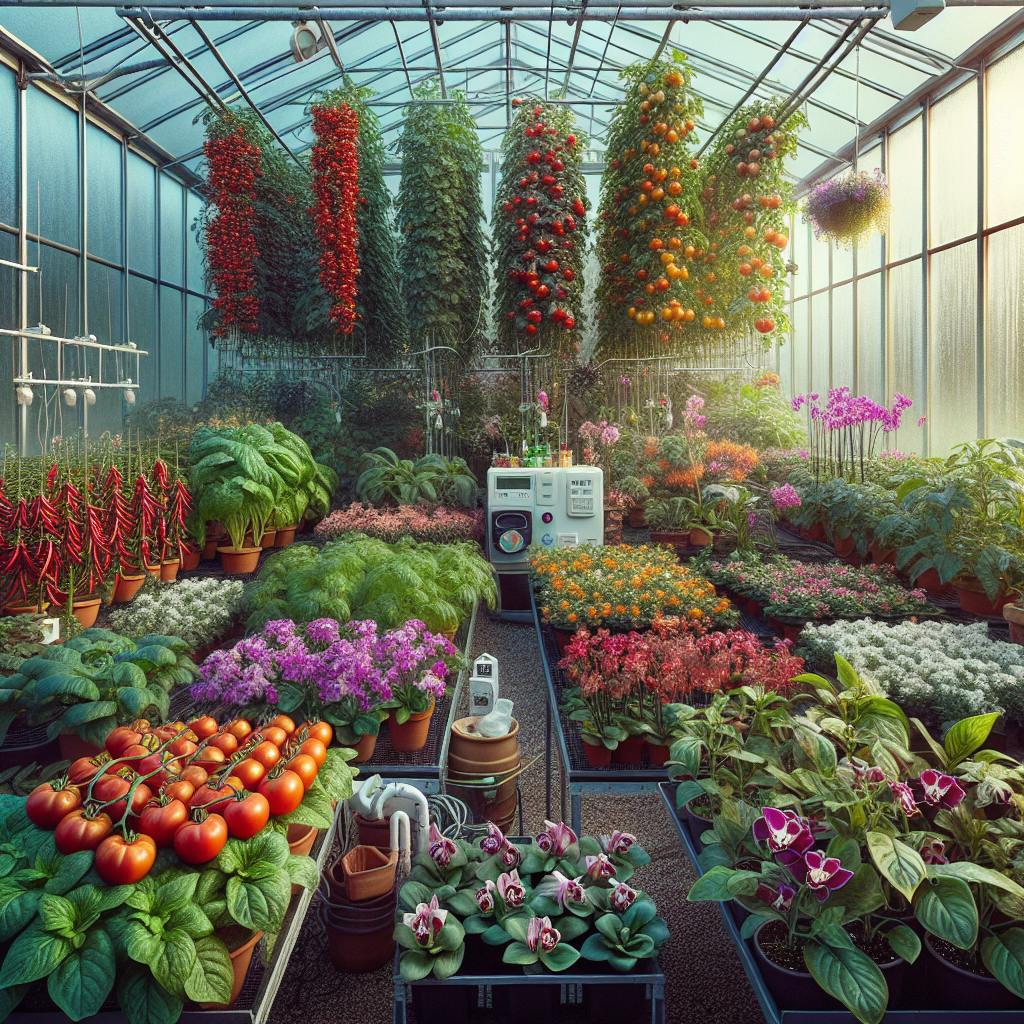
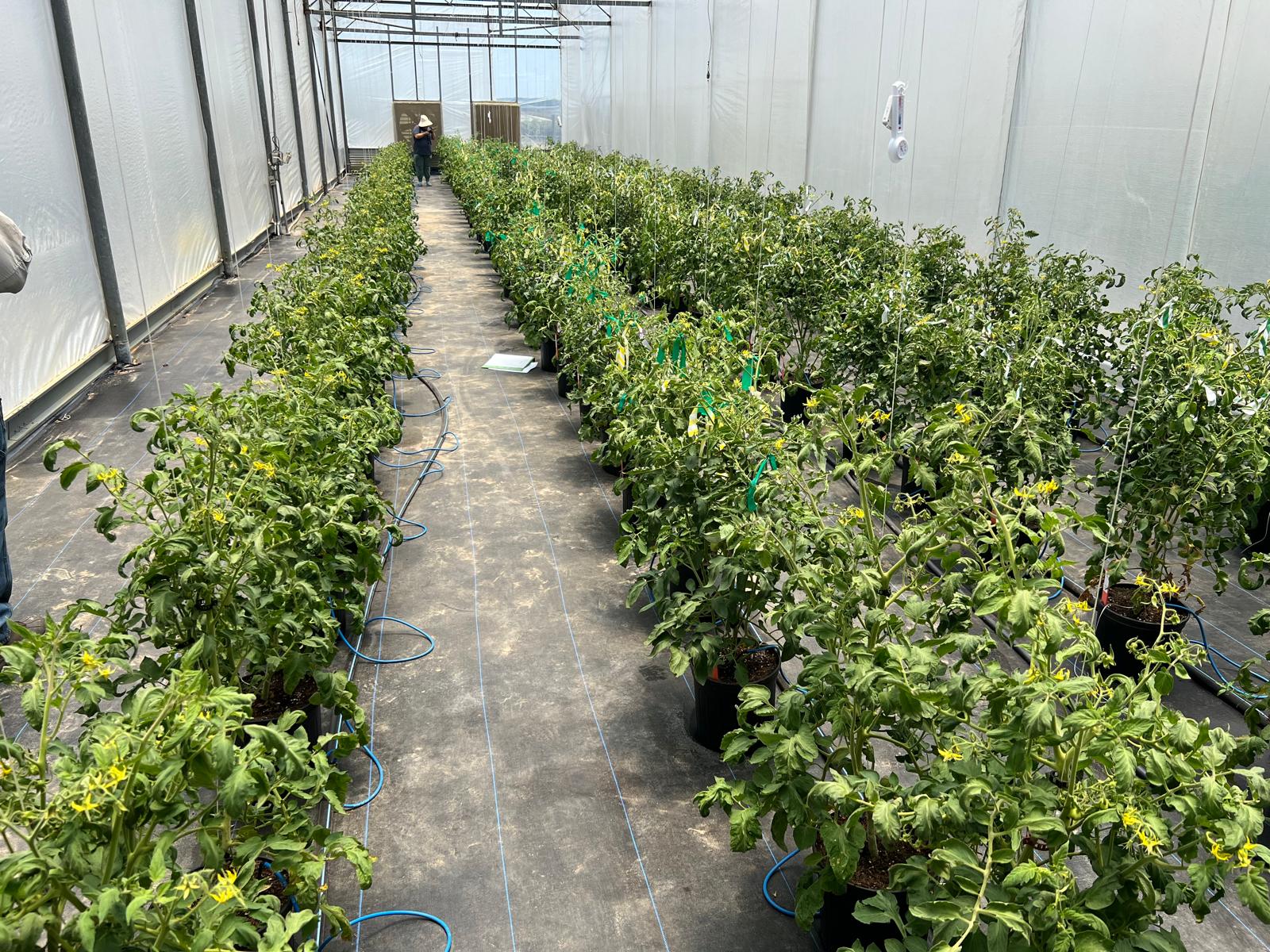
In February, agricultural activities in many regions are significantly subdued due to winter’s harsh conditions, with snow blanketing the ground and temperatures often dipping below freezing. During this dormant phase, agricultural producers face challenges in maintaining productivity, as most outdoor crops are inactive. However, the greenhouse environment presents an opportunity for continued agricultural activity, allowing for the cultivation of late spring transplants and fast-maturing crops that cater to early market demands. The effectiveness of greenhouse production is contingent upon the specific climatic conditions of the region and the type of greenhouse infrastructure employed. Farmers can optimize their operations by utilizing various greenhouse types, irrespective of their technological sophistication.

Main Goal and Its Achievement

The primary objective presented in the original post is to maximize agricultural productivity in February by leveraging greenhouse technology. This can be achieved by initiating the growth of crops that benefit from a controlled environment, such as tomatoes and peppers, which require consistent warmth and moisture. To facilitate this, farmers must ensure that their greenhouses are adequately equipped to maintain optimal temperature and humidity levels, enhancing germination and growth rates. The strategic planning of crop selection, coupled with timely execution, can significantly boost yield potential during the otherwise dormant winter months.

Advantages and Evidence-Based Assertions

  • Extended Growing Season: Greenhouses allow for the cultivation of crops outside of their natural growing seasons, effectively extending the agricultural calendar. This is particularly advantageous in regions with harsh winters.
  • Controlled Environment: The enclosure of a greenhouse provides a stable climate, reducing exposure to extreme weather conditions. This control aids in minimizing plant stress, which can lead to higher yields.
  • Pest and Disease Management: A greenhouse setting can mitigate pest intrusion and disease spread, particularly during the winter months, offering a protective barrier against common agricultural threats.
  • Resource Efficiency: Greenhouses can optimize resource usage, including water and nutrients, through advanced irrigation and climate control systems that minimize waste.

It is crucial to note, however, that not all greenhouse types offer the same benefits. For instance, simpler structures may lack the necessary ventilation and climate control features that more sophisticated greenhouses possess, which can limit their effectiveness in maintaining optimal growing conditions.

Future Implications of AI in Greenhouse Management

Looking ahead, advancements in artificial intelligence (AI) are poised to revolutionize greenhouse management practices. AI technologies can enhance data collection and analysis, allowing for more precise monitoring of environmental conditions such as temperature, humidity, and soil moisture. Smart sensors and IoT devices can facilitate real-time adjustments to greenhouse conditions, optimizing plant growth and resource utilization. Furthermore, predictive analytics can assist farmers in making informed decisions regarding crop selection and management strategies, ultimately improving productivity and sustainability in the agricultural sector.

Disclaimer

The content on this site is generated using AI technology that analyzes publicly available blog posts to extract and present key takeaways. We do not own, endorse, or claim intellectual property rights to the original blog content. Full credit is given to original authors and sources where applicable. Our summaries are intended solely for informational and educational purposes, offering AI-generated insights in a condensed format. They are not meant to substitute or replicate the full context of the original material. If you are a content owner and wish to request changes or removal, please contact us directly.

Source link :

Click Here

How We Help

Our comprehensive technical services deliver measurable business value through intelligent automation and data-driven decision support. By combining deep technical expertise with practical implementation experience, we transform theoretical capabilities into real-world advantages, driving efficiency improvements, cost reduction, and competitive differentiation across all industry sectors.

We'd Love To Hear From You

Transform your business with our AI.

Get In Touch