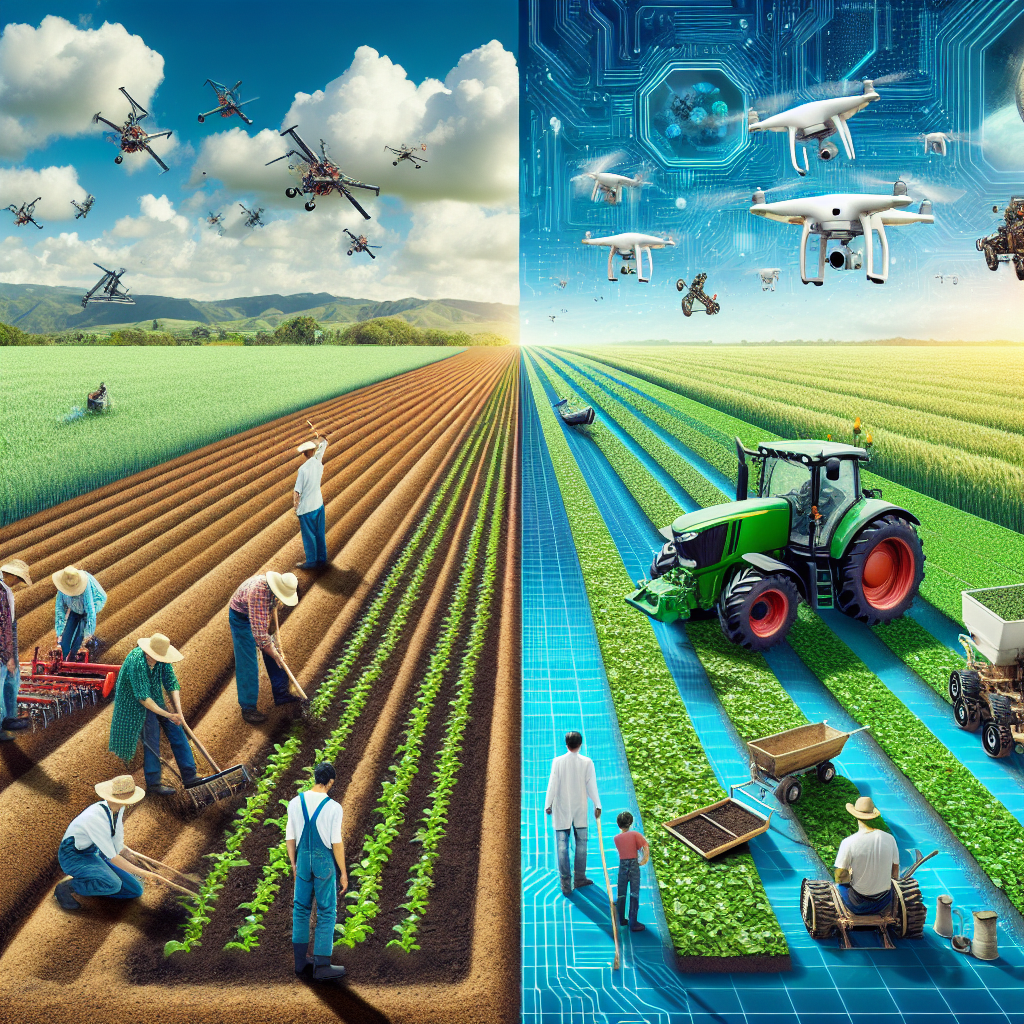
The agricultural technology (AgriTech) sector is undergoing a transformative phase, characterized by significant advancements and investment opportunities. The recent launch of Yield Energy’s farm-based grid flexibility platform and the establishment of a $500 million farmland fund by Lucerne Capital represent pivotal movements within this arena. These developments align with a broader trend in which innovative financing and technology integration are reshaping the agricultural landscape. Such initiatives not only enhance operational efficiencies but also contribute to sustainability and resilience in farming practices.
The primary objective of the aforementioned initiatives is to facilitate the integration of renewable energy solutions into agricultural operations, thereby enhancing energy independence and sustainability for farmers. This can be achieved through several strategies:
1. **Investment in Innovative Technologies**: By backing platforms that enable farmers to monetize their renewable energy sources, stakeholders can promote a transition towards a more sustainable energy model.
2. **Facilitating Access to Capital**: The establishment of dedicated funds, such as the $500 million farmland fund, allows for the financing of projects that integrate advanced technologies and sustainable practices, ultimately leading to higher yields and improved resource management.
3. **Encouraging Collaborative Partnerships**: Forming strategic alliances between AgriTech companies and traditional agricultural stakeholders can accelerate the adoption of innovative practices and technologies.
The recent developments in the AgriTech sector present multiple advantages that can significantly benefit AgriTech innovators:
1. **Enhanced Sustainability**: The farm-based grid platform promotes the use of renewable energy, reducing carbon footprints and contributing to environmental sustainability.
2. **Economic Viability**: Investments in AgriTech not only support farmers financially but also enhance the overall economic viability of agricultural practices through improved efficiency and productivity.
3. **Scalability of Solutions**: The influx of capital into the sector, as evidenced by various funding rounds, allows for the scalability of successful AgriTech solutions across different geographical regions and farming contexts.
4. **Support for Innovation**: The focus on innovative partnerships and technology development encourages a culture of continuous improvement and adaptation, essential for the evolving agricultural landscape.
5. **Empowerment through Data**: The integration of AI and data analytics in AgriTech enables farmers to make informed decisions, optimizing resource allocation and crop management.
While these advantages are significant, it is important to acknowledge certain limitations. For instance, the reliance on advanced technologies may pose barriers for small-scale farmers who lack access to necessary resources and training.
As the AgriTech sector continues to evolve, the integration of artificial intelligence (AI) is expected to play a pivotal role in shaping future agricultural practices. AI technologies can enhance predictive analytics, enabling farmers to anticipate market trends, climatic changes, and crop performance. Consequently, such advancements will lead to:
1. **Precision Agriculture**: AI can facilitate precise resource application, thereby minimizing waste and maximizing yields. The use of drones and automated systems powered by AI will revolutionize crop monitoring and management.
2. **Improved Supply Chain Management**: AI-driven solutions can optimize supply chain dynamics, ensuring that agricultural products reach consumers more efficiently. This will reduce food waste and increase profitability for farmers.
3. **Enhanced Adaptation Strategies**: With climate change posing significant challenges to agriculture, AI can assist in developing adaptive strategies, ensuring that farming practices remain resilient in the face of environmental shifts.
In conclusion, the recent developments in the AgriTech sector underscore the critical intersection of innovation, sustainability, and investment. As stakeholders leverage these advancements, the future of agriculture appears increasingly promising, driven by a commitment to efficiency, resilience, and technological integration.
Disclaimer
The content on this site is generated using AI technology that analyzes publicly available blog posts to extract and present key takeaways. We do not own, endorse, or claim intellectual property rights to the original blog content. Full credit is given to original authors and sources where applicable. Our summaries are intended solely for informational and educational purposes, offering AI-generated insights in a condensed format. They are not meant to substitute or replicate the full context of the original material. If you are a content owner and wish to request changes or removal, please contact us directly.
Source link :