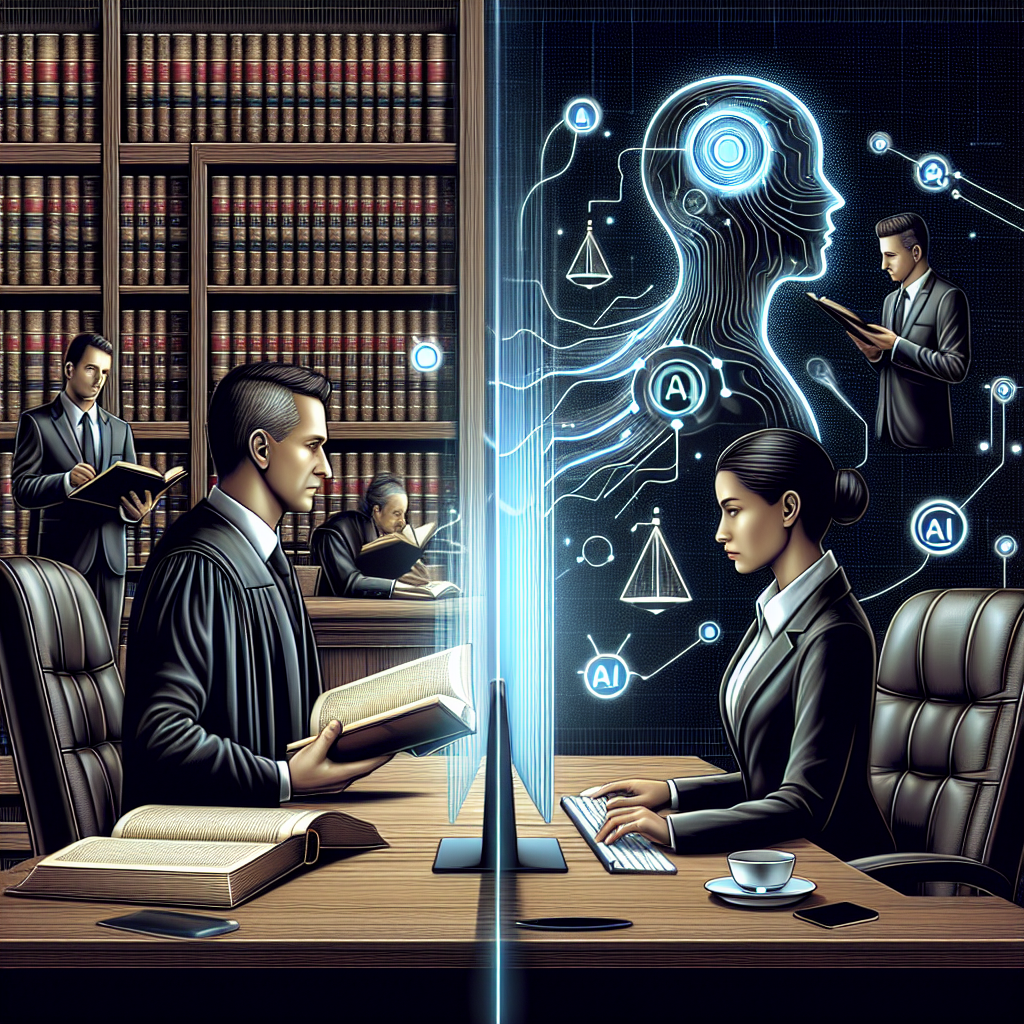
The evolution of communication technologies has necessitated a reevaluation of existing legal frameworks, particularly those concerning telecommunication practices. The Telephone Consumer Protection Act (TCPA) of 1991 exemplifies such legislation, which was originally designed to regulate telemarketing calls. However, as communication mediums expand and converge, the effectiveness and applicability of the TCPA come into question, especially in the context of modern technologies including text messaging and multimedia messaging services. This blog post seeks to analyze the implications of the recent legal case, Howard v. Republican National Committee, to elucidate how evolving communication forms challenge traditional regulatory frameworks, particularly within the LegalTech and AI sectors.
The TCPA was enacted with the intent to protect consumers from intrusive telemarketing practices. It specifically restricts the use of artificial or prerecorded voices in making or initiating calls to residential lines and cellular phones. However, the emergence of text messaging and multimedia communications creates complexities not anticipated at the time of the Act’s inception. The case of Howard v. RNC raises pertinent questions about whether sending a multimedia text message constitutes a “call” under the TCPA. The court ruled that a text message can be considered a call, reaffirming existing legal precedents, yet it simultaneously highlighted the limitations of the TCPA in addressing contemporary communication forms.
The primary aim of the TCPA is to safeguard consumer privacy by regulating unwanted telemarketing communications. This goal can be achieved by adapting the statute to include emerging forms of communication, such as text messages enriched with multimedia content. The decision in Howard v. RNC underscores the necessity for legal frameworks to evolve in tandem with technological advancements, ensuring consumer protections remain robust in an increasingly digital landscape.
Despite the advantages outlined, there are limitations to adapting the TCPA. For instance, the rapid pace of technological advancement may outstrip legislative processes, leading to potential gaps in regulation. Moreover, any changes to the TCPA must carefully consider constitutional protections afforded to political advertising, which are often excluded from such regulations. Therefore, the challenge remains to strike a balance between consumer protection and constitutional rights.
As artificial intelligence continues to evolve, its impact on communication practices will likely necessitate further legal reconsiderations. AI-driven technologies, such as predictive analytics and automated messaging systems, are already reshaping how organizations interact with consumers. Future regulations will need to account for these advancements, ensuring that AI applications in communication do not infringe upon consumer privacy rights. The convergence of AI and communication will likely result in new legal precedents that address the unique challenges posed by automated interactions, thereby reinforcing the importance of adaptable legal frameworks.
The case of Howard v. RNC serves as a critical reminder of the need for legal frameworks, such as the TCPA, to evolve alongside technological advancements in telecommunications. By addressing the complexities introduced by modern communication methods, particularly in the realms of LegalTech and AI, regulators can enhance consumer protections and align legal definitions with current practices. As we move forward, it is imperative that legislators remain vigilant and proactive in adapting regulations to safeguard consumer rights in an ever-changing digital landscape.
Disclaimer
The content on this site is generated using AI technology that analyzes publicly available blog posts to extract and present key takeaways. We do not own, endorse, or claim intellectual property rights to the original blog content. Full credit is given to original authors and sources where applicable. Our summaries are intended solely for informational and educational purposes, offering AI-generated insights in a condensed format. They are not meant to substitute or replicate the full context of the original material. If you are a content owner and wish to request changes or removal, please contact us directly.
Source link :