Transforming Model Accuracy into Practical Applications

Context of Generative AI Models & Applications

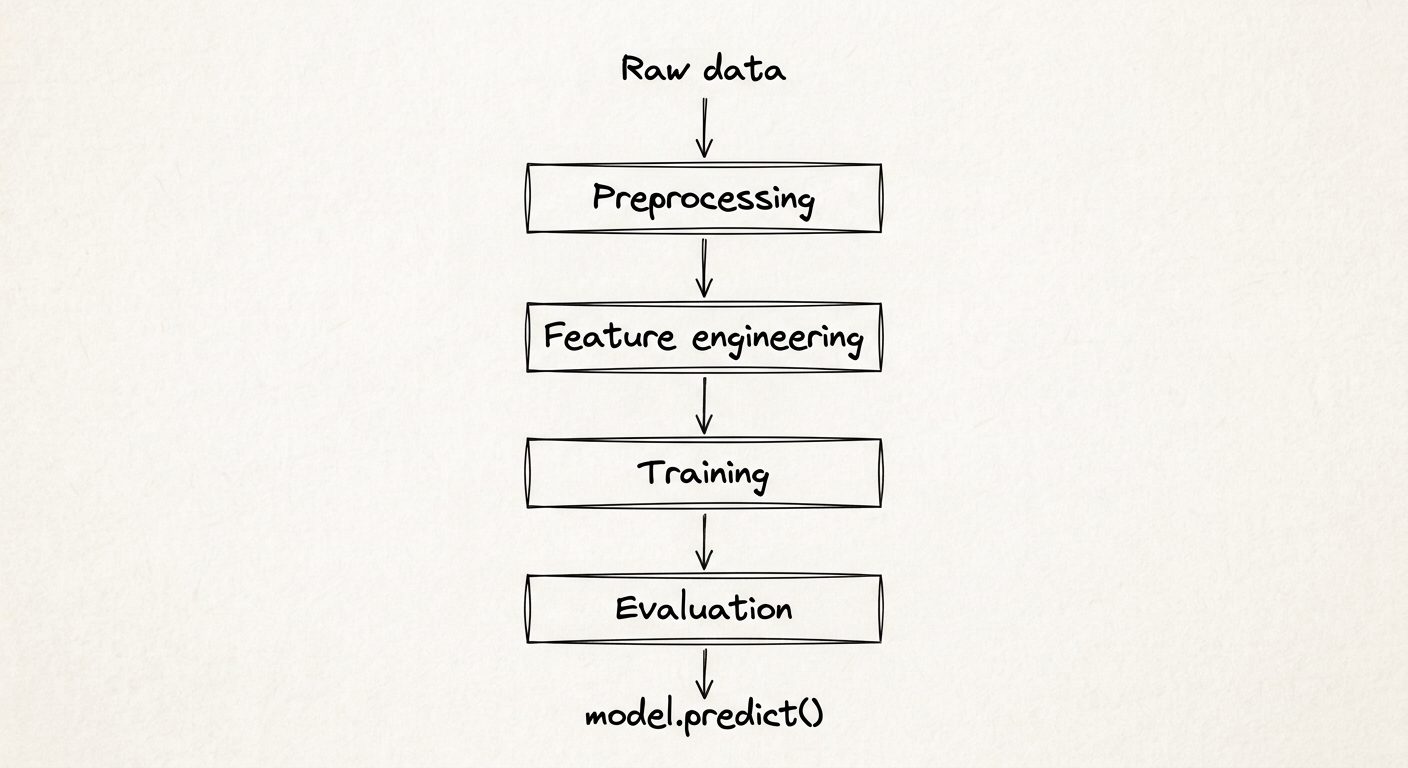
In recent months, there has been a notable shift in the landscape of data science, particularly as practitioners transition from data analytics to data engineering and machine learning. This evolution is exemplified by a case where an individual successfully developed two practical projects: an ETL pipeline utilizing GitHub and a real-time RSS feed processing system. Both projects not only deepened their understanding of Extract, Transform, Load (ETL) processes but also served as a foundation to explore machine learning applications.

The individual built a churn prediction model for a fictional telecom company, Northline Mobile, using a dataset of 7043 customers. This model achieved an accuracy of 81%, demonstrating the potential of machine learning in predicting customer behavior. However, despite its success in accuracy, the model alone lacked practical utility in a corporate setting, highlighting the disparity between creating a model and developing a usable service.

Main Goal and Its Achievement

The primary goal articulated in the original content is the transformation of a machine learning model from a standalone entity into a functional service that can be utilized across various applications and by multiple users within an organization. This goal can be achieved by deploying the model through an Application Programming Interface (API) that allows seamless interaction between the model and other software systems.

To realize this transformation, it is critical to define the API’s boundaries, including the input and output schema, which ensures that data is processed consistently and accurately. The successful implementation of this API allows non-technical users to interact with the model without needing to understand its underlying complexities.

Advantages of Transforming Models into Services

  • Increased Accessibility: By exposing the model as a service, any team member or application can access its predictive capabilities without specialized knowledge. This democratization of access enhances collaboration within the organization.
  • Streamlined Workflow: Automating the prediction process eliminates the need for manual intervention, thus reducing the time and effort required to obtain insights from the model.
  • Consistent Data Processing: Implementing a standardized API ensures that data is preprocessed in the same manner as during model training, which minimizes the risk of discrepancies that could lead to erroneous predictions.
  • Clear Error Handling: A well-defined API provides structured responses that facilitate prompt identification and resolution of input errors before they reach the model, thereby enhancing the robustness of the application.

Caveats and Limitations

While the benefits of transforming a model into a service are substantial, there are pertinent limitations to consider:

  • Environment Dependency: The model’s current functionality is limited to the developer’s local environment. Variances in system configurations could hinder its operability on different machines.
  • Cloud Deployment Challenges: The model is not yet deployable to cloud environments, which restricts its availability and scalability. This limitation needs to be addressed for broader organizational use.
  • Initial Complexity: The setup of the API and its integration with existing systems can be complex, requiring a significant investment of time and effort to implement effectively.

Future Implications of AI Developments

The ongoing advancements in AI and machine learning are set to profoundly impact the development and deployment of predictive models. As generative AI continues to evolve, we can anticipate:

  • Enhanced Model Capabilities: Future models may leverage more sophisticated algorithms and larger datasets, thereby improving their predictive accuracy and reliability.
  • Greater Integration with Business Processes: AI models will likely become more seamlessly integrated into business workflows, driving efficiency and enabling real-time decision-making across various sectors.
  • Wider Adoption of AI Services: As organizations recognize the value of accessible AI services, there will be an increase in demand for robust APIs that facilitate interaction with complex models.
  • Focus on Ethical AI Practices: With the rise of AI applications, there will be a growing emphasis on ethical considerations, data privacy, and transparency in model predictions and decisions.

Disclaimer

The content on this site is generated using AI technology that analyzes publicly available blog posts to extract and present key takeaways. We do not own, endorse, or claim intellectual property rights to the original blog content. Full credit is given to original authors and sources where applicable. Our summaries are intended solely for informational and educational purposes, offering AI-generated insights in a condensed format. They are not meant to substitute or replicate the full context of the original material. If you are a content owner and wish to request changes or removal, please contact us directly.

Source link :
Click Here

How We Help

Our comprehensive technical services deliver measurable business value through intelligent automation and data-driven decision support. By combining deep technical expertise with practical implementation experience, we transform theoretical capabilities into real-world advantages, driving efficiency improvements, cost reduction, and competitive differentiation across all industry sectors.

We'd Love To Hear From You

Transform your business with our AI.

Get In Touch