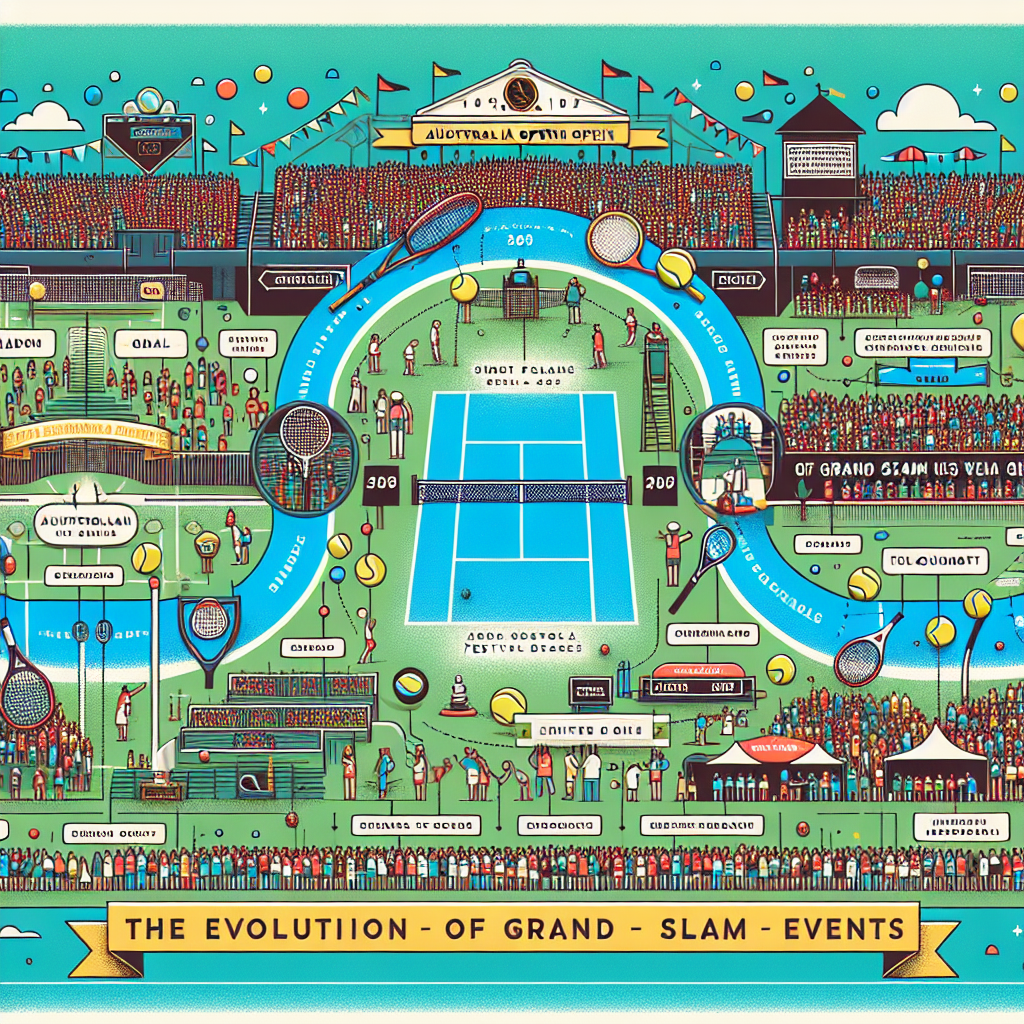
The evolution of grand slam tennis tournaments has recently garnered significant attention, particularly regarding the integration of extended lead-in weeks. The Australian Open and the US Open have spearheaded this transformation, reimagining their qualifying events to enhance spectator engagement and overall tournament experience. This analysis explores the intersection of this evolution with artificial intelligence (AI) in sports analytics, focusing on its implications for sports data enthusiasts and the broader tennis community.
Traditionally, the weeks leading up to grand slam tournaments were characterized by minimal fanfare, with qualifying matches largely ignored by the general public. However, this status quo has shifted dramatically as tournament organizers recognize the potential of these weeks to serve as engaging preambles to the main events. The Australian Open’s “Opening Week” and the US Open’s “Fan Week” have transformed these periods into vibrant festivals drawing tens of thousands of attendees. This newfound enthusiasm is not merely anecdotal; attendance records have been shattered, showcasing the success of these initiatives.
At the core of this evolution is the goal of maximizing spectator engagement. By transforming qualifying events into festive experiences, these tournaments aim to attract a broader audience and enhance fan participation. Achieving this goal involves strategic marketing, innovative event programming, and the integration of interactive experiences like player meet-and-greets and exhibition matches. The success of these initiatives is evidenced by record-breaking attendance figures, indicating a substantial shift in public perception regarding the importance and excitement of qualifying events.
While the advantages are numerous, there are caveats to consider. The influx of attendees may lead to overcrowding and logistical challenges, potentially detracting from the overall experience. Furthermore, the high costs associated with running such expansive programs may pose financial risks if attendance does not meet expectations. Additionally, the pressure to continually innovate may strain resources and lead to diminishing returns if not managed effectively.
The integration of AI in sports analytics presents exciting opportunities for enhancing fan engagement at tennis tournaments. As AI technologies evolve, they can provide real-time data insights, personalized fan experiences, and predictive analytics that inform marketing strategies. For instance, AI can analyze attendee behavior to tailor experiences that resonate with diverse audience segments. Furthermore, as tournaments increasingly leverage data to optimize operations and marketing efforts, sports data enthusiasts will find themselves at the forefront of this technological revolution, equipped to analyze complex datasets and derive actionable insights.
The reimagining of grand slam tournaments, particularly through the initiatives established by the Australian Open and the US Open, marks a significant shift in how these events engage with fans. By transforming qualifying weeks into vibrant festivals, these tournaments not only enhance spectator experience but also lay the groundwork for future innovations in sports analytics, particularly through AI. As the world of tennis continues to evolve, the role of sports data enthusiasts will be crucial in navigating and leveraging these advancements for sustained growth and engagement in the sport.
Disclaimer
The content on this site is generated using AI technology that analyzes publicly available blog posts to extract and present key takeaways. We do not own, endorse, or claim intellectual property rights to the original blog content. Full credit is given to original authors and sources where applicable. Our summaries are intended solely for informational and educational purposes, offering AI-generated insights in a condensed format. They are not meant to substitute or replicate the full context of the original material. If you are a content owner and wish to request changes or removal, please contact us directly.
Source link :